See the monuments around you in AROpen chests in the app
Around Us is built for your phone — point your camera at the streets and discover the monuments and places around you in augmented reality.Around Us is built for your phone — chests unlock when you walk, explore and capture nearby places.
What to see in Cornwall: castles, coastal villages, beaches and gardens
Cornwall lies at the southwestern tip of England. It is a peninsula surrounded by the sea, shaping its history and identity. You can see this region through its castles on cliffs like Tintagel or St Michael's Mount, its fishing villages on small bays such as Mousehole, and its busy ports like Falmouth and Penzance. Old tin and copper mines tell of a past in industry, while the gardens take advantage of a mild climate to grow plants from all over the world.
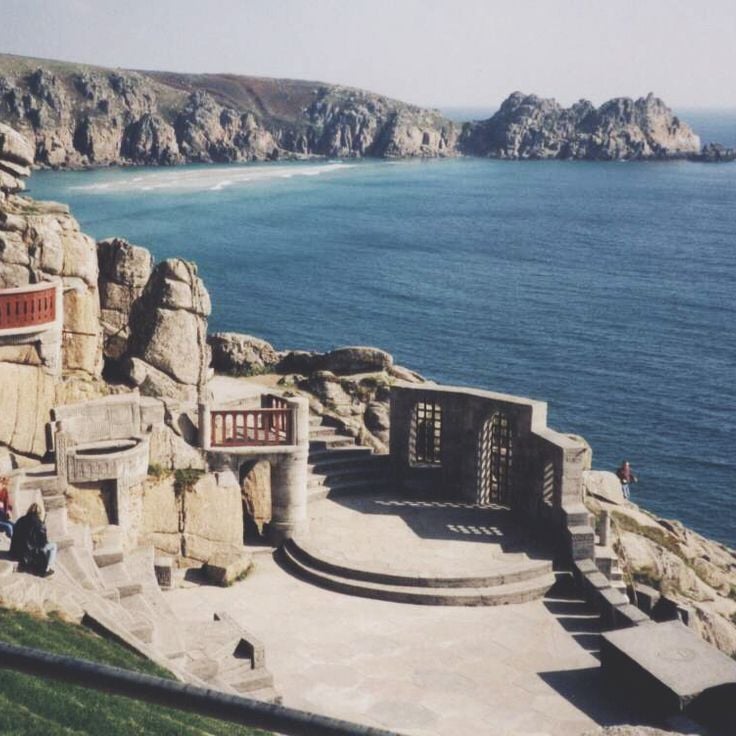
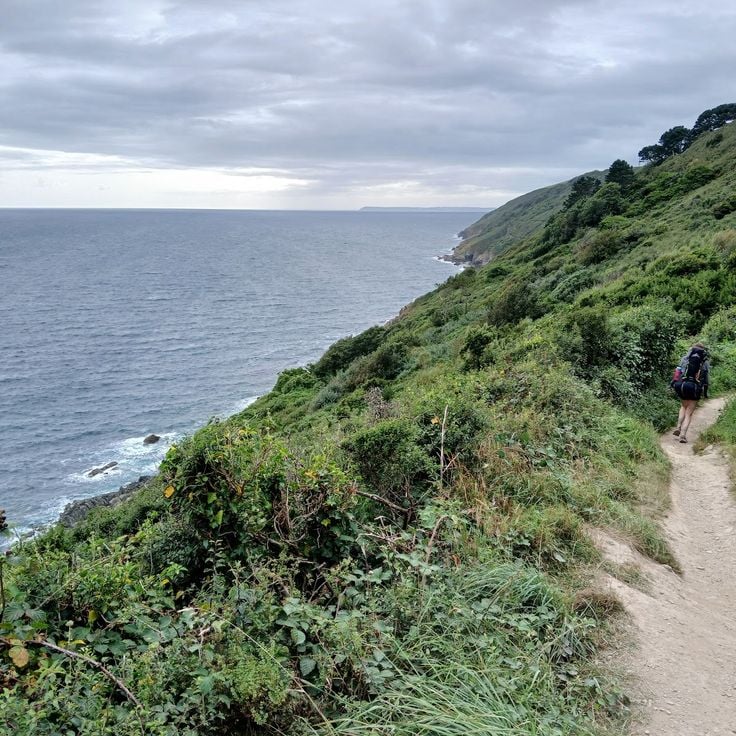
The coast switches between sandy beaches, rocky headlands, and paths running along hundreds of miles of shoreline. Inland, moors and wooded valleys show different sides of the land. Some places stand out, like Minack Theatre carved into the rock facing the sea, or the Eden Project with its large greenhouses built in an old quarry. Towns like St Ives have long attracted artists, and today their galleries sit alongside shops and restaurants near the water.
What to see in Cornwall: castles, coastal villages, beaches and gardens
Cornwall lies at the southwestern tip of England. It is a peninsula surrounded by the sea, shaping its history and identity. You can see this region through its castles on cliffs like Tintagel or St Michael's Mount, its fishing villages on small bays such as Mousehole, and its busy ports like Falmouth and Penzance. Old tin and copper mines tell of a past in industry, while the gardens take advantage of a mild climate to grow plants from all over the world.
The coast switches between sandy beaches, rocky headlands, and paths running along hundreds of miles of shoreline. Inland, moors and wooded valleys show different sides of the land. Some places stand out, like Minack Theatre carved into the rock facing the sea, or the Eden Project with its large greenhouses built in an old quarry. Towns like St Ives have long attracted artists, and today their galleries sit alongside shops and restaurants near the water.
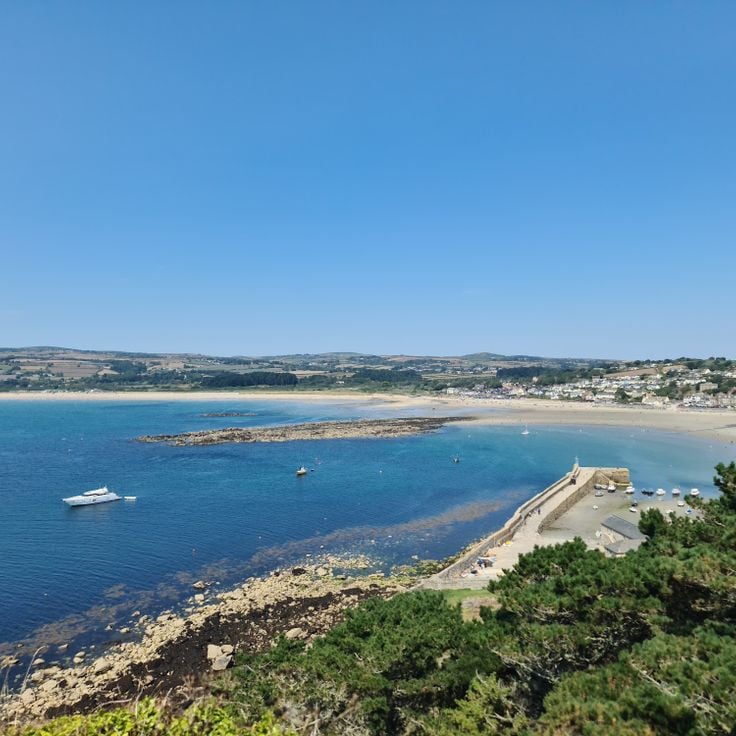
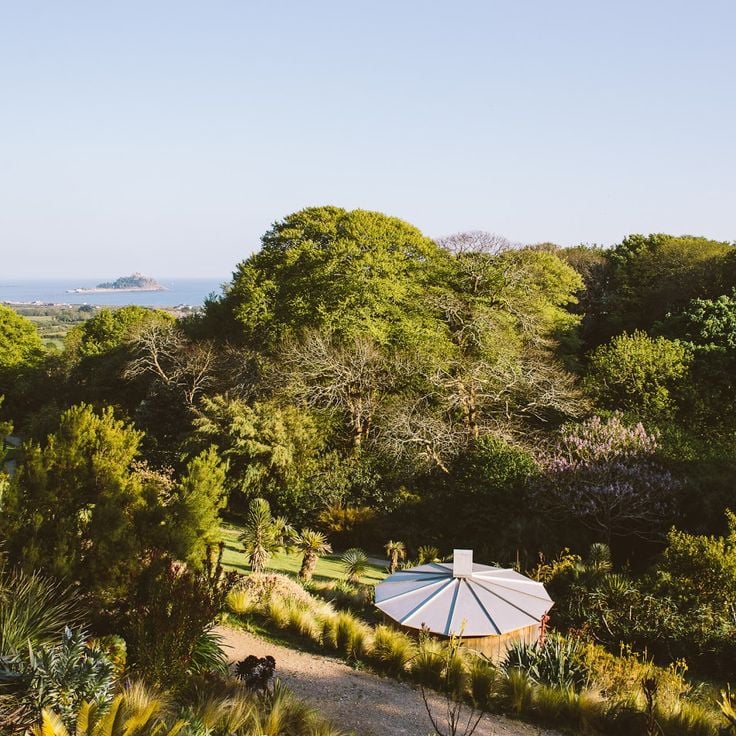
St Michael's Mount is an island and castle accessible by foot at low tide or by boat. The castle sits on a rocky outcrop off the coast of Marazion and is one of Cornwall's most recognizable landmarks. The structure dates back to the medieval period and has been modified many times. Walking to the island when the tide is out offers a unique experience, and the views across the bay are wide. Visitors explore the castle rooms, the terraced gardens, and the chapel inside.
St Ives is a coastal town on the north coast of Cornwall where artists have made their home for generations. The place combines a working fishing harbor with wide sandy beaches and narrow stone passages that wind between old buildings. Galleries and art studios share space with cafes, restaurants, and shops that shape daily life. The beaches offer room for swimming and surfing, while the harbor comes alive with fishing boats in the morning and evening. The light here has long drawn painters and creators who have chosen to settle in the town.
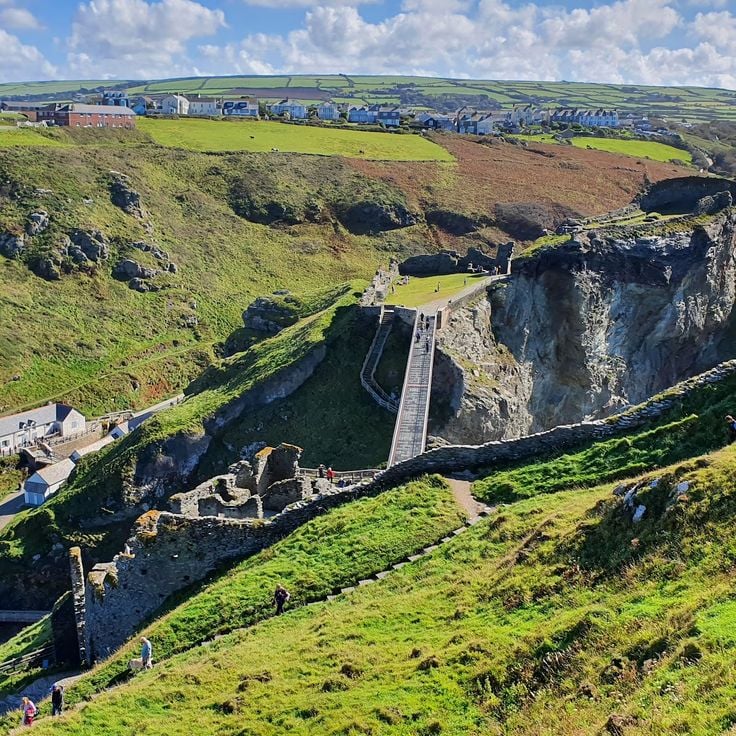
This castle sits on a dramatic clifftop and is closely linked to the legends of King Arthur. The ruins stand on the north coast of the Cornish peninsula and offer views across the sea and the jagged coastline. The site draws visitors interested in medieval history and Arthurian tales.
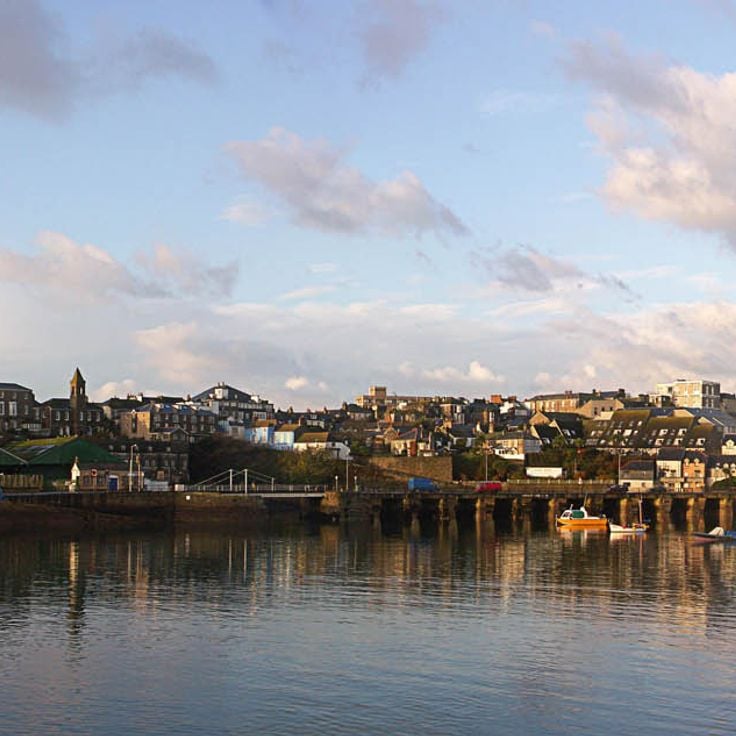
Penzance is a seaside town at the southwest tip of England and serves as a gateway to explore Cornwall's natural treasures and historic sites. The town features a seafront promenade where locals and visitors take walks with views across the sea. From here you can easily reach the beaches of the region, fishing villages like Mousehole, and the castles that stand on the cliffs. The town itself has a working harbor where you can observe daily maritime activity.
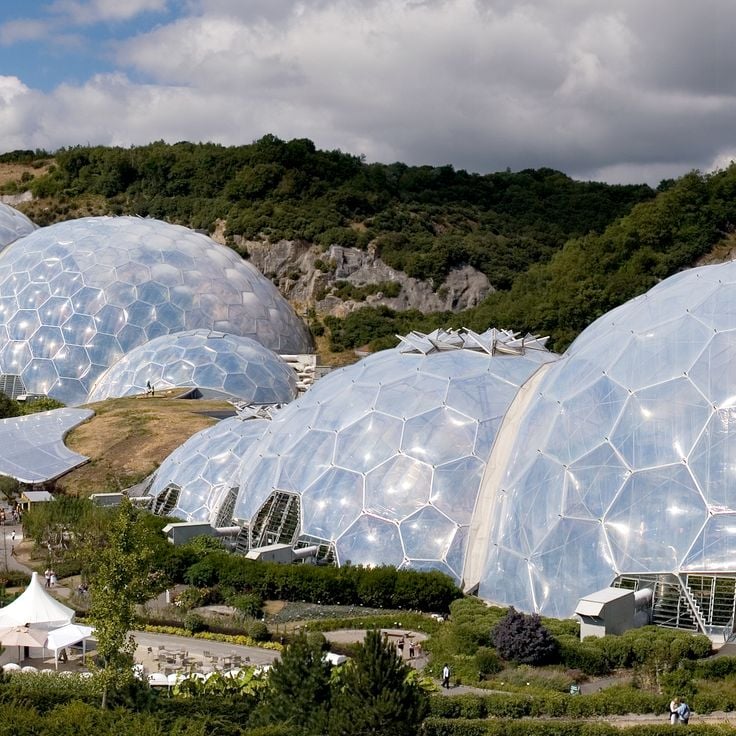
The Eden Project occupies a former quarry and contains two large domes filled with plants from around the world. The transparent structures let visitors see thousands of plant species arranged to recreate tropical rainforests and Mediterranean habitats. Walking through the site feels like moving between different climates without leaving Cornwall. The project sits in the landscape where mining once dominated, and today it draws visitors interested in plants, nature, and how environments work.
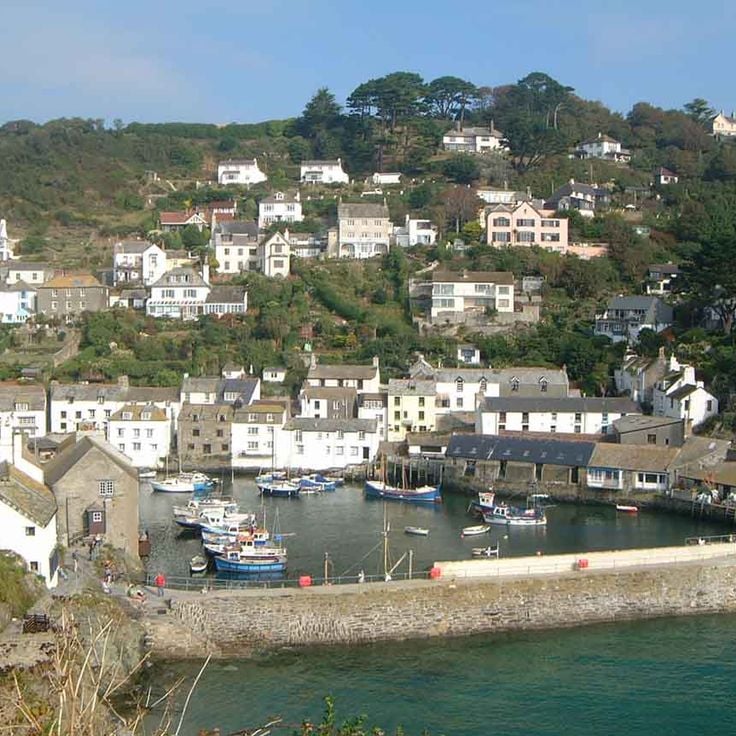
Polperro is a fishing village tucked into a valley on Cornwall's south coast. Narrow lanes wind down to a small harbor where boats bob gently in the water. Stone cottages and old buildings cluster together along the streets and waterfront. The village has the feel of a place where life moves slowly. Visitors walk through winding alleys, past local shops and restaurants, and down to the harbor where they can watch the sea or sit and watch fishing boats come and go. The setting is sheltered and quiet, protected by the surrounding hills.
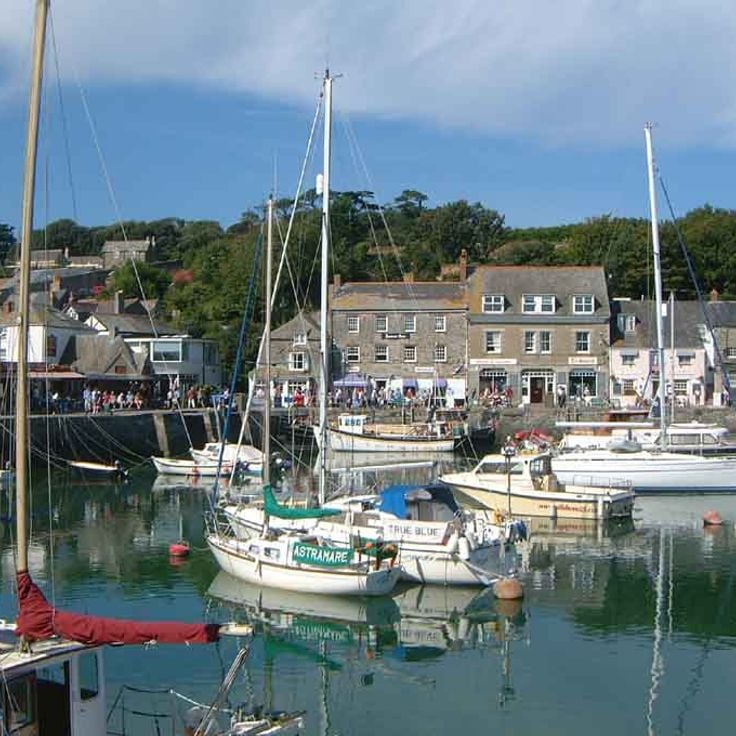
Padstow is a busy harbor town on Cornwall's coast, known for its restaurants and coastal walks. The town sits in a sheltered bay where fishing boats and sailboats anchor throughout the year. The waterfront is lined with cafes and shops that draw visitors to linger and explore. Walking paths lead along the rocky shoreline, passing cliffs and small coves where the landscape feels raw and genuine. Padstow remains an active fishing port with a strong connection to the sea, and its waterfront comes alive with locals and travelers moving between boats, shops, and restaurants.
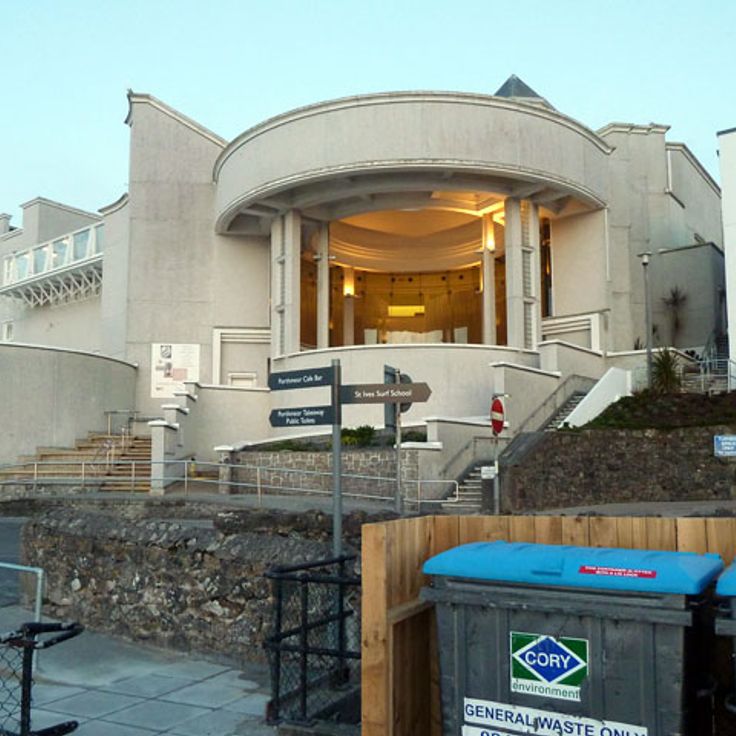
The Tate St Ives is an art museum located in this artistic coastal town at the southwestern tip of England. The museum displays modern and contemporary artworks and benefits from its position overlooking the beaches and sea of St Ives. The town attracted artists over time and developed into a place where galleries sit alongside shops and waterfront restaurants. The museum fits into the story of this region, shaped by its coastline, its former mining history, and its mild climate.
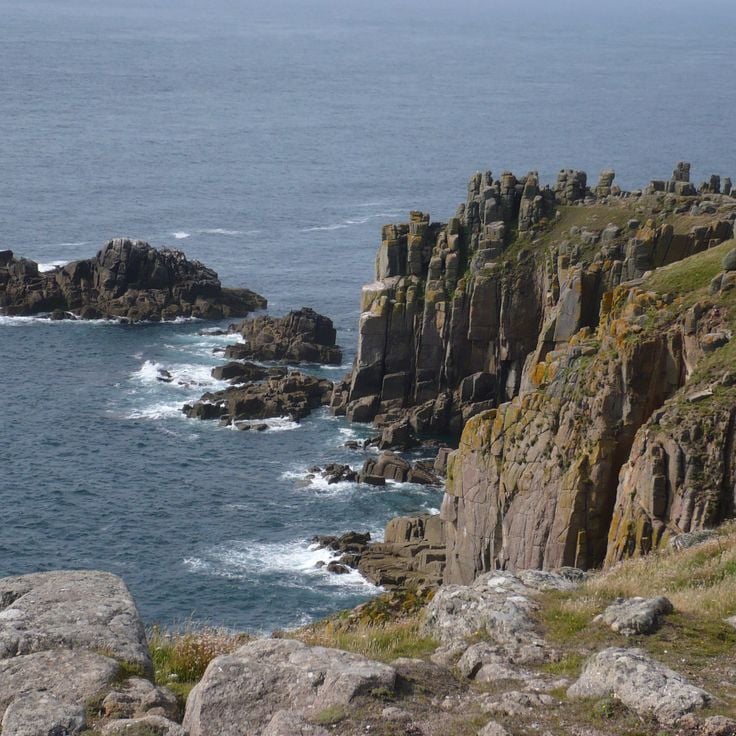
Land's End is the southwestern tip of mainland England where two seas meet and the cliffs drop straight into the water. Visitors come here to experience the feeling of standing at the edge of England. The views stretch across the ocean and on clear days you can see far into the distance. This point has been important in people's minds for centuries and marks the symbolic end or beginning of a journey through Britain.
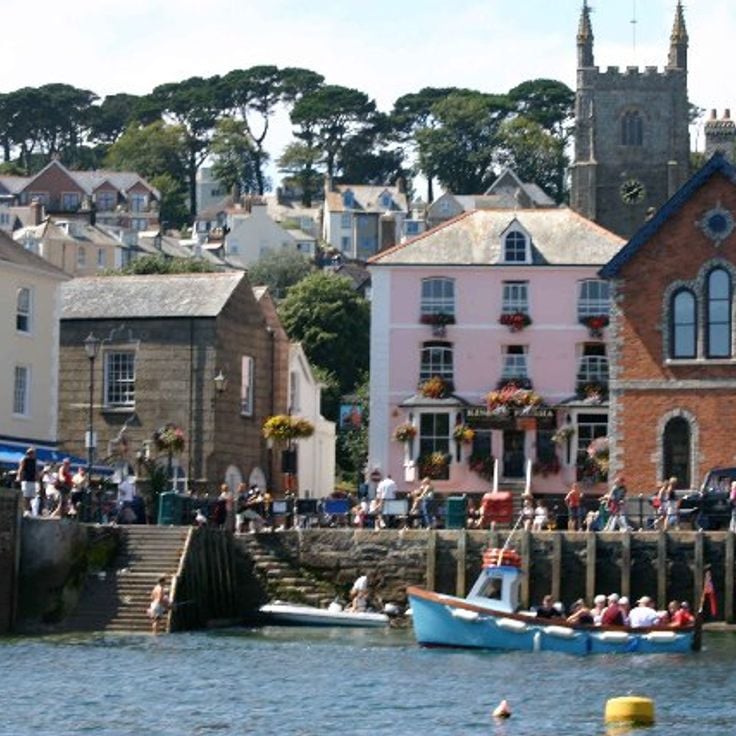
Fowey sits in a sheltered estuary on Cornwall's south coast. This historic port town was once home to smugglers and pirates. Today it is known for its literary connections, especially through author Daphne du Maurier, who lived here for many years. The town rises steeply from the water, with narrow streets and Georgian buildings tucked among the trees. The harbor stays busy with fishing boats and sailboats. From almost everywhere in town, you can see water and green hills beyond. Its position at the mouth of the Fowey River makes it a natural anchor point for visitors exploring the region.
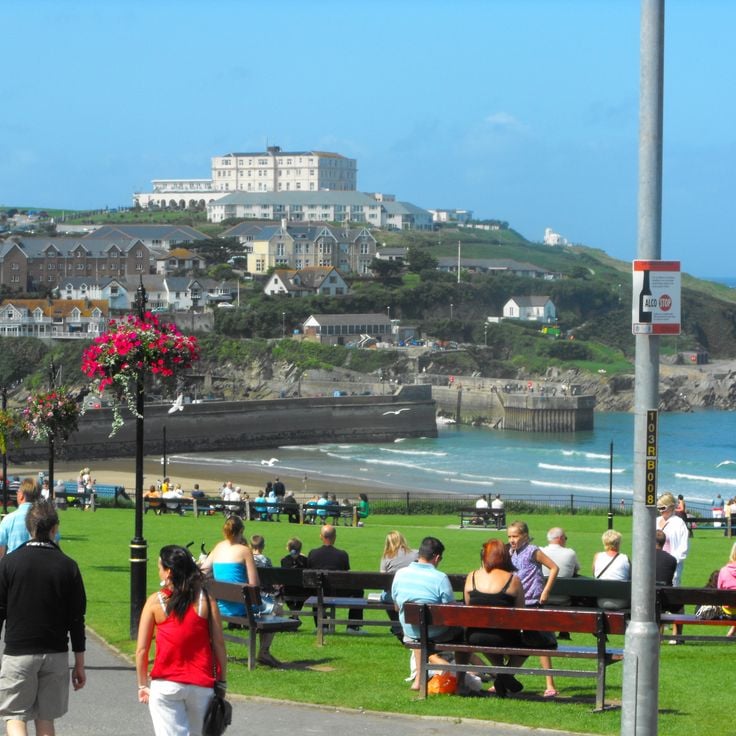
Newquay is Cornwall's surfing capital, home to several beaches where surfers of all levels come to ride the waves. The town sits on cliffs overlooking Fistral Beach and other popular spots. Along the waterfront and main streets, you find cafes, restaurants, and shops catering to visitors and locals. The harbor has working boats and fishing vessels, giving a sense of the area's maritime life. Summer brings crowds of young travelers drawn by the beach culture and outdoor activities. The town has a laid-back vibe mixed with the energy of a working coastal community.
The Minack Theatre is an open-air theater carved into the cliffs of Porthcurno, overlooking the Atlantic Ocean. Built in the 1930s by an artist who hand-dug the site herself, it remains one of Cornwall's most unusual cultural venues. Performances take place with the sea as a backdrop, with audiences sitting on stone benches built directly into the rock. This theater shows how a single person's vision can transform a natural landscape into a place for live performance and community gathering.
St Agnes is a coastal village at the southwestern tip of England that tells the story of Cornwall's mining past. The village sits on cliffs above the sea and displays the remains of old tin and copper mines that once drove the region's economy. The landscape here feels like a window into earlier Cornwall, with rough coastal paths, fields, and the rhythm of a place slowly moving beyond its industrial past. Artists and visitors appreciate the quiet location and the views across the Atlantic.
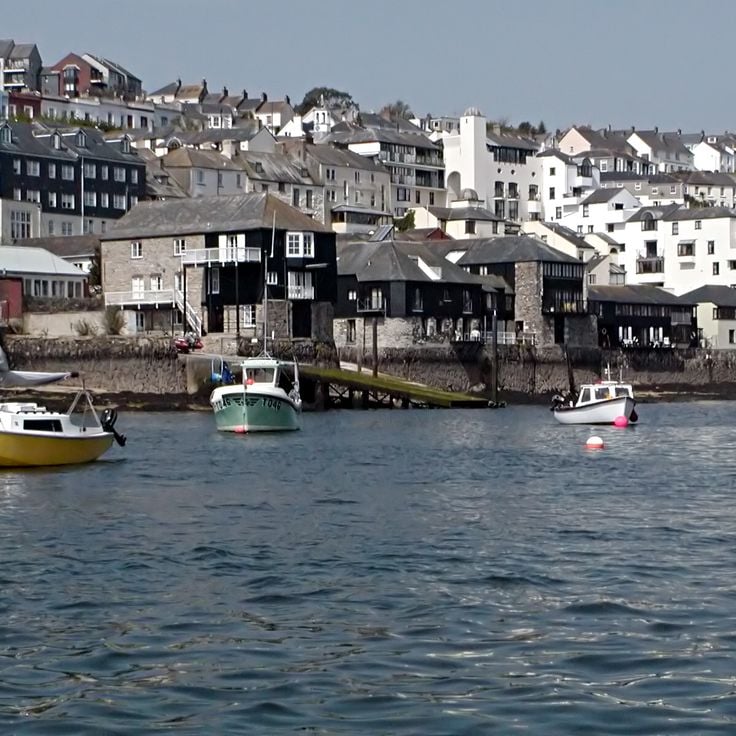
Falmouth is a lively port town on Cornwall's southern coast. The town offers wide beaches, long coastal walks, and the feel of a seaside resort with a deep maritime history. The working harbor remains central to local life and character. Visitors find a mix of fishing heritage, shops, restaurants, and museums. The waterfront location makes Falmouth a natural gathering place where people walk, swim, and watch the activity of the port.
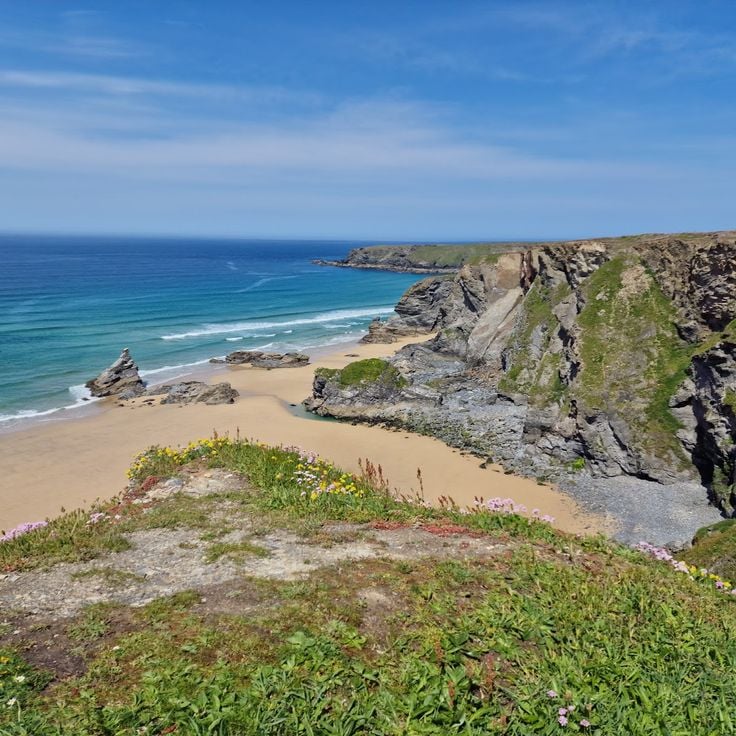
Bedruthan Steps are tall sea cliffs along the Cornish coast where large rock stacks become accessible at low tide. The ocean has carved these stone pillars into unusual shapes over thousands of years. Visitors can walk among the formations when the tide goes out, observing how the sea continues to reshape this stretch of coastline. The site demonstrates the natural forces that have always defined Cornwall's rocky shores.
St Mawes is a refined coastal village located on the Roseland Peninsula with views across the bay. Houses cluster around the harbor, where fishing boats and private sailboats rest at anchor. The village draws visitors who enjoy long walks by the water and the quieter pace of life here. A castle built in the 16th century overlooks the bay. Shops, restaurants, and galleries line the narrow streets. St Mawes sits across the water from the busier town of Falmouth, offering a gentler alternative for those seeking a smaller scale of coastal living. The village serves as a gateway to exploring the Roseland Peninsula's quiet coves and walking paths.
Sennen Cove is a beach where surfers and swimmers gather throughout the year. The waves here arrive regularly, creating conditions that draw water sports enthusiasts. The beach sits at the tip of Cornwall and faces out toward the Atlantic. The sweep of sand is watched over by lifeguards in summer months. Local shops and cafes line the nearby street, serving the steady flow of visitors who come for the water and the views.
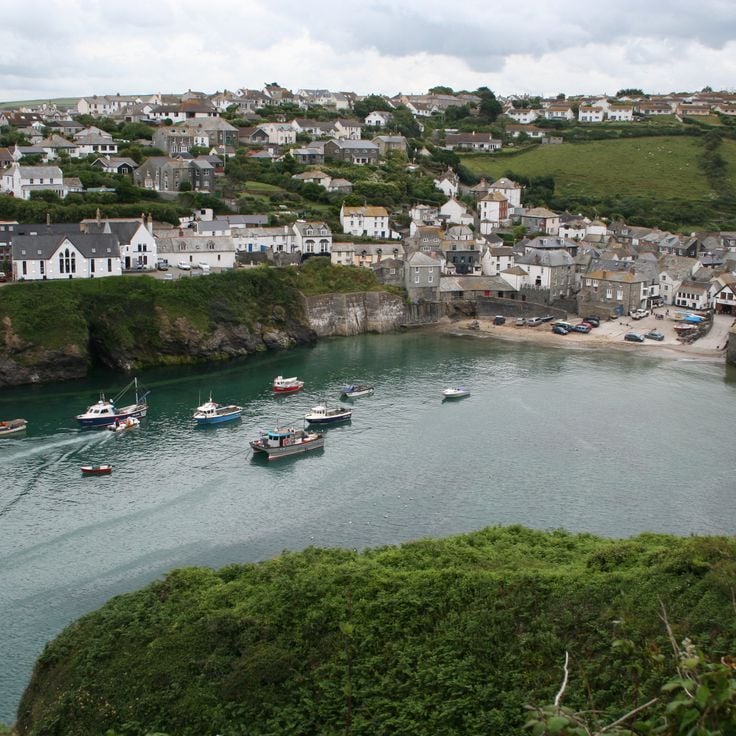
Port Isaac is a fishing village on the north coast of Cornwall. The village sits tucked into a narrow cove, where traditional stone houses cluster tightly together. The harbor remains working, with fishing boats moored in the water. Narrow lanes climb upward from the shore, and signs of its long fishing heritage are visible throughout. The village draws visitors who come to experience what a traditional Cornish fishing community looks like.
Looe is a coastal town in Cornwall split between East Looe and West Looe, divided by a river that flows to the sea. The town centers around a sandy beach backed by houses, cafes, and small shops that face the water. The harbor remains busy with fishing boats, and the riverfront offers walks and views of the estuary. Rocky headlands frame the sandy bay. The place keeps the feel of a working fishing village where daily life continues alongside tourism. Families come for the beach and the calm waters of the bay.
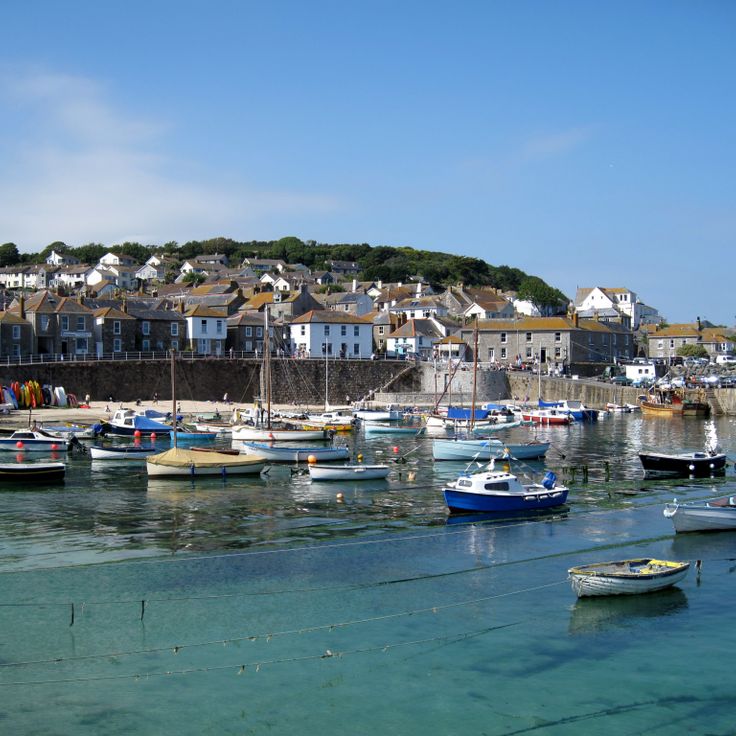
Mousehole is a small fishing village on the Cornish coast near Penzance. The village sits in a sheltered cove and is lined with colorful houses that cling to steep hillsides. Narrow lanes slope down to the harbor, where fishing boats are moored and the rhythm of daily life follows the sea. The village retains its traditional character and offers a sense of what life has been like for fishing communities along this coast.
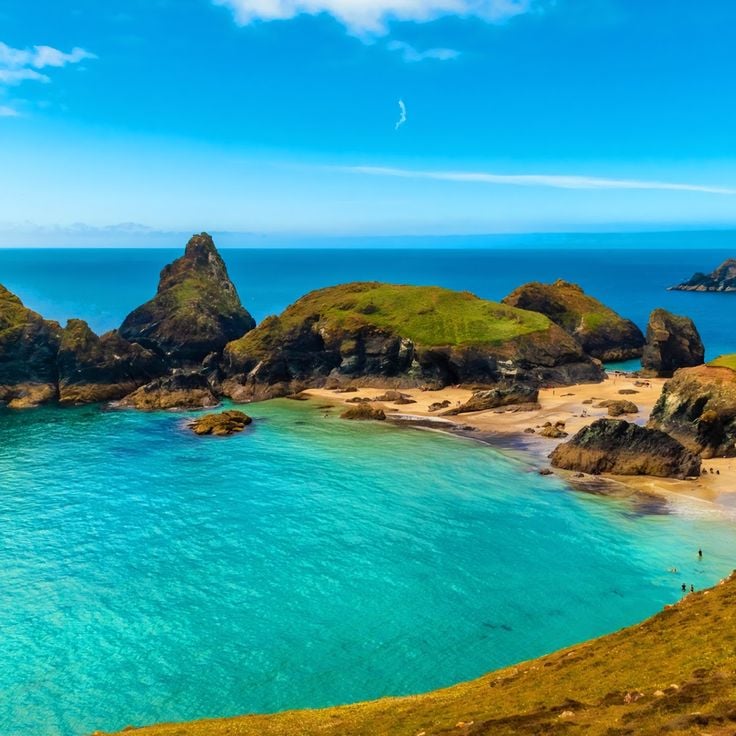
Kynance Cove is a beach on Cornwall's south coast with golden sand, tall rocks, and clear water. It sits on the Lizard Peninsula, one of England's most southerly points. High cliffs frame the beach and provide shelter. When the tide goes out, more sand appears and caves open up in the rock faces. The water is cold, but refreshing on warm days. Swimmers and explorers come here to see the raw coastal landscape that shapes Cornwall.
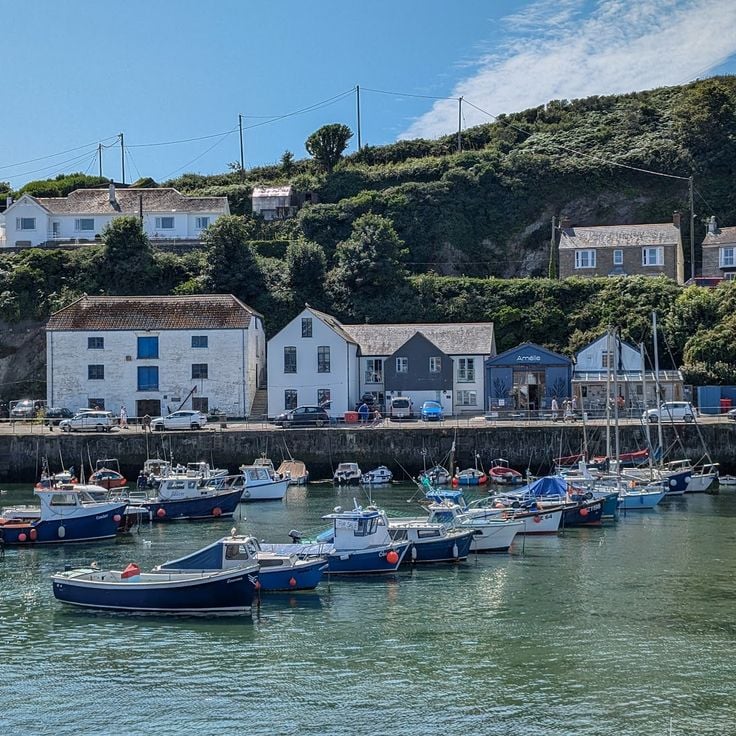
Porthleven Harbour is an active fishing port on Cornwall's coast. Small boats sit in the water, and waterfront promenades invite walks along the shore. The village keeps the character of how fishing communities work: simple buildings, restaurants with sea views, and people whose livelihoods come from the water. The harbour is a place where you can see the everyday life of the region, not just as a visitor passing through but as someone watching how Cornwall really functions.
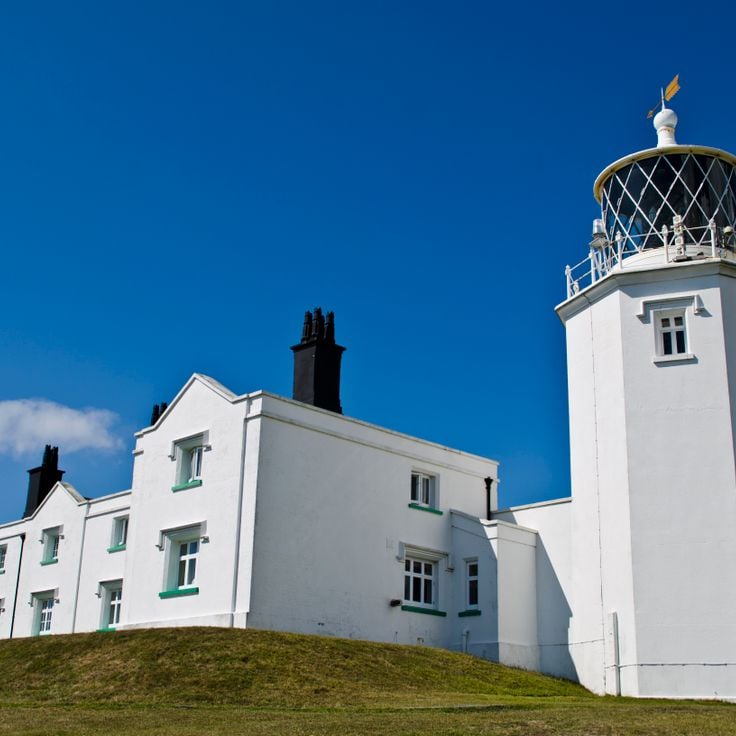
The Lizard Lighthouse stands at the southernmost point of Great Britain, marking the tip of the Cornish peninsula. The light from this beacon has guided ships through treacherous waters for centuries, while dramatic cliffs plunge into the sea below. This location embodies the maritime character of Cornwall and offers visitors a place to witness the raw power of this southern coastline.
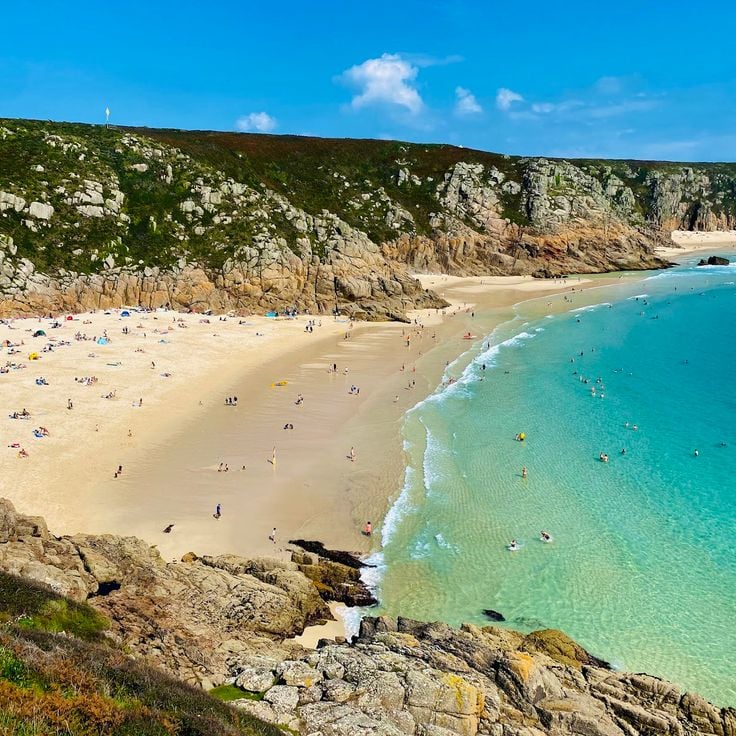
Porthcurno Beach is a sandy beach on the southwestern coast of Cornwall, framed by tall rocky cliffs. The water is clear and the sand is fine, making it a popular spot for swimming and sunbathing. Nearby sits the Minack Theatre, carved into the rock and facing the ocean, which adds to the dramatic character of the location.
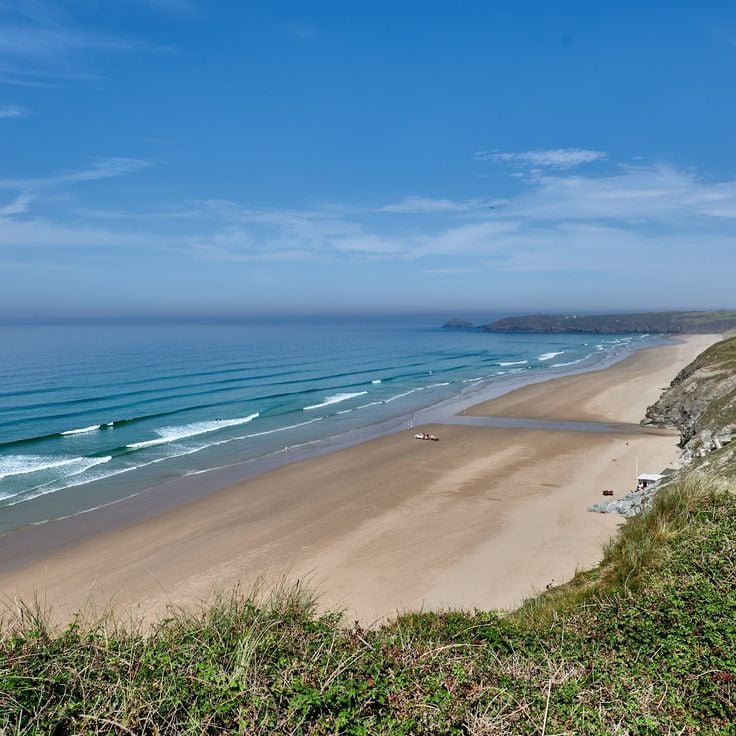
Perranporth Beach is a long sandy stretch on the north coast of Cornwall. The beach extends for several kilometers and offers plenty of space for swimmers and water sports enthusiasts. The water is quite cold, but on nice days the beach attracts many visitors. Behind the sand lie dunes and rocks that give the beach its character. The spot has become popular with surfers because the waves are consistent and strong. Small shops and restaurants are nearby and provide what you need for a day at the beach.
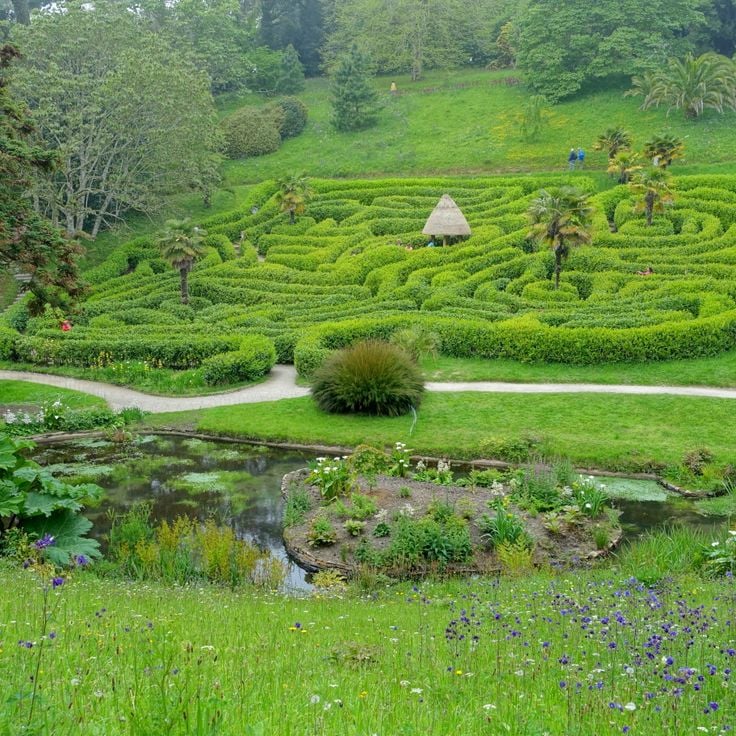
Glendurgan Garden sits in a wooded valley where plants from around the world grow in the mild Cornish climate. The garden was created in the 19th century and features water features, specimen trees, and a hedge maze. Paths wind through different areas, each with its own character. The sheltered location near the coast allows tender plants to flourish here. This garden is part of Cornwall's tradition of collecting and growing rare plants, a practice that began when traders and travelers brought seeds and specimens back from distant lands.
The Helford River is an estuary in southeastern Cornwall that winds through green countryside and opens into a wide bay. The water here is calm and suitable for kayaking. Walking paths run along the banks, passing through woodlands and open fields. Small villages sit scattered on the shores. This river shows a quieter side of Cornwall, away from the dramatic cliffs. It is a place where nature feels undisturbed and where you can watch birds and wildlife going about their daily lives.
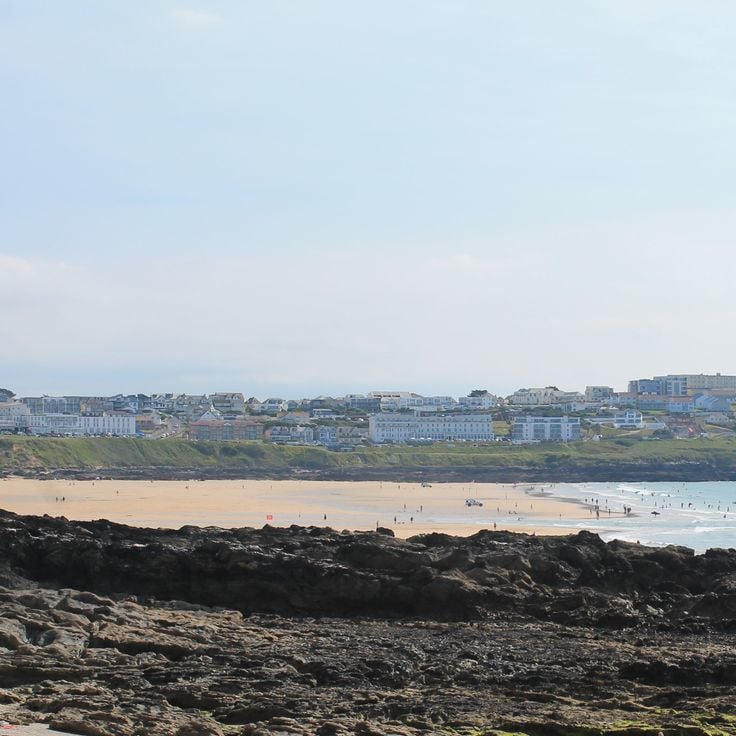
Fistral Beach near Newquay is known among surfers for its reliable waves and consistent swells. Several surf schools operate here, offering lessons to beginners and intermediate surfers. The beach itself has a golden sandy expanse that widens at low tide. Along the shore you'll find cafés, shops, and rental facilities catering to the surfing community. Beyond the water, the beach draws walkers and families who come to watch the action or enjoy the coastal setting.
The South West Coast Path is one of England's most traveled walking routes, following the coastal landscape of Cornwall for hundreds of kilometers. The trail passes sandy beaches, rocky headlands, and tall cliffs while connecting villages like Mousehole and leading near castles such as Tintagel and St Michael's Mount. Along the way, walkers encounter ports like Falmouth and Penzance, relics of old tin and copper mines, and gardens that flourish in the mild climate. In towns like St Ives, art galleries stand beside shops and waterfront restaurants. The path weaves through forests and moorlands inland, offering views of how the ocean has shaped both the landscape and the people who live here.
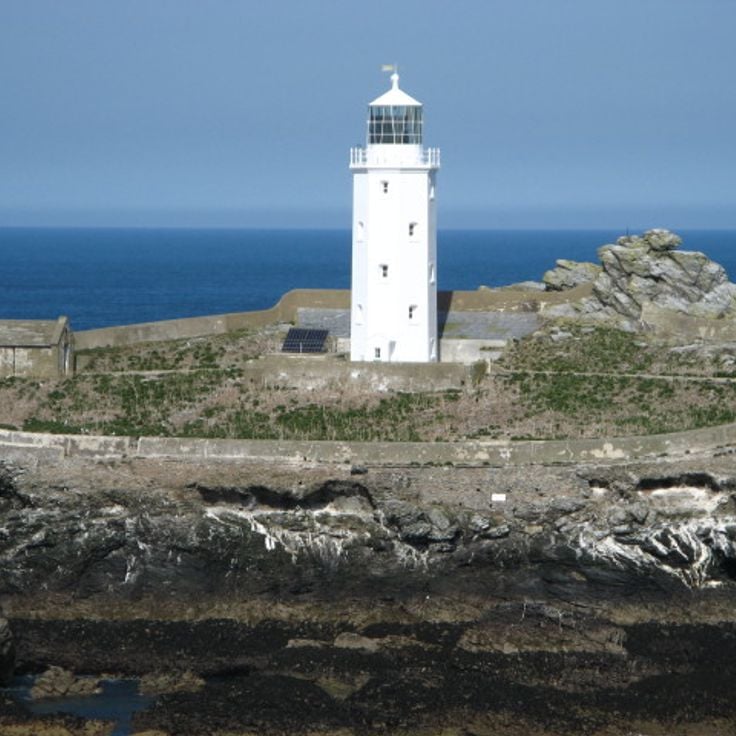
Godrevy Head is a lighthouse perched on a cliff at the edge of Cornwall's coast. The tower stands on rocky ground where cliffs drop steeply to the sea. Dunes roll behind the lighthouse, creating a landscape shaped by wind and salt spray. Walking paths run along the cliff edge, offering views across the water to distant headlands. The site draws walkers and visitors who come to experience the raw quality of the coastline. This place holds a particular place in the memory of those who explore Cornwall's southern shore.
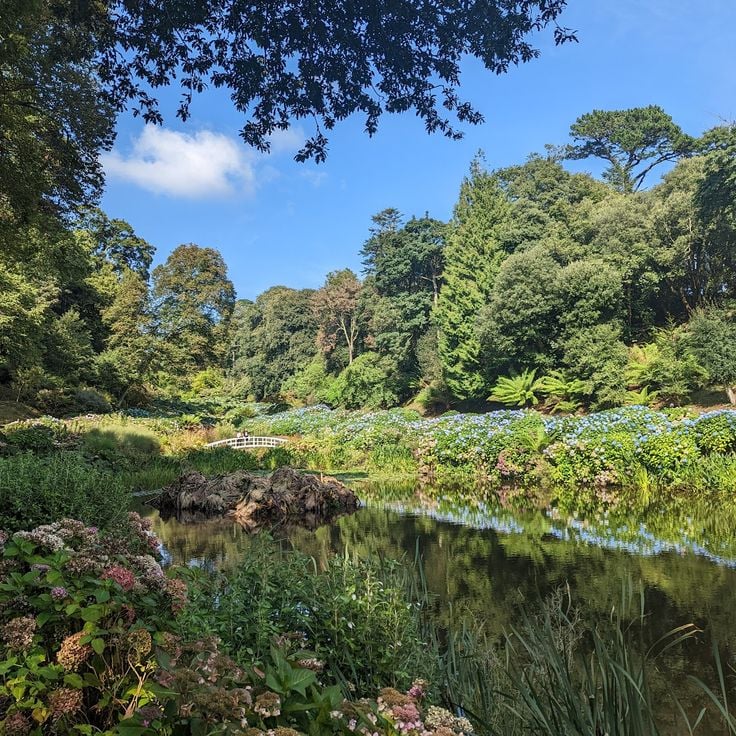
The Tremenheere Sculpture Gardens in Heamoor combine plants and artistic installations in a modern garden setting. This place shows how Cornwall's mild climate allows rare plants from around the world to grow here. Visitors walk among sculptures spread throughout the landscape and experience how nature and contemporary art connect. The gardens use the region's gentle weather to create abundant plant life that frames the artworks.
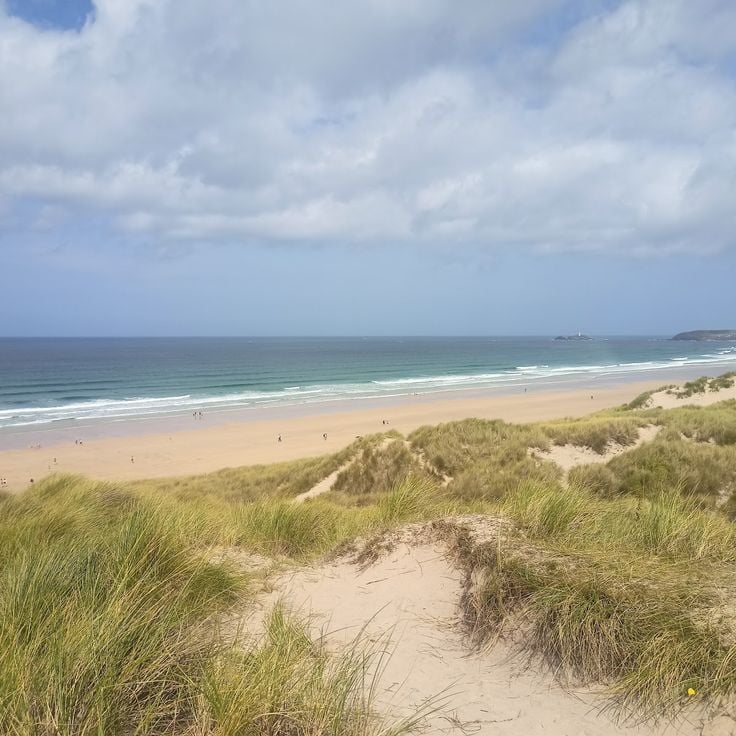
Gwithian Towans is a natural dune system and beach on Cornwall's north coast. The shifting sands and coastal vegetation show how the ocean shapes the landscape over time. This stretch offers space to walk and explore, with wide sandy shores backed by dunes that protect the land from the sea. The area reflects the raw natural character of the region, shaped by its maritime heritage and the constant work of wind and water.
These gardens at Mevagissey are part of Cornwall's varied landscape and demonstrate how the region's mild coastal climate allows rare plants from around the world to flourish. The gardens were restored after a long period of neglect and today reveal their historical structures with vintage glasshouses and extensive botanical collections. Visitors can walk through different areas and see how this place maintains its horticultural heritage.
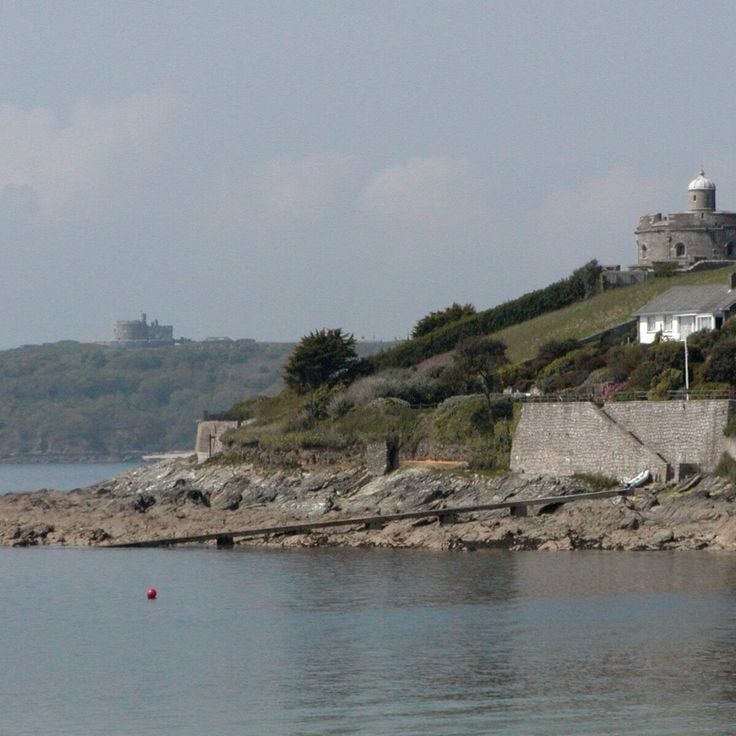
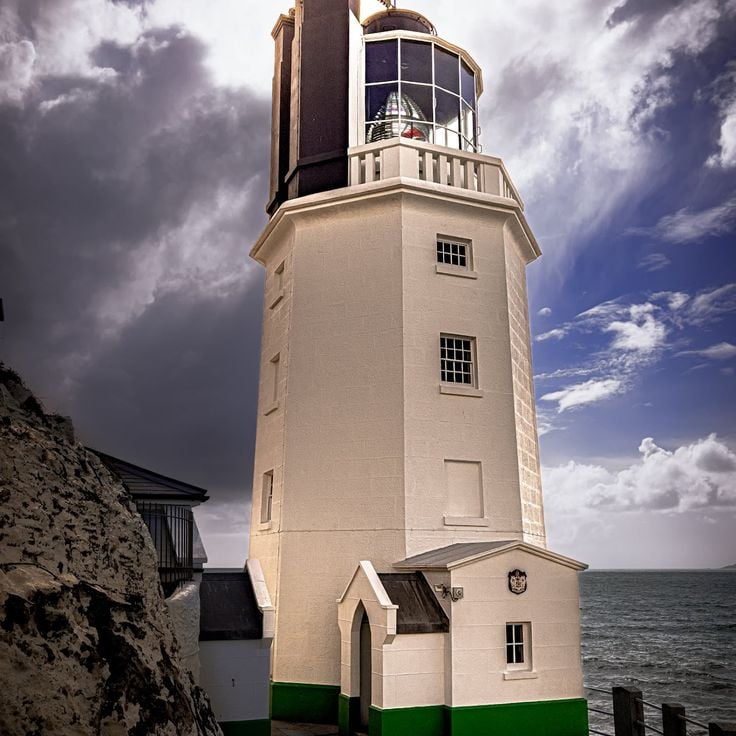
St Anthony Head Lighthouse sits on a promontory on the Roseland Peninsula and overlooks Falmouth Bay. This beacon is part of the maritime history of the Cornish coast, where ships have passed for centuries. From this point you can see the coastline shift between sandy beaches and rocky cliffs, as well as vessels entering the busy port of Falmouth. The headland shows the rugged nature of this southwestern tip of England, shaped by the sea.
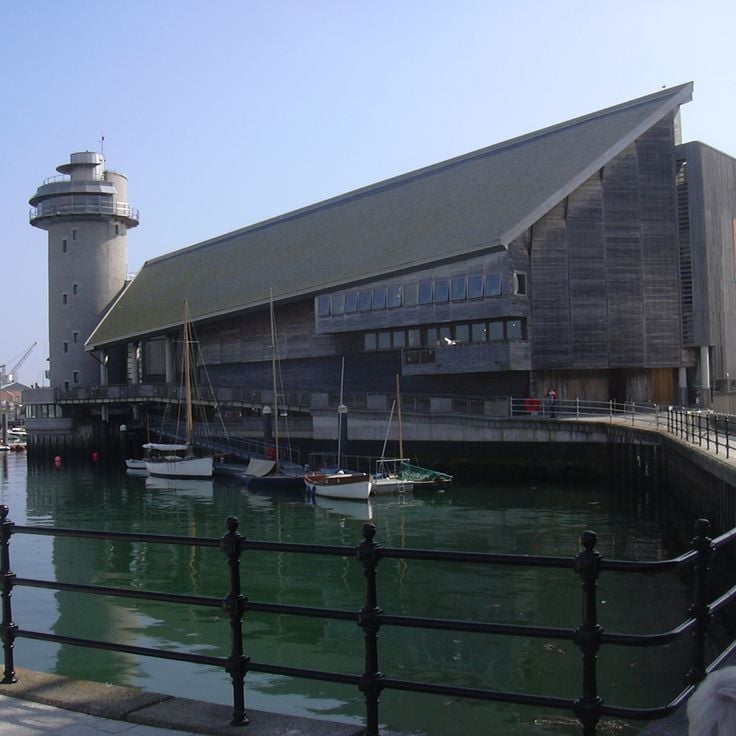
The National Maritime Museum Cornwall in Falmouth presents the history of seafaring and coastal life in this region. Located in a harbor that has been important to ships and trade for centuries, the museum shows visitors the lives of fishermen who set out daily, merchant ships that traveled the world, and people whose existence was tied to the sea. The collections reveal crafts, adventures, and everyday coastal living. The museum helps explain how the sea shaped Cornwall.
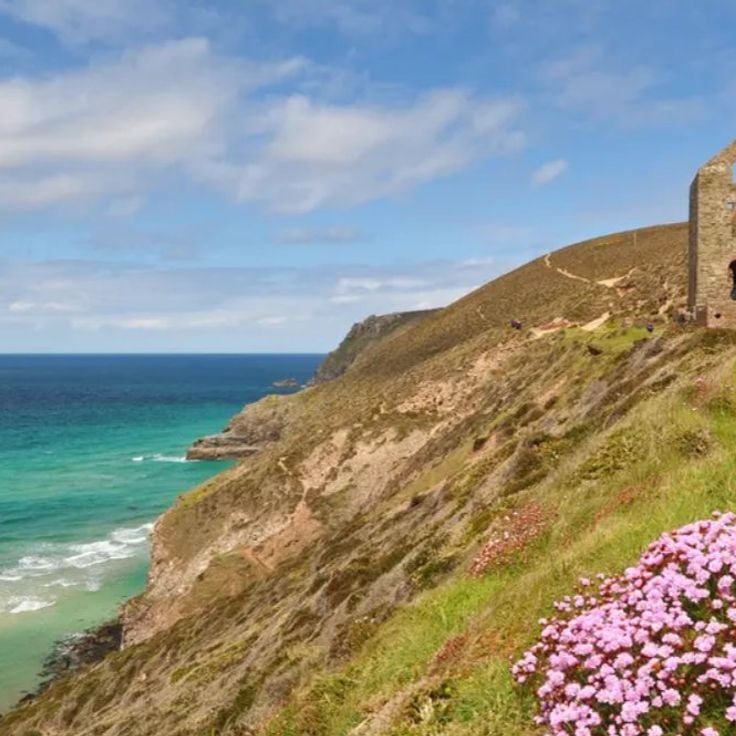
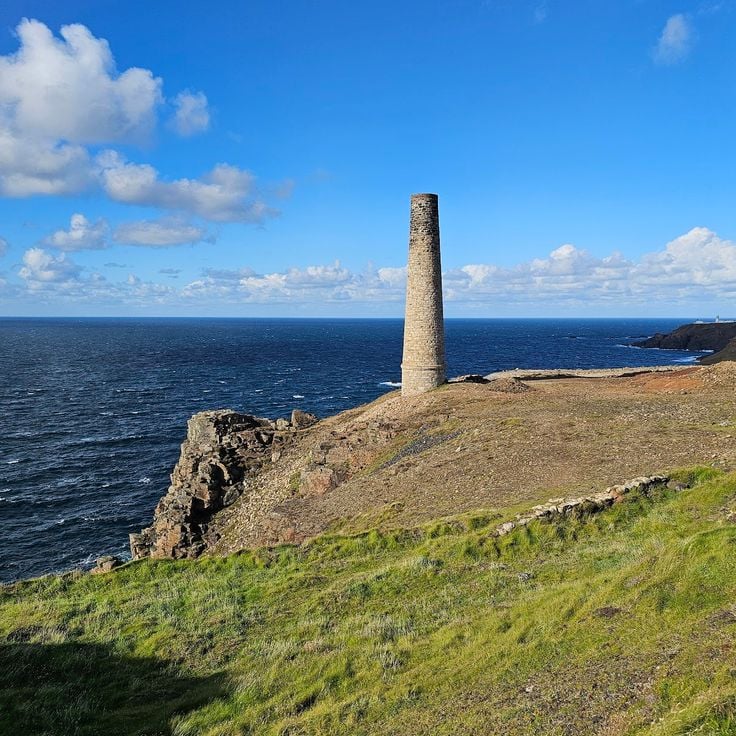
Wheal Coates is an old tin mine whose ruins sit on a cliff near St Agnes. The remains of the buildings and engine house stand on the rocky edge overlooking the sea. From this location, visitors can see the ocean and the coastline stretching along the shore. The mine is a reminder of when Cornwall's economy depended on mining. Today, the ruins attract people interested in learning about the region's industrial past.
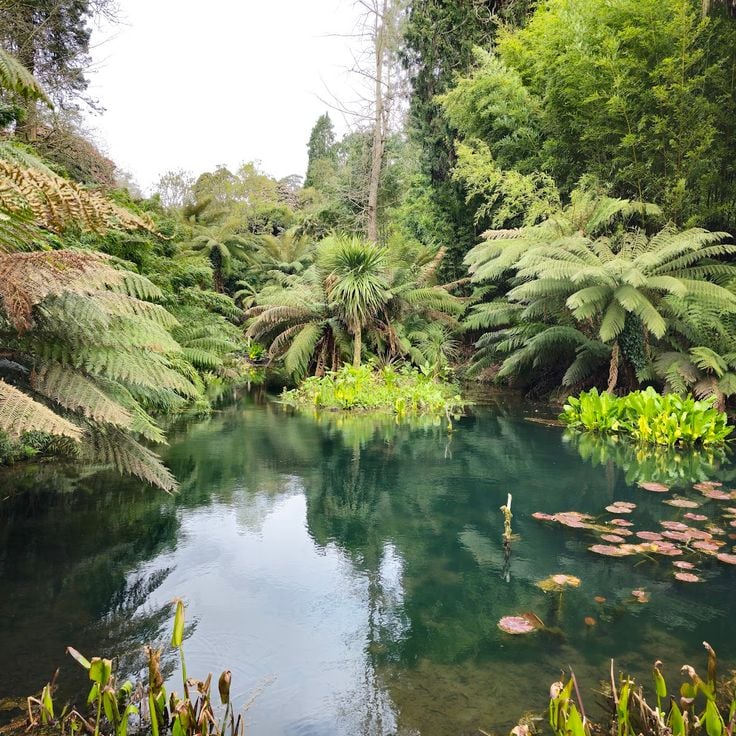
Trebah Garden sits within Cornwall and demonstrates how the mild climate of this southwestern peninsula allows gardens to flourish with exotic plants. The garden features winding paths that lead through bamboo groves and reveal collections of plants from around the world. This place embodies the character of Cornish gardens, where tropical and subtropical species thrive, setting the region apart from other parts of England.
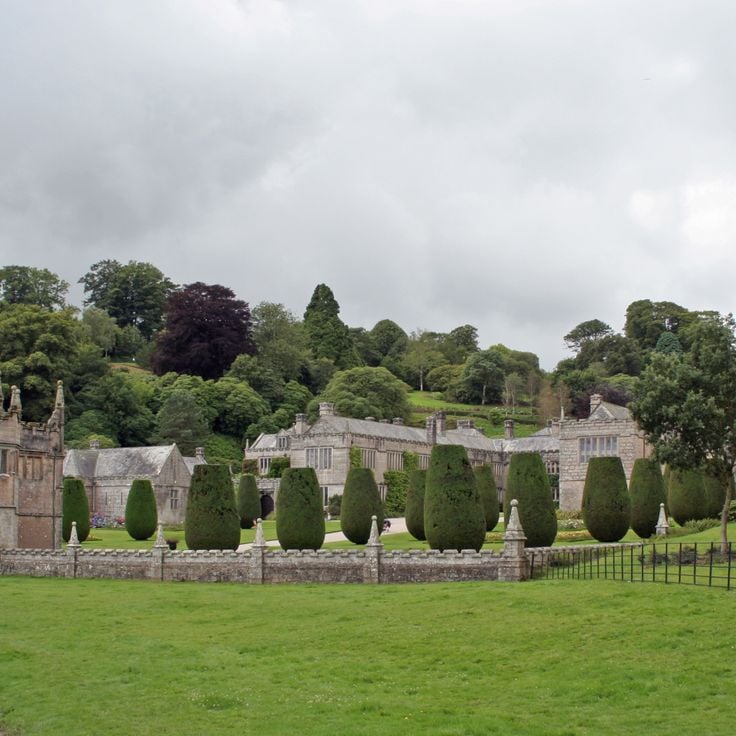
Lanhydrock House and Gardens is a Victorian mansion located near Bodmin, showcasing how a wealthy family lived during that era. The rooms display their daily routines and the comfort their wealth afforded them. The formal gardens surrounding the house follow geometric patterns and invite exploration across different sections. Managed by the National Trust, the estate offers insight into Victorian life and the region's past. Visitors can walk through the rooms, stroll through the garden areas, and understand how people of this period lived and worked.
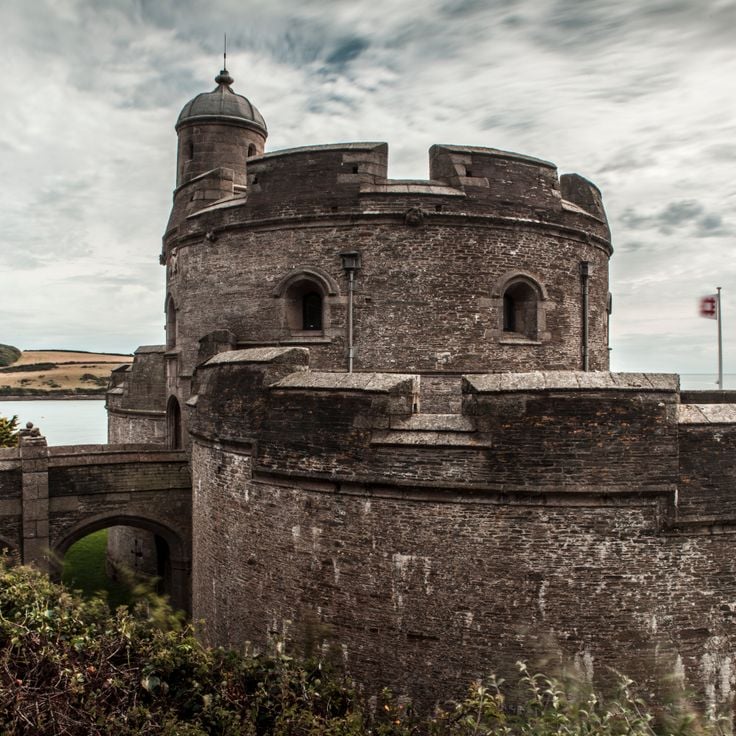
St Mawes Castle is a 16th-century fortress that sits on the Cornwall coast. King Henry VIII had this structure built to defend the coastline from attack. The castle features a distinctive round shape and thick walls that survive today. From here, visitors can observe the water and explore how this defensive outpost functioned. Inside are rooms that reveal how soldiers once lived and kept watch in this location.
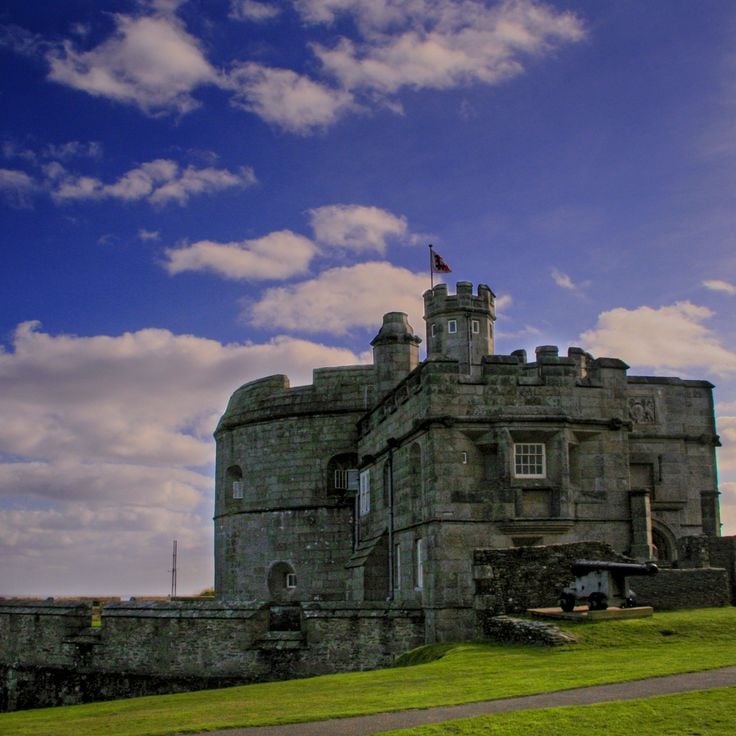
Pendennis Castle is a Tudor fortress that overlooks Falmouth from its position on the cliffs. Built in the 1500s to defend the coast, this castle has sturdy walls that still stand today. Visitors walk through rooms that show how soldiers once lived here and defended the harbor below. The ramparts offer views across the water to the town and beyond. A museum inside tells the story of the castle's role in protecting this busy port, and cannons still point toward the sea as they have for centuries.
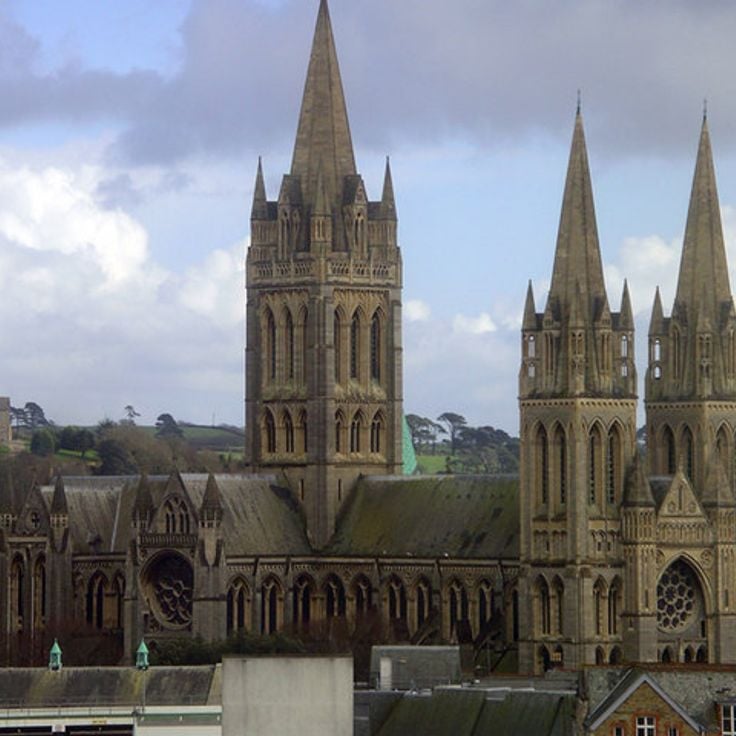
Truro Cathedral is a 19th-century Gothic Revival church that stands at the heart of the city. Its architecture displays the classic features of the Gothic Revival style with tall pointed arches, elaborate stone facades, and impressive towers. Built on the site of an earlier place of worship, the cathedral has served as the spiritual center of the region since its completion. Visitors will find richly decorated interior spaces, detailed stained glass windows, and distinctive acoustics. Truro Cathedral plays an important role in Cornwall's religious life and draws visitors interested in architecture and history.
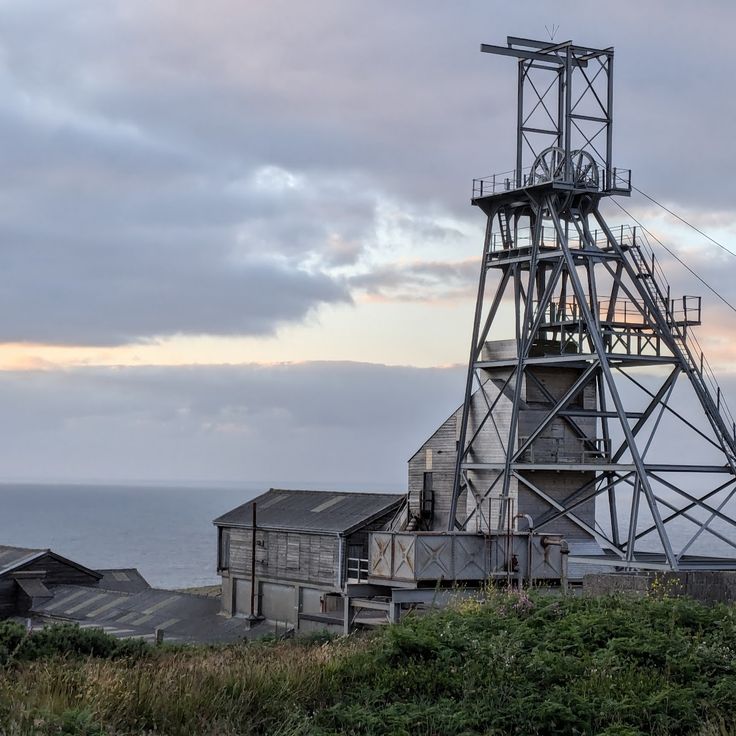
Geevor Tin Mine is a working mine visitors can explore in Pendeen, offering insight into the historical mining practices that shaped Cornwall. You can descend underground and see the equipment and conditions miners faced during their work. The site displays the tools and techniques used across generations. The mine's history reflects the economic importance of tin extraction to the region and how it influenced local communities and the landscape.
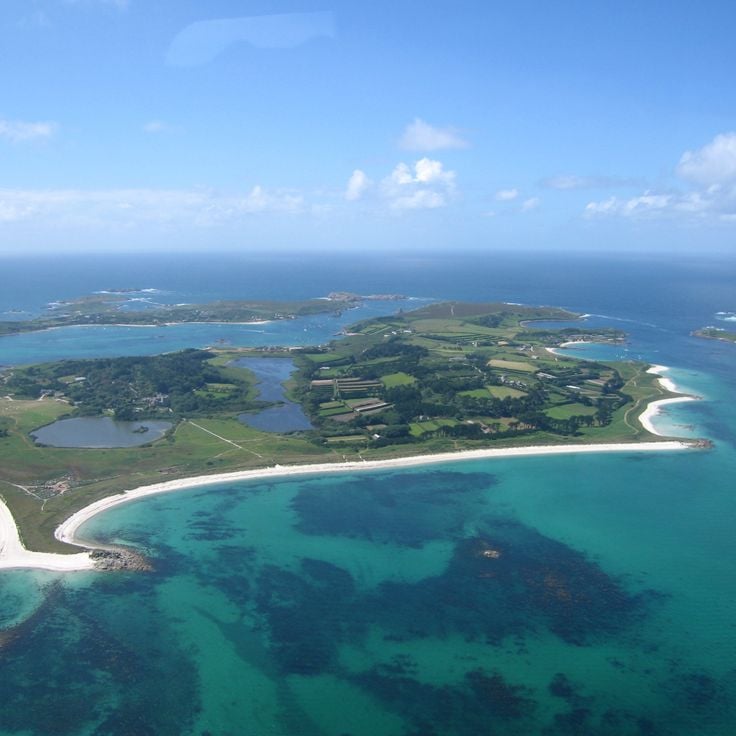
Tresco is one of the Isles of Scilly, reached by boat from Penzance. This island offers sandy beaches and wildlife that draw visitors throughout the year. The landscape includes quiet coves, coastal paths, and a garden filled with exotic plants that thrive in the mild climate. Life on Tresco follows the rhythm of the sea and the seasons.
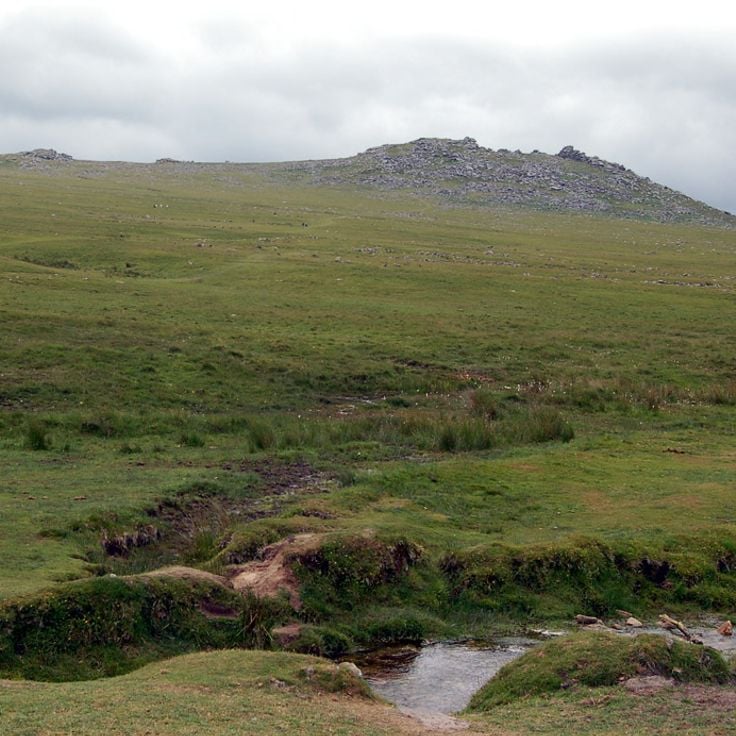
Bodmin Moor is a wild heathland in central Cornwall with rocky peaks and walking trails. This moor shapes the interior of the region with its open spaces and stone formations, offering a contrast to the coastal villages and beaches. The moorland provides hiking and exploration opportunities away from the tourist routes along the coast.
Levant Mine in St Just tells the story of mining in southwest Cornwall. The site features a well-preserved beam engine that once pumped water from the mine shafts. Visitors can explore the remains and learn how this industry shaped the region. The engine itself is impressive in size and engineering. At this place, you understand how tin and copper mining became central to Cornwall's identity. The museum shares stories of the men who worked deep underground and the difficult conditions they faced.
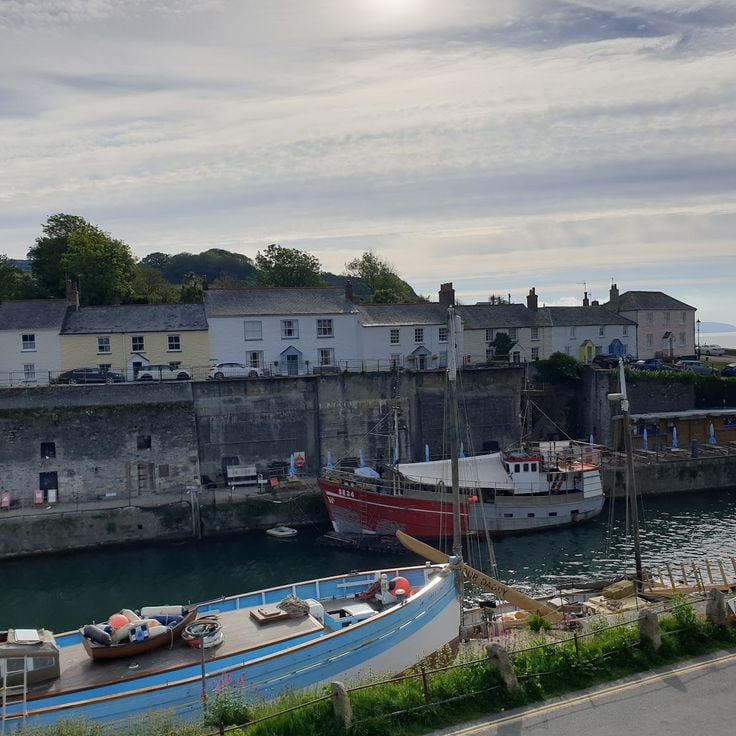
Charlestown Harbour is a 18th-century port set in a natural cove along the Cornish coast. Its stone warehouses and narrow streets preserve the look of a working harbor from centuries past. The harbor has served as a filming location for numerous films and television productions, attracting visitors interested in cinema and history. Small boats fill the water, and the surrounding buildings show how people lived and worked here over the generations. Walking through the harbor, you see cobblestone paths, period architecture, and the daily rhythm of a still-active fishing and tourist port.
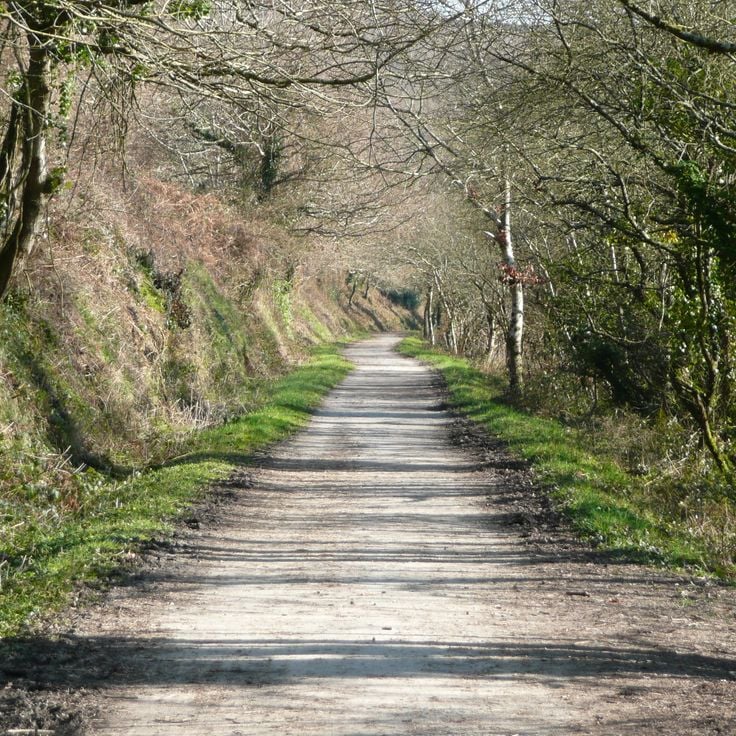
The Camel Trail is a cycling path that runs through the Camel River valley from Padstow to Bodmin. This route passes through Cornwall's countryside and connects several towns, including Wadebridge. The trail follows a former railway line and offers a flat, easy-to-ride path. Fields, woodlands, and meadows line both sides of the route. It is popular with cyclists and walkers who want to experience rural Cornwall away from the coast.
Jamaica Inn sits on Bodmin Moor in Cornwall as a historic public house connected to the region's smuggling past. Built in the 18th century, the building retains its traditional character. Smugglers once used the inn as a stopping point during their nighttime journeys across the moorland. Today visitors can eat and drink here while learning about this colorful chapter of local history. The inn stands on open moorland far from other settlements, offering insight into the lives of people who shaped this harsh landscape.
St Michael's Mount is an island and castle accessible by foot at low tide or by boat. The castle sits on a rocky outcrop off the coast of Marazion and is one of Cornwall's most recognizable landmarks. The structure dates back to the medieval period and has been modified many times. Walking to the island when the tide is out offers a unique experience, and the views across the bay are wide. Visitors explore the castle rooms, the terraced gardens, and the chapel inside.
St Ives is a coastal town on the north coast of Cornwall where artists have made their home for generations. The place combines a working fishing harbor with wide sandy beaches and narrow stone passages that wind between old buildings. Galleries and art studios share space with cafes, restaurants, and shops that shape daily life. The beaches offer room for swimming and surfing, while the harbor comes alive with fishing boats in the morning and evening. The light here has long drawn painters and creators who have chosen to settle in the town.
This castle sits on a dramatic clifftop and is closely linked to the legends of King Arthur. The ruins stand on the north coast of the Cornish peninsula and offer views across the sea and the jagged coastline. The site draws visitors interested in medieval history and Arthurian tales.
Penzance is a seaside town at the southwest tip of England and serves as a gateway to explore Cornwall's natural treasures and historic sites. The town features a seafront promenade where locals and visitors take walks with views across the sea. From here you can easily reach the beaches of the region, fishing villages like Mousehole, and the castles that stand on the cliffs. The town itself has a working harbor where you can observe daily maritime activity.
The Eden Project occupies a former quarry and contains two large domes filled with plants from around the world. The transparent structures let visitors see thousands of plant species arranged to recreate tropical rainforests and Mediterranean habitats. Walking through the site feels like moving between different climates without leaving Cornwall. The project sits in the landscape where mining once dominated, and today it draws visitors interested in plants, nature, and how environments work.
Polperro is a fishing village tucked into a valley on Cornwall's south coast. Narrow lanes wind down to a small harbor where boats bob gently in the water. Stone cottages and old buildings cluster together along the streets and waterfront. The village has the feel of a place where life moves slowly. Visitors walk through winding alleys, past local shops and restaurants, and down to the harbor where they can watch the sea or sit and watch fishing boats come and go. The setting is sheltered and quiet, protected by the surrounding hills.
Padstow is a busy harbor town on Cornwall's coast, known for its restaurants and coastal walks. The town sits in a sheltered bay where fishing boats and sailboats anchor throughout the year. The waterfront is lined with cafes and shops that draw visitors to linger and explore. Walking paths lead along the rocky shoreline, passing cliffs and small coves where the landscape feels raw and genuine. Padstow remains an active fishing port with a strong connection to the sea, and its waterfront comes alive with locals and travelers moving between boats, shops, and restaurants.
The Tate St Ives is an art museum located in this artistic coastal town at the southwestern tip of England. The museum displays modern and contemporary artworks and benefits from its position overlooking the beaches and sea of St Ives. The town attracted artists over time and developed into a place where galleries sit alongside shops and waterfront restaurants. The museum fits into the story of this region, shaped by its coastline, its former mining history, and its mild climate.
Land's End is the southwestern tip of mainland England where two seas meet and the cliffs drop straight into the water. Visitors come here to experience the feeling of standing at the edge of England. The views stretch across the ocean and on clear days you can see far into the distance. This point has been important in people's minds for centuries and marks the symbolic end or beginning of a journey through Britain.
Fowey sits in a sheltered estuary on Cornwall's south coast. This historic port town was once home to smugglers and pirates. Today it is known for its literary connections, especially through author Daphne du Maurier, who lived here for many years. The town rises steeply from the water, with narrow streets and Georgian buildings tucked among the trees. The harbor stays busy with fishing boats and sailboats. From almost everywhere in town, you can see water and green hills beyond. Its position at the mouth of the Fowey River makes it a natural anchor point for visitors exploring the region.
Newquay is Cornwall's surfing capital, home to several beaches where surfers of all levels come to ride the waves. The town sits on cliffs overlooking Fistral Beach and other popular spots. Along the waterfront and main streets, you find cafes, restaurants, and shops catering to visitors and locals. The harbor has working boats and fishing vessels, giving a sense of the area's maritime life. Summer brings crowds of young travelers drawn by the beach culture and outdoor activities. The town has a laid-back vibe mixed with the energy of a working coastal community.
The Minack Theatre is an open-air theater carved into the cliffs of Porthcurno, overlooking the Atlantic Ocean. Built in the 1930s by an artist who hand-dug the site herself, it remains one of Cornwall's most unusual cultural venues. Performances take place with the sea as a backdrop, with audiences sitting on stone benches built directly into the rock. This theater shows how a single person's vision can transform a natural landscape into a place for live performance and community gathering.
St Agnes is a coastal village at the southwestern tip of England that tells the story of Cornwall's mining past. The village sits on cliffs above the sea and displays the remains of old tin and copper mines that once drove the region's economy. The landscape here feels like a window into earlier Cornwall, with rough coastal paths, fields, and the rhythm of a place slowly moving beyond its industrial past. Artists and visitors appreciate the quiet location and the views across the Atlantic.
Falmouth is a lively port town on Cornwall's southern coast. The town offers wide beaches, long coastal walks, and the feel of a seaside resort with a deep maritime history. The working harbor remains central to local life and character. Visitors find a mix of fishing heritage, shops, restaurants, and museums. The waterfront location makes Falmouth a natural gathering place where people walk, swim, and watch the activity of the port.
Bedruthan Steps are tall sea cliffs along the Cornish coast where large rock stacks become accessible at low tide. The ocean has carved these stone pillars into unusual shapes over thousands of years. Visitors can walk among the formations when the tide goes out, observing how the sea continues to reshape this stretch of coastline. The site demonstrates the natural forces that have always defined Cornwall's rocky shores.
St Mawes is a refined coastal village located on the Roseland Peninsula with views across the bay. Houses cluster around the harbor, where fishing boats and private sailboats rest at anchor. The village draws visitors who enjoy long walks by the water and the quieter pace of life here. A castle built in the 16th century overlooks the bay. Shops, restaurants, and galleries line the narrow streets. St Mawes sits across the water from the busier town of Falmouth, offering a gentler alternative for those seeking a smaller scale of coastal living. The village serves as a gateway to exploring the Roseland Peninsula's quiet coves and walking paths.
Sennen Cove is a beach where surfers and swimmers gather throughout the year. The waves here arrive regularly, creating conditions that draw water sports enthusiasts. The beach sits at the tip of Cornwall and faces out toward the Atlantic. The sweep of sand is watched over by lifeguards in summer months. Local shops and cafes line the nearby street, serving the steady flow of visitors who come for the water and the views.
Port Isaac is a fishing village on the north coast of Cornwall. The village sits tucked into a narrow cove, where traditional stone houses cluster tightly together. The harbor remains working, with fishing boats moored in the water. Narrow lanes climb upward from the shore, and signs of its long fishing heritage are visible throughout. The village draws visitors who come to experience what a traditional Cornish fishing community looks like.
Looe is a coastal town in Cornwall split between East Looe and West Looe, divided by a river that flows to the sea. The town centers around a sandy beach backed by houses, cafes, and small shops that face the water. The harbor remains busy with fishing boats, and the riverfront offers walks and views of the estuary. Rocky headlands frame the sandy bay. The place keeps the feel of a working fishing village where daily life continues alongside tourism. Families come for the beach and the calm waters of the bay.
Mousehole is a small fishing village on the Cornish coast near Penzance. The village sits in a sheltered cove and is lined with colorful houses that cling to steep hillsides. Narrow lanes slope down to the harbor, where fishing boats are moored and the rhythm of daily life follows the sea. The village retains its traditional character and offers a sense of what life has been like for fishing communities along this coast.
Kynance Cove is a beach on Cornwall's south coast with golden sand, tall rocks, and clear water. It sits on the Lizard Peninsula, one of England's most southerly points. High cliffs frame the beach and provide shelter. When the tide goes out, more sand appears and caves open up in the rock faces. The water is cold, but refreshing on warm days. Swimmers and explorers come here to see the raw coastal landscape that shapes Cornwall.
Porthleven Harbour is an active fishing port on Cornwall's coast. Small boats sit in the water, and waterfront promenades invite walks along the shore. The village keeps the character of how fishing communities work: simple buildings, restaurants with sea views, and people whose livelihoods come from the water. The harbour is a place where you can see the everyday life of the region, not just as a visitor passing through but as someone watching how Cornwall really functions.
The Lizard Lighthouse stands at the southernmost point of Great Britain, marking the tip of the Cornish peninsula. The light from this beacon has guided ships through treacherous waters for centuries, while dramatic cliffs plunge into the sea below. This location embodies the maritime character of Cornwall and offers visitors a place to witness the raw power of this southern coastline.
Porthcurno Beach is a sandy beach on the southwestern coast of Cornwall, framed by tall rocky cliffs. The water is clear and the sand is fine, making it a popular spot for swimming and sunbathing. Nearby sits the Minack Theatre, carved into the rock and facing the ocean, which adds to the dramatic character of the location.
Perranporth Beach is a long sandy stretch on the north coast of Cornwall. The beach extends for several kilometers and offers plenty of space for swimmers and water sports enthusiasts. The water is quite cold, but on nice days the beach attracts many visitors. Behind the sand lie dunes and rocks that give the beach its character. The spot has become popular with surfers because the waves are consistent and strong. Small shops and restaurants are nearby and provide what you need for a day at the beach.
Glendurgan Garden sits in a wooded valley where plants from around the world grow in the mild Cornish climate. The garden was created in the 19th century and features water features, specimen trees, and a hedge maze. Paths wind through different areas, each with its own character. The sheltered location near the coast allows tender plants to flourish here. This garden is part of Cornwall's tradition of collecting and growing rare plants, a practice that began when traders and travelers brought seeds and specimens back from distant lands.
The Helford River is an estuary in southeastern Cornwall that winds through green countryside and opens into a wide bay. The water here is calm and suitable for kayaking. Walking paths run along the banks, passing through woodlands and open fields. Small villages sit scattered on the shores. This river shows a quieter side of Cornwall, away from the dramatic cliffs. It is a place where nature feels undisturbed and where you can watch birds and wildlife going about their daily lives.
Fistral Beach near Newquay is known among surfers for its reliable waves and consistent swells. Several surf schools operate here, offering lessons to beginners and intermediate surfers. The beach itself has a golden sandy expanse that widens at low tide. Along the shore you'll find cafés, shops, and rental facilities catering to the surfing community. Beyond the water, the beach draws walkers and families who come to watch the action or enjoy the coastal setting.
The South West Coast Path is one of England's most traveled walking routes, following the coastal landscape of Cornwall for hundreds of kilometers. The trail passes sandy beaches, rocky headlands, and tall cliffs while connecting villages like Mousehole and leading near castles such as Tintagel and St Michael's Mount. Along the way, walkers encounter ports like Falmouth and Penzance, relics of old tin and copper mines, and gardens that flourish in the mild climate. In towns like St Ives, art galleries stand beside shops and waterfront restaurants. The path weaves through forests and moorlands inland, offering views of how the ocean has shaped both the landscape and the people who live here.
Godrevy Head is a lighthouse perched on a cliff at the edge of Cornwall's coast. The tower stands on rocky ground where cliffs drop steeply to the sea. Dunes roll behind the lighthouse, creating a landscape shaped by wind and salt spray. Walking paths run along the cliff edge, offering views across the water to distant headlands. The site draws walkers and visitors who come to experience the raw quality of the coastline. This place holds a particular place in the memory of those who explore Cornwall's southern shore.
The Tremenheere Sculpture Gardens in Heamoor combine plants and artistic installations in a modern garden setting. This place shows how Cornwall's mild climate allows rare plants from around the world to grow here. Visitors walk among sculptures spread throughout the landscape and experience how nature and contemporary art connect. The gardens use the region's gentle weather to create abundant plant life that frames the artworks.
Gwithian Towans is a natural dune system and beach on Cornwall's north coast. The shifting sands and coastal vegetation show how the ocean shapes the landscape over time. This stretch offers space to walk and explore, with wide sandy shores backed by dunes that protect the land from the sea. The area reflects the raw natural character of the region, shaped by its maritime heritage and the constant work of wind and water.
These gardens at Mevagissey are part of Cornwall's varied landscape and demonstrate how the region's mild coastal climate allows rare plants from around the world to flourish. The gardens were restored after a long period of neglect and today reveal their historical structures with vintage glasshouses and extensive botanical collections. Visitors can walk through different areas and see how this place maintains its horticultural heritage.
St Anthony Head Lighthouse sits on a promontory on the Roseland Peninsula and overlooks Falmouth Bay. This beacon is part of the maritime history of the Cornish coast, where ships have passed for centuries. From this point you can see the coastline shift between sandy beaches and rocky cliffs, as well as vessels entering the busy port of Falmouth. The headland shows the rugged nature of this southwestern tip of England, shaped by the sea.
The National Maritime Museum Cornwall in Falmouth presents the history of seafaring and coastal life in this region. Located in a harbor that has been important to ships and trade for centuries, the museum shows visitors the lives of fishermen who set out daily, merchant ships that traveled the world, and people whose existence was tied to the sea. The collections reveal crafts, adventures, and everyday coastal living. The museum helps explain how the sea shaped Cornwall.
Wheal Coates is an old tin mine whose ruins sit on a cliff near St Agnes. The remains of the buildings and engine house stand on the rocky edge overlooking the sea. From this location, visitors can see the ocean and the coastline stretching along the shore. The mine is a reminder of when Cornwall's economy depended on mining. Today, the ruins attract people interested in learning about the region's industrial past.
Trebah Garden sits within Cornwall and demonstrates how the mild climate of this southwestern peninsula allows gardens to flourish with exotic plants. The garden features winding paths that lead through bamboo groves and reveal collections of plants from around the world. This place embodies the character of Cornish gardens, where tropical and subtropical species thrive, setting the region apart from other parts of England.
Lanhydrock House and Gardens is a Victorian mansion located near Bodmin, showcasing how a wealthy family lived during that era. The rooms display their daily routines and the comfort their wealth afforded them. The formal gardens surrounding the house follow geometric patterns and invite exploration across different sections. Managed by the National Trust, the estate offers insight into Victorian life and the region's past. Visitors can walk through the rooms, stroll through the garden areas, and understand how people of this period lived and worked.
St Mawes Castle is a 16th-century fortress that sits on the Cornwall coast. King Henry VIII had this structure built to defend the coastline from attack. The castle features a distinctive round shape and thick walls that survive today. From here, visitors can observe the water and explore how this defensive outpost functioned. Inside are rooms that reveal how soldiers once lived and kept watch in this location.
Pendennis Castle is a Tudor fortress that overlooks Falmouth from its position on the cliffs. Built in the 1500s to defend the coast, this castle has sturdy walls that still stand today. Visitors walk through rooms that show how soldiers once lived here and defended the harbor below. The ramparts offer views across the water to the town and beyond. A museum inside tells the story of the castle's role in protecting this busy port, and cannons still point toward the sea as they have for centuries.
Truro Cathedral is a 19th-century Gothic Revival church that stands at the heart of the city. Its architecture displays the classic features of the Gothic Revival style with tall pointed arches, elaborate stone facades, and impressive towers. Built on the site of an earlier place of worship, the cathedral has served as the spiritual center of the region since its completion. Visitors will find richly decorated interior spaces, detailed stained glass windows, and distinctive acoustics. Truro Cathedral plays an important role in Cornwall's religious life and draws visitors interested in architecture and history.
Geevor Tin Mine is a working mine visitors can explore in Pendeen, offering insight into the historical mining practices that shaped Cornwall. You can descend underground and see the equipment and conditions miners faced during their work. The site displays the tools and techniques used across generations. The mine's history reflects the economic importance of tin extraction to the region and how it influenced local communities and the landscape.
Tresco is one of the Isles of Scilly, reached by boat from Penzance. This island offers sandy beaches and wildlife that draw visitors throughout the year. The landscape includes quiet coves, coastal paths, and a garden filled with exotic plants that thrive in the mild climate. Life on Tresco follows the rhythm of the sea and the seasons.
Bodmin Moor is a wild heathland in central Cornwall with rocky peaks and walking trails. This moor shapes the interior of the region with its open spaces and stone formations, offering a contrast to the coastal villages and beaches. The moorland provides hiking and exploration opportunities away from the tourist routes along the coast.
Levant Mine in St Just tells the story of mining in southwest Cornwall. The site features a well-preserved beam engine that once pumped water from the mine shafts. Visitors can explore the remains and learn how this industry shaped the region. The engine itself is impressive in size and engineering. At this place, you understand how tin and copper mining became central to Cornwall's identity. The museum shares stories of the men who worked deep underground and the difficult conditions they faced.
Charlestown Harbour is a 18th-century port set in a natural cove along the Cornish coast. Its stone warehouses and narrow streets preserve the look of a working harbor from centuries past. The harbor has served as a filming location for numerous films and television productions, attracting visitors interested in cinema and history. Small boats fill the water, and the surrounding buildings show how people lived and worked here over the generations. Walking through the harbor, you see cobblestone paths, period architecture, and the daily rhythm of a still-active fishing and tourist port.
The Camel Trail is a cycling path that runs through the Camel River valley from Padstow to Bodmin. This route passes through Cornwall's countryside and connects several towns, including Wadebridge. The trail follows a former railway line and offers a flat, easy-to-ride path. Fields, woodlands, and meadows line both sides of the route. It is popular with cyclists and walkers who want to experience rural Cornwall away from the coast.
Jamaica Inn sits on Bodmin Moor in Cornwall as a historic public house connected to the region's smuggling past. Built in the 18th century, the building retains its traditional character. Smugglers once used the inn as a stopping point during their nighttime journeys across the moorland. Today visitors can eat and drink here while learning about this colorful chapter of local history. The inn stands on open moorland far from other settlements, offering insight into the lives of people who shaped this harsh landscape.
St Michael's Mount is an island and castle accessible by foot at low tide or by boat. The castle sits on a rocky outcrop off the coast of Marazion and is one of Cornwall's most recognizable landmarks. The structure dates back to the medieval period and has been modified many times. Walking to the island when the tide is out offers a unique experience, and the views across the bay are wide. Visitors explore the castle rooms, the terraced gardens, and the chapel inside.
St Ives is a coastal town on the north coast of Cornwall where artists have made their home for generations. The place combines a working fishing harbor with wide sandy beaches and narrow stone passages that wind between old buildings. Galleries and art studios share space with cafes, restaurants, and shops that shape daily life. The beaches offer room for swimming and surfing, while the harbor comes alive with fishing boats in the morning and evening. The light here has long drawn painters and creators who have chosen to settle in the town.
This castle sits on a dramatic clifftop and is closely linked to the legends of King Arthur. The ruins stand on the north coast of the Cornish peninsula and offer views across the sea and the jagged coastline. The site draws visitors interested in medieval history and Arthurian tales.
Penzance is a seaside town at the southwest tip of England and serves as a gateway to explore Cornwall's natural treasures and historic sites. The town features a seafront promenade where locals and visitors take walks with views across the sea. From here you can easily reach the beaches of the region, fishing villages like Mousehole, and the castles that stand on the cliffs. The town itself has a working harbor where you can observe daily maritime activity.
The Eden Project occupies a former quarry and contains two large domes filled with plants from around the world. The transparent structures let visitors see thousands of plant species arranged to recreate tropical rainforests and Mediterranean habitats. Walking through the site feels like moving between different climates without leaving Cornwall. The project sits in the landscape where mining once dominated, and today it draws visitors interested in plants, nature, and how environments work.
Polperro is a fishing village tucked into a valley on Cornwall's south coast. Narrow lanes wind down to a small harbor where boats bob gently in the water. Stone cottages and old buildings cluster together along the streets and waterfront. The village has the feel of a place where life moves slowly. Visitors walk through winding alleys, past local shops and restaurants, and down to the harbor where they can watch the sea or sit and watch fishing boats come and go. The setting is sheltered and quiet, protected by the surrounding hills.
Padstow is a busy harbor town on Cornwall's coast, known for its restaurants and coastal walks. The town sits in a sheltered bay where fishing boats and sailboats anchor throughout the year. The waterfront is lined with cafes and shops that draw visitors to linger and explore. Walking paths lead along the rocky shoreline, passing cliffs and small coves where the landscape feels raw and genuine. Padstow remains an active fishing port with a strong connection to the sea, and its waterfront comes alive with locals and travelers moving between boats, shops, and restaurants.
The Tate St Ives is an art museum located in this artistic coastal town at the southwestern tip of England. The museum displays modern and contemporary artworks and benefits from its position overlooking the beaches and sea of St Ives. The town attracted artists over time and developed into a place where galleries sit alongside shops and waterfront restaurants. The museum fits into the story of this region, shaped by its coastline, its former mining history, and its mild climate.
Land's End is the southwestern tip of mainland England where two seas meet and the cliffs drop straight into the water. Visitors come here to experience the feeling of standing at the edge of England. The views stretch across the ocean and on clear days you can see far into the distance. This point has been important in people's minds for centuries and marks the symbolic end or beginning of a journey through Britain.
Fowey sits in a sheltered estuary on Cornwall's south coast. This historic port town was once home to smugglers and pirates. Today it is known for its literary connections, especially through author Daphne du Maurier, who lived here for many years. The town rises steeply from the water, with narrow streets and Georgian buildings tucked among the trees. The harbor stays busy with fishing boats and sailboats. From almost everywhere in town, you can see water and green hills beyond. Its position at the mouth of the Fowey River makes it a natural anchor point for visitors exploring the region.
Newquay is Cornwall's surfing capital, home to several beaches where surfers of all levels come to ride the waves. The town sits on cliffs overlooking Fistral Beach and other popular spots. Along the waterfront and main streets, you find cafes, restaurants, and shops catering to visitors and locals. The harbor has working boats and fishing vessels, giving a sense of the area's maritime life. Summer brings crowds of young travelers drawn by the beach culture and outdoor activities. The town has a laid-back vibe mixed with the energy of a working coastal community.
The Minack Theatre is an open-air theater carved into the cliffs of Porthcurno, overlooking the Atlantic Ocean. Built in the 1930s by an artist who hand-dug the site herself, it remains one of Cornwall's most unusual cultural venues. Performances take place with the sea as a backdrop, with audiences sitting on stone benches built directly into the rock. This theater shows how a single person's vision can transform a natural landscape into a place for live performance and community gathering.
St Agnes is a coastal village at the southwestern tip of England that tells the story of Cornwall's mining past. The village sits on cliffs above the sea and displays the remains of old tin and copper mines that once drove the region's economy. The landscape here feels like a window into earlier Cornwall, with rough coastal paths, fields, and the rhythm of a place slowly moving beyond its industrial past. Artists and visitors appreciate the quiet location and the views across the Atlantic.
Falmouth is a lively port town on Cornwall's southern coast. The town offers wide beaches, long coastal walks, and the feel of a seaside resort with a deep maritime history. The working harbor remains central to local life and character. Visitors find a mix of fishing heritage, shops, restaurants, and museums. The waterfront location makes Falmouth a natural gathering place where people walk, swim, and watch the activity of the port.
Bedruthan Steps are tall sea cliffs along the Cornish coast where large rock stacks become accessible at low tide. The ocean has carved these stone pillars into unusual shapes over thousands of years. Visitors can walk among the formations when the tide goes out, observing how the sea continues to reshape this stretch of coastline. The site demonstrates the natural forces that have always defined Cornwall's rocky shores.
St Mawes is a refined coastal village located on the Roseland Peninsula with views across the bay. Houses cluster around the harbor, where fishing boats and private sailboats rest at anchor. The village draws visitors who enjoy long walks by the water and the quieter pace of life here. A castle built in the 16th century overlooks the bay. Shops, restaurants, and galleries line the narrow streets. St Mawes sits across the water from the busier town of Falmouth, offering a gentler alternative for those seeking a smaller scale of coastal living. The village serves as a gateway to exploring the Roseland Peninsula's quiet coves and walking paths.
Sennen Cove is a beach where surfers and swimmers gather throughout the year. The waves here arrive regularly, creating conditions that draw water sports enthusiasts. The beach sits at the tip of Cornwall and faces out toward the Atlantic. The sweep of sand is watched over by lifeguards in summer months. Local shops and cafes line the nearby street, serving the steady flow of visitors who come for the water and the views.
Port Isaac is a fishing village on the north coast of Cornwall. The village sits tucked into a narrow cove, where traditional stone houses cluster tightly together. The harbor remains working, with fishing boats moored in the water. Narrow lanes climb upward from the shore, and signs of its long fishing heritage are visible throughout. The village draws visitors who come to experience what a traditional Cornish fishing community looks like.
Looe is a coastal town in Cornwall split between East Looe and West Looe, divided by a river that flows to the sea. The town centers around a sandy beach backed by houses, cafes, and small shops that face the water. The harbor remains busy with fishing boats, and the riverfront offers walks and views of the estuary. Rocky headlands frame the sandy bay. The place keeps the feel of a working fishing village where daily life continues alongside tourism. Families come for the beach and the calm waters of the bay.
Mousehole is a small fishing village on the Cornish coast near Penzance. The village sits in a sheltered cove and is lined with colorful houses that cling to steep hillsides. Narrow lanes slope down to the harbor, where fishing boats are moored and the rhythm of daily life follows the sea. The village retains its traditional character and offers a sense of what life has been like for fishing communities along this coast.
Kynance Cove is a beach on Cornwall's south coast with golden sand, tall rocks, and clear water. It sits on the Lizard Peninsula, one of England's most southerly points. High cliffs frame the beach and provide shelter. When the tide goes out, more sand appears and caves open up in the rock faces. The water is cold, but refreshing on warm days. Swimmers and explorers come here to see the raw coastal landscape that shapes Cornwall.
Porthleven Harbour is an active fishing port on Cornwall's coast. Small boats sit in the water, and waterfront promenades invite walks along the shore. The village keeps the character of how fishing communities work: simple buildings, restaurants with sea views, and people whose livelihoods come from the water. The harbour is a place where you can see the everyday life of the region, not just as a visitor passing through but as someone watching how Cornwall really functions.
The Lizard Lighthouse stands at the southernmost point of Great Britain, marking the tip of the Cornish peninsula. The light from this beacon has guided ships through treacherous waters for centuries, while dramatic cliffs plunge into the sea below. This location embodies the maritime character of Cornwall and offers visitors a place to witness the raw power of this southern coastline.
Porthcurno Beach is a sandy beach on the southwestern coast of Cornwall, framed by tall rocky cliffs. The water is clear and the sand is fine, making it a popular spot for swimming and sunbathing. Nearby sits the Minack Theatre, carved into the rock and facing the ocean, which adds to the dramatic character of the location.
Perranporth Beach is a long sandy stretch on the north coast of Cornwall. The beach extends for several kilometers and offers plenty of space for swimmers and water sports enthusiasts. The water is quite cold, but on nice days the beach attracts many visitors. Behind the sand lie dunes and rocks that give the beach its character. The spot has become popular with surfers because the waves are consistent and strong. Small shops and restaurants are nearby and provide what you need for a day at the beach.
Glendurgan Garden sits in a wooded valley where plants from around the world grow in the mild Cornish climate. The garden was created in the 19th century and features water features, specimen trees, and a hedge maze. Paths wind through different areas, each with its own character. The sheltered location near the coast allows tender plants to flourish here. This garden is part of Cornwall's tradition of collecting and growing rare plants, a practice that began when traders and travelers brought seeds and specimens back from distant lands.
The Helford River is an estuary in southeastern Cornwall that winds through green countryside and opens into a wide bay. The water here is calm and suitable for kayaking. Walking paths run along the banks, passing through woodlands and open fields. Small villages sit scattered on the shores. This river shows a quieter side of Cornwall, away from the dramatic cliffs. It is a place where nature feels undisturbed and where you can watch birds and wildlife going about their daily lives.
Fistral Beach near Newquay is known among surfers for its reliable waves and consistent swells. Several surf schools operate here, offering lessons to beginners and intermediate surfers. The beach itself has a golden sandy expanse that widens at low tide. Along the shore you'll find cafés, shops, and rental facilities catering to the surfing community. Beyond the water, the beach draws walkers and families who come to watch the action or enjoy the coastal setting.
The South West Coast Path is one of England's most traveled walking routes, following the coastal landscape of Cornwall for hundreds of kilometers. The trail passes sandy beaches, rocky headlands, and tall cliffs while connecting villages like Mousehole and leading near castles such as Tintagel and St Michael's Mount. Along the way, walkers encounter ports like Falmouth and Penzance, relics of old tin and copper mines, and gardens that flourish in the mild climate. In towns like St Ives, art galleries stand beside shops and waterfront restaurants. The path weaves through forests and moorlands inland, offering views of how the ocean has shaped both the landscape and the people who live here.
Godrevy Head is a lighthouse perched on a cliff at the edge of Cornwall's coast. The tower stands on rocky ground where cliffs drop steeply to the sea. Dunes roll behind the lighthouse, creating a landscape shaped by wind and salt spray. Walking paths run along the cliff edge, offering views across the water to distant headlands. The site draws walkers and visitors who come to experience the raw quality of the coastline. This place holds a particular place in the memory of those who explore Cornwall's southern shore.
The Tremenheere Sculpture Gardens in Heamoor combine plants and artistic installations in a modern garden setting. This place shows how Cornwall's mild climate allows rare plants from around the world to grow here. Visitors walk among sculptures spread throughout the landscape and experience how nature and contemporary art connect. The gardens use the region's gentle weather to create abundant plant life that frames the artworks.
Gwithian Towans is a natural dune system and beach on Cornwall's north coast. The shifting sands and coastal vegetation show how the ocean shapes the landscape over time. This stretch offers space to walk and explore, with wide sandy shores backed by dunes that protect the land from the sea. The area reflects the raw natural character of the region, shaped by its maritime heritage and the constant work of wind and water.
These gardens at Mevagissey are part of Cornwall's varied landscape and demonstrate how the region's mild coastal climate allows rare plants from around the world to flourish. The gardens were restored after a long period of neglect and today reveal their historical structures with vintage glasshouses and extensive botanical collections. Visitors can walk through different areas and see how this place maintains its horticultural heritage.
St Anthony Head Lighthouse sits on a promontory on the Roseland Peninsula and overlooks Falmouth Bay. This beacon is part of the maritime history of the Cornish coast, where ships have passed for centuries. From this point you can see the coastline shift between sandy beaches and rocky cliffs, as well as vessels entering the busy port of Falmouth. The headland shows the rugged nature of this southwestern tip of England, shaped by the sea.
The National Maritime Museum Cornwall in Falmouth presents the history of seafaring and coastal life in this region. Located in a harbor that has been important to ships and trade for centuries, the museum shows visitors the lives of fishermen who set out daily, merchant ships that traveled the world, and people whose existence was tied to the sea. The collections reveal crafts, adventures, and everyday coastal living. The museum helps explain how the sea shaped Cornwall.
Wheal Coates is an old tin mine whose ruins sit on a cliff near St Agnes. The remains of the buildings and engine house stand on the rocky edge overlooking the sea. From this location, visitors can see the ocean and the coastline stretching along the shore. The mine is a reminder of when Cornwall's economy depended on mining. Today, the ruins attract people interested in learning about the region's industrial past.
Trebah Garden sits within Cornwall and demonstrates how the mild climate of this southwestern peninsula allows gardens to flourish with exotic plants. The garden features winding paths that lead through bamboo groves and reveal collections of plants from around the world. This place embodies the character of Cornish gardens, where tropical and subtropical species thrive, setting the region apart from other parts of England.
Lanhydrock House and Gardens is a Victorian mansion located near Bodmin, showcasing how a wealthy family lived during that era. The rooms display their daily routines and the comfort their wealth afforded them. The formal gardens surrounding the house follow geometric patterns and invite exploration across different sections. Managed by the National Trust, the estate offers insight into Victorian life and the region's past. Visitors can walk through the rooms, stroll through the garden areas, and understand how people of this period lived and worked.
St Mawes Castle is a 16th-century fortress that sits on the Cornwall coast. King Henry VIII had this structure built to defend the coastline from attack. The castle features a distinctive round shape and thick walls that survive today. From here, visitors can observe the water and explore how this defensive outpost functioned. Inside are rooms that reveal how soldiers once lived and kept watch in this location.
Pendennis Castle is a Tudor fortress that overlooks Falmouth from its position on the cliffs. Built in the 1500s to defend the coast, this castle has sturdy walls that still stand today. Visitors walk through rooms that show how soldiers once lived here and defended the harbor below. The ramparts offer views across the water to the town and beyond. A museum inside tells the story of the castle's role in protecting this busy port, and cannons still point toward the sea as they have for centuries.
Truro Cathedral is a 19th-century Gothic Revival church that stands at the heart of the city. Its architecture displays the classic features of the Gothic Revival style with tall pointed arches, elaborate stone facades, and impressive towers. Built on the site of an earlier place of worship, the cathedral has served as the spiritual center of the region since its completion. Visitors will find richly decorated interior spaces, detailed stained glass windows, and distinctive acoustics. Truro Cathedral plays an important role in Cornwall's religious life and draws visitors interested in architecture and history.
Geevor Tin Mine is a working mine visitors can explore in Pendeen, offering insight into the historical mining practices that shaped Cornwall. You can descend underground and see the equipment and conditions miners faced during their work. The site displays the tools and techniques used across generations. The mine's history reflects the economic importance of tin extraction to the region and how it influenced local communities and the landscape.
Tresco is one of the Isles of Scilly, reached by boat from Penzance. This island offers sandy beaches and wildlife that draw visitors throughout the year. The landscape includes quiet coves, coastal paths, and a garden filled with exotic plants that thrive in the mild climate. Life on Tresco follows the rhythm of the sea and the seasons.
Bodmin Moor is a wild heathland in central Cornwall with rocky peaks and walking trails. This moor shapes the interior of the region with its open spaces and stone formations, offering a contrast to the coastal villages and beaches. The moorland provides hiking and exploration opportunities away from the tourist routes along the coast.
Levant Mine in St Just tells the story of mining in southwest Cornwall. The site features a well-preserved beam engine that once pumped water from the mine shafts. Visitors can explore the remains and learn how this industry shaped the region. The engine itself is impressive in size and engineering. At this place, you understand how tin and copper mining became central to Cornwall's identity. The museum shares stories of the men who worked deep underground and the difficult conditions they faced.
Charlestown Harbour is a 18th-century port set in a natural cove along the Cornish coast. Its stone warehouses and narrow streets preserve the look of a working harbor from centuries past. The harbor has served as a filming location for numerous films and television productions, attracting visitors interested in cinema and history. Small boats fill the water, and the surrounding buildings show how people lived and worked here over the generations. Walking through the harbor, you see cobblestone paths, period architecture, and the daily rhythm of a still-active fishing and tourist port.
The Camel Trail is a cycling path that runs through the Camel River valley from Padstow to Bodmin. This route passes through Cornwall's countryside and connects several towns, including Wadebridge. The trail follows a former railway line and offers a flat, easy-to-ride path. Fields, woodlands, and meadows line both sides of the route. It is popular with cyclists and walkers who want to experience rural Cornwall away from the coast.
Jamaica Inn sits on Bodmin Moor in Cornwall as a historic public house connected to the region's smuggling past. Built in the 18th century, the building retains its traditional character. Smugglers once used the inn as a stopping point during their nighttime journeys across the moorland. Today visitors can eat and drink here while learning about this colorful chapter of local history. The inn stands on open moorland far from other settlements, offering insight into the lives of people who shaped this harsh landscape.