See the monuments around you in AROpen chests in the app
Around Us is built for your phone — point your camera at the streets and discover the monuments and places around you in augmented reality.Around Us is built for your phone — chests unlock when you walk, explore and capture nearby places.
Stone arches from centuries past stand alongside modern sculptures across South America, each telling stories of conquest, independence, and artistic vision.
South America holds a remarkable collection of monuments that span centuries of human history. These sites range from ancient ruins and colonial churches to modern sculptures and public squares. Walking through them, you encounter the stories of pre-Columbian kingdoms, Spanish colonizers, and contemporary artists who have left their mark on the continent.
Some of these places stand out for their historical importance or unusual locations. The Santa Catalina Arch in Antigua, Guatemala, dates back to the 1600s and once joined two convents together. In Porto Alegre, Brazil, the Public Market still functions as it did in the 1800s, bustling with daily commerce. The Hand in the Desert near Antofagasta, Chile, is a striking modern sculpture that emerges from the Atacama Desert's barren landscape. Near Quito, Ecuador, the Middle of the World Monument marks the equator's path, while in Lima, the Christ of the Pacific watches over the city from a hillside.
These monuments matter because they show how South America has changed and developed over time. Each one reveals something about the people who built it and the era it comes from. Whether you are standing before an ancient fortress, exploring a colonial church, or viewing a modern creation, these places offer a window into the continent's layered past and ongoing cultural expression.
Stone arches from centuries past stand alongside modern sculptures across South America, each telling stories of conquest, independence, and artistic vision.
South America holds a remarkable collection of monuments that span centuries of human history. These sites range from ancient ruins and colonial churches to modern sculptures and public squares. Walking through them, you encounter the stories of pre-Columbian kingdoms, Spanish colonizers, and contemporary artists who have left their mark on the continent.
Some of these places stand out for their historical importance or unusual locations. The Santa Catalina Arch in Antigua, Guatemala, dates back to the 1600s and once joined two convents together. In Porto Alegre, Brazil, the Public Market still functions as it did in the 1800s, bustling with daily commerce. The Hand in the Desert near Antofagasta, Chile, is a striking modern sculpture that emerges from the Atacama Desert's barren landscape. Near Quito, Ecuador, the Middle of the World Monument marks the equator's path, while in Lima, the Christ of the Pacific watches over the city from a hillside.
These monuments matter because they show how South America has changed and developed over time. Each one reveals something about the people who built it and the era it comes from. Whether you are standing before an ancient fortress, exploring a colonial church, or viewing a modern creation, these places offer a window into the continent's layered past and ongoing cultural expression.
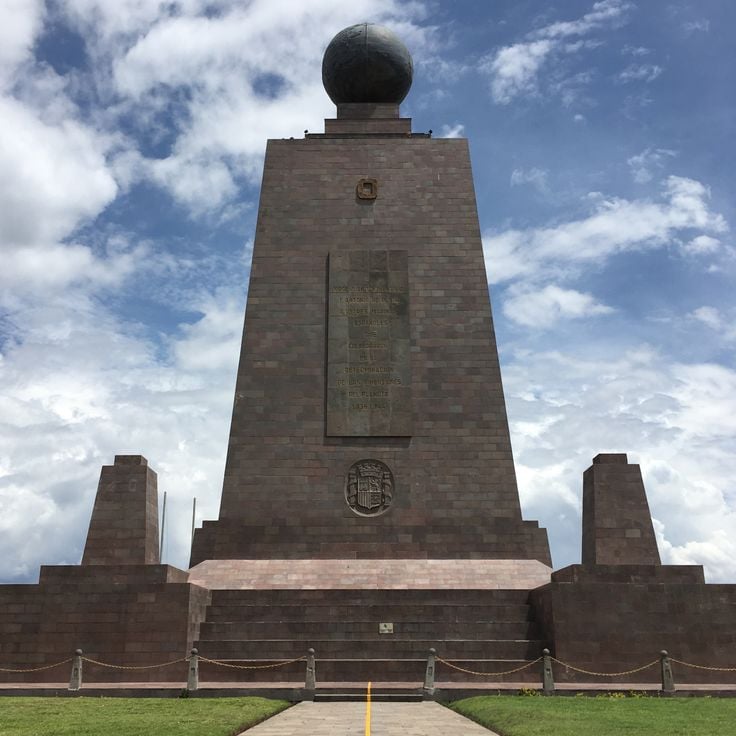
The Middle of the World Monument stands on the line that divides the Earth into two halves. The stone tower rises above the surrounding land, and the museum attached to it tells the story of how scientists in the 18th century worked to measure the shape of the Earth. Visitors can walk through the different levels of the tower to get a sense of what it means to stand exactly on the equator.
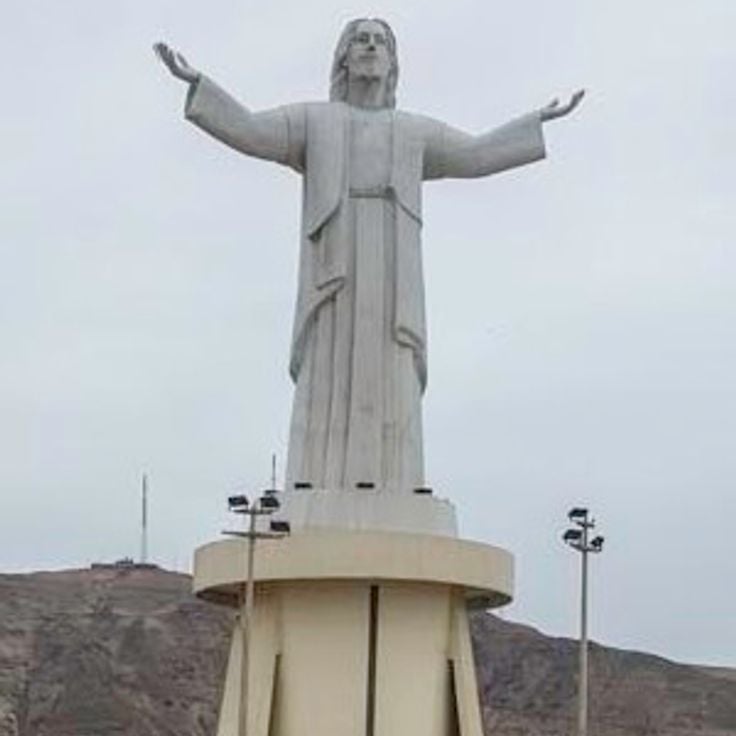
The Christ of the Pacific is a 37-meter white statue erected on a hill above Lima. The sculpture stands in the Miraflores district and offers views over the Pacific Ocean. This religious representation was inaugurated in the 1970s and reflects the Catholic tradition of Peru. The elevated position allows visitors to observe both the statue and the coastline.
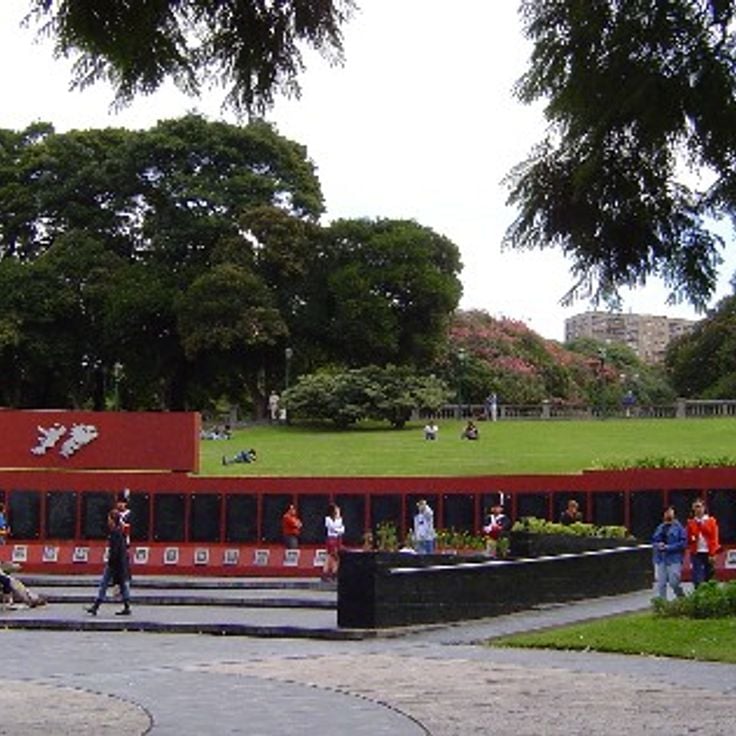
The Monumento Cenotaph in Buenos Aires is a marble and bronze memorial dedicated to Argentine soldiers who died in military conflicts. Like other monuments across South America, this structure speaks to how communities choose to remember those they have lost, giving a permanent form to grief and collective memory.
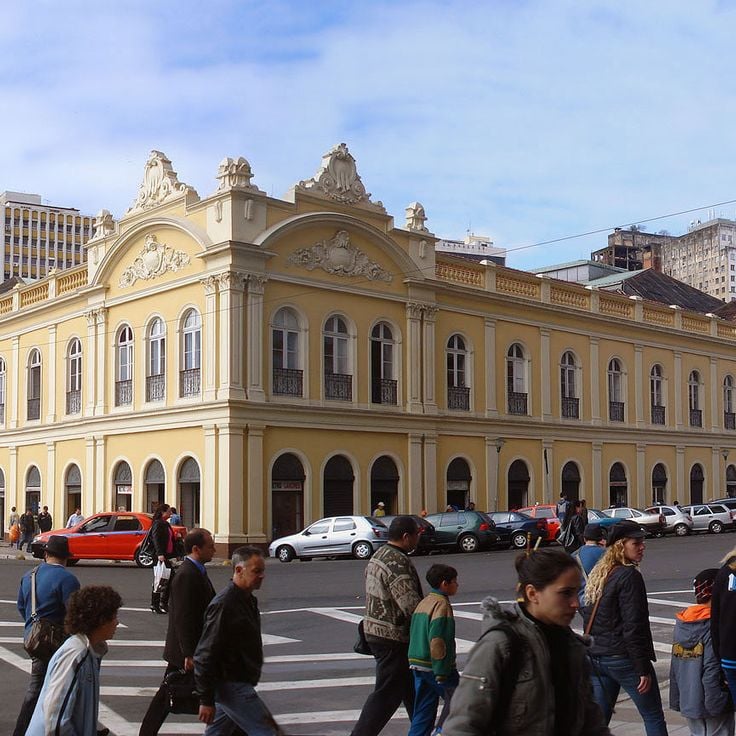
The Porto Alegre Public Market was built in the 19th century and spans two floors. This building houses 144 shops, restaurants and stalls offering regional products from Rio Grande do Sul. The market hall has served as a commercial center and meeting place for residents and visitors since its opening.
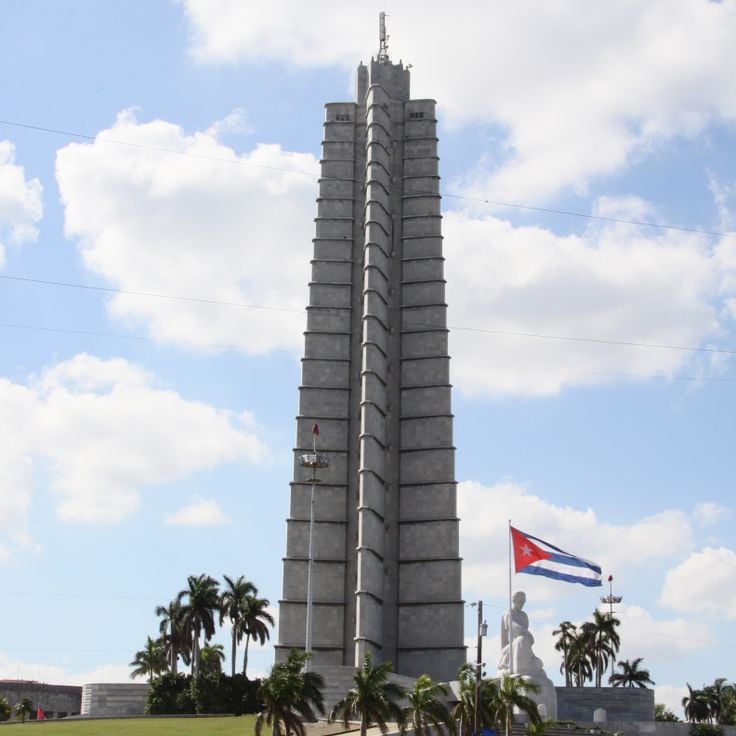
This granite monument was erected in 1959 and stands 18 meters tall. The structure symbolizes the victory of the Cuban Revolution and is located in the historic center of Havana. The monument displays revolutionary figures and symbols commemorating the political upheaval of the late 1950s.
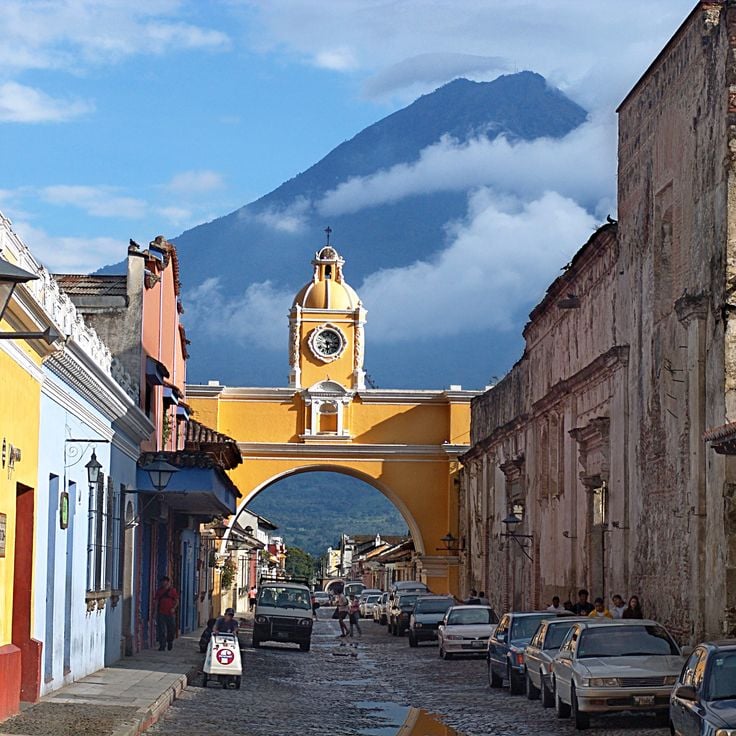
The Santa Catalina Arch is a 17th-century stone arch in Antigua that once connected two parts of the Santa Catalina convent. It allowed the nuns to cross the street without leaving the cloister. Today, the yellow arch frames a view of Agua volcano and is one of the most recognizable landmarks of this colonial city.
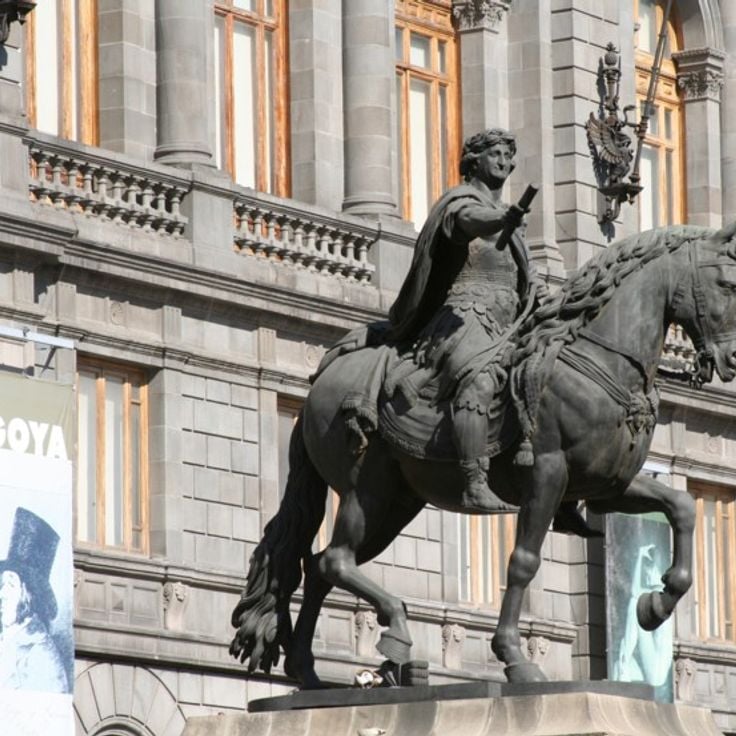
El Caballito de Tolsá is a bronze equestrian statue of King Charles IV of Spain, created by sculptor Manuel Tolsá in 1803. The monument stands in the historic center of Mexico City and represents one of the significant works from the colonial period. The statue depicts the king in a Roman toga on horseback and is considered one of the finest examples of neoclassical sculpture in Latin America.
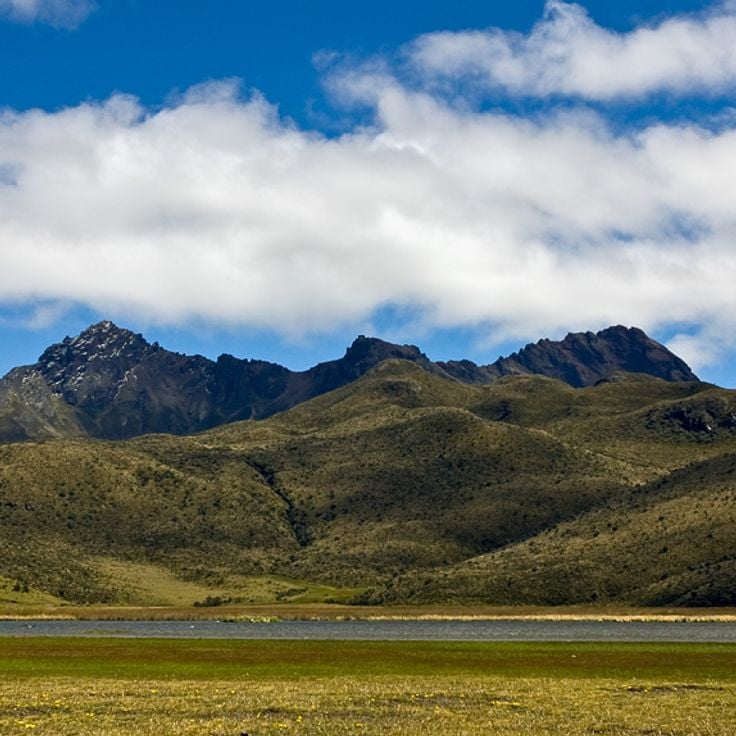
Rumiñawi is a stratovolcano in the Ecuadorian Andes, north of Quito. It rises to about 4,712 meters (15,459 feet) and has the cone shape typical of composite volcanoes. The mountain takes its name from an Inca general who resisted the Spanish conquest. As part of Ecuador's volcanic chain, Rumiñawi connects the natural landscape to the human stories that run through this collection of South American monuments.
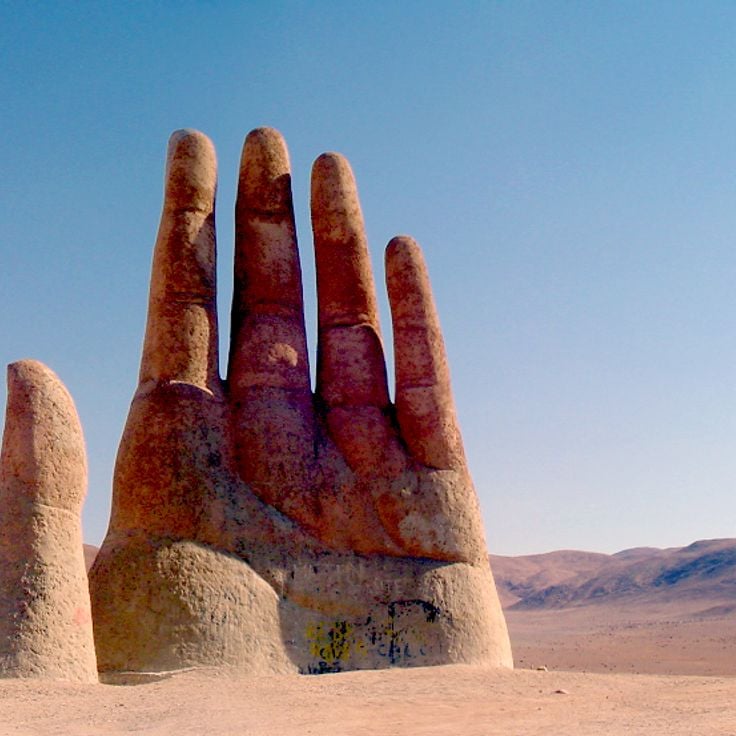
The Hand in the Desert is an 11-meter high concrete sculpture by Chilean artist Mario Irarrázabal from 1992. The artwork stands isolated in the Atacama Desert, approximately 75 kilometers south of Antofagasta along the Pan-American Highway. The hand emerging from the sand represents human vulnerability and solitude in the barren landscape.
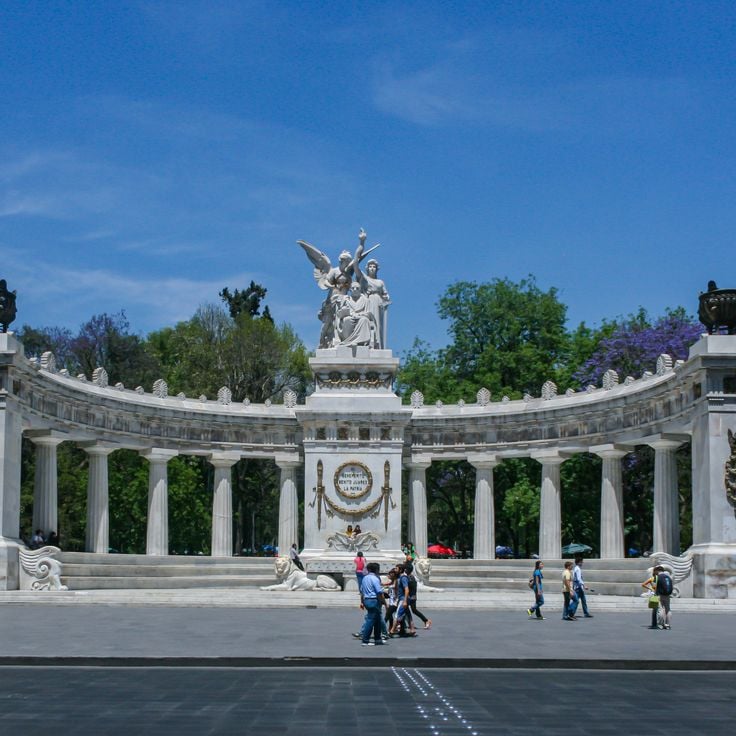
The Benito Juarez Monument in Mexico City honors Mexico's first indigenous president, who governed from 1858 to 1872. He established the separation of church and state, reshaping the modern Mexican nation. This monument marks a turning point in Mexican history and pays tribute to a leader who fundamentally transformed his country.
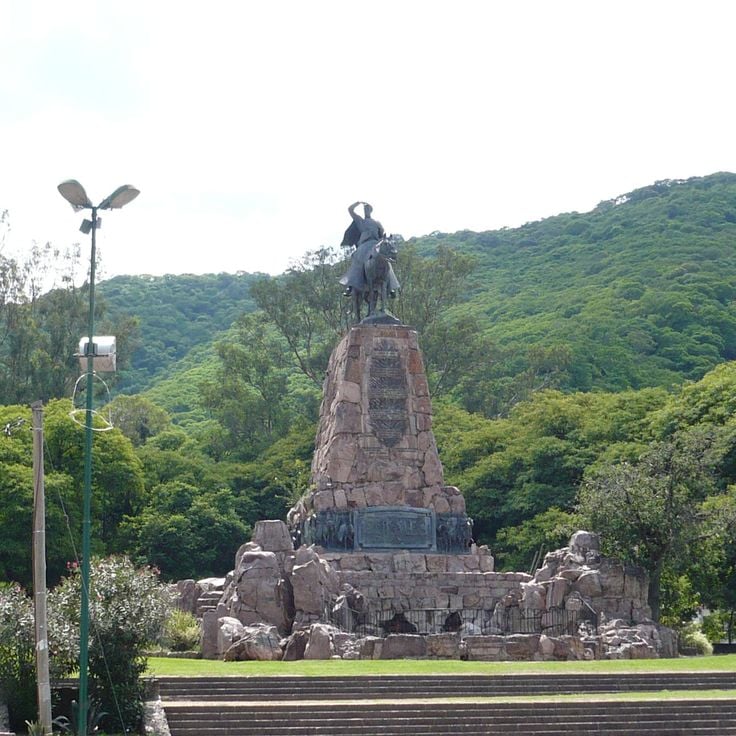
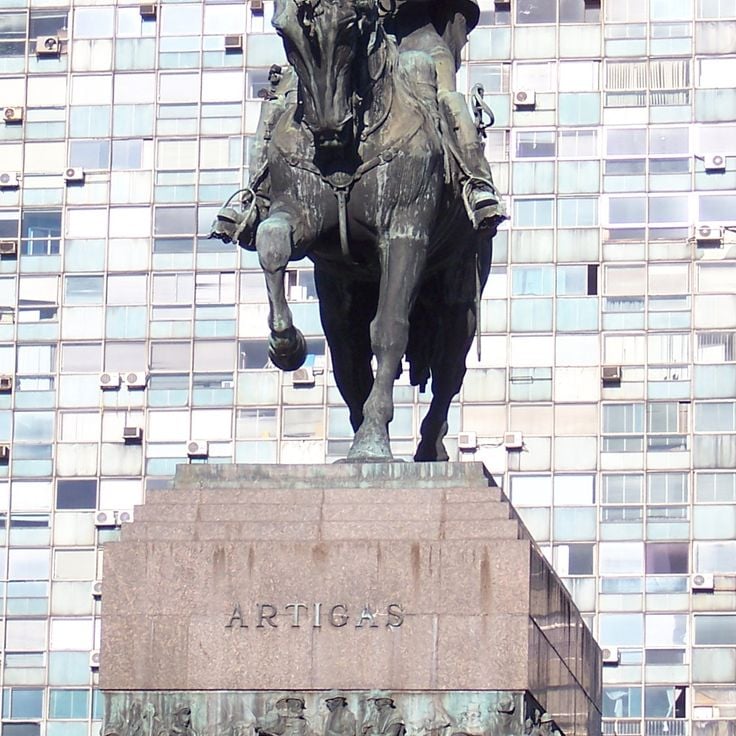
The Monument to Güemes stands at the foot of Cerro San Bernardo in Salta and shows General Martín Miguel de Güemes on horseback, high on a stone pedestal. Unveiled in 1931, it marks the role the general played during the Argentine war of independence against Spain. For the people of Salta, this monument carries deep regional meaning, and locals often gather around it to pay their respects or simply take in the view of the hill behind it.
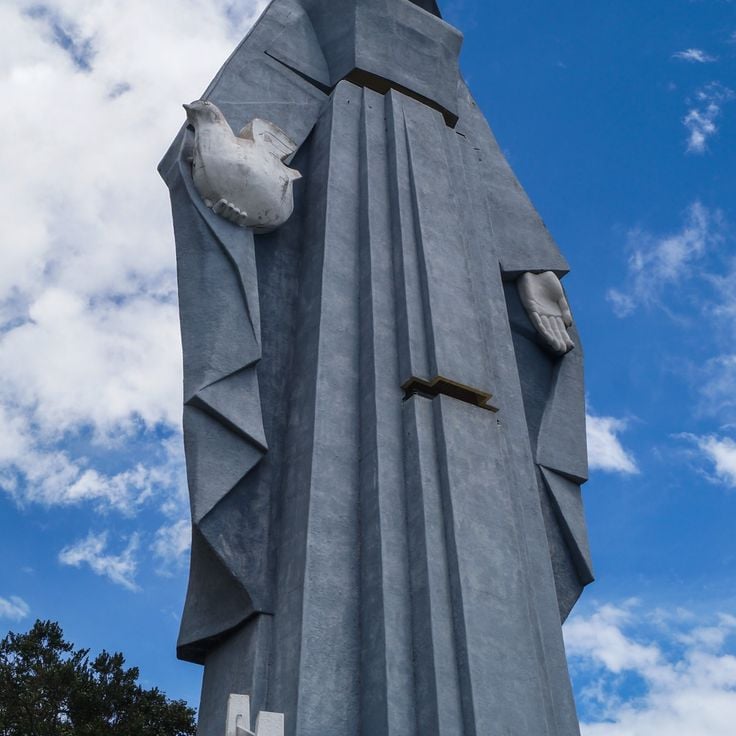
The Virgin of Peace Monument is a religious concrete statue constructed in 1983, measuring 46.7 meters in height. This sculpture stands on a hill at 1700 meters above sea level and ranks among the tallest Marian statues in South America.
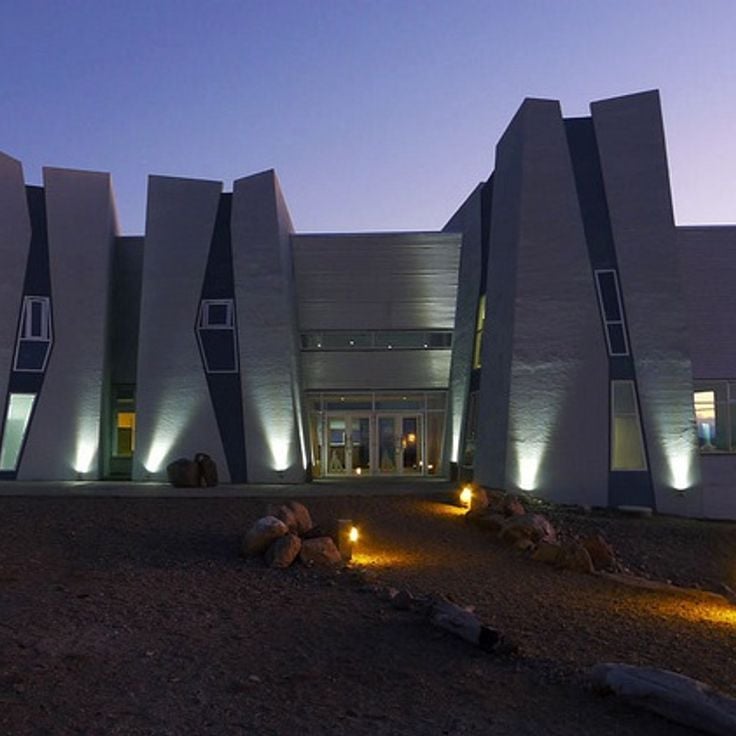
The Glaciarium is a scientific museum dedicated to glaciology and ice research. This facility presents interactive exhibitions about the formation of Patagonian ice fields, glacier characteristics, and the documented effects of climate change on these natural formations. The museum includes several thematic sections that explore geological processes and the history of glacier research in Patagonia.
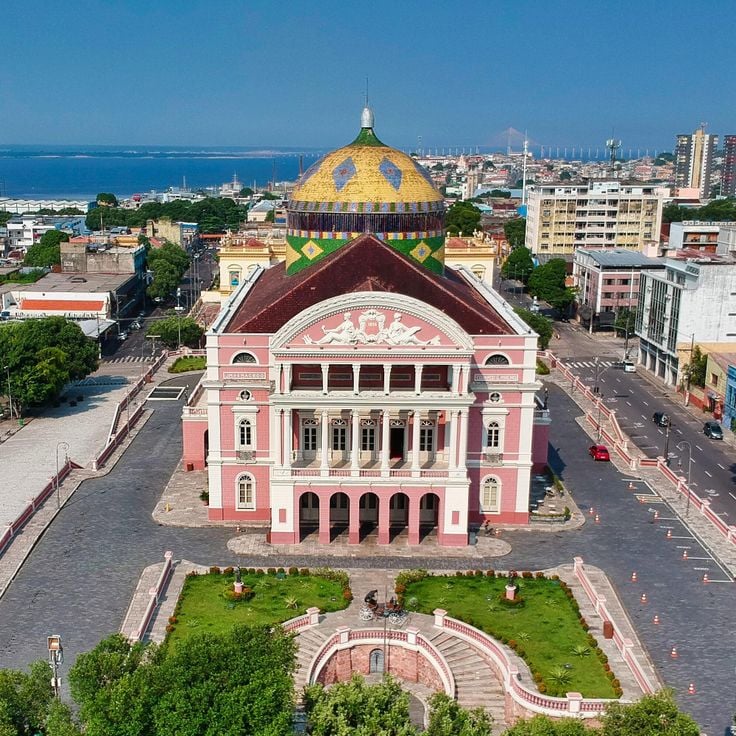
The Amazonas Theater sits in the heart of Manaus and was built in 1896 during the rubber boom. This opera house was constructed using materials brought over from Europe: marble stairs from Italy, mirrors and chandeliers from France, and steel structures from Scotland. The dome is covered with a mosaic in the colors of the Brazilian flag. The building stands as a reminder of a time when the wealth of the Amazon region shaped an entire city.
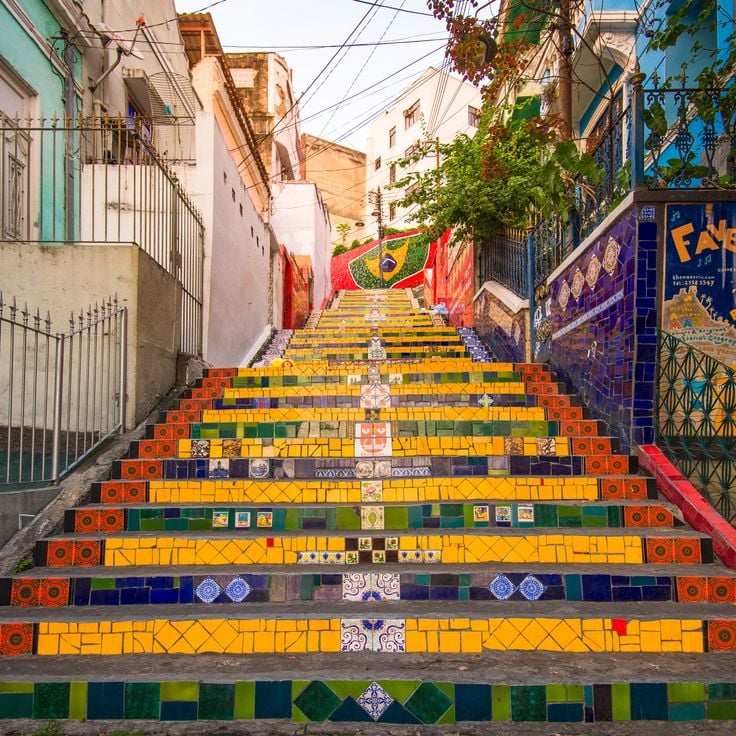
The Selaron Steps connect the Lapa and Santa Teresa neighborhoods through 215 steps. Chilean artist Jorge Selarón decorated this public staircase with tiles and ceramic pieces from over 60 countries. The work began in 1990 and continued for more than two decades.
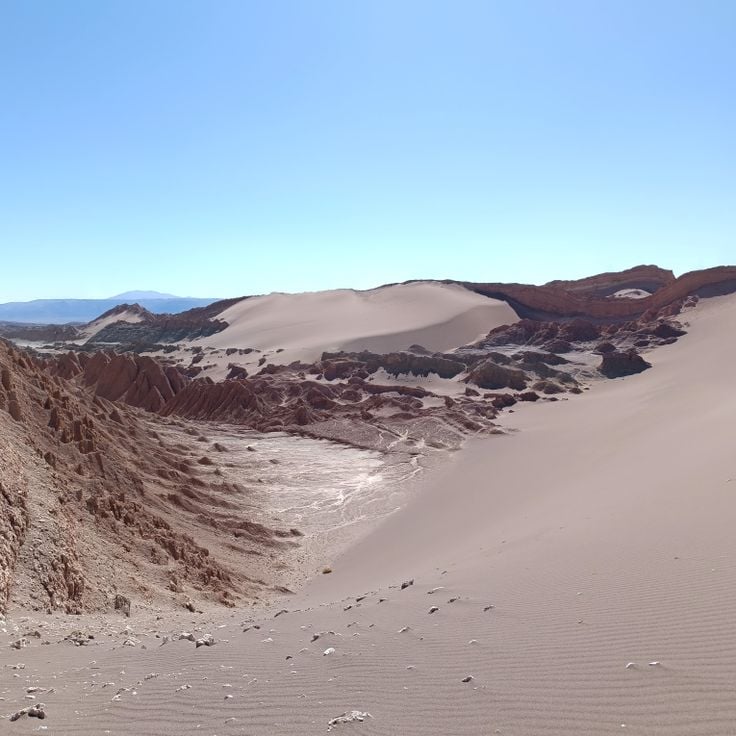
Moon Valley extends across the Atacama Desert region and presents rock formations, salt caves and mineral deposits shaped by centuries of wind erosion. This geological formation is characterized by its rugged surface and the various rock layers that give the terrain its distinctive appearance.
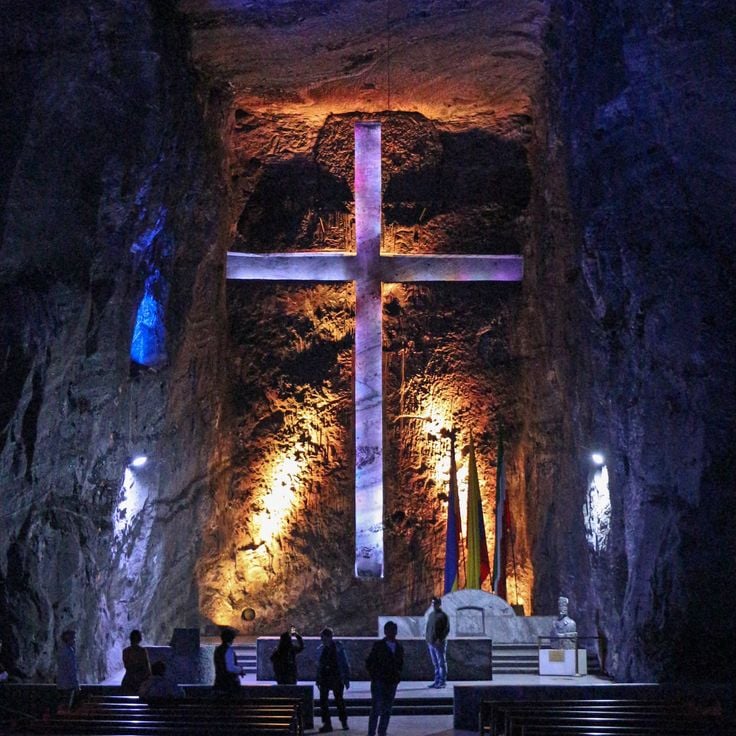
The Salt Cathedral of Zipaquirá is located 180 meters underground in a former salt mine. This Catholic church was created within the mine's tunnels and chambers by carving corridors, chapels, and religious symbols directly into the halite rock. The structure includes three naves, a Way of the Cross with fourteen stations, and an altar area. Lighting highlights the geometric forms and natural structure of the salt rock.
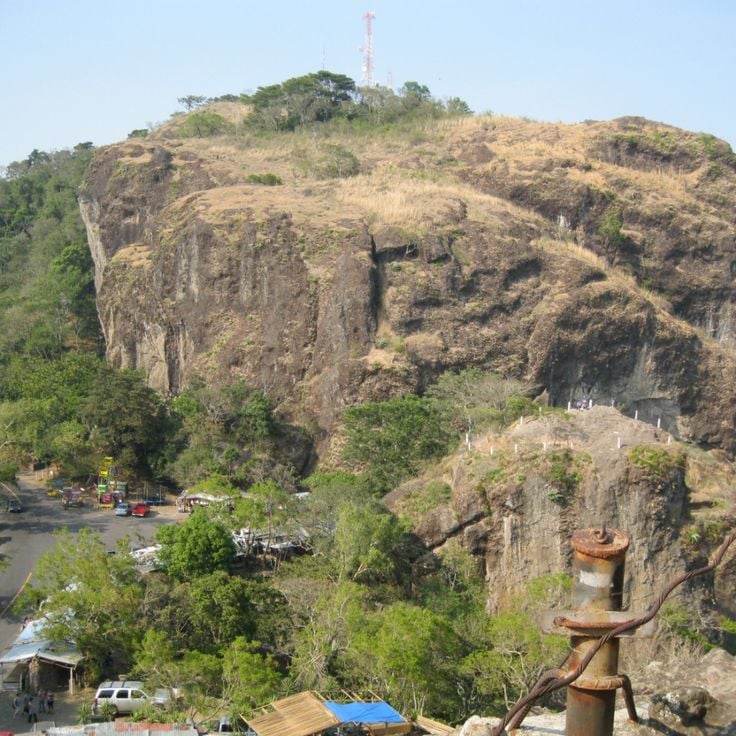
La Puerta del Diablo is a natural rock formation rising to approximately 1000 meters elevation. This geological feature consists of two massive rock walls forming an opening. From this point, views extend across the capital San Salvador and Lake Ilopango. The formation sits in the volcanic highlands south of the city and attracts visitors seeking panoramic views over the valley.
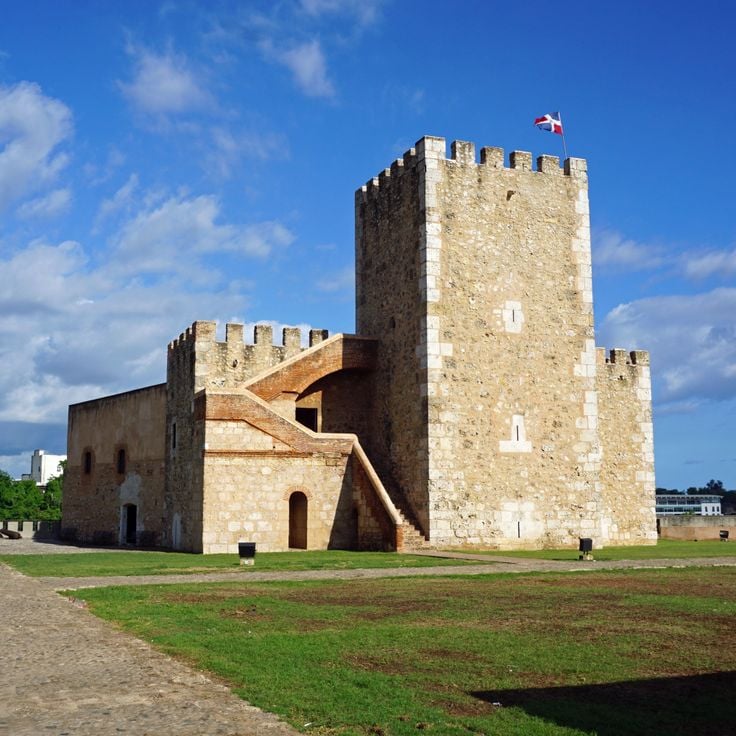
Fortaleza Ozama is a military fortification built in 1502 from stone. This fortress features an 18-meter tall watchtower and massive defensive walls that extend along the Ozama River. It served to protect the city of Santo Domingo.
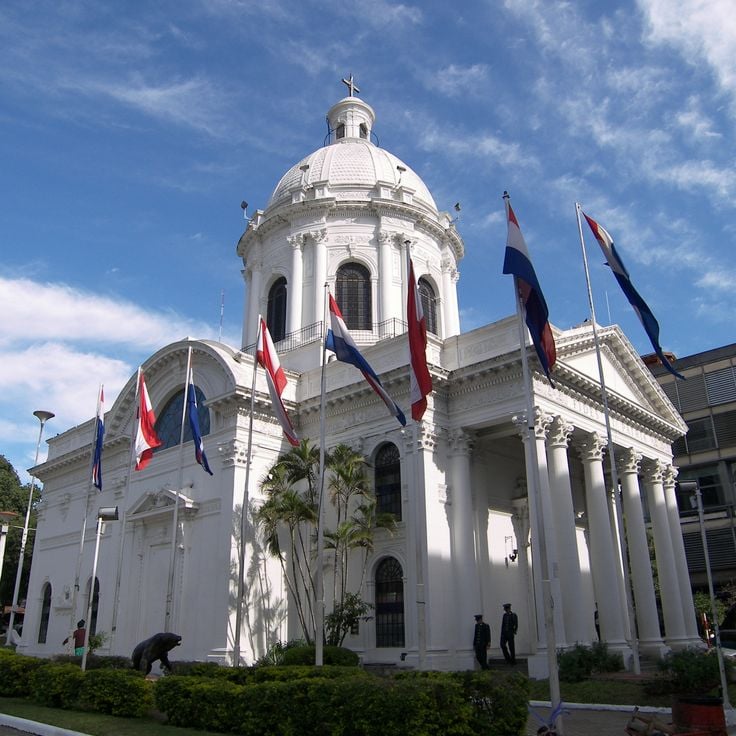
The Panteón Nacional de los Héroes stands in the heart of Asunción and serves as Paraguay's national memorial. It holds the remains of soldiers and key figures from the country's history. Construction began in 1863 and was completed in 1936. The building follows a neoclassical style, with a central dome and an ornate entrance portal. It pays tribute above all to those who fell during the War of the Triple Alliance and the Chaco War.
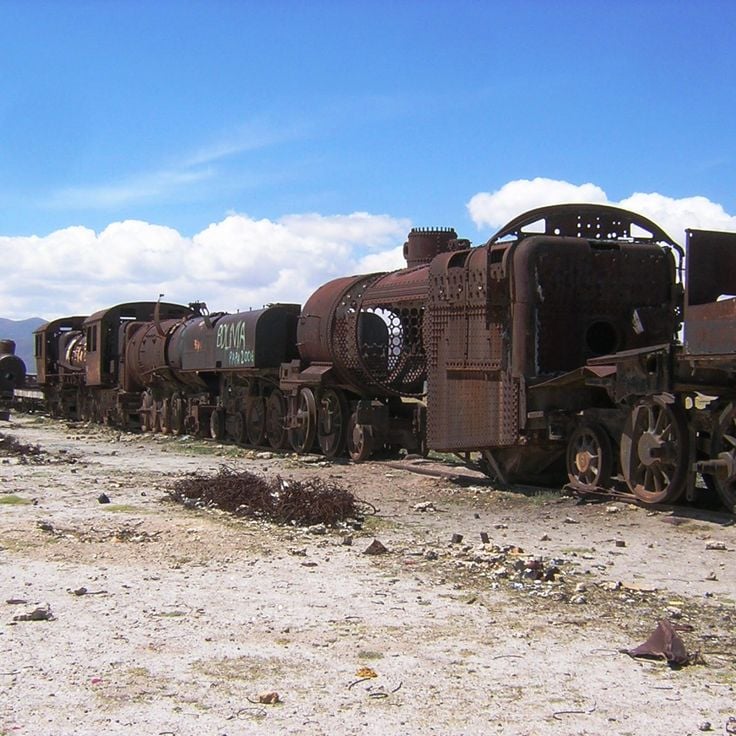
The Salar de Uyuni Train Cemetery gathers several dozen locomotives and wagons from the late 19th and early 20th centuries. These trains transported minerals from regional mines until mining operations ceased in the 1940s. The vehicles now stand abandoned in the desert, a few kilometers from the town of Uyuni, displaying the effects of corrosion caused by the saline climate.
El Ángel de la Independencia is a victory column located on a roundabout along Paseo de la Reforma. The monument was inaugurated in 1910 to commemorate Mexican independence. The column is topped with a gilded statue of the winged goddess Victoria and stands 45 meters tall.
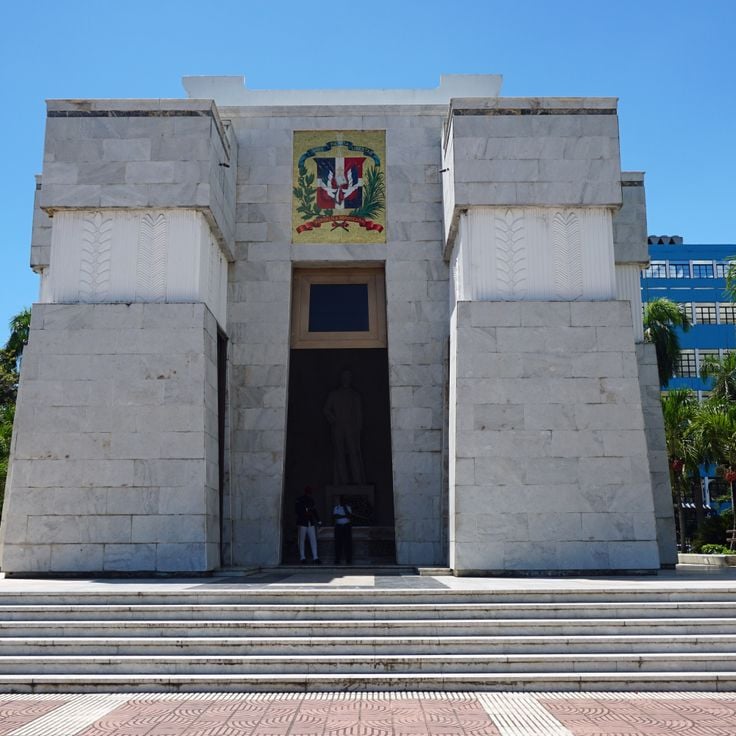
The Altar de la Patria is a marble monument erected in 1976 in Santo Domingo. It houses the remains of the three founding fathers of Dominican independence: Juan Pablo Duarte, Francisco del Rosario Sánchez and Ramón Matías Mella. The monument serves as a national mausoleum and memorial dedicated to the heroes of the 1844 independence struggle.
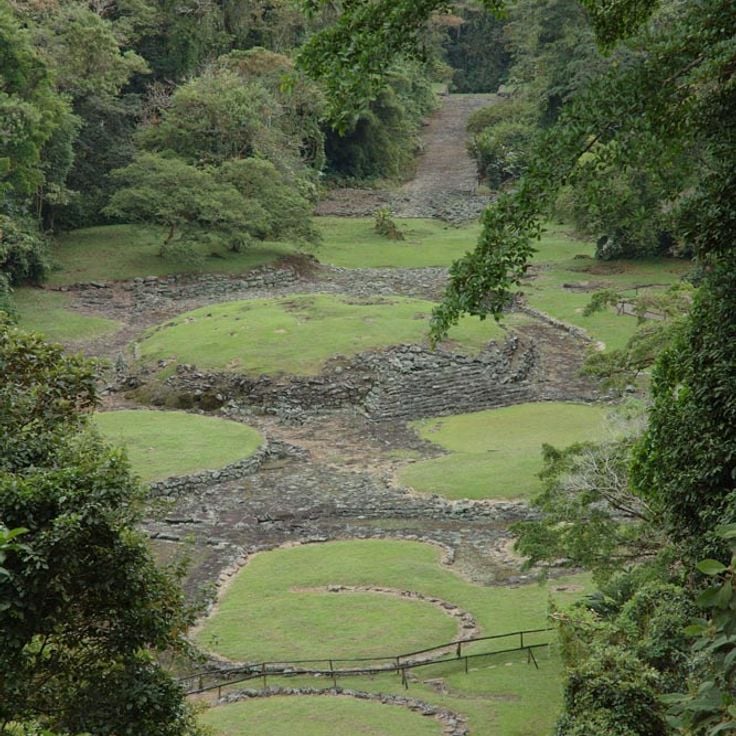
The Monumento Nacional Guayabo is an archaeological site dating from 1000 CE that includes stone roads, water conduit systems, house foundations and circular platforms which served as bases for ceremonial buildings.
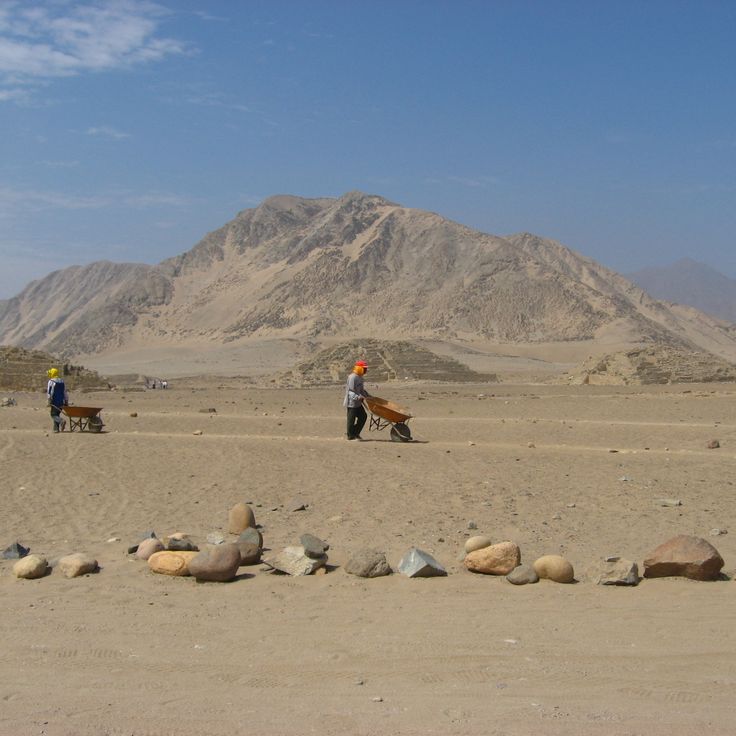
The ancient city of Caral covers 66 hectares and includes six large pyramid complexes, several amphitheaters, and extensive residential districts. The settlement was built approximately 5000 years ago and represents one of the oldest urban civilizations on the American continent.
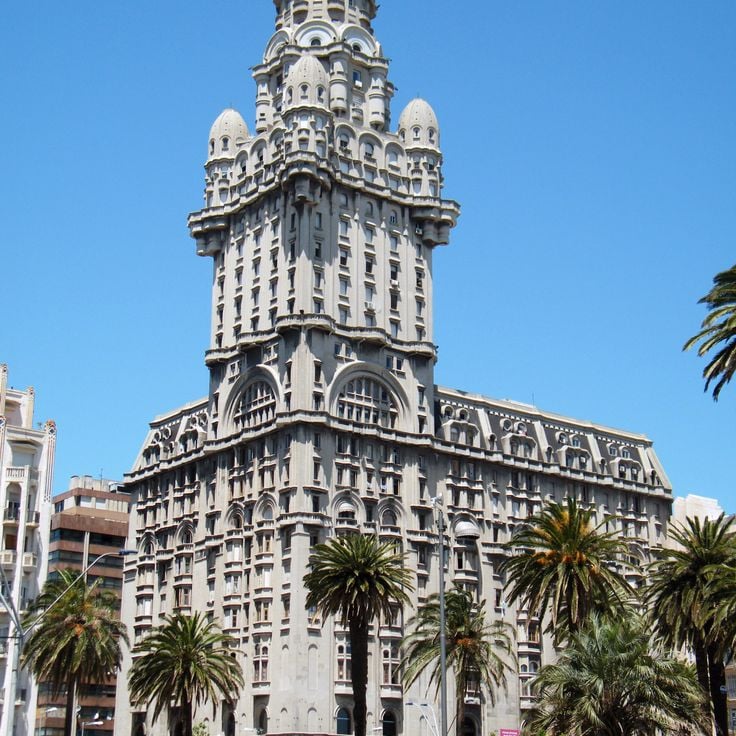
The Palacio Salvo was completed in 1928 and reaches a height of 95 meters with its 27 floors. This Art Deco building was South America's tallest structure at its inauguration and continues to define Montevideo's skyline along the Río de la Plata.
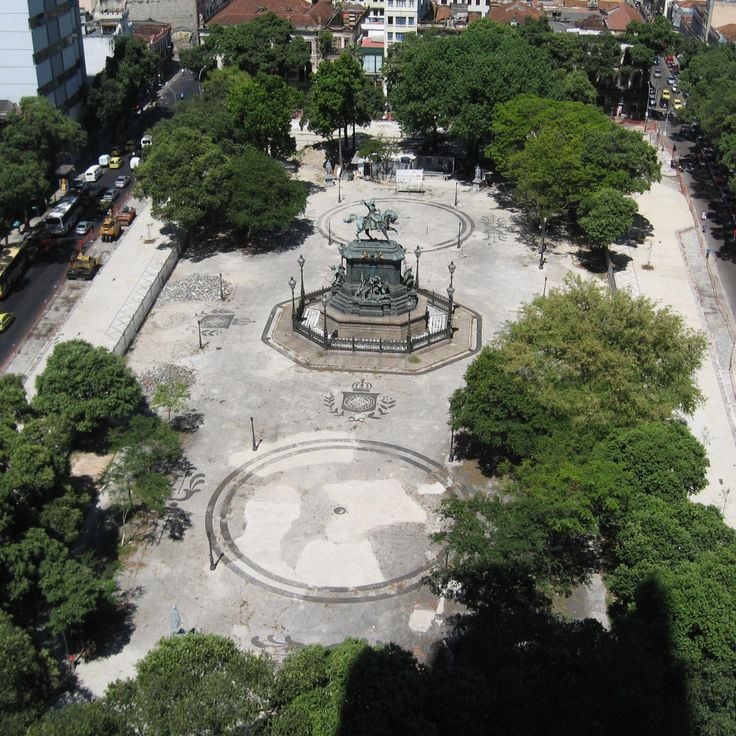
Praça Tiradentes serves as the historic center of Ouro Preto and bears the name of Brazilian national hero Joaquim José da Silva Xavier. This central square is dominated by a bronze statue commemorating the leader of the failed Minas Gerais conspiracy of 1789. Buildings from the 18th century with white facades, wrought iron balconies, and tile roofs line the square, documenting the architectural legacy of the Portuguese colonial period.
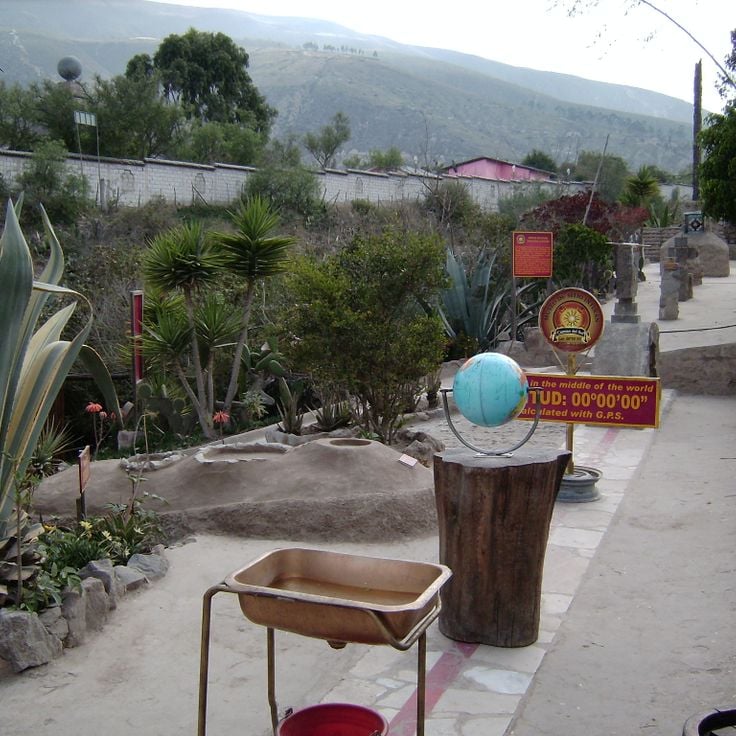
The Intiñan Solar Museum is located on the equatorial line and presents experiments related to geographic and physical phenomena at this particular position. The exhibitions provide information about the pre-Columbian cultures of Ecuador, their astronomical knowledge and traditional ways of life. Visitors can participate in interactive demonstrations about the Coriolis effect, water drainage and balance on the equatorial line.
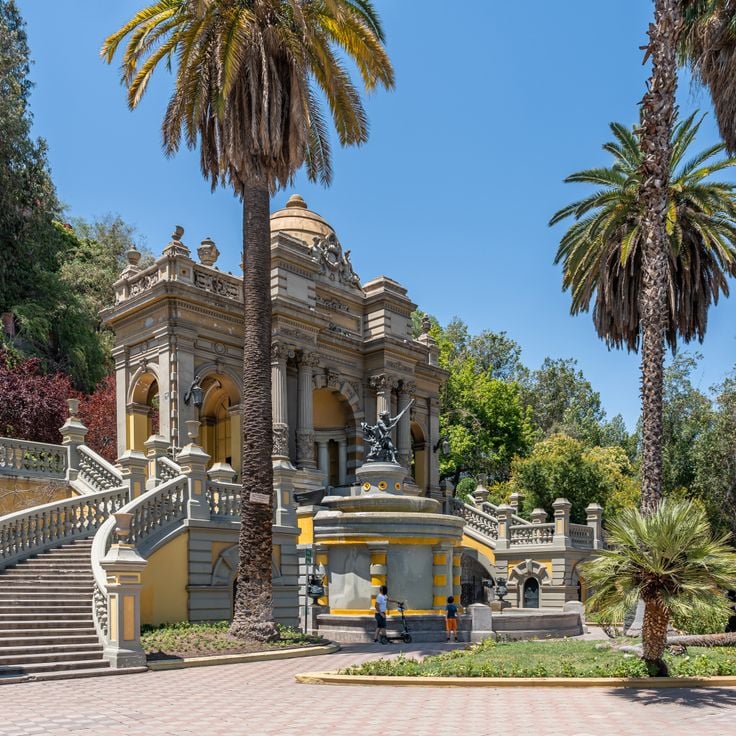
Cerro Santa Lucía is a hill in the center of Santiago equipped with stone walls, staircases, and several observation points that provide views over the Chilean capital. This hill is part of South America's monumental heritage and shows how the region has transformed natural landforms into public spaces that people use and enjoy today.
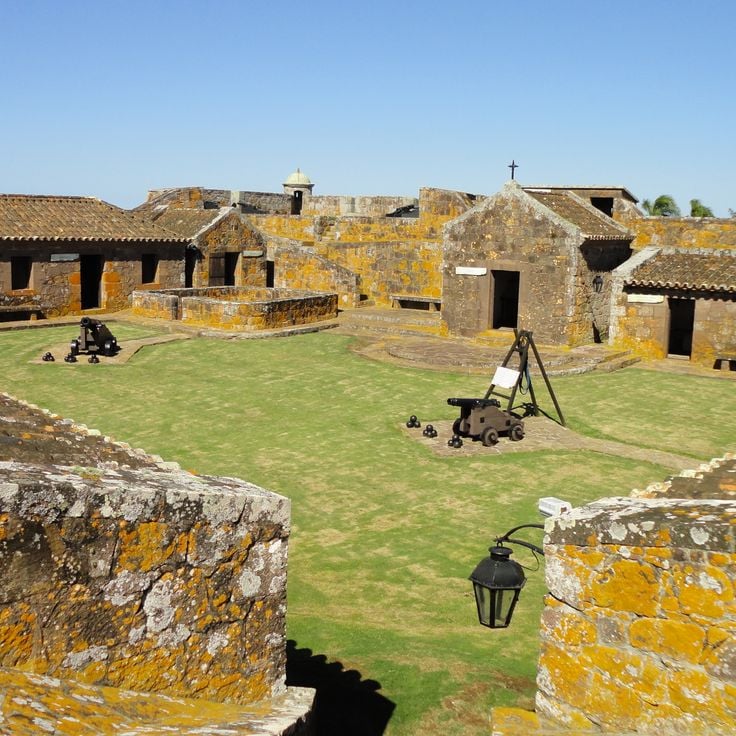
Fuerte San Miguel is an 18th-century military fortification built during Spanish colonial rule. The fort now houses a museum featuring a collection of weapons, military equipment, and authentic objects from the colonial era.
The Middle of the World Monument stands on the line that divides the Earth into two halves. The stone tower rises above the surrounding land, and the museum attached to it tells the story of how scientists in the 18th century worked to measure the shape of the Earth. Visitors can walk through the different levels of the tower to get a sense of what it means to stand exactly on the equator.
The Christ of the Pacific is a 37-meter white statue erected on a hill above Lima. The sculpture stands in the Miraflores district and offers views over the Pacific Ocean. This religious representation was inaugurated in the 1970s and reflects the Catholic tradition of Peru. The elevated position allows visitors to observe both the statue and the coastline.
The Monumento Cenotaph in Buenos Aires is a marble and bronze memorial dedicated to Argentine soldiers who died in military conflicts. Like other monuments across South America, this structure speaks to how communities choose to remember those they have lost, giving a permanent form to grief and collective memory.
The Porto Alegre Public Market was built in the 19th century and spans two floors. This building houses 144 shops, restaurants and stalls offering regional products from Rio Grande do Sul. The market hall has served as a commercial center and meeting place for residents and visitors since its opening.
This granite monument was erected in 1959 and stands 18 meters tall. The structure symbolizes the victory of the Cuban Revolution and is located in the historic center of Havana. The monument displays revolutionary figures and symbols commemorating the political upheaval of the late 1950s.
The Santa Catalina Arch is a 17th-century stone arch in Antigua that once connected two parts of the Santa Catalina convent. It allowed the nuns to cross the street without leaving the cloister. Today, the yellow arch frames a view of Agua volcano and is one of the most recognizable landmarks of this colonial city.
El Caballito de Tolsá is a bronze equestrian statue of King Charles IV of Spain, created by sculptor Manuel Tolsá in 1803. The monument stands in the historic center of Mexico City and represents one of the significant works from the colonial period. The statue depicts the king in a Roman toga on horseback and is considered one of the finest examples of neoclassical sculpture in Latin America.
Rumiñawi is a stratovolcano in the Ecuadorian Andes, north of Quito. It rises to about 4,712 meters (15,459 feet) and has the cone shape typical of composite volcanoes. The mountain takes its name from an Inca general who resisted the Spanish conquest. As part of Ecuador's volcanic chain, Rumiñawi connects the natural landscape to the human stories that run through this collection of South American monuments.
The Hand in the Desert is an 11-meter high concrete sculpture by Chilean artist Mario Irarrázabal from 1992. The artwork stands isolated in the Atacama Desert, approximately 75 kilometers south of Antofagasta along the Pan-American Highway. The hand emerging from the sand represents human vulnerability and solitude in the barren landscape.
The Benito Juarez Monument in Mexico City honors Mexico's first indigenous president, who governed from 1858 to 1872. He established the separation of church and state, reshaping the modern Mexican nation. This monument marks a turning point in Mexican history and pays tribute to a leader who fundamentally transformed his country.
The Monument to Güemes stands at the foot of Cerro San Bernardo in Salta and shows General Martín Miguel de Güemes on horseback, high on a stone pedestal. Unveiled in 1931, it marks the role the general played during the Argentine war of independence against Spain. For the people of Salta, this monument carries deep regional meaning, and locals often gather around it to pay their respects or simply take in the view of the hill behind it.
The Virgin of Peace Monument is a religious concrete statue constructed in 1983, measuring 46.7 meters in height. This sculpture stands on a hill at 1700 meters above sea level and ranks among the tallest Marian statues in South America.
The Glaciarium is a scientific museum dedicated to glaciology and ice research. This facility presents interactive exhibitions about the formation of Patagonian ice fields, glacier characteristics, and the documented effects of climate change on these natural formations. The museum includes several thematic sections that explore geological processes and the history of glacier research in Patagonia.
The Amazonas Theater sits in the heart of Manaus and was built in 1896 during the rubber boom. This opera house was constructed using materials brought over from Europe: marble stairs from Italy, mirrors and chandeliers from France, and steel structures from Scotland. The dome is covered with a mosaic in the colors of the Brazilian flag. The building stands as a reminder of a time when the wealth of the Amazon region shaped an entire city.
The Selaron Steps connect the Lapa and Santa Teresa neighborhoods through 215 steps. Chilean artist Jorge Selarón decorated this public staircase with tiles and ceramic pieces from over 60 countries. The work began in 1990 and continued for more than two decades.
Moon Valley extends across the Atacama Desert region and presents rock formations, salt caves and mineral deposits shaped by centuries of wind erosion. This geological formation is characterized by its rugged surface and the various rock layers that give the terrain its distinctive appearance.
The Salt Cathedral of Zipaquirá is located 180 meters underground in a former salt mine. This Catholic church was created within the mine's tunnels and chambers by carving corridors, chapels, and religious symbols directly into the halite rock. The structure includes three naves, a Way of the Cross with fourteen stations, and an altar area. Lighting highlights the geometric forms and natural structure of the salt rock.
La Puerta del Diablo is a natural rock formation rising to approximately 1000 meters elevation. This geological feature consists of two massive rock walls forming an opening. From this point, views extend across the capital San Salvador and Lake Ilopango. The formation sits in the volcanic highlands south of the city and attracts visitors seeking panoramic views over the valley.
Fortaleza Ozama is a military fortification built in 1502 from stone. This fortress features an 18-meter tall watchtower and massive defensive walls that extend along the Ozama River. It served to protect the city of Santo Domingo.
The Panteón Nacional de los Héroes stands in the heart of Asunción and serves as Paraguay's national memorial. It holds the remains of soldiers and key figures from the country's history. Construction began in 1863 and was completed in 1936. The building follows a neoclassical style, with a central dome and an ornate entrance portal. It pays tribute above all to those who fell during the War of the Triple Alliance and the Chaco War.
The Salar de Uyuni Train Cemetery gathers several dozen locomotives and wagons from the late 19th and early 20th centuries. These trains transported minerals from regional mines until mining operations ceased in the 1940s. The vehicles now stand abandoned in the desert, a few kilometers from the town of Uyuni, displaying the effects of corrosion caused by the saline climate.
El Ángel de la Independencia is a victory column located on a roundabout along Paseo de la Reforma. The monument was inaugurated in 1910 to commemorate Mexican independence. The column is topped with a gilded statue of the winged goddess Victoria and stands 45 meters tall.
The Altar de la Patria is a marble monument erected in 1976 in Santo Domingo. It houses the remains of the three founding fathers of Dominican independence: Juan Pablo Duarte, Francisco del Rosario Sánchez and Ramón Matías Mella. The monument serves as a national mausoleum and memorial dedicated to the heroes of the 1844 independence struggle.
The Monumento Nacional Guayabo is an archaeological site dating from 1000 CE that includes stone roads, water conduit systems, house foundations and circular platforms which served as bases for ceremonial buildings.
The ancient city of Caral covers 66 hectares and includes six large pyramid complexes, several amphitheaters, and extensive residential districts. The settlement was built approximately 5000 years ago and represents one of the oldest urban civilizations on the American continent.
The Palacio Salvo was completed in 1928 and reaches a height of 95 meters with its 27 floors. This Art Deco building was South America's tallest structure at its inauguration and continues to define Montevideo's skyline along the Río de la Plata.
Praça Tiradentes serves as the historic center of Ouro Preto and bears the name of Brazilian national hero Joaquim José da Silva Xavier. This central square is dominated by a bronze statue commemorating the leader of the failed Minas Gerais conspiracy of 1789. Buildings from the 18th century with white facades, wrought iron balconies, and tile roofs line the square, documenting the architectural legacy of the Portuguese colonial period.
The Intiñan Solar Museum is located on the equatorial line and presents experiments related to geographic and physical phenomena at this particular position. The exhibitions provide information about the pre-Columbian cultures of Ecuador, their astronomical knowledge and traditional ways of life. Visitors can participate in interactive demonstrations about the Coriolis effect, water drainage and balance on the equatorial line.
Cerro Santa Lucía is a hill in the center of Santiago equipped with stone walls, staircases, and several observation points that provide views over the Chilean capital. This hill is part of South America's monumental heritage and shows how the region has transformed natural landforms into public spaces that people use and enjoy today.
Fuerte San Miguel is an 18th-century military fortification built during Spanish colonial rule. The fort now houses a museum featuring a collection of weapons, military equipment, and authentic objects from the colonial era.
The Middle of the World Monument stands on the line that divides the Earth into two halves. The stone tower rises above the surrounding land, and the museum attached to it tells the story of how scientists in the 18th century worked to measure the shape of the Earth. Visitors can walk through the different levels of the tower to get a sense of what it means to stand exactly on the equator.
The Christ of the Pacific is a 37-meter white statue erected on a hill above Lima. The sculpture stands in the Miraflores district and offers views over the Pacific Ocean. This religious representation was inaugurated in the 1970s and reflects the Catholic tradition of Peru. The elevated position allows visitors to observe both the statue and the coastline.
The Monumento Cenotaph in Buenos Aires is a marble and bronze memorial dedicated to Argentine soldiers who died in military conflicts. Like other monuments across South America, this structure speaks to how communities choose to remember those they have lost, giving a permanent form to grief and collective memory.
The Porto Alegre Public Market was built in the 19th century and spans two floors. This building houses 144 shops, restaurants and stalls offering regional products from Rio Grande do Sul. The market hall has served as a commercial center and meeting place for residents and visitors since its opening.
This granite monument was erected in 1959 and stands 18 meters tall. The structure symbolizes the victory of the Cuban Revolution and is located in the historic center of Havana. The monument displays revolutionary figures and symbols commemorating the political upheaval of the late 1950s.
The Santa Catalina Arch is a 17th-century stone arch in Antigua that once connected two parts of the Santa Catalina convent. It allowed the nuns to cross the street without leaving the cloister. Today, the yellow arch frames a view of Agua volcano and is one of the most recognizable landmarks of this colonial city.
El Caballito de Tolsá is a bronze equestrian statue of King Charles IV of Spain, created by sculptor Manuel Tolsá in 1803. The monument stands in the historic center of Mexico City and represents one of the significant works from the colonial period. The statue depicts the king in a Roman toga on horseback and is considered one of the finest examples of neoclassical sculpture in Latin America.
Rumiñawi is a stratovolcano in the Ecuadorian Andes, north of Quito. It rises to about 4,712 meters (15,459 feet) and has the cone shape typical of composite volcanoes. The mountain takes its name from an Inca general who resisted the Spanish conquest. As part of Ecuador's volcanic chain, Rumiñawi connects the natural landscape to the human stories that run through this collection of South American monuments.
The Hand in the Desert is an 11-meter high concrete sculpture by Chilean artist Mario Irarrázabal from 1992. The artwork stands isolated in the Atacama Desert, approximately 75 kilometers south of Antofagasta along the Pan-American Highway. The hand emerging from the sand represents human vulnerability and solitude in the barren landscape.
The Benito Juarez Monument in Mexico City honors Mexico's first indigenous president, who governed from 1858 to 1872. He established the separation of church and state, reshaping the modern Mexican nation. This monument marks a turning point in Mexican history and pays tribute to a leader who fundamentally transformed his country.
The Monument to Güemes stands at the foot of Cerro San Bernardo in Salta and shows General Martín Miguel de Güemes on horseback, high on a stone pedestal. Unveiled in 1931, it marks the role the general played during the Argentine war of independence against Spain. For the people of Salta, this monument carries deep regional meaning, and locals often gather around it to pay their respects or simply take in the view of the hill behind it.
The Virgin of Peace Monument is a religious concrete statue constructed in 1983, measuring 46.7 meters in height. This sculpture stands on a hill at 1700 meters above sea level and ranks among the tallest Marian statues in South America.
The Glaciarium is a scientific museum dedicated to glaciology and ice research. This facility presents interactive exhibitions about the formation of Patagonian ice fields, glacier characteristics, and the documented effects of climate change on these natural formations. The museum includes several thematic sections that explore geological processes and the history of glacier research in Patagonia.
The Amazonas Theater sits in the heart of Manaus and was built in 1896 during the rubber boom. This opera house was constructed using materials brought over from Europe: marble stairs from Italy, mirrors and chandeliers from France, and steel structures from Scotland. The dome is covered with a mosaic in the colors of the Brazilian flag. The building stands as a reminder of a time when the wealth of the Amazon region shaped an entire city.
The Selaron Steps connect the Lapa and Santa Teresa neighborhoods through 215 steps. Chilean artist Jorge Selarón decorated this public staircase with tiles and ceramic pieces from over 60 countries. The work began in 1990 and continued for more than two decades.
Moon Valley extends across the Atacama Desert region and presents rock formations, salt caves and mineral deposits shaped by centuries of wind erosion. This geological formation is characterized by its rugged surface and the various rock layers that give the terrain its distinctive appearance.
The Salt Cathedral of Zipaquirá is located 180 meters underground in a former salt mine. This Catholic church was created within the mine's tunnels and chambers by carving corridors, chapels, and religious symbols directly into the halite rock. The structure includes three naves, a Way of the Cross with fourteen stations, and an altar area. Lighting highlights the geometric forms and natural structure of the salt rock.
La Puerta del Diablo is a natural rock formation rising to approximately 1000 meters elevation. This geological feature consists of two massive rock walls forming an opening. From this point, views extend across the capital San Salvador and Lake Ilopango. The formation sits in the volcanic highlands south of the city and attracts visitors seeking panoramic views over the valley.
Fortaleza Ozama is a military fortification built in 1502 from stone. This fortress features an 18-meter tall watchtower and massive defensive walls that extend along the Ozama River. It served to protect the city of Santo Domingo.
The Panteón Nacional de los Héroes stands in the heart of Asunción and serves as Paraguay's national memorial. It holds the remains of soldiers and key figures from the country's history. Construction began in 1863 and was completed in 1936. The building follows a neoclassical style, with a central dome and an ornate entrance portal. It pays tribute above all to those who fell during the War of the Triple Alliance and the Chaco War.
The Salar de Uyuni Train Cemetery gathers several dozen locomotives and wagons from the late 19th and early 20th centuries. These trains transported minerals from regional mines until mining operations ceased in the 1940s. The vehicles now stand abandoned in the desert, a few kilometers from the town of Uyuni, displaying the effects of corrosion caused by the saline climate.
El Ángel de la Independencia is a victory column located on a roundabout along Paseo de la Reforma. The monument was inaugurated in 1910 to commemorate Mexican independence. The column is topped with a gilded statue of the winged goddess Victoria and stands 45 meters tall.
The Altar de la Patria is a marble monument erected in 1976 in Santo Domingo. It houses the remains of the three founding fathers of Dominican independence: Juan Pablo Duarte, Francisco del Rosario Sánchez and Ramón Matías Mella. The monument serves as a national mausoleum and memorial dedicated to the heroes of the 1844 independence struggle.
The Monumento Nacional Guayabo is an archaeological site dating from 1000 CE that includes stone roads, water conduit systems, house foundations and circular platforms which served as bases for ceremonial buildings.
The ancient city of Caral covers 66 hectares and includes six large pyramid complexes, several amphitheaters, and extensive residential districts. The settlement was built approximately 5000 years ago and represents one of the oldest urban civilizations on the American continent.
The Palacio Salvo was completed in 1928 and reaches a height of 95 meters with its 27 floors. This Art Deco building was South America's tallest structure at its inauguration and continues to define Montevideo's skyline along the Río de la Plata.
Praça Tiradentes serves as the historic center of Ouro Preto and bears the name of Brazilian national hero Joaquim José da Silva Xavier. This central square is dominated by a bronze statue commemorating the leader of the failed Minas Gerais conspiracy of 1789. Buildings from the 18th century with white facades, wrought iron balconies, and tile roofs line the square, documenting the architectural legacy of the Portuguese colonial period.
The Intiñan Solar Museum is located on the equatorial line and presents experiments related to geographic and physical phenomena at this particular position. The exhibitions provide information about the pre-Columbian cultures of Ecuador, their astronomical knowledge and traditional ways of life. Visitors can participate in interactive demonstrations about the Coriolis effect, water drainage and balance on the equatorial line.
Cerro Santa Lucía is a hill in the center of Santiago equipped with stone walls, staircases, and several observation points that provide views over the Chilean capital. This hill is part of South America's monumental heritage and shows how the region has transformed natural landforms into public spaces that people use and enjoy today.
Fuerte San Miguel is an 18th-century military fortification built during Spanish colonial rule. The fort now houses a museum featuring a collection of weapons, military equipment, and authentic objects from the colonial era.
When visiting these monuments, go early in the morning to avoid crowds and enjoy the sites with better light for photographs. Many of these places are outdoors, so bring water and sun protection, especially when exploring desert sculptures or hilltop memorials.