See the monuments around you in AROpen chests in the app
Around Us is built for your phone — point your camera at the streets and discover the monuments and places around you in augmented reality.Around Us is built for your phone — chests unlock when you walk, explore and capture nearby places.
Molise in Italy: old villages, Roman sites and the Adriatic coast
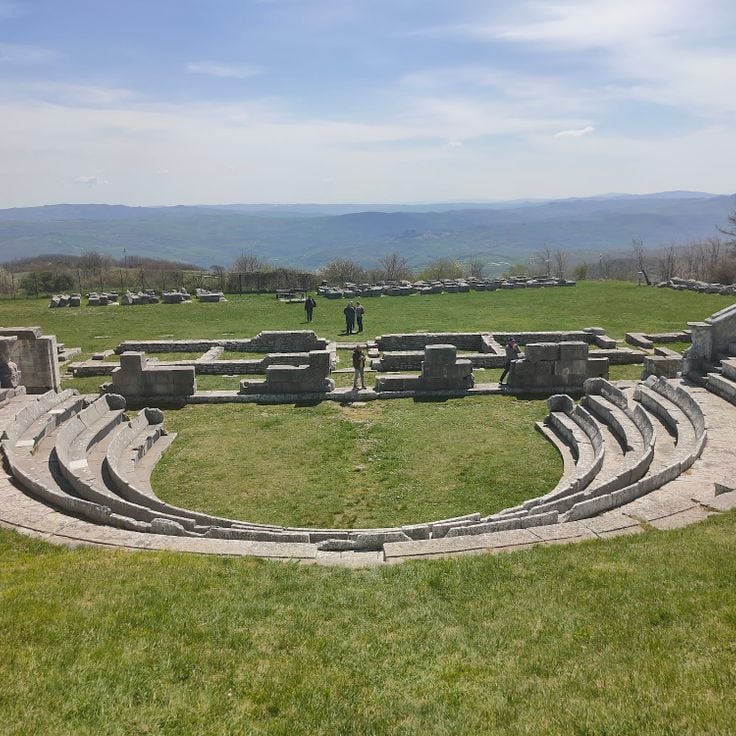
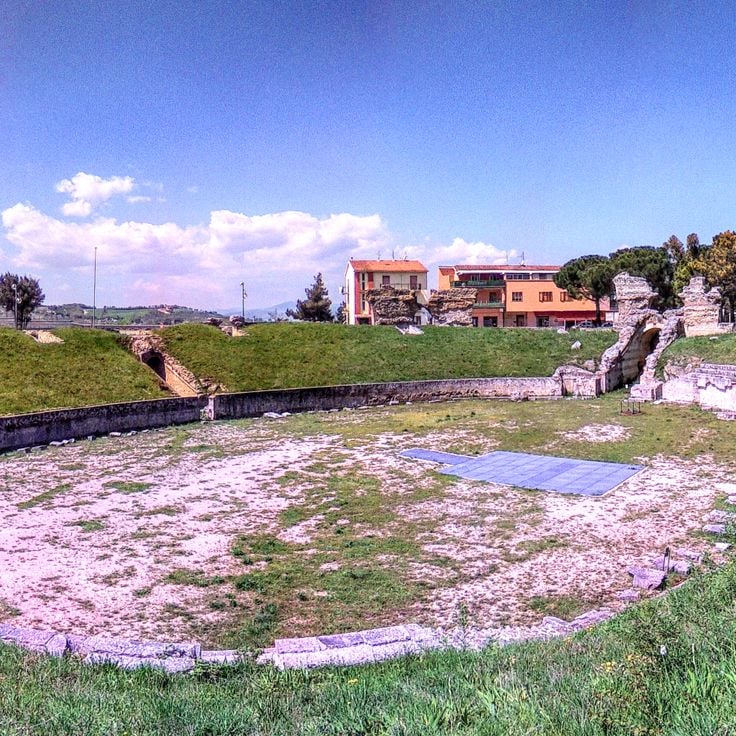
Molise is in the south of Italy, between the Apennines and the Adriatic Sea. This area does not have many visitors and keeps a rural feel. In Campobasso, the Monforte castle sits on a hill above the town. Larino still has an old Roman amphitheater where you can see the seats and the arena. The ruins of Saepinum show a Roman town with a forum, theater, and gates. Even older are the remains of the Samnite sanctuary of Pietrabbondante, which is more than 2000 years old. They tell of the people who lived in these mountains before Rome.
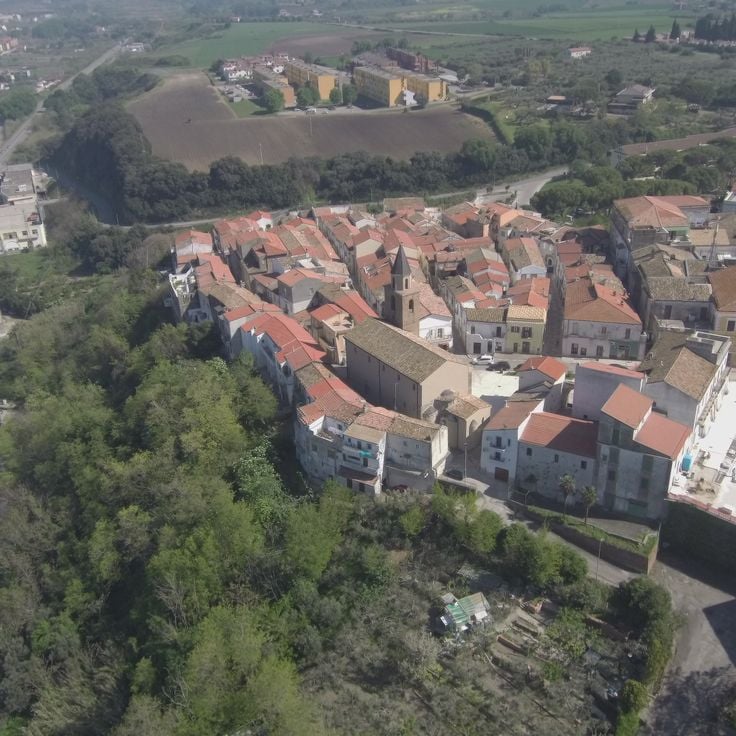
Villages like Ferrazzano, Agnone, or Civitacampomarano sit on high ground and have views of the nearby hills. The region has several natural parks, including one in the Matese area with mountain lakes and trails. Along the coast, about 40 kilometers long, there are beaches and small seaside towns like Termoli. Molise remains a quiet part of Italy where you find both signs of the past and natural spaces.
Molise in Italy: old villages, Roman sites and the Adriatic coast
Molise is in the south of Italy, between the Apennines and the Adriatic Sea. This area does not have many visitors and keeps a rural feel. In Campobasso, the Monforte castle sits on a hill above the town. Larino still has an old Roman amphitheater where you can see the seats and the arena. The ruins of Saepinum show a Roman town with a forum, theater, and gates. Even older are the remains of the Samnite sanctuary of Pietrabbondante, which is more than 2000 years old. They tell of the people who lived in these mountains before Rome.
Villages like Ferrazzano, Agnone, or Civitacampomarano sit on high ground and have views of the nearby hills. The region has several natural parks, including one in the Matese area with mountain lakes and trails. Along the coast, about 40 kilometers long, there are beaches and small seaside towns like Termoli. Molise remains a quiet part of Italy where you find both signs of the past and natural spaces.
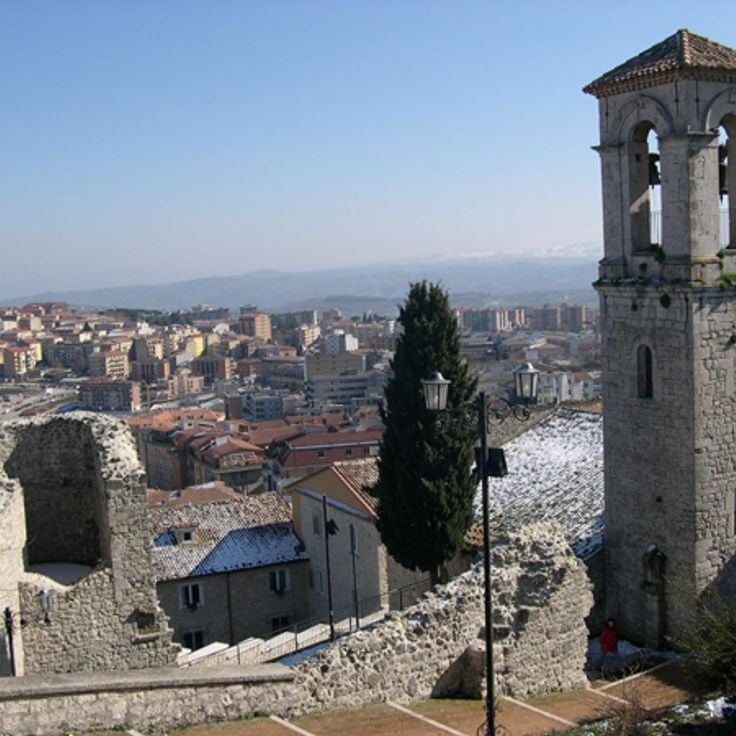
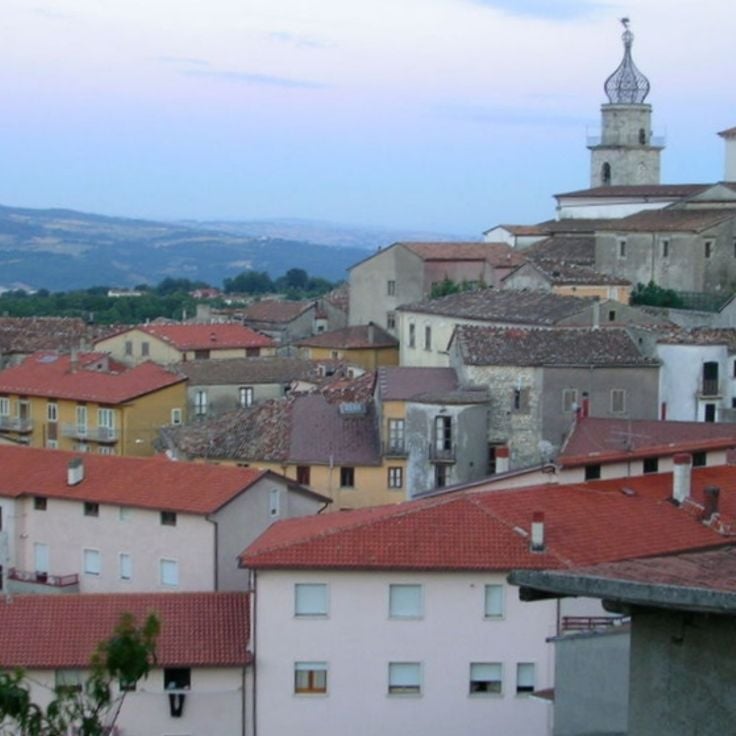
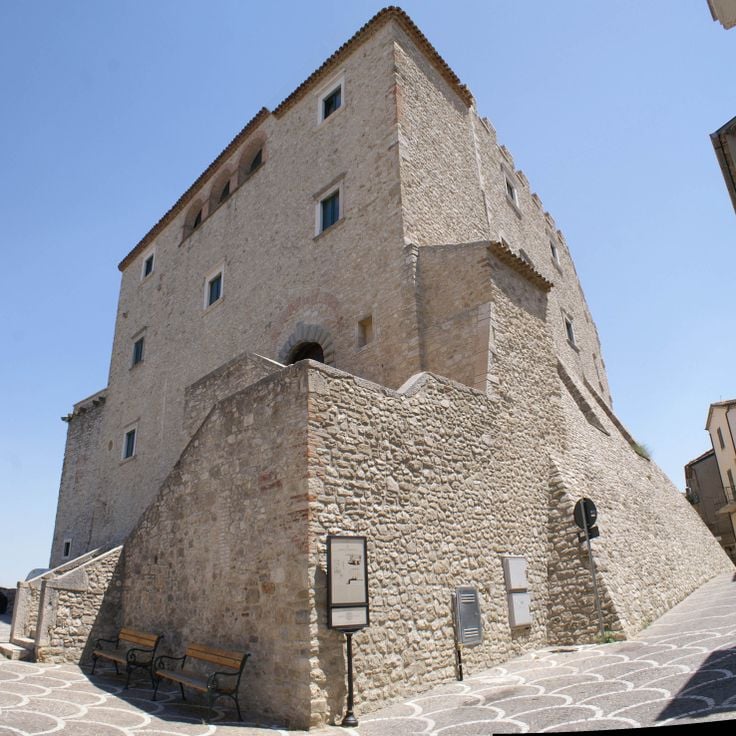
The historic centre of Campobasso is the old heart of the regional capital. It spreads across a hilltop with medieval streets and ancient buildings that tell stories from different periods. Walking through these narrow lanes, you see walls and structures that have stood for centuries. The Monforte Castle rises above everything, watching over the town below. This is a place where daily life continues in spaces shaped by the Middle Ages, where history is simply part of how the town exists.
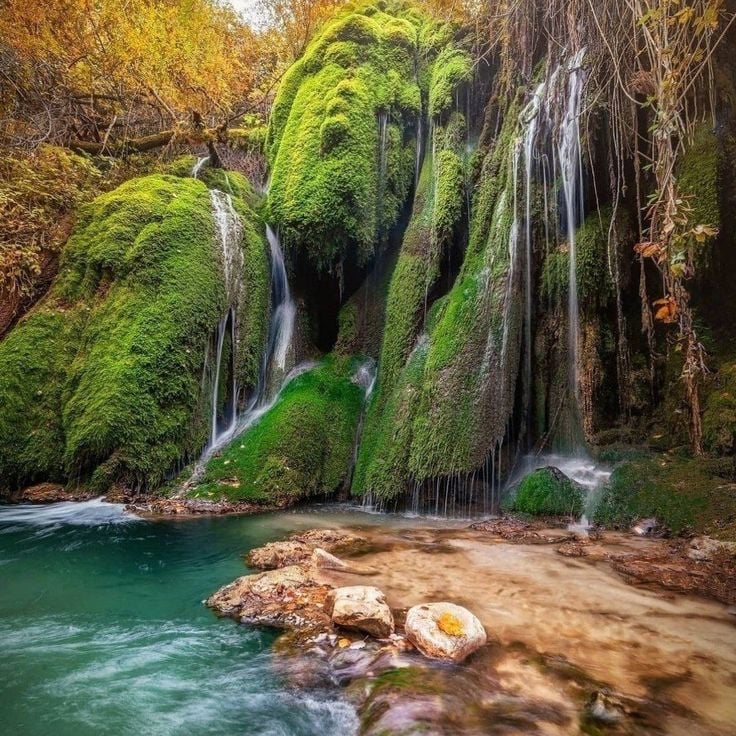
The Cascate del Volturno waterfalls are located in the upper Volturno valley and can be reached by hiking trails. They are situated in Molise, a region that contains medieval cities like Campobasso with its Monforte castle, Roman remains such as Larino's amphitheater, and archaeological sites like Saepinum with its theater and forum. These waterfalls are part of an area between the Apennines and the Adriatic Sea, where hilltop villages and natural parks like Matese with its mountain lakes can be found.
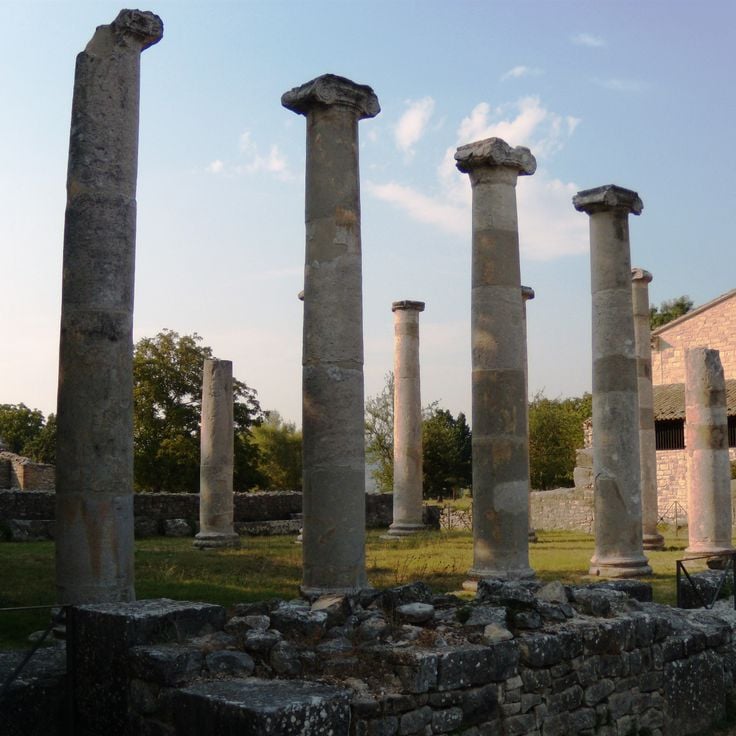
Saepinum in Sepino preserves the remains of an ancient Roman city. The ruins of this settlement have survived the centuries and reveal how people lived over 2000 years ago. Visitors can see the theater, the forum, and other structures that tell the story of Roman life here. The site sits in the quiet countryside of Molise, between the Apennine mountains and the Adriatic Sea. Saepinum is one of the region's most significant archaeological sites, showing how Romans established and used this urban center in southern Italy.
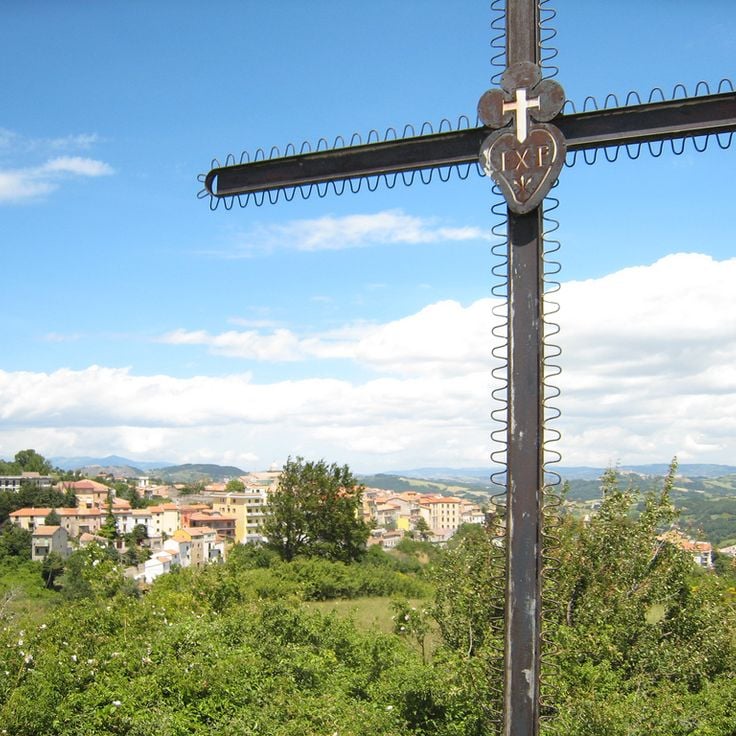
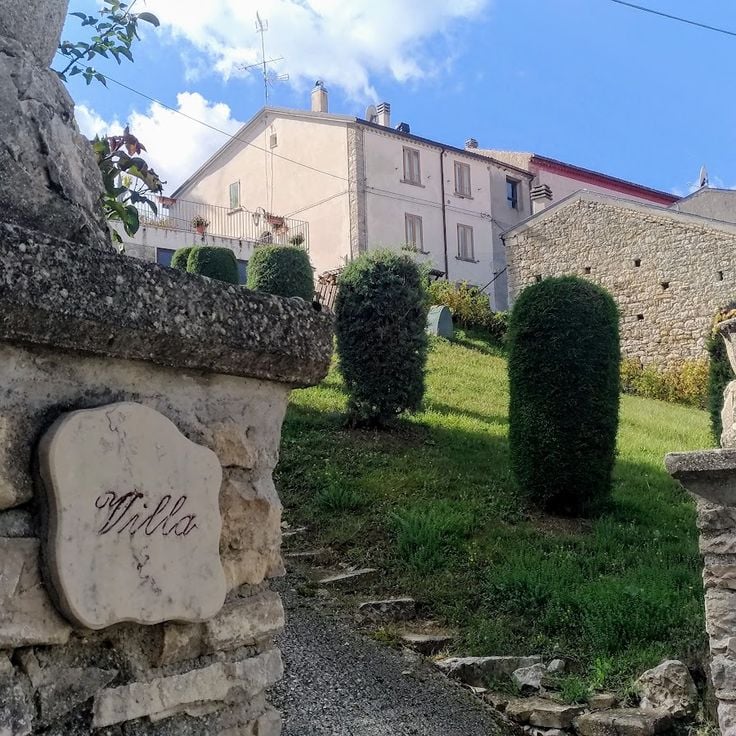
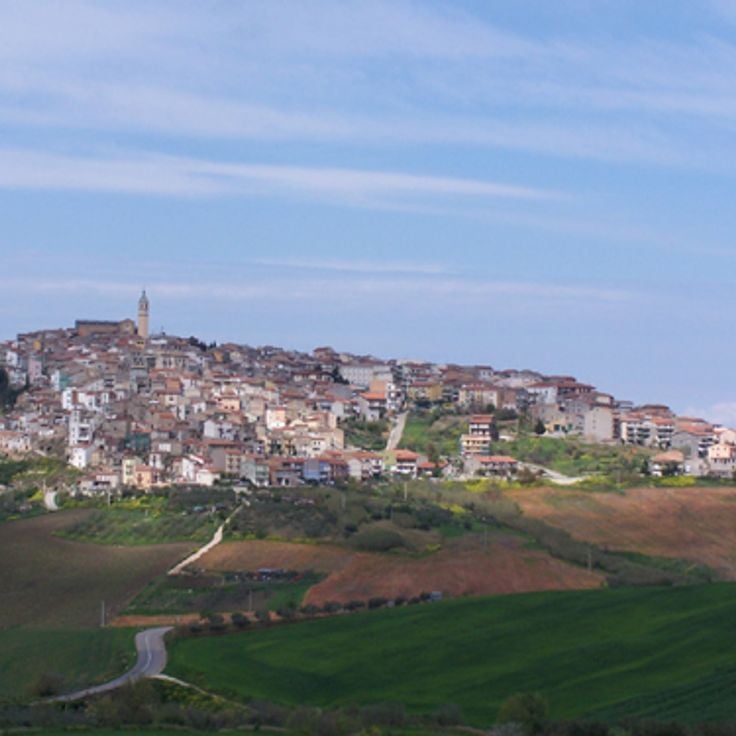
Ferrazzano is a village near Campobasso that rises on a hillside. From here, views extend across the Molise landscape. The village has narrow streets and old stone houses. It is a quiet place where you can experience the nature and history of this region in southern Italy. Ferrazzano sits between the Apennines and the Adriatic Sea and offers a good base for exploring the Roman ruins and other ancient sites in the area.
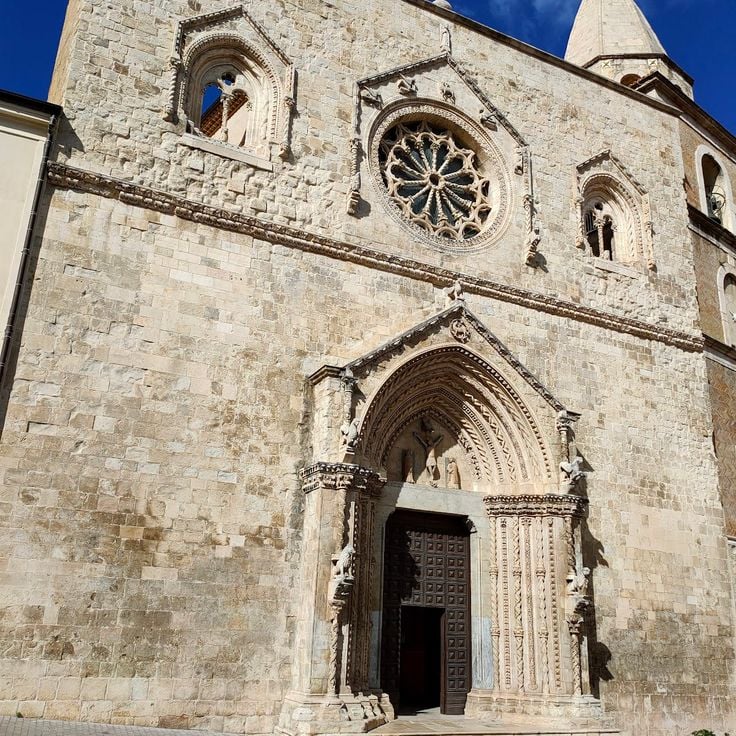
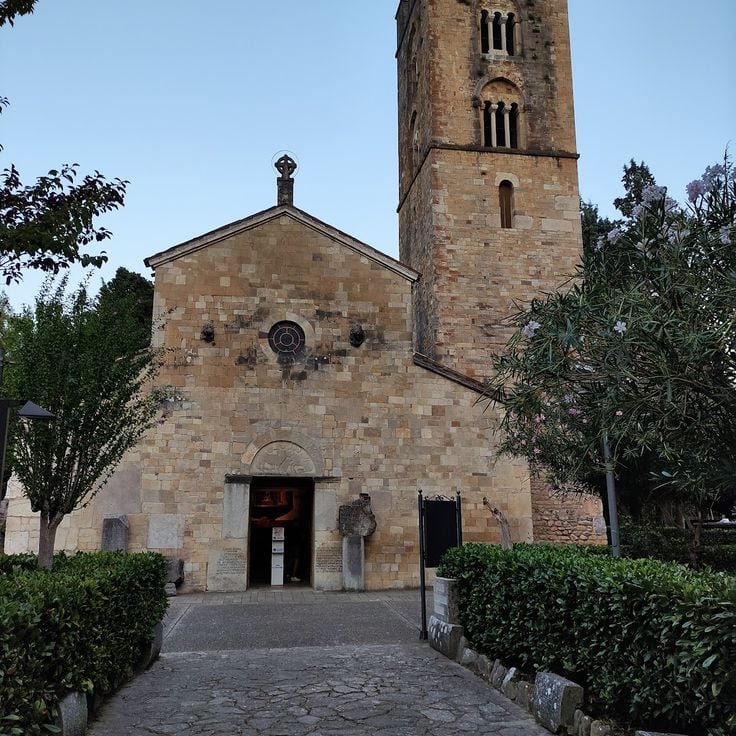
The historic centre of Larino is an old city shaped by its medieval architecture. Narrow paved alleys wind through the streets, lined with ancient buildings that speak to centuries of habitation. The cathedral sits at the heart of the town, reflecting the religious importance this place held over time. Nearby, Roman ruins can be explored, including an amphitheater that traces back to the ancient past. Positioned between the Apennines and the Adriatic Sea, Larino brings together history and nature in a place that has endured through the ages.
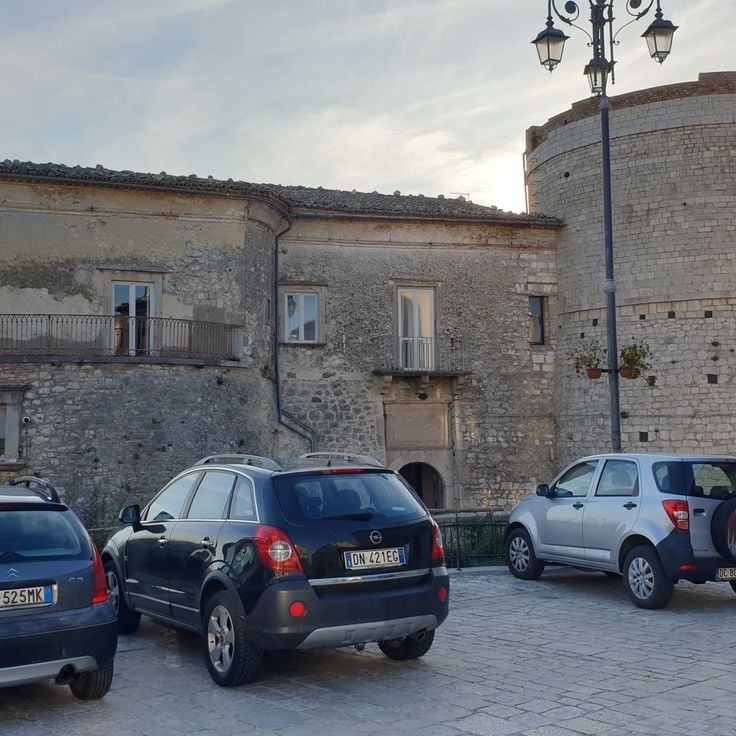
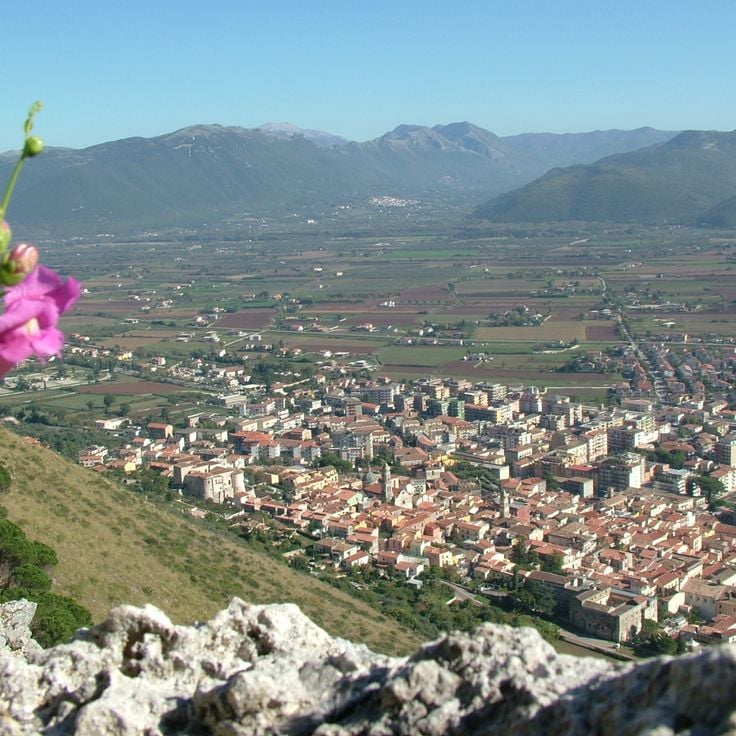
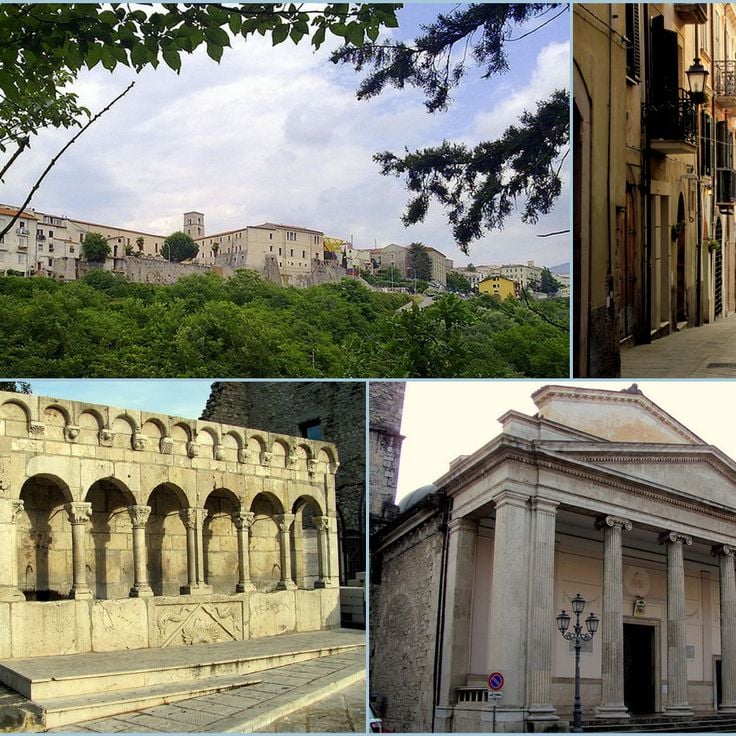
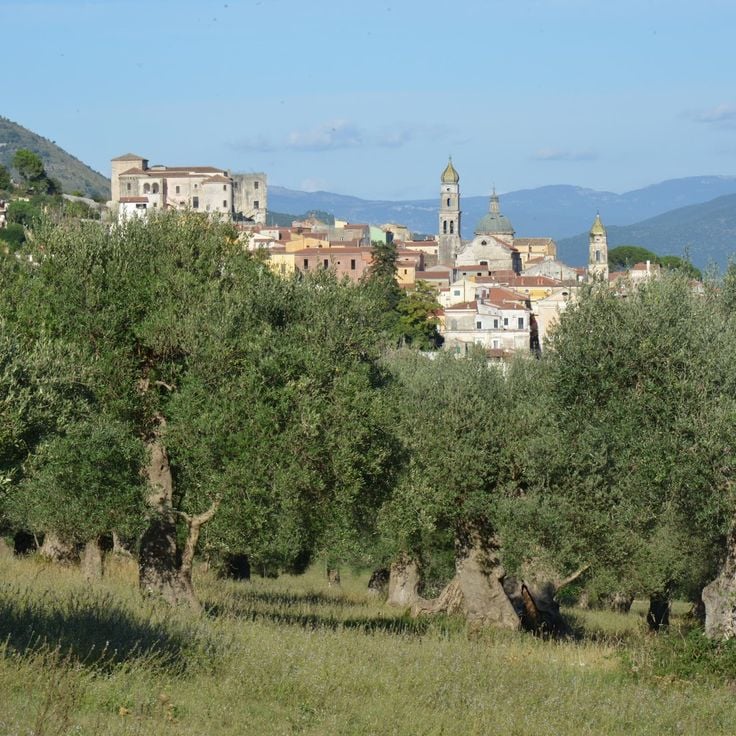
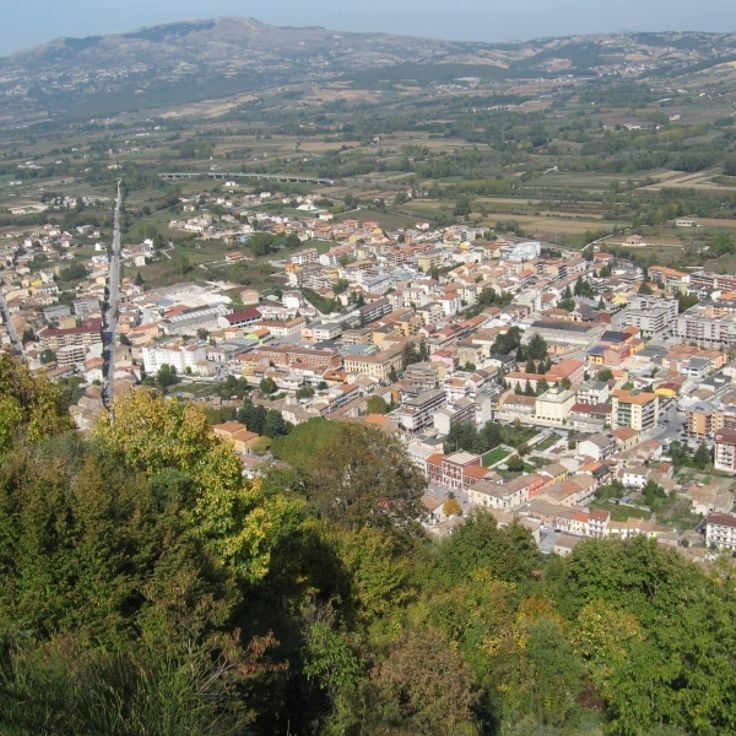
Venafro is a town in Molise that reveals the long history of this southern Italian region. The town has an old center with monuments spanning different periods. You can find traces of Roman times and the Middle Ages visible in the buildings and squares. Venafro brings together these historical layers in a place that reflects how Molise developed over time. Walking through the narrow streets, you discover architecture that shaped generations of people living here.
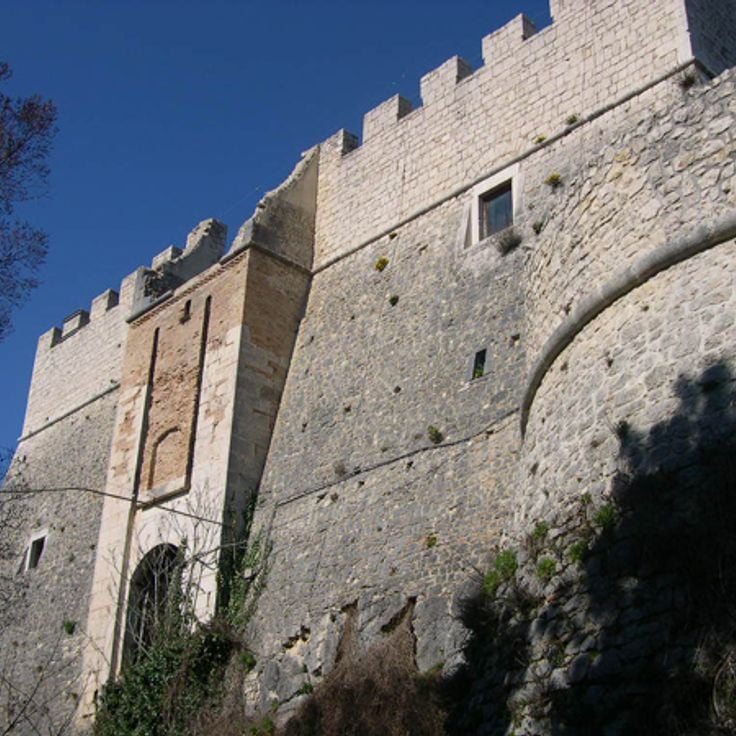
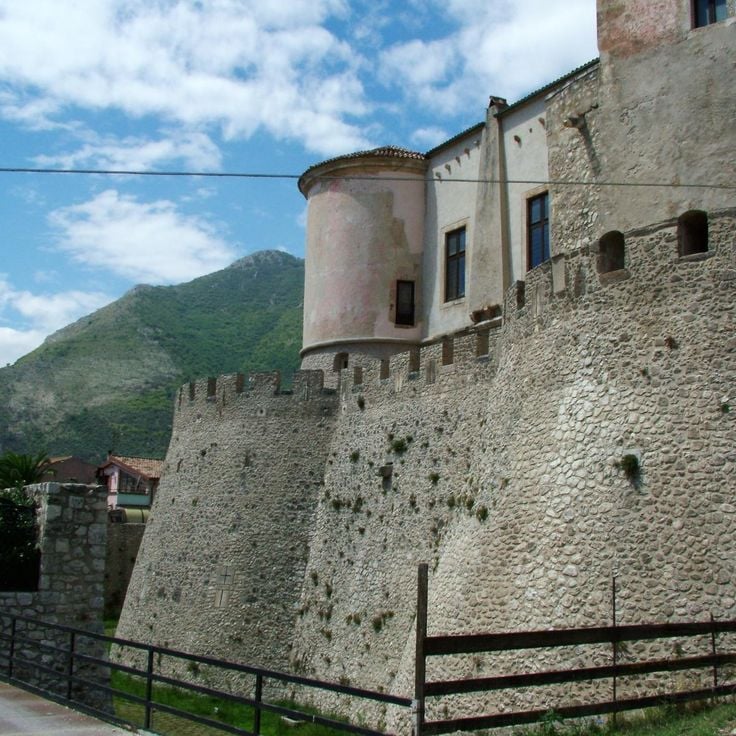
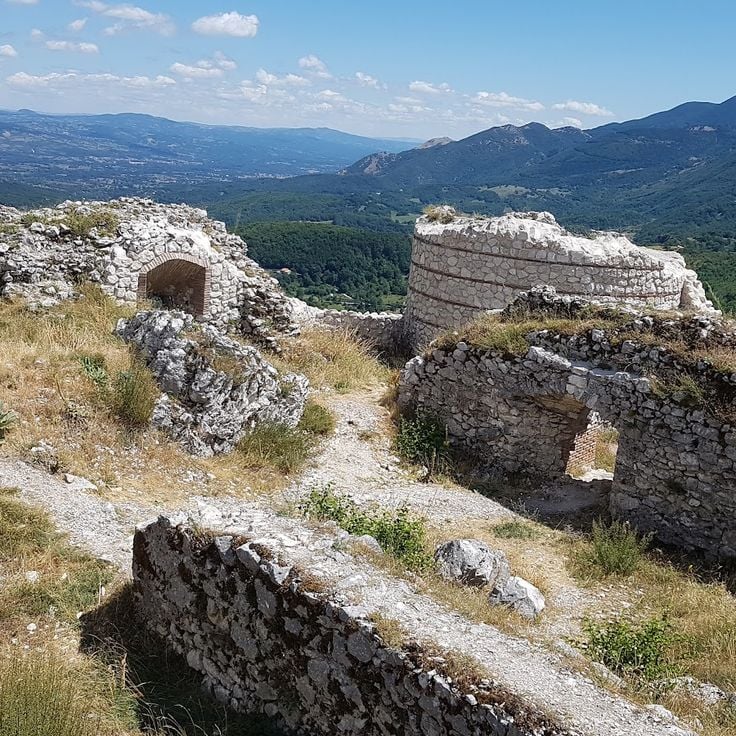
Castello Monforte rises above Campobasso and defines the skyline of this southern Italian city. This medieval fortress offers views over the surrounding hills and the town below. It tells the story of a region that sits between the Apennines and the Adriatic Sea, where Roman ruins and hilltop villages mark the Molise landscape. From here, you can sense why this area stays away from typical tourist routes and preserves a quiet, rural side of Italy.
Sepino is a village in Molise that serves as a gateway to the Saepinum archaeological site. Nearby, Saepinum reveals the remains of a Roman city with its theater and forum still visible. The village itself sits in the Apennines, between the mountains and the Adriatic Sea, offering a peaceful starting point to explore these historical ruins and the surrounding countryside.
The theater and sanctuary at Pietrabbondante stand over 2000 years old in the Molise region of southern Italy. These structures belong to the Samnite people who lived in the Apennines before the Romans arrived. The theater shows where people gathered for performances and public meetings. The sanctuary held temples where worshippers made offerings to their gods. You can walk around the ruins and see how this community organized its sacred and public spaces. The site tells the story of the Samnite civilization that flourished long before Roman rule.
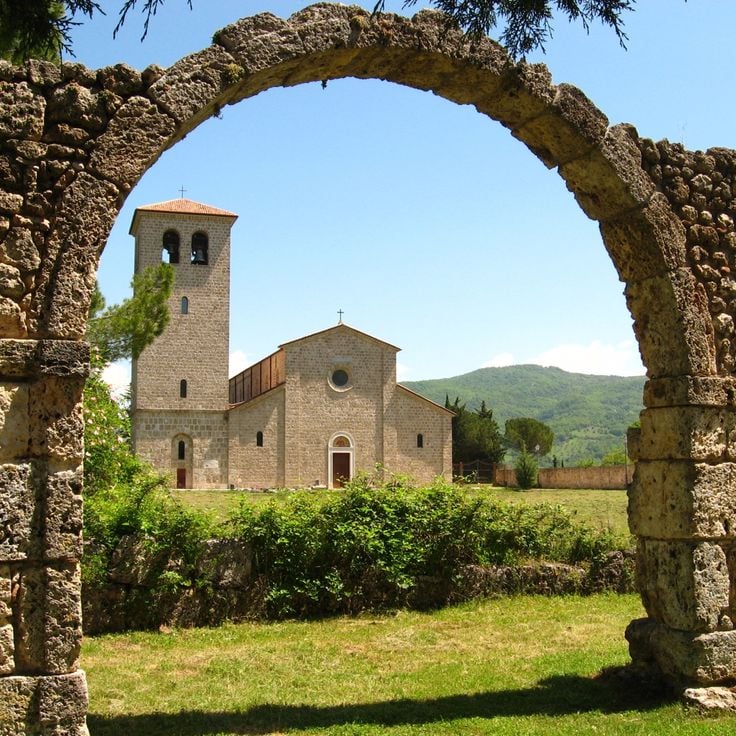
This abbey was founded in the early 8th century along the Volturno River in Molise. It became an important center for learning and crafts during the Middle Ages. The site contains a church, a cloister, and several other buildings spread across the grounds. Visitors can see remains from different periods, including mosaics and stonework. The natural setting, with the river flowing nearby and mountains in the distance, gives the place a quiet character. The ruins reveal how monks lived and worked in this remote region of southern Italy.
The Roman amphitheater of Larino sits in this region where history is visible everywhere. The remains come from Roman times and are located in the center of the city. You can see the old walls and understand how people gathered here long ago. This structure shows how important Larino once was. The site connects the past with the present and tells the story of life that took place here many centuries ago.
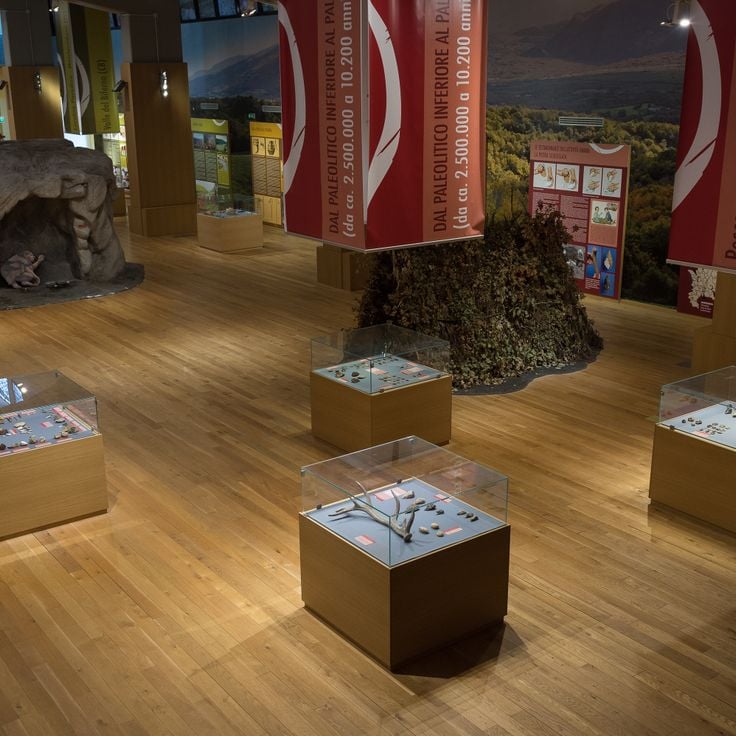
The Isernia La Pineta archaeological site reveals traces of the region's earliest inhabitants. This location contains remains from the Stone Age, documenting how people lived in this part of southern Italy thousands of years ago. Excavations have uncovered tools and objects that show daily life from that distant period. The findings help explain the presence of humans in this area long before organized settlements developed.
The historic center of Isernia is the old heart of this city in the Molise region. Medieval buildings and a street layout from that era define the character of this place. Isernia sits between the Apennines and the Adriatic Sea, in a region where history and nature coexist without artifice. Walking through its narrow streets, you find traces of the past woven into everyday life, far from usual tourist routes.
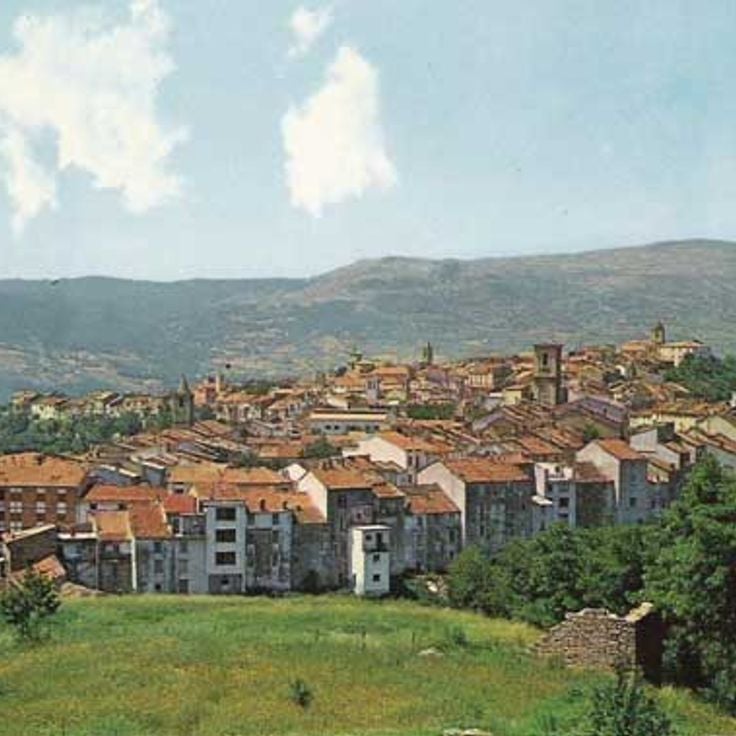
Agnone is a hilltop village in Molise where you can see how life unfolds in this quieter part of Italy. The old town center has medieval buildings and narrow streets that wind along the slope. From the village you can look out over the Apennine hills. Agnone has been known for centuries for its bell-casting workshops, where artisans continue this ancient craft. The village sits away from main tourist routes and shows you rural Italy as it actually is.
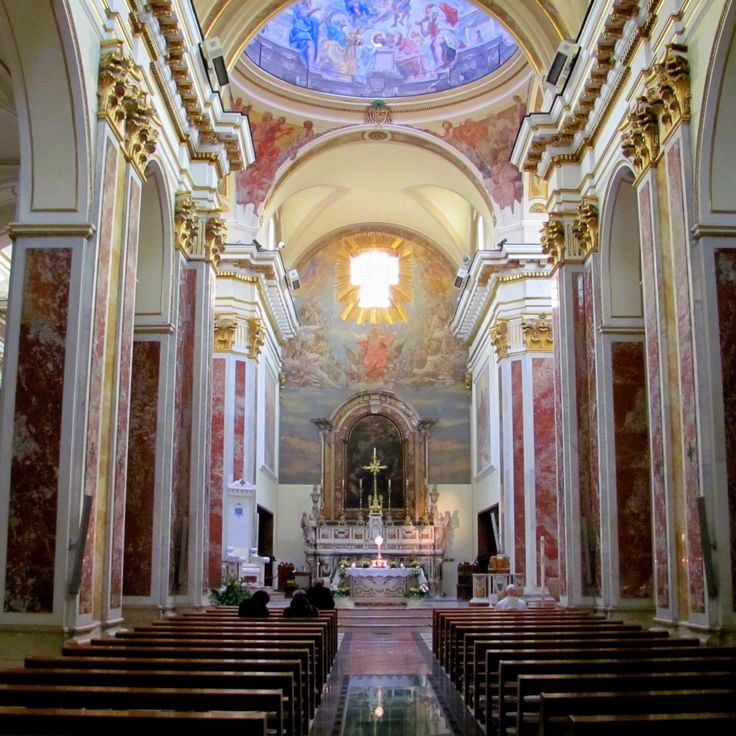
The Cathedral of San Pietro in Isernia serves as a focal point in this historic city and houses ancient crypts beneath its structure. These underground chambers contain remains from different periods that shaped the region. The cathedral connects the religious history of Molise with traces of cultures that inhabited this area centuries ago. Visitors can sense the layers of the past while exploring this place.
Castello Pandone in Venafro is a historic castle that holds Renaissance frescoes and operates as a museum. This fortress reflects how Molise, a region in southern Italy between the Apennines and the Adriatic Sea, preserves its past. Visitors can see the artwork and rooms that have survived from earlier centuries. The castle shows how history and daily life remain connected in this quieter part of Italy.
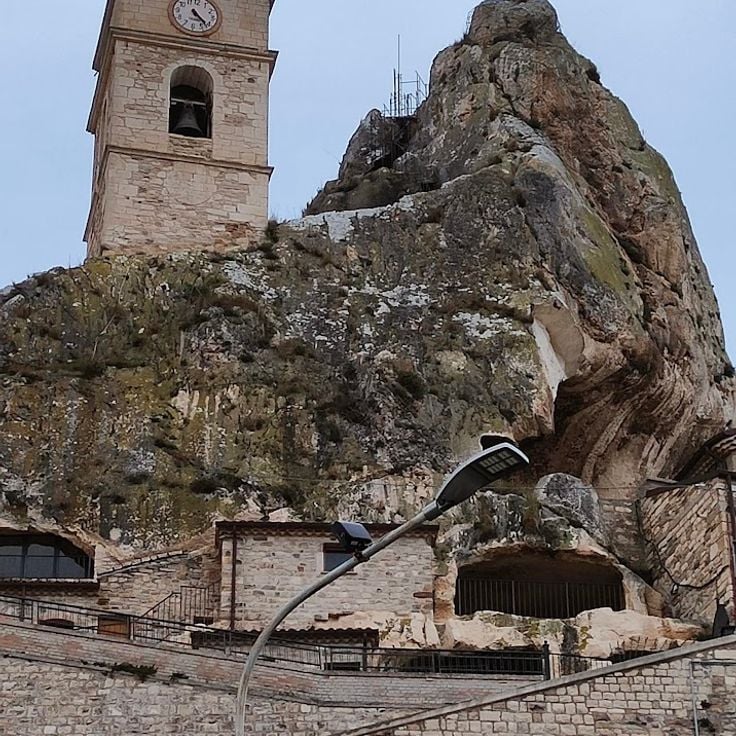
Frosolone is a small village in the Molise region, known for its crafts and distinctive rock formations. The village sits in the foothills of the Apennines and offers a glimpse into rural Italy, where traditional handicrafts are still practiced by local artisans. The landscape around Frosolone is shaped by limestone formations that give the area its characteristic appearance. This village represents the quiet character of a region that remains apart from usual tourist routes.
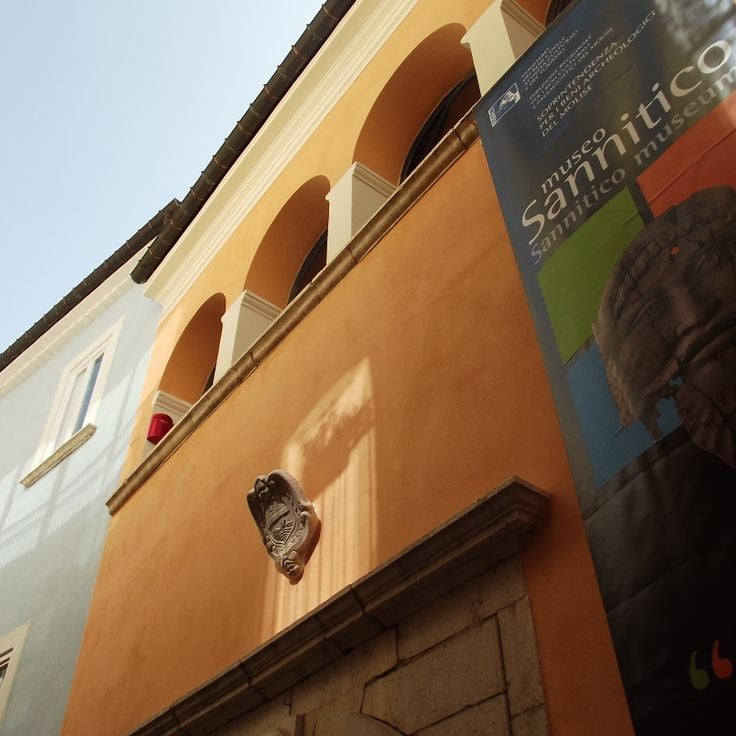
The Museo Sannitico in Campobasso displays archaeological collections from the Samnites, an ancient people who lived in this region. The museum holds objects from different periods, including pottery, weapons, and everyday items. These pieces show how the Samnites lived and what they valued, from over 2000 years ago when they occupied the mountains of Molise. Visiting the museum helps you understand the history of the area before Roman times.
The Parco Regionale dell Olivo di Venafro is a regional park in Molise dedicated to olive trees and their history. The park has walking paths that wind through groves of olives, which shape the landscape of this part of southern Italy. Visitors can see the old trees and learn about how olive growing has been important to the region for centuries. This park connects the rural traditions of Molise with nature and shows how people here have worked the land over generations.
Roccamandolfi is a village in the Molise region known for its remarkable suspended bridge. Located in the Apennines, the village offers visitors a place where history and nature meet. The suspension bridge spans a deep gorge and serves as a landmark of the region. Roccamandolfi displays the typical architecture of rural Molise with narrow streets and old stone buildings. The village is part of the quiet and rural side of Italy, distinct from busy tourist centers.
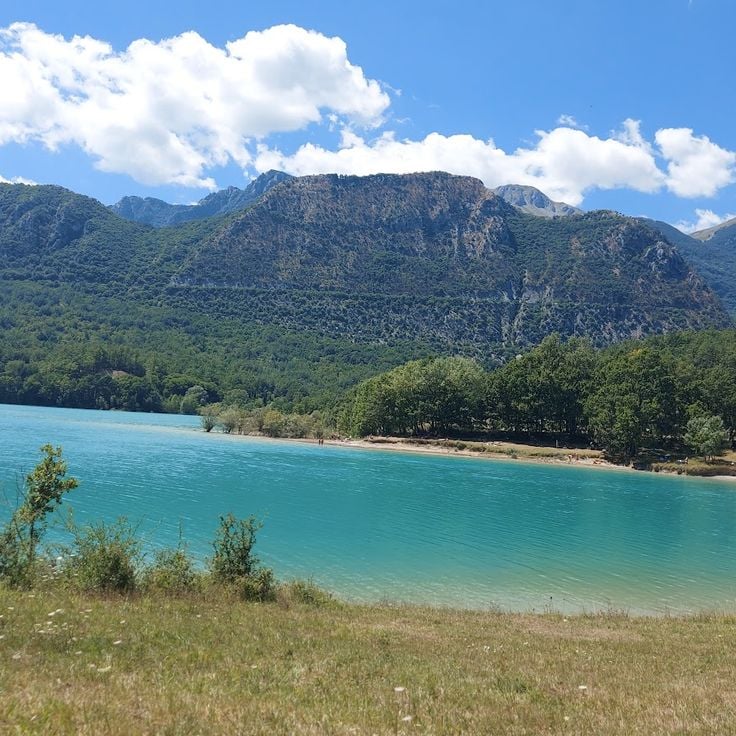
Lake Castel San Vincenzo sits in the heart of Molise, surrounded by the rolling hills of the region. This artificial reservoir was created by damming a river and offers visitors a place where water and mountains meet. The lake is lined with forests and invites walks along its shores. From various points, you can take in wide views of the surrounding landscape that are typical of this rural part of Italy.
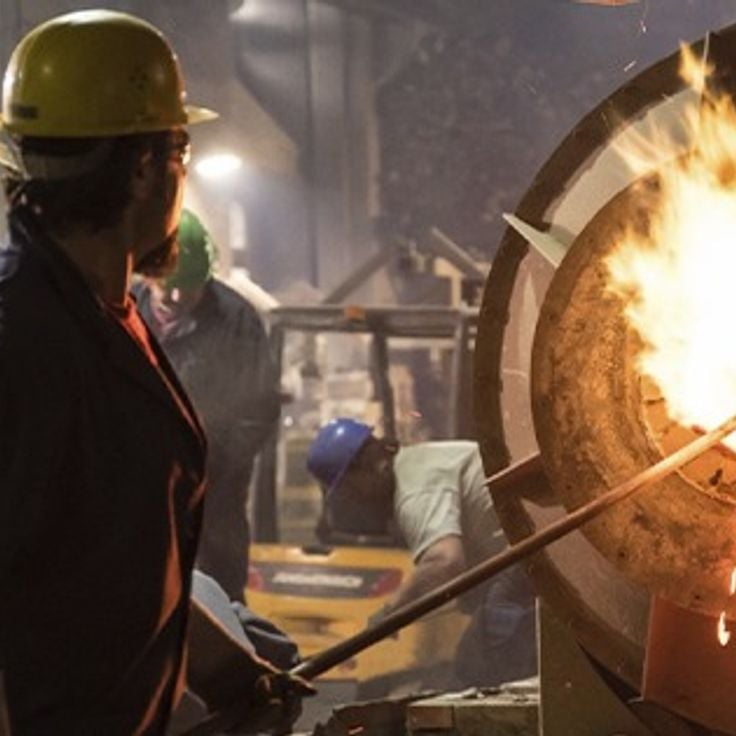
The Fonderia Marinelli in Agnone is a traditional bell foundry that has operated for centuries. Here, bells are made using old craftsmanship techniques. The workshop shows how artisans melt and cast metal to create bells for churches and other places. Visitors can watch the process and learn how this work has been passed down through generations.
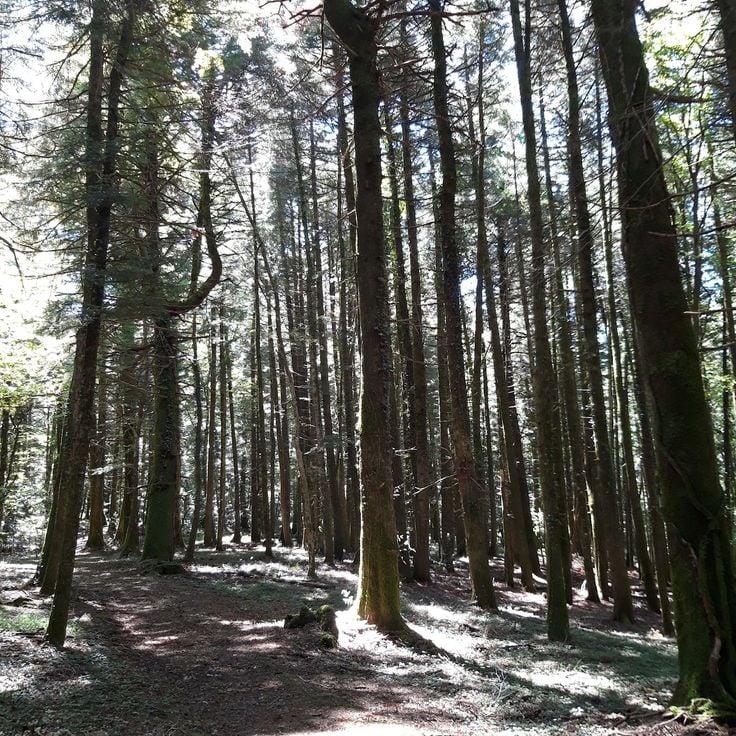
The Montedimezzo Nature Reserve in Vastogirardi features forests and walking trails that wind through the wooded slopes. Visitors can explore paths where trees provide shade and the landscape reveals itself gradually. This reserve is part of Molise, a region in southern Italy located between the Apennines and the Adriatic Sea, where history and nature exist side by side without pretension.
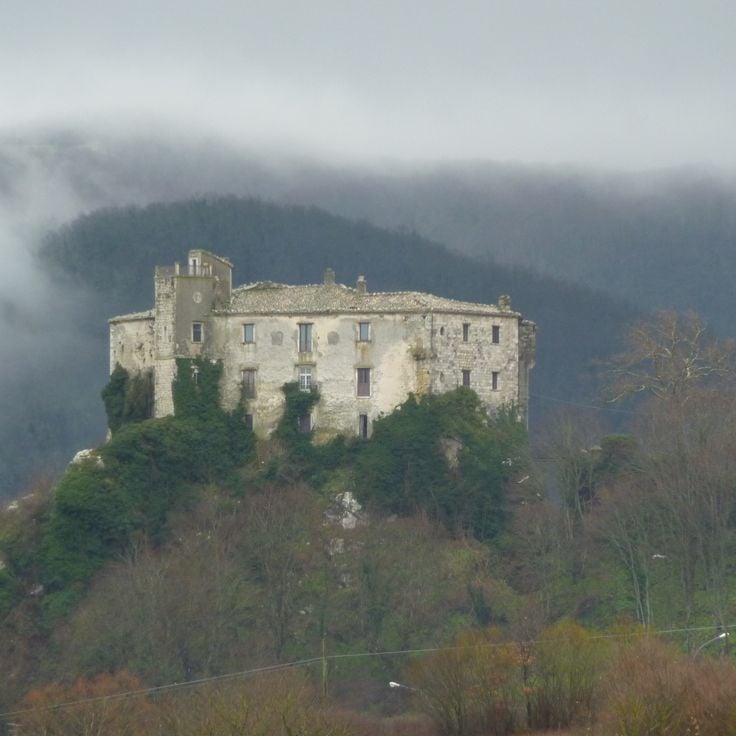
Castello di Pescolanciano is a medieval castle, also known as Castello d'Alessandro. This fortress stands in the Molise region of southern Italy, where history and landscape meet. The castle reflects the medieval past of the region, when fortified settlements like this shaped daily life. From its position, you can see the surrounding hills and rural landscape, much like other perched villages in Molise such as Ferrazzano or Civitacampomarano. Castello di Pescolanciano is part of the rich historical and archaeological heritage of this often-overlooked region, which sits between the Apennines and the Adriatic Sea.
The Castello di Gambatesa is a Renaissance castle in Gambatesa adorned with frescoes from that era. It stands in the Molise region between the Apennines and the Adriatic Sea, where ancient fortifications and Roman ruins tell the story of medieval history. This castle offers insight into the rural past of this often-overlooked region of southern Italy, where history and nature coexist without pretense.
The Santuario di Canneto is a pilgrimage shrine in Roccavivara set within the natural landscape of Molise. This sanctuary draws visitors who come to pray and find peace in its wooded surroundings. The shrine represents how local people have connected religious devotion with the mountain environment of the region, blending spiritual practice with the land itself.
Oratino is a village perched on a hilltop in the Molise region, overlooking the surrounding landscape. From this vantage point, you can see across the hills and valleys that characterize the area. The village features the typical structure of mountain settlements, with narrow streets and older buildings. Oratino offers a way to experience the quieter side of rural Italy, where the past remains visible in the everyday life of its residents.
Pietracupa is a village in the Molise region that sits on a hilltop and offers views of the surrounding landscape. The village is set among rocky terrain typical of this area. From here, you can see the Apennines and the rolling hills beyond. Life in the village moves at a slow pace. Houses follow the contours of the land, and narrow streets lead to different viewpoints. Pietracupa shows how people live in the mountains of Molise and relate to their surroundings.
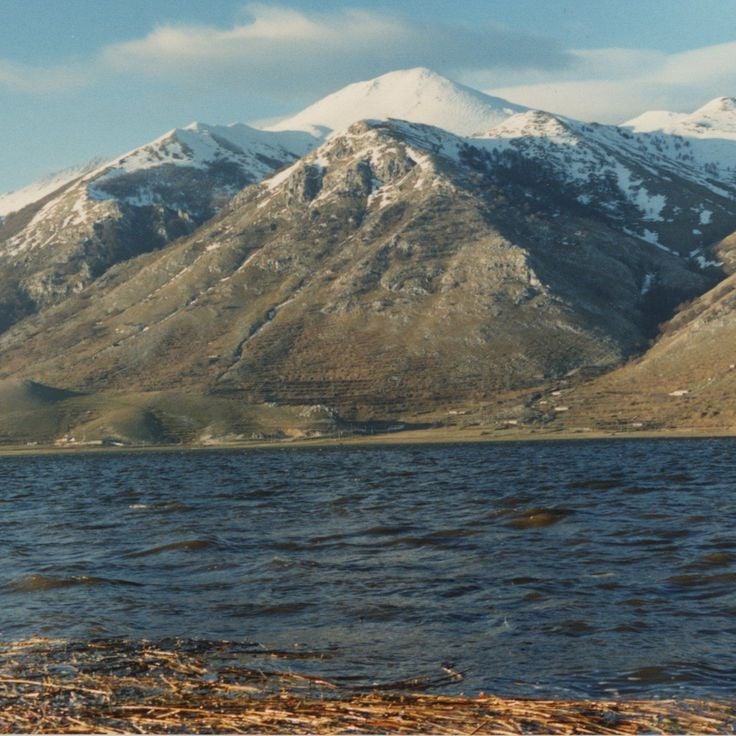
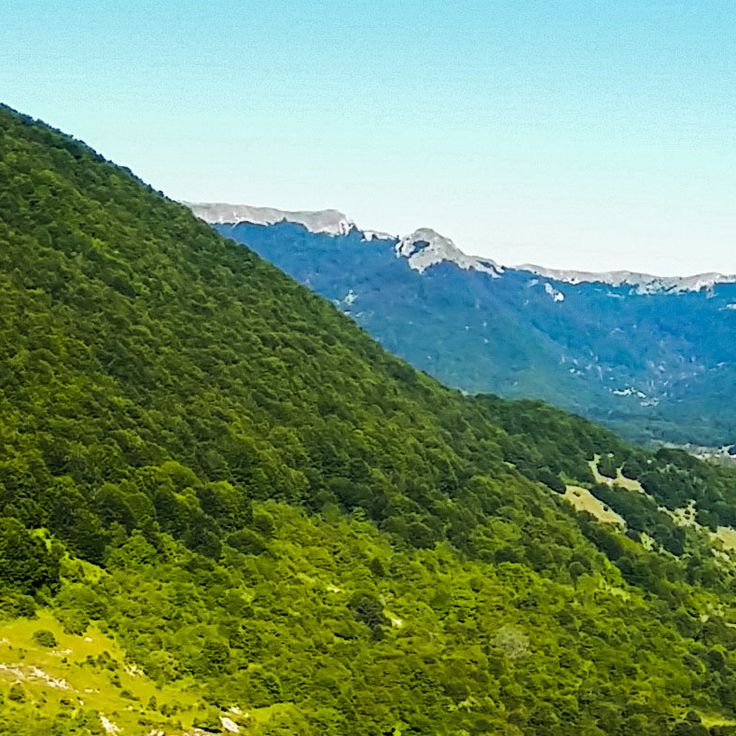
The Parco Regionale del Matese is a regional park in Molise that encompasses the Matese mountain range. Within its boundaries you will find mountain lakes, hiking trails, and views across the surrounding Apennines. The park offers a place to explore nature beyond the usual routes, with forests, meadows, and a quiet landscape that shows the rural side of Italy.
Castel del Giudice is a village in the upper Molise region, surrounded by rural territory. Located in the Apennines, this village offers views over the surrounding hills. The landscape here consists of fields, forests, and traditional ways of life. Castel del Giudice remains away from typical tourist routes, showing the countryside side of southern Italy.
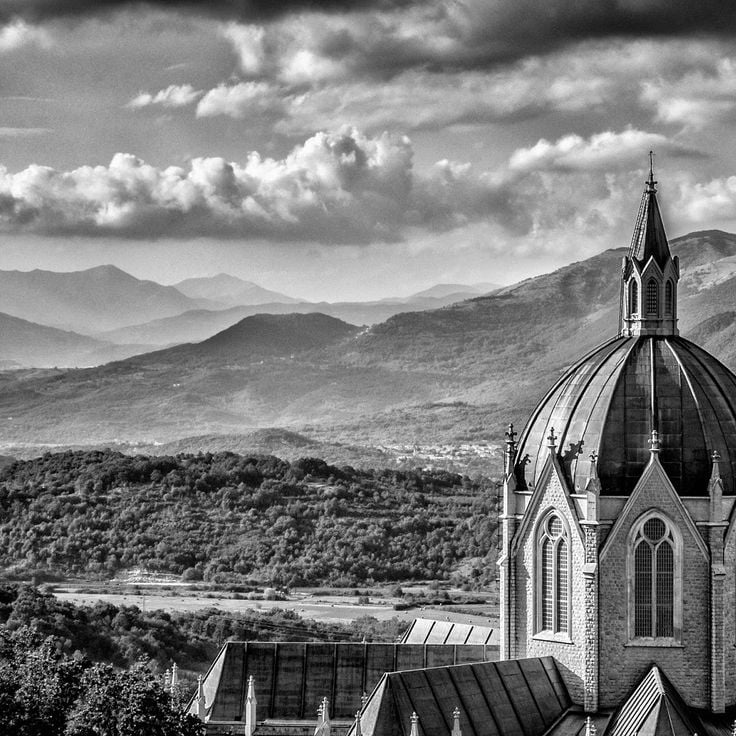
The Sanctuary of Castelpetroso sits in the mountains of Molise and serves as a pilgrimage site of religious importance. Visitors come here to pray and reflect. The sanctuary is set in a mountainous landscape typical of this region, where history and religious life are closely connected.
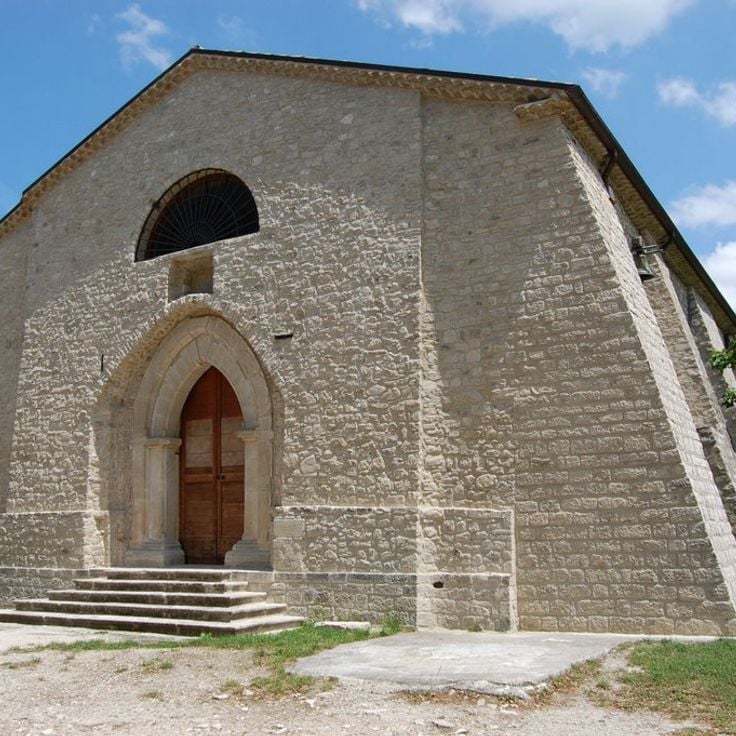
The Abbey of Santa Maria di Faifoli in Montagano is a historic monastic complex that reflects the religious history of Molise. It stands in a region defined by medieval buildings and ancient ruins. The monastery connects with the rural landscape of southern Italy and shows how religious communities lived in this remote area.
Trivento is an old town in Molise with a historic center that shows traces of different periods. The cathedral shapes the townscape and reveals the religious importance this place held over centuries. The architecture of the old town tells of a long history where Roman influences and medieval buildings blend together. Walking through the streets of Trivento, you discover a piece of rural Italy that stays away from the noise.
The Abruzzo Lazio e Molise National Park covers the mountainous areas of the Molise region with diverse natural ecosystems. The park protects forests, mountain meadows, and alpine lakes in the Mainarde range. Rare animals like wolves, bears, and eagles live here. Walking trails cross different landscapes, from dense beech forests to open ridge areas. This park is a key part of Molise's nature and shows how the region's natural environment connects to its history.
The Mainarde is a mountain range in the Molise region stretching between Venafro and Rocchetta a Volturno. It offers hiking trails through natural landscapes and allows visitors to experience the Apennines up close. The mountain paths wind through forests and over ridges, opening onto views of the surrounding valleys. This range is part of the natural landscape of Molise, a region where history and nature exist together without pretense.
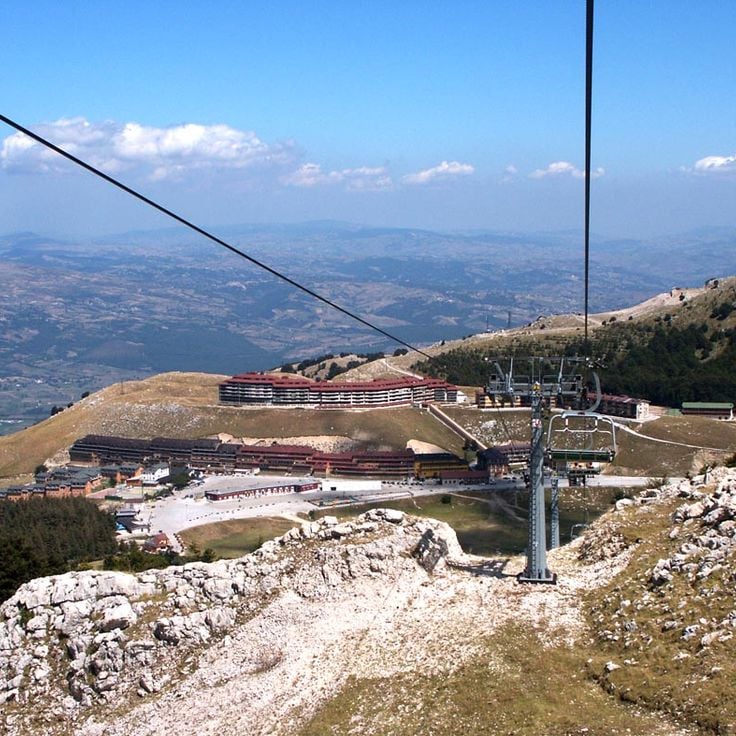
Campitello Matese is a mountain village in the heart of the Matese range, where hiking trails connect the surrounding peaks and valleys. Located high in the Apennines, this place serves as a starting point for walks through forests and across ridges. In winter, the area becomes a destination for snow sports. From here, visitors can reach the mountain lakes of Matese and explore the rolling hills that define the Molise landscape.
Bojano is a town in the Molise region that serves as a gateway to the Matese Massif. Located between the Apennines and the Adriatic Sea, it sits in a region that remains outside the usual tourist paths. The town connects the history of this southern Italian area with access to natural landscapes. From here, visitors can explore the mountains, reach hiking trails, and discover rural Italy, where ancient sites and hilltop villages are scattered across the countryside.
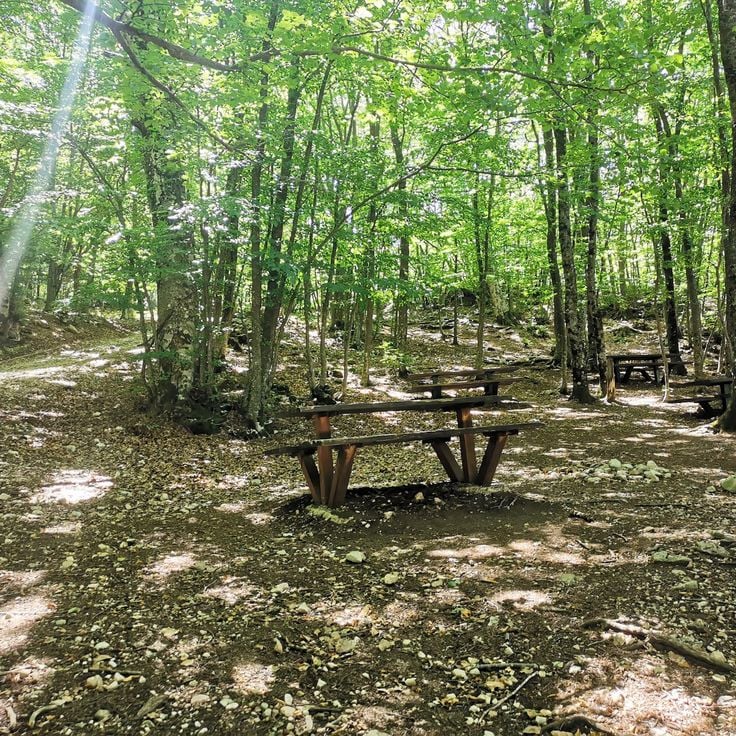
The Riserva MAB Collemeluccio Montedimezzo is a nature reserve in the Alta Molise region and represents an important part of Molise's natural heritage. The reserve is defined by extensive forests situated among the Apennines, providing diverse habitats for local plants and animals. Visitors find here a network of walking trails that lead through the landscape and offer opportunities to explore the region's natural character. This area reflects the rural, unspoiled quality of Molise, where history and nature coexist.
Montenero di Bisaccia is a small village perched on a hillside above the Adriatic Sea in Molise. From this elevated position, the village offers views across the water and toward the surrounding countryside with its rolling hills. The settlement has the appearance of a traditional coastal town in southern Italy, with narrow streets and stone buildings. Its location between the Apennine Mountains and the sea makes Montenero di Bisaccia a place where one encounters rural Italy as it exists away from the main tourist routes.
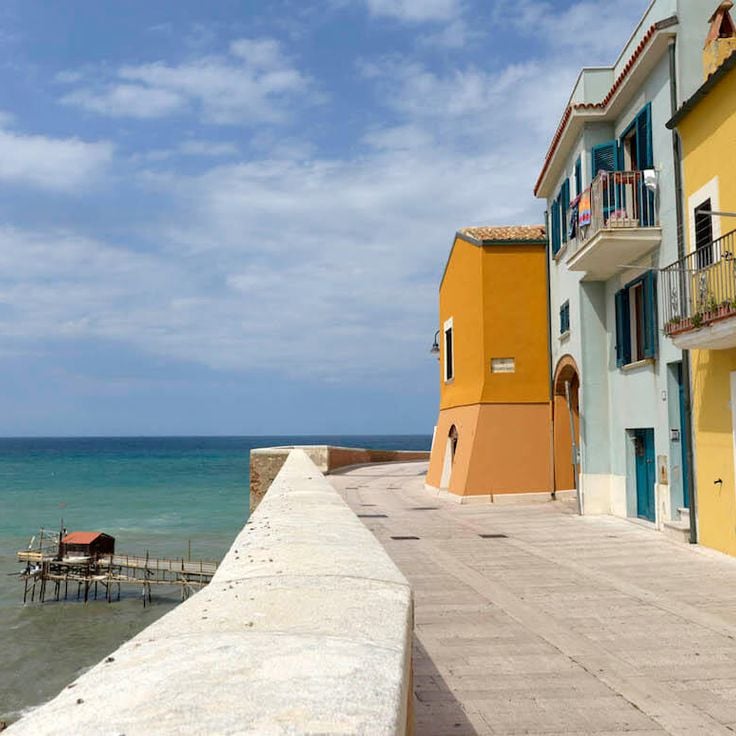
The Borgo antico di Termoli is the old heart of this coastal city on the Adriatic Sea. Narrow streets wind between ancient buildings that have been shaped by centuries of daily life. Here you find the rhythm of a town that developed slowly over time: staircases climbing between houses, small squares where neighbors gather, and stone walls that speak of the city's past. The Castello Svevo stands above the center, a reminder of the days when this was a key fortress.
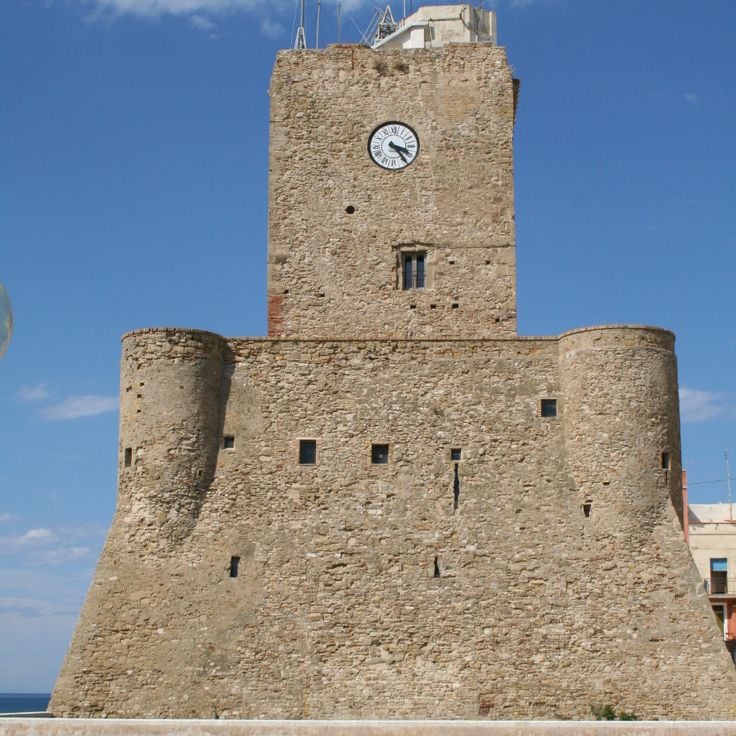
The Castello Svevo di Termoli is a Norman fortress sitting right on the Adriatic coast in Molise. It stands directly at the waterfront and overlooks the sea. Built in the 12th century, the castle shows layers of history from Norman times through later renovations. Its heavy stone walls and strategic location tell the story of this region caught between different cultures. Today it remains a key landmark in the seaside town of Termoli, offering visitors a connection to the area's past.
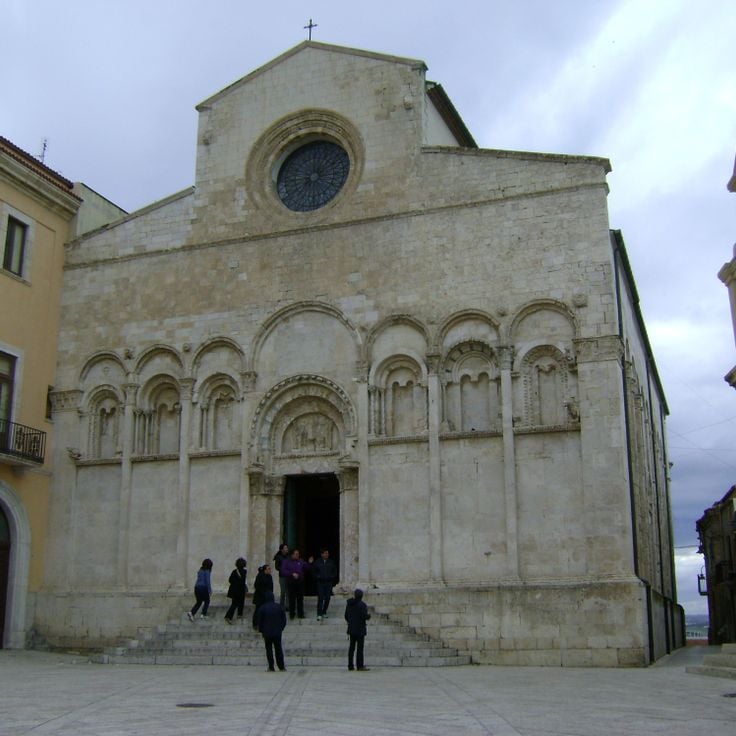
The cathedral of Termoli sits in this coastal town along the Adriatic Sea. The building shows the marks of different periods and reflects the changing history of this region. From outside, you notice its solid construction, built to withstand the elements. Inside, you find religious artworks and spaces where the community gathered for centuries. The cathedral remains accessible to both worshippers and visitors.
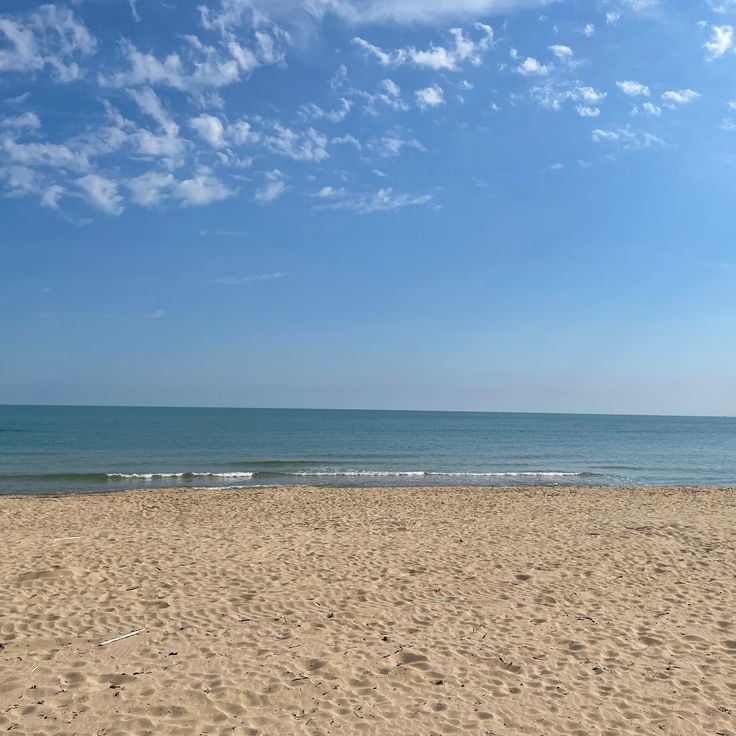
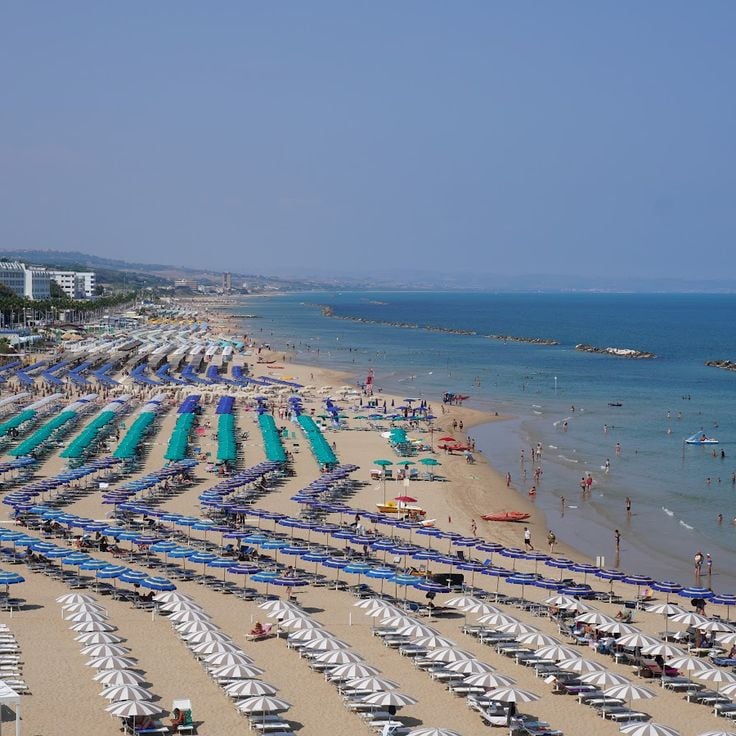
The waterfront and beaches of Termoli form the beating heart of this coastal town along the Adriatic Sea. The promenade runs along the water's edge, connecting the old town with the beach areas where locals and visitors stroll, especially on warm days. The sandy beaches are easy to access and good for swimming and sunbathing. Along the promenade sit small restaurants and cafes where you can sit down and watch the sea. This is where the Molise region shows its open face to the Adriatic, a place where daily life and tourism blend naturally without pretense.
Campomarino is a small coastal village on the Adriatic Sea, surrounded by pine forests. The town has wide sandy beaches where visitors can swim and rest. Pine trees provide shade and define the character of this quiet seaside area. Campomarino sits away from major tourist centers and keeps the feel of a simple fishing village with local restaurants and small hotels.
Petacciato Marina features beaches and dunes along the Adriatic coast. This coastal town in Molise is one of the quieter seaside places in the region, known for its wide sandy beaches and gently sloping shore. The dune landscape shapes the character of the beach and creates a natural transition between the sea and the inland area. Here you can experience the calm of the Adriatic coast without crowds.
The historic centre of Campobasso is the old heart of the regional capital. It spreads across a hilltop with medieval streets and ancient buildings that tell stories from different periods. Walking through these narrow lanes, you see walls and structures that have stood for centuries. The Monforte Castle rises above everything, watching over the town below. This is a place where daily life continues in spaces shaped by the Middle Ages, where history is simply part of how the town exists.
The Cascate del Volturno waterfalls are located in the upper Volturno valley and can be reached by hiking trails. They are situated in Molise, a region that contains medieval cities like Campobasso with its Monforte castle, Roman remains such as Larino's amphitheater, and archaeological sites like Saepinum with its theater and forum. These waterfalls are part of an area between the Apennines and the Adriatic Sea, where hilltop villages and natural parks like Matese with its mountain lakes can be found.
Saepinum in Sepino preserves the remains of an ancient Roman city. The ruins of this settlement have survived the centuries and reveal how people lived over 2000 years ago. Visitors can see the theater, the forum, and other structures that tell the story of Roman life here. The site sits in the quiet countryside of Molise, between the Apennine mountains and the Adriatic Sea. Saepinum is one of the region's most significant archaeological sites, showing how Romans established and used this urban center in southern Italy.
Ferrazzano is a village near Campobasso that rises on a hillside. From here, views extend across the Molise landscape. The village has narrow streets and old stone houses. It is a quiet place where you can experience the nature and history of this region in southern Italy. Ferrazzano sits between the Apennines and the Adriatic Sea and offers a good base for exploring the Roman ruins and other ancient sites in the area.
The historic centre of Larino is an old city shaped by its medieval architecture. Narrow paved alleys wind through the streets, lined with ancient buildings that speak to centuries of habitation. The cathedral sits at the heart of the town, reflecting the religious importance this place held over time. Nearby, Roman ruins can be explored, including an amphitheater that traces back to the ancient past. Positioned between the Apennines and the Adriatic Sea, Larino brings together history and nature in a place that has endured through the ages.
Venafro is a town in Molise that reveals the long history of this southern Italian region. The town has an old center with monuments spanning different periods. You can find traces of Roman times and the Middle Ages visible in the buildings and squares. Venafro brings together these historical layers in a place that reflects how Molise developed over time. Walking through the narrow streets, you discover architecture that shaped generations of people living here.
Castello Monforte rises above Campobasso and defines the skyline of this southern Italian city. This medieval fortress offers views over the surrounding hills and the town below. It tells the story of a region that sits between the Apennines and the Adriatic Sea, where Roman ruins and hilltop villages mark the Molise landscape. From here, you can sense why this area stays away from typical tourist routes and preserves a quiet, rural side of Italy.
Sepino is a village in Molise that serves as a gateway to the Saepinum archaeological site. Nearby, Saepinum reveals the remains of a Roman city with its theater and forum still visible. The village itself sits in the Apennines, between the mountains and the Adriatic Sea, offering a peaceful starting point to explore these historical ruins and the surrounding countryside.
The theater and sanctuary at Pietrabbondante stand over 2000 years old in the Molise region of southern Italy. These structures belong to the Samnite people who lived in the Apennines before the Romans arrived. The theater shows where people gathered for performances and public meetings. The sanctuary held temples where worshippers made offerings to their gods. You can walk around the ruins and see how this community organized its sacred and public spaces. The site tells the story of the Samnite civilization that flourished long before Roman rule.
This abbey was founded in the early 8th century along the Volturno River in Molise. It became an important center for learning and crafts during the Middle Ages. The site contains a church, a cloister, and several other buildings spread across the grounds. Visitors can see remains from different periods, including mosaics and stonework. The natural setting, with the river flowing nearby and mountains in the distance, gives the place a quiet character. The ruins reveal how monks lived and worked in this remote region of southern Italy.
The Roman amphitheater of Larino sits in this region where history is visible everywhere. The remains come from Roman times and are located in the center of the city. You can see the old walls and understand how people gathered here long ago. This structure shows how important Larino once was. The site connects the past with the present and tells the story of life that took place here many centuries ago.
The Isernia La Pineta archaeological site reveals traces of the region's earliest inhabitants. This location contains remains from the Stone Age, documenting how people lived in this part of southern Italy thousands of years ago. Excavations have uncovered tools and objects that show daily life from that distant period. The findings help explain the presence of humans in this area long before organized settlements developed.
The historic center of Isernia is the old heart of this city in the Molise region. Medieval buildings and a street layout from that era define the character of this place. Isernia sits between the Apennines and the Adriatic Sea, in a region where history and nature coexist without artifice. Walking through its narrow streets, you find traces of the past woven into everyday life, far from usual tourist routes.
Agnone is a hilltop village in Molise where you can see how life unfolds in this quieter part of Italy. The old town center has medieval buildings and narrow streets that wind along the slope. From the village you can look out over the Apennine hills. Agnone has been known for centuries for its bell-casting workshops, where artisans continue this ancient craft. The village sits away from main tourist routes and shows you rural Italy as it actually is.
The Cathedral of San Pietro in Isernia serves as a focal point in this historic city and houses ancient crypts beneath its structure. These underground chambers contain remains from different periods that shaped the region. The cathedral connects the religious history of Molise with traces of cultures that inhabited this area centuries ago. Visitors can sense the layers of the past while exploring this place.
Castello Pandone in Venafro is a historic castle that holds Renaissance frescoes and operates as a museum. This fortress reflects how Molise, a region in southern Italy between the Apennines and the Adriatic Sea, preserves its past. Visitors can see the artwork and rooms that have survived from earlier centuries. The castle shows how history and daily life remain connected in this quieter part of Italy.
Frosolone is a small village in the Molise region, known for its crafts and distinctive rock formations. The village sits in the foothills of the Apennines and offers a glimpse into rural Italy, where traditional handicrafts are still practiced by local artisans. The landscape around Frosolone is shaped by limestone formations that give the area its characteristic appearance. This village represents the quiet character of a region that remains apart from usual tourist routes.
The Museo Sannitico in Campobasso displays archaeological collections from the Samnites, an ancient people who lived in this region. The museum holds objects from different periods, including pottery, weapons, and everyday items. These pieces show how the Samnites lived and what they valued, from over 2000 years ago when they occupied the mountains of Molise. Visiting the museum helps you understand the history of the area before Roman times.
The Parco Regionale dell Olivo di Venafro is a regional park in Molise dedicated to olive trees and their history. The park has walking paths that wind through groves of olives, which shape the landscape of this part of southern Italy. Visitors can see the old trees and learn about how olive growing has been important to the region for centuries. This park connects the rural traditions of Molise with nature and shows how people here have worked the land over generations.
Roccamandolfi is a village in the Molise region known for its remarkable suspended bridge. Located in the Apennines, the village offers visitors a place where history and nature meet. The suspension bridge spans a deep gorge and serves as a landmark of the region. Roccamandolfi displays the typical architecture of rural Molise with narrow streets and old stone buildings. The village is part of the quiet and rural side of Italy, distinct from busy tourist centers.
Lake Castel San Vincenzo sits in the heart of Molise, surrounded by the rolling hills of the region. This artificial reservoir was created by damming a river and offers visitors a place where water and mountains meet. The lake is lined with forests and invites walks along its shores. From various points, you can take in wide views of the surrounding landscape that are typical of this rural part of Italy.
The Fonderia Marinelli in Agnone is a traditional bell foundry that has operated for centuries. Here, bells are made using old craftsmanship techniques. The workshop shows how artisans melt and cast metal to create bells for churches and other places. Visitors can watch the process and learn how this work has been passed down through generations.
The Montedimezzo Nature Reserve in Vastogirardi features forests and walking trails that wind through the wooded slopes. Visitors can explore paths where trees provide shade and the landscape reveals itself gradually. This reserve is part of Molise, a region in southern Italy located between the Apennines and the Adriatic Sea, where history and nature exist side by side without pretension.
Castello di Pescolanciano is a medieval castle, also known as Castello d'Alessandro. This fortress stands in the Molise region of southern Italy, where history and landscape meet. The castle reflects the medieval past of the region, when fortified settlements like this shaped daily life. From its position, you can see the surrounding hills and rural landscape, much like other perched villages in Molise such as Ferrazzano or Civitacampomarano. Castello di Pescolanciano is part of the rich historical and archaeological heritage of this often-overlooked region, which sits between the Apennines and the Adriatic Sea.
The Castello di Gambatesa is a Renaissance castle in Gambatesa adorned with frescoes from that era. It stands in the Molise region between the Apennines and the Adriatic Sea, where ancient fortifications and Roman ruins tell the story of medieval history. This castle offers insight into the rural past of this often-overlooked region of southern Italy, where history and nature coexist without pretense.
The Santuario di Canneto is a pilgrimage shrine in Roccavivara set within the natural landscape of Molise. This sanctuary draws visitors who come to pray and find peace in its wooded surroundings. The shrine represents how local people have connected religious devotion with the mountain environment of the region, blending spiritual practice with the land itself.
Oratino is a village perched on a hilltop in the Molise region, overlooking the surrounding landscape. From this vantage point, you can see across the hills and valleys that characterize the area. The village features the typical structure of mountain settlements, with narrow streets and older buildings. Oratino offers a way to experience the quieter side of rural Italy, where the past remains visible in the everyday life of its residents.
Pietracupa is a village in the Molise region that sits on a hilltop and offers views of the surrounding landscape. The village is set among rocky terrain typical of this area. From here, you can see the Apennines and the rolling hills beyond. Life in the village moves at a slow pace. Houses follow the contours of the land, and narrow streets lead to different viewpoints. Pietracupa shows how people live in the mountains of Molise and relate to their surroundings.
The Parco Regionale del Matese is a regional park in Molise that encompasses the Matese mountain range. Within its boundaries you will find mountain lakes, hiking trails, and views across the surrounding Apennines. The park offers a place to explore nature beyond the usual routes, with forests, meadows, and a quiet landscape that shows the rural side of Italy.
Castel del Giudice is a village in the upper Molise region, surrounded by rural territory. Located in the Apennines, this village offers views over the surrounding hills. The landscape here consists of fields, forests, and traditional ways of life. Castel del Giudice remains away from typical tourist routes, showing the countryside side of southern Italy.
The Sanctuary of Castelpetroso sits in the mountains of Molise and serves as a pilgrimage site of religious importance. Visitors come here to pray and reflect. The sanctuary is set in a mountainous landscape typical of this region, where history and religious life are closely connected.
The Abbey of Santa Maria di Faifoli in Montagano is a historic monastic complex that reflects the religious history of Molise. It stands in a region defined by medieval buildings and ancient ruins. The monastery connects with the rural landscape of southern Italy and shows how religious communities lived in this remote area.
Trivento is an old town in Molise with a historic center that shows traces of different periods. The cathedral shapes the townscape and reveals the religious importance this place held over centuries. The architecture of the old town tells of a long history where Roman influences and medieval buildings blend together. Walking through the streets of Trivento, you discover a piece of rural Italy that stays away from the noise.
The Abruzzo Lazio e Molise National Park covers the mountainous areas of the Molise region with diverse natural ecosystems. The park protects forests, mountain meadows, and alpine lakes in the Mainarde range. Rare animals like wolves, bears, and eagles live here. Walking trails cross different landscapes, from dense beech forests to open ridge areas. This park is a key part of Molise's nature and shows how the region's natural environment connects to its history.
The Mainarde is a mountain range in the Molise region stretching between Venafro and Rocchetta a Volturno. It offers hiking trails through natural landscapes and allows visitors to experience the Apennines up close. The mountain paths wind through forests and over ridges, opening onto views of the surrounding valleys. This range is part of the natural landscape of Molise, a region where history and nature exist together without pretense.
Campitello Matese is a mountain village in the heart of the Matese range, where hiking trails connect the surrounding peaks and valleys. Located high in the Apennines, this place serves as a starting point for walks through forests and across ridges. In winter, the area becomes a destination for snow sports. From here, visitors can reach the mountain lakes of Matese and explore the rolling hills that define the Molise landscape.
Bojano is a town in the Molise region that serves as a gateway to the Matese Massif. Located between the Apennines and the Adriatic Sea, it sits in a region that remains outside the usual tourist paths. The town connects the history of this southern Italian area with access to natural landscapes. From here, visitors can explore the mountains, reach hiking trails, and discover rural Italy, where ancient sites and hilltop villages are scattered across the countryside.
The Riserva MAB Collemeluccio Montedimezzo is a nature reserve in the Alta Molise region and represents an important part of Molise's natural heritage. The reserve is defined by extensive forests situated among the Apennines, providing diverse habitats for local plants and animals. Visitors find here a network of walking trails that lead through the landscape and offer opportunities to explore the region's natural character. This area reflects the rural, unspoiled quality of Molise, where history and nature coexist.
Montenero di Bisaccia is a small village perched on a hillside above the Adriatic Sea in Molise. From this elevated position, the village offers views across the water and toward the surrounding countryside with its rolling hills. The settlement has the appearance of a traditional coastal town in southern Italy, with narrow streets and stone buildings. Its location between the Apennine Mountains and the sea makes Montenero di Bisaccia a place where one encounters rural Italy as it exists away from the main tourist routes.
The Borgo antico di Termoli is the old heart of this coastal city on the Adriatic Sea. Narrow streets wind between ancient buildings that have been shaped by centuries of daily life. Here you find the rhythm of a town that developed slowly over time: staircases climbing between houses, small squares where neighbors gather, and stone walls that speak of the city's past. The Castello Svevo stands above the center, a reminder of the days when this was a key fortress.
The Castello Svevo di Termoli is a Norman fortress sitting right on the Adriatic coast in Molise. It stands directly at the waterfront and overlooks the sea. Built in the 12th century, the castle shows layers of history from Norman times through later renovations. Its heavy stone walls and strategic location tell the story of this region caught between different cultures. Today it remains a key landmark in the seaside town of Termoli, offering visitors a connection to the area's past.
The cathedral of Termoli sits in this coastal town along the Adriatic Sea. The building shows the marks of different periods and reflects the changing history of this region. From outside, you notice its solid construction, built to withstand the elements. Inside, you find religious artworks and spaces where the community gathered for centuries. The cathedral remains accessible to both worshippers and visitors.
The waterfront and beaches of Termoli form the beating heart of this coastal town along the Adriatic Sea. The promenade runs along the water's edge, connecting the old town with the beach areas where locals and visitors stroll, especially on warm days. The sandy beaches are easy to access and good for swimming and sunbathing. Along the promenade sit small restaurants and cafes where you can sit down and watch the sea. This is where the Molise region shows its open face to the Adriatic, a place where daily life and tourism blend naturally without pretense.
Campomarino is a small coastal village on the Adriatic Sea, surrounded by pine forests. The town has wide sandy beaches where visitors can swim and rest. Pine trees provide shade and define the character of this quiet seaside area. Campomarino sits away from major tourist centers and keeps the feel of a simple fishing village with local restaurants and small hotels.
Petacciato Marina features beaches and dunes along the Adriatic coast. This coastal town in Molise is one of the quieter seaside places in the region, known for its wide sandy beaches and gently sloping shore. The dune landscape shapes the character of the beach and creates a natural transition between the sea and the inland area. Here you can experience the calm of the Adriatic coast without crowds.
The historic centre of Campobasso is the old heart of the regional capital. It spreads across a hilltop with medieval streets and ancient buildings that tell stories from different periods. Walking through these narrow lanes, you see walls and structures that have stood for centuries. The Monforte Castle rises above everything, watching over the town below. This is a place where daily life continues in spaces shaped by the Middle Ages, where history is simply part of how the town exists.
The Cascate del Volturno waterfalls are located in the upper Volturno valley and can be reached by hiking trails. They are situated in Molise, a region that contains medieval cities like Campobasso with its Monforte castle, Roman remains such as Larino's amphitheater, and archaeological sites like Saepinum with its theater and forum. These waterfalls are part of an area between the Apennines and the Adriatic Sea, where hilltop villages and natural parks like Matese with its mountain lakes can be found.
Saepinum in Sepino preserves the remains of an ancient Roman city. The ruins of this settlement have survived the centuries and reveal how people lived over 2000 years ago. Visitors can see the theater, the forum, and other structures that tell the story of Roman life here. The site sits in the quiet countryside of Molise, between the Apennine mountains and the Adriatic Sea. Saepinum is one of the region's most significant archaeological sites, showing how Romans established and used this urban center in southern Italy.
Ferrazzano is a village near Campobasso that rises on a hillside. From here, views extend across the Molise landscape. The village has narrow streets and old stone houses. It is a quiet place where you can experience the nature and history of this region in southern Italy. Ferrazzano sits between the Apennines and the Adriatic Sea and offers a good base for exploring the Roman ruins and other ancient sites in the area.
The historic centre of Larino is an old city shaped by its medieval architecture. Narrow paved alleys wind through the streets, lined with ancient buildings that speak to centuries of habitation. The cathedral sits at the heart of the town, reflecting the religious importance this place held over time. Nearby, Roman ruins can be explored, including an amphitheater that traces back to the ancient past. Positioned between the Apennines and the Adriatic Sea, Larino brings together history and nature in a place that has endured through the ages.
Venafro is a town in Molise that reveals the long history of this southern Italian region. The town has an old center with monuments spanning different periods. You can find traces of Roman times and the Middle Ages visible in the buildings and squares. Venafro brings together these historical layers in a place that reflects how Molise developed over time. Walking through the narrow streets, you discover architecture that shaped generations of people living here.
Castello Monforte rises above Campobasso and defines the skyline of this southern Italian city. This medieval fortress offers views over the surrounding hills and the town below. It tells the story of a region that sits between the Apennines and the Adriatic Sea, where Roman ruins and hilltop villages mark the Molise landscape. From here, you can sense why this area stays away from typical tourist routes and preserves a quiet, rural side of Italy.
Sepino is a village in Molise that serves as a gateway to the Saepinum archaeological site. Nearby, Saepinum reveals the remains of a Roman city with its theater and forum still visible. The village itself sits in the Apennines, between the mountains and the Adriatic Sea, offering a peaceful starting point to explore these historical ruins and the surrounding countryside.
The theater and sanctuary at Pietrabbondante stand over 2000 years old in the Molise region of southern Italy. These structures belong to the Samnite people who lived in the Apennines before the Romans arrived. The theater shows where people gathered for performances and public meetings. The sanctuary held temples where worshippers made offerings to their gods. You can walk around the ruins and see how this community organized its sacred and public spaces. The site tells the story of the Samnite civilization that flourished long before Roman rule.
This abbey was founded in the early 8th century along the Volturno River in Molise. It became an important center for learning and crafts during the Middle Ages. The site contains a church, a cloister, and several other buildings spread across the grounds. Visitors can see remains from different periods, including mosaics and stonework. The natural setting, with the river flowing nearby and mountains in the distance, gives the place a quiet character. The ruins reveal how monks lived and worked in this remote region of southern Italy.
The Roman amphitheater of Larino sits in this region where history is visible everywhere. The remains come from Roman times and are located in the center of the city. You can see the old walls and understand how people gathered here long ago. This structure shows how important Larino once was. The site connects the past with the present and tells the story of life that took place here many centuries ago.
The Isernia La Pineta archaeological site reveals traces of the region's earliest inhabitants. This location contains remains from the Stone Age, documenting how people lived in this part of southern Italy thousands of years ago. Excavations have uncovered tools and objects that show daily life from that distant period. The findings help explain the presence of humans in this area long before organized settlements developed.
The historic center of Isernia is the old heart of this city in the Molise region. Medieval buildings and a street layout from that era define the character of this place. Isernia sits between the Apennines and the Adriatic Sea, in a region where history and nature coexist without artifice. Walking through its narrow streets, you find traces of the past woven into everyday life, far from usual tourist routes.
Agnone is a hilltop village in Molise where you can see how life unfolds in this quieter part of Italy. The old town center has medieval buildings and narrow streets that wind along the slope. From the village you can look out over the Apennine hills. Agnone has been known for centuries for its bell-casting workshops, where artisans continue this ancient craft. The village sits away from main tourist routes and shows you rural Italy as it actually is.
The Cathedral of San Pietro in Isernia serves as a focal point in this historic city and houses ancient crypts beneath its structure. These underground chambers contain remains from different periods that shaped the region. The cathedral connects the religious history of Molise with traces of cultures that inhabited this area centuries ago. Visitors can sense the layers of the past while exploring this place.
Castello Pandone in Venafro is a historic castle that holds Renaissance frescoes and operates as a museum. This fortress reflects how Molise, a region in southern Italy between the Apennines and the Adriatic Sea, preserves its past. Visitors can see the artwork and rooms that have survived from earlier centuries. The castle shows how history and daily life remain connected in this quieter part of Italy.
Frosolone is a small village in the Molise region, known for its crafts and distinctive rock formations. The village sits in the foothills of the Apennines and offers a glimpse into rural Italy, where traditional handicrafts are still practiced by local artisans. The landscape around Frosolone is shaped by limestone formations that give the area its characteristic appearance. This village represents the quiet character of a region that remains apart from usual tourist routes.
The Museo Sannitico in Campobasso displays archaeological collections from the Samnites, an ancient people who lived in this region. The museum holds objects from different periods, including pottery, weapons, and everyday items. These pieces show how the Samnites lived and what they valued, from over 2000 years ago when they occupied the mountains of Molise. Visiting the museum helps you understand the history of the area before Roman times.
The Parco Regionale dell Olivo di Venafro is a regional park in Molise dedicated to olive trees and their history. The park has walking paths that wind through groves of olives, which shape the landscape of this part of southern Italy. Visitors can see the old trees and learn about how olive growing has been important to the region for centuries. This park connects the rural traditions of Molise with nature and shows how people here have worked the land over generations.
Roccamandolfi is a village in the Molise region known for its remarkable suspended bridge. Located in the Apennines, the village offers visitors a place where history and nature meet. The suspension bridge spans a deep gorge and serves as a landmark of the region. Roccamandolfi displays the typical architecture of rural Molise with narrow streets and old stone buildings. The village is part of the quiet and rural side of Italy, distinct from busy tourist centers.
Lake Castel San Vincenzo sits in the heart of Molise, surrounded by the rolling hills of the region. This artificial reservoir was created by damming a river and offers visitors a place where water and mountains meet. The lake is lined with forests and invites walks along its shores. From various points, you can take in wide views of the surrounding landscape that are typical of this rural part of Italy.
The Fonderia Marinelli in Agnone is a traditional bell foundry that has operated for centuries. Here, bells are made using old craftsmanship techniques. The workshop shows how artisans melt and cast metal to create bells for churches and other places. Visitors can watch the process and learn how this work has been passed down through generations.
The Montedimezzo Nature Reserve in Vastogirardi features forests and walking trails that wind through the wooded slopes. Visitors can explore paths where trees provide shade and the landscape reveals itself gradually. This reserve is part of Molise, a region in southern Italy located between the Apennines and the Adriatic Sea, where history and nature exist side by side without pretension.
Castello di Pescolanciano is a medieval castle, also known as Castello d'Alessandro. This fortress stands in the Molise region of southern Italy, where history and landscape meet. The castle reflects the medieval past of the region, when fortified settlements like this shaped daily life. From its position, you can see the surrounding hills and rural landscape, much like other perched villages in Molise such as Ferrazzano or Civitacampomarano. Castello di Pescolanciano is part of the rich historical and archaeological heritage of this often-overlooked region, which sits between the Apennines and the Adriatic Sea.
The Castello di Gambatesa is a Renaissance castle in Gambatesa adorned with frescoes from that era. It stands in the Molise region between the Apennines and the Adriatic Sea, where ancient fortifications and Roman ruins tell the story of medieval history. This castle offers insight into the rural past of this often-overlooked region of southern Italy, where history and nature coexist without pretense.
The Santuario di Canneto is a pilgrimage shrine in Roccavivara set within the natural landscape of Molise. This sanctuary draws visitors who come to pray and find peace in its wooded surroundings. The shrine represents how local people have connected religious devotion with the mountain environment of the region, blending spiritual practice with the land itself.
Oratino is a village perched on a hilltop in the Molise region, overlooking the surrounding landscape. From this vantage point, you can see across the hills and valleys that characterize the area. The village features the typical structure of mountain settlements, with narrow streets and older buildings. Oratino offers a way to experience the quieter side of rural Italy, where the past remains visible in the everyday life of its residents.
Pietracupa is a village in the Molise region that sits on a hilltop and offers views of the surrounding landscape. The village is set among rocky terrain typical of this area. From here, you can see the Apennines and the rolling hills beyond. Life in the village moves at a slow pace. Houses follow the contours of the land, and narrow streets lead to different viewpoints. Pietracupa shows how people live in the mountains of Molise and relate to their surroundings.
The Parco Regionale del Matese is a regional park in Molise that encompasses the Matese mountain range. Within its boundaries you will find mountain lakes, hiking trails, and views across the surrounding Apennines. The park offers a place to explore nature beyond the usual routes, with forests, meadows, and a quiet landscape that shows the rural side of Italy.
Castel del Giudice is a village in the upper Molise region, surrounded by rural territory. Located in the Apennines, this village offers views over the surrounding hills. The landscape here consists of fields, forests, and traditional ways of life. Castel del Giudice remains away from typical tourist routes, showing the countryside side of southern Italy.
The Sanctuary of Castelpetroso sits in the mountains of Molise and serves as a pilgrimage site of religious importance. Visitors come here to pray and reflect. The sanctuary is set in a mountainous landscape typical of this region, where history and religious life are closely connected.
The Abbey of Santa Maria di Faifoli in Montagano is a historic monastic complex that reflects the religious history of Molise. It stands in a region defined by medieval buildings and ancient ruins. The monastery connects with the rural landscape of southern Italy and shows how religious communities lived in this remote area.
Trivento is an old town in Molise with a historic center that shows traces of different periods. The cathedral shapes the townscape and reveals the religious importance this place held over centuries. The architecture of the old town tells of a long history where Roman influences and medieval buildings blend together. Walking through the streets of Trivento, you discover a piece of rural Italy that stays away from the noise.
The Abruzzo Lazio e Molise National Park covers the mountainous areas of the Molise region with diverse natural ecosystems. The park protects forests, mountain meadows, and alpine lakes in the Mainarde range. Rare animals like wolves, bears, and eagles live here. Walking trails cross different landscapes, from dense beech forests to open ridge areas. This park is a key part of Molise's nature and shows how the region's natural environment connects to its history.
The Mainarde is a mountain range in the Molise region stretching between Venafro and Rocchetta a Volturno. It offers hiking trails through natural landscapes and allows visitors to experience the Apennines up close. The mountain paths wind through forests and over ridges, opening onto views of the surrounding valleys. This range is part of the natural landscape of Molise, a region where history and nature exist together without pretense.
Campitello Matese is a mountain village in the heart of the Matese range, where hiking trails connect the surrounding peaks and valleys. Located high in the Apennines, this place serves as a starting point for walks through forests and across ridges. In winter, the area becomes a destination for snow sports. From here, visitors can reach the mountain lakes of Matese and explore the rolling hills that define the Molise landscape.
Bojano is a town in the Molise region that serves as a gateway to the Matese Massif. Located between the Apennines and the Adriatic Sea, it sits in a region that remains outside the usual tourist paths. The town connects the history of this southern Italian area with access to natural landscapes. From here, visitors can explore the mountains, reach hiking trails, and discover rural Italy, where ancient sites and hilltop villages are scattered across the countryside.
The Riserva MAB Collemeluccio Montedimezzo is a nature reserve in the Alta Molise region and represents an important part of Molise's natural heritage. The reserve is defined by extensive forests situated among the Apennines, providing diverse habitats for local plants and animals. Visitors find here a network of walking trails that lead through the landscape and offer opportunities to explore the region's natural character. This area reflects the rural, unspoiled quality of Molise, where history and nature coexist.
Montenero di Bisaccia is a small village perched on a hillside above the Adriatic Sea in Molise. From this elevated position, the village offers views across the water and toward the surrounding countryside with its rolling hills. The settlement has the appearance of a traditional coastal town in southern Italy, with narrow streets and stone buildings. Its location between the Apennine Mountains and the sea makes Montenero di Bisaccia a place where one encounters rural Italy as it exists away from the main tourist routes.
The Borgo antico di Termoli is the old heart of this coastal city on the Adriatic Sea. Narrow streets wind between ancient buildings that have been shaped by centuries of daily life. Here you find the rhythm of a town that developed slowly over time: staircases climbing between houses, small squares where neighbors gather, and stone walls that speak of the city's past. The Castello Svevo stands above the center, a reminder of the days when this was a key fortress.
The Castello Svevo di Termoli is a Norman fortress sitting right on the Adriatic coast in Molise. It stands directly at the waterfront and overlooks the sea. Built in the 12th century, the castle shows layers of history from Norman times through later renovations. Its heavy stone walls and strategic location tell the story of this region caught between different cultures. Today it remains a key landmark in the seaside town of Termoli, offering visitors a connection to the area's past.
The cathedral of Termoli sits in this coastal town along the Adriatic Sea. The building shows the marks of different periods and reflects the changing history of this region. From outside, you notice its solid construction, built to withstand the elements. Inside, you find religious artworks and spaces where the community gathered for centuries. The cathedral remains accessible to both worshippers and visitors.
The waterfront and beaches of Termoli form the beating heart of this coastal town along the Adriatic Sea. The promenade runs along the water's edge, connecting the old town with the beach areas where locals and visitors stroll, especially on warm days. The sandy beaches are easy to access and good for swimming and sunbathing. Along the promenade sit small restaurants and cafes where you can sit down and watch the sea. This is where the Molise region shows its open face to the Adriatic, a place where daily life and tourism blend naturally without pretense.
Campomarino is a small coastal village on the Adriatic Sea, surrounded by pine forests. The town has wide sandy beaches where visitors can swim and rest. Pine trees provide shade and define the character of this quiet seaside area. Campomarino sits away from major tourist centers and keeps the feel of a simple fishing village with local restaurants and small hotels.
Petacciato Marina features beaches and dunes along the Adriatic coast. This coastal town in Molise is one of the quieter seaside places in the region, known for its wide sandy beaches and gently sloping shore. The dune landscape shapes the character of the beach and creates a natural transition between the sea and the inland area. Here you can experience the calm of the Adriatic coast without crowds.