See the monuments around you in AROpen chests in the app
Around Us is built for your phone — point your camera at the streets and discover the monuments and places around you in augmented reality.Around Us is built for your phone — chests unlock when you walk, explore and capture nearby places.
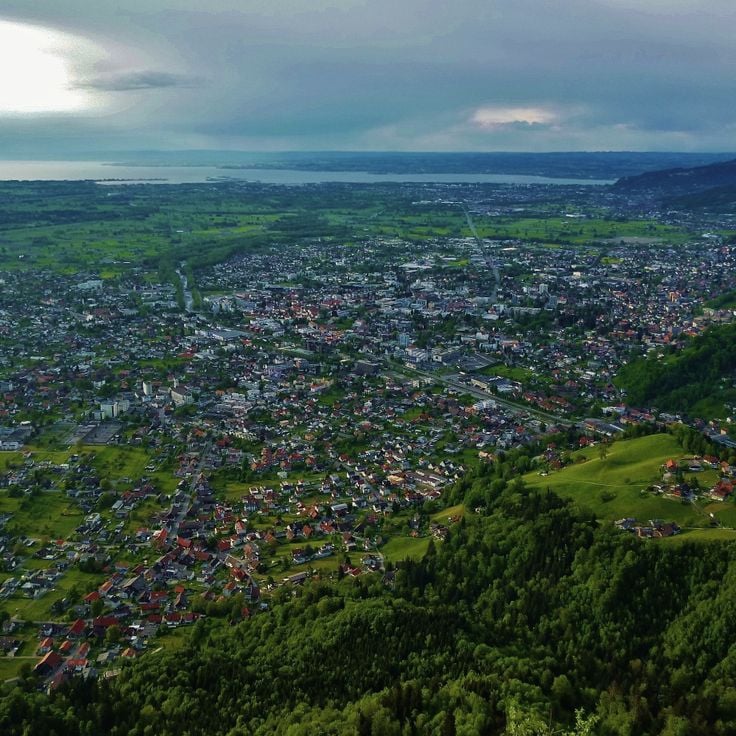
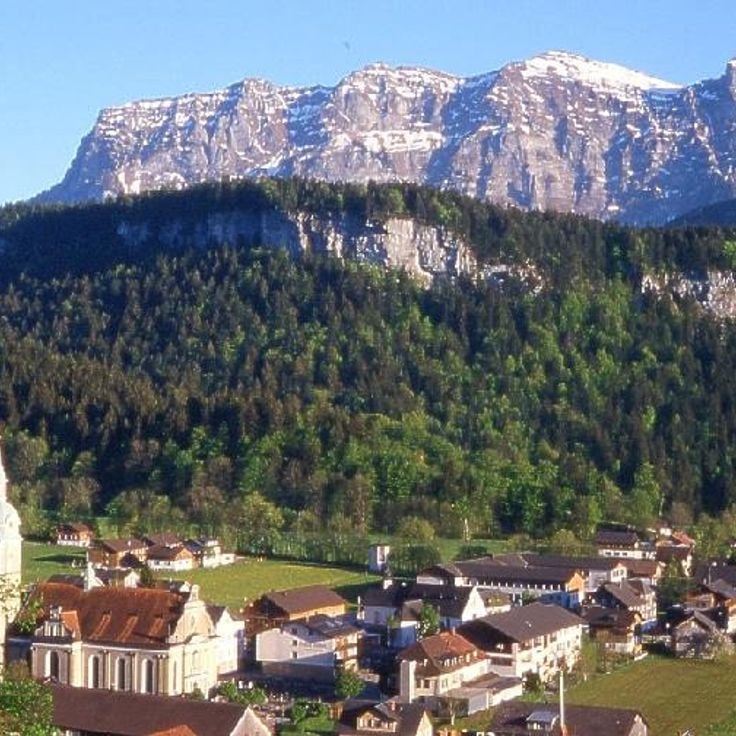
Vorarlberg sits in Austria's far west, where the Alps meet Lake Constance. This region draws visitors for its mix of mountain villages, lakeside towns, and cultural attractions. You can wander through medieval streets in Feldkirch, ride a cable car up Pfänder mountain from Bregenz for sweeping views, or hike through the Bregenzerwald valley where traditional wooden houses line quiet roads. The lake itself offers beaches and water activities, while museums in Bregenz and Dornbirn tell the story of local life and art. Whether you come for outdoor adventures or to explore historic towns, Vorarlberg offers something different from Austria's busier regions.
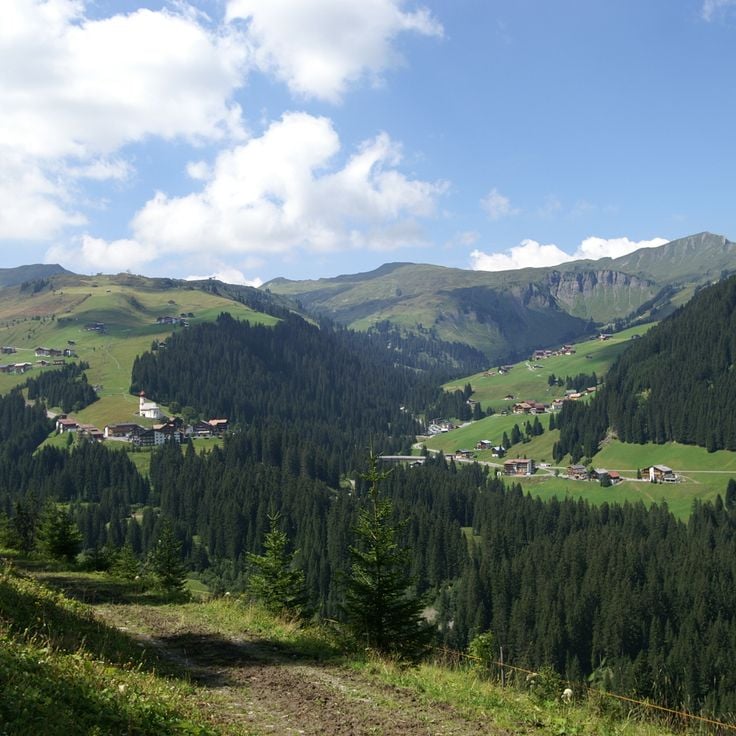
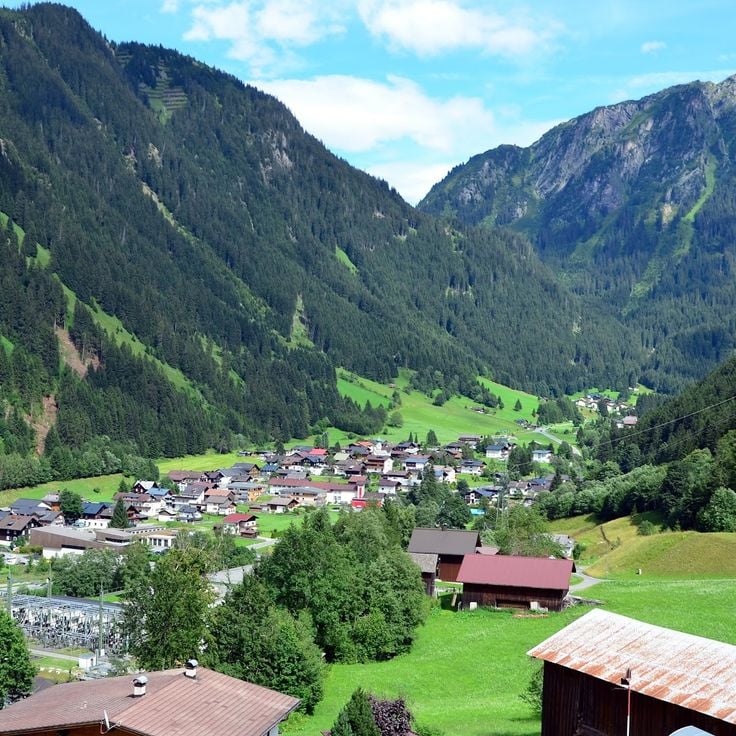
The Bregenzerwald valley forms the heart of many visits here. Traditional villages like Mellau, Andelsbuch, and Schwarzenberg show how people have built and lived in the mountains for centuries. Dark wooden farmhouses with steep roofs sit among meadows and forests, while hiking trails lead deeper into the Alps. From these villages, you can reach mountain lakes like Lünersee or follow the Silvretta Alpine Road as it winds through high passes. The area feels less crowded than other Alpine destinations, letting you move at your own pace through landscapes that change with the seasons.
Bregenz itself, the regional capital, offers a different side of Vorarlberg. The lakeside promenade draws people year-round, with cafes and views across the water to Switzerland. The famous Bregenz Festival takes place each summer on a floating stage, creating an unusual setting for opera and theater performances. From the city, you can easily reach nearby Lake Constance villages like Hard am Bodensee and Lochau, or head south to Feldkirch, where medieval walls and narrow alleys reveal centuries of history. Museums here cover everything from regional art and culture to the area's Jewish heritage, making Vorarlberg a place where nature and history walk side by side.
Vorarlberg sits in Austria's far west, where the Alps meet Lake Constance. This region draws visitors for its mix of mountain villages, lakeside towns, and cultural attractions. You can wander through medieval streets in Feldkirch, ride a cable car up Pfänder mountain from Bregenz for sweeping views, or hike through the Bregenzerwald valley where traditional wooden houses line quiet roads. The lake itself offers beaches and water activities, while museums in Bregenz and Dornbirn tell the story of local life and art. Whether you come for outdoor adventures or to explore historic towns, Vorarlberg offers something different from Austria's busier regions.
The Bregenzerwald valley forms the heart of many visits here. Traditional villages like Mellau, Andelsbuch, and Schwarzenberg show how people have built and lived in the mountains for centuries. Dark wooden farmhouses with steep roofs sit among meadows and forests, while hiking trails lead deeper into the Alps. From these villages, you can reach mountain lakes like Lünersee or follow the Silvretta Alpine Road as it winds through high passes. The area feels less crowded than other Alpine destinations, letting you move at your own pace through landscapes that change with the seasons.
Bregenz itself, the regional capital, offers a different side of Vorarlberg. The lakeside promenade draws people year-round, with cafes and views across the water to Switzerland. The famous Bregenz Festival takes place each summer on a floating stage, creating an unusual setting for opera and theater performances. From the city, you can easily reach nearby Lake Constance villages like Hard am Bodensee and Lochau, or head south to Feldkirch, where medieval walls and narrow alleys reveal centuries of history. Museums here cover everything from regional art and culture to the area's Jewish heritage, making Vorarlberg a place where nature and history walk side by side.
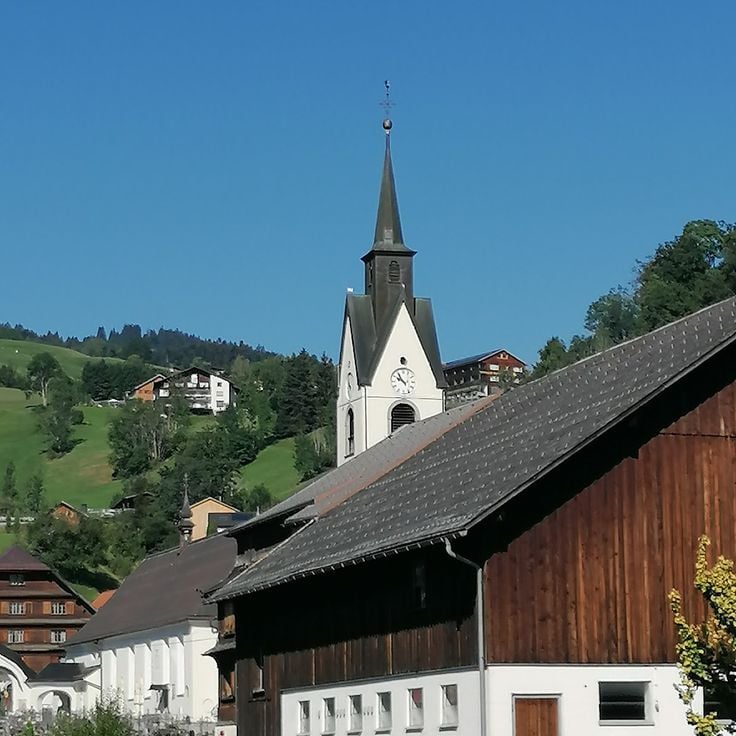
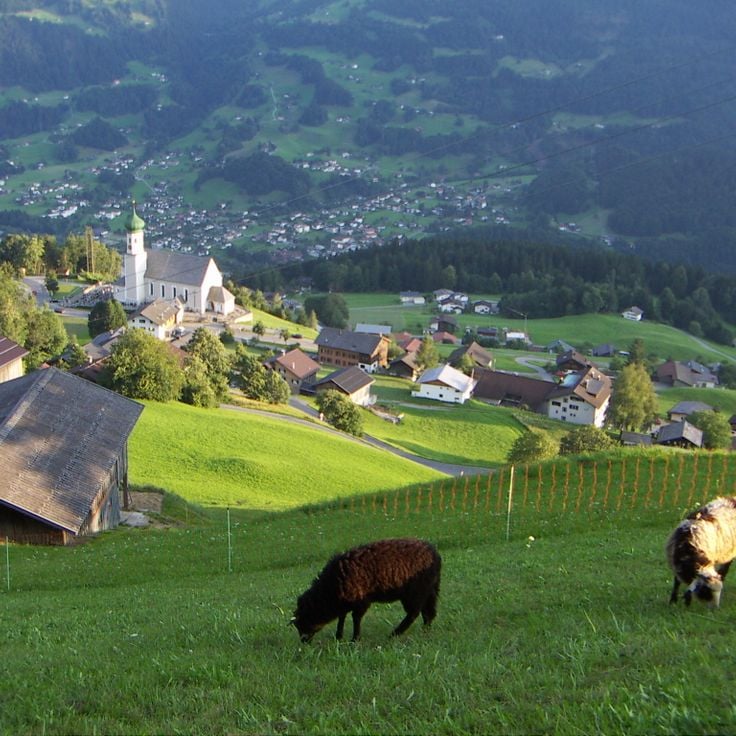
Schoppernau is an alpine village in the Bregenzerwald that preserves traditional ways of building and the architecture typical of the region. The village is defined by its wooden houses with their characteristic facades and decorative details. Here you can see how people live and work in this valley. The surroundings feature meadows, forests, and mountains that frame the village. Schoppernau gives you a sense of daily life in the Bregenzerwald valleys.
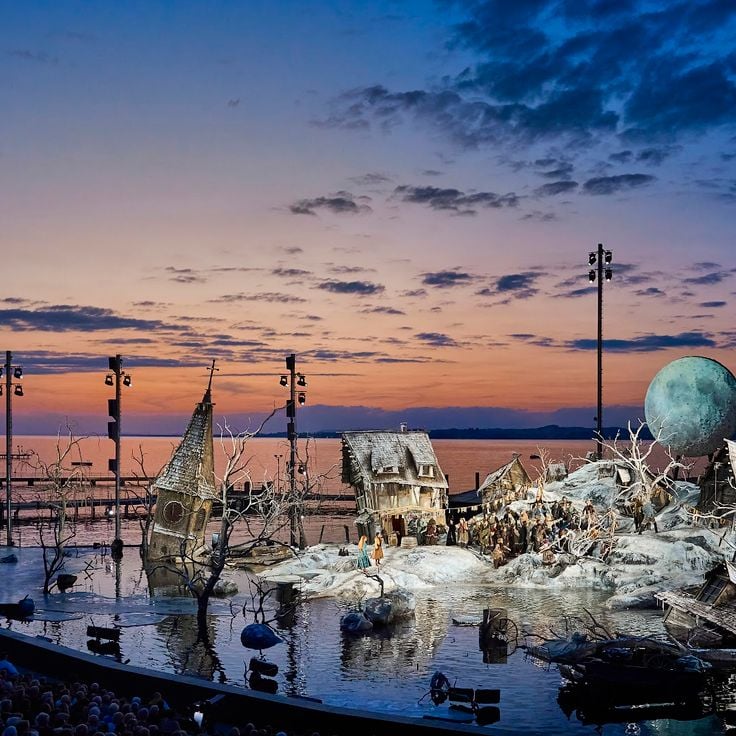
The Bregenzer Festspiele is an annual festival in Bregenz featuring a floating stage on Lake Constance. The festival presents spectacular opera and theater performances in the open air throughout the summer season. The stage built on the water creates an unusual backdrop for performances that draw visitors from around the world. This festival represents part of the cultural richness of Vorarlberg and shows how the region celebrates its artistic traditions.
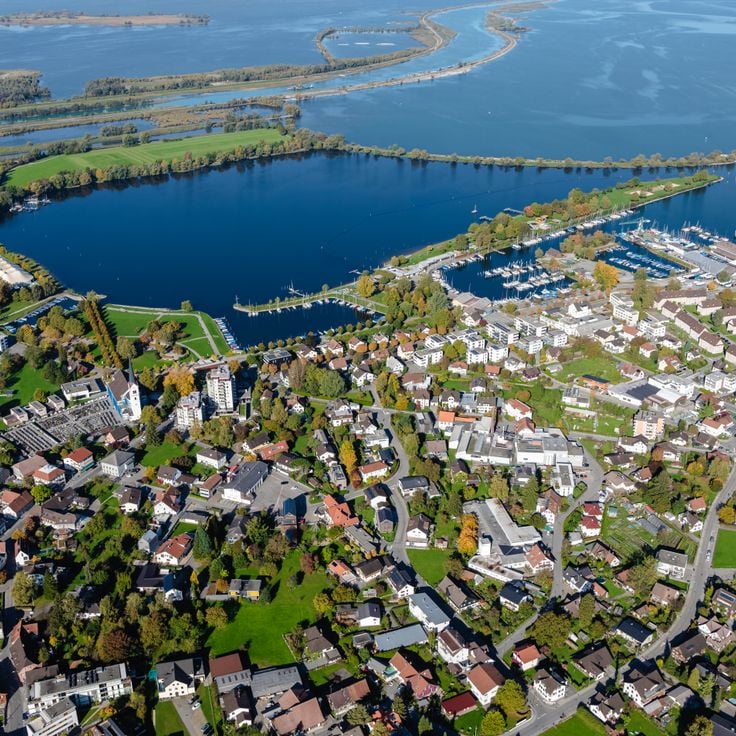
Hard am Bodensee is a village on the shore of Lake Constance in the westernmost part of Austria. The location has a beach and access to water sports activities. From here, you can explore the lake shores and enjoy time on the water. The village sits in the Vorarlberg region, positioned between the Alps and the lake.
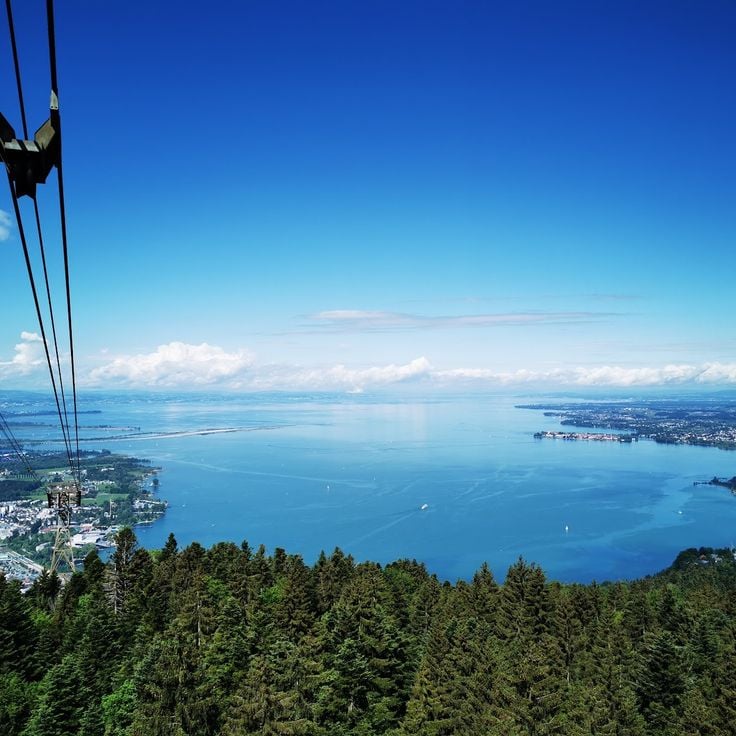
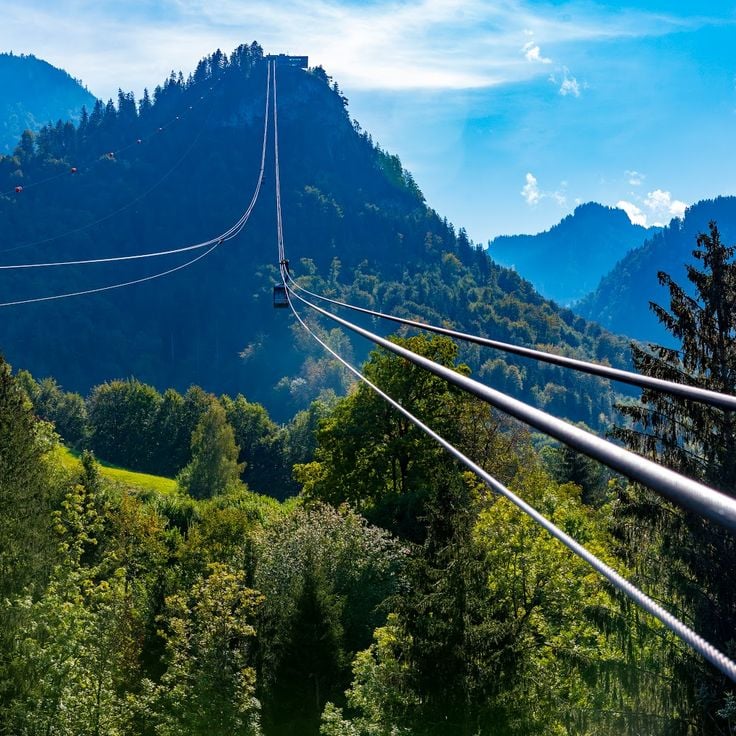
The Pfänderbahn is a cable car in Bregenz that takes visitors to the summit of Pfänder mountain. From the viewing platform at the top, you can see four countries at once: Austria, Switzerland, Germany, and Liechtenstein. On clear days, the view stretches across Lake Constance to the Alps. The ride lasts about 6 minutes and carries you over the city.
Lochau sits on the shores of Lake Constance. From this village, visitors can walk along the water or head out on hiking trails into the surrounding mountains. The village provides direct access to one of the main features of Vorarlberg - the lake itself. Lochau works well as a starting point for those wanting to explore the natural landscape of Austria's westernmost region.
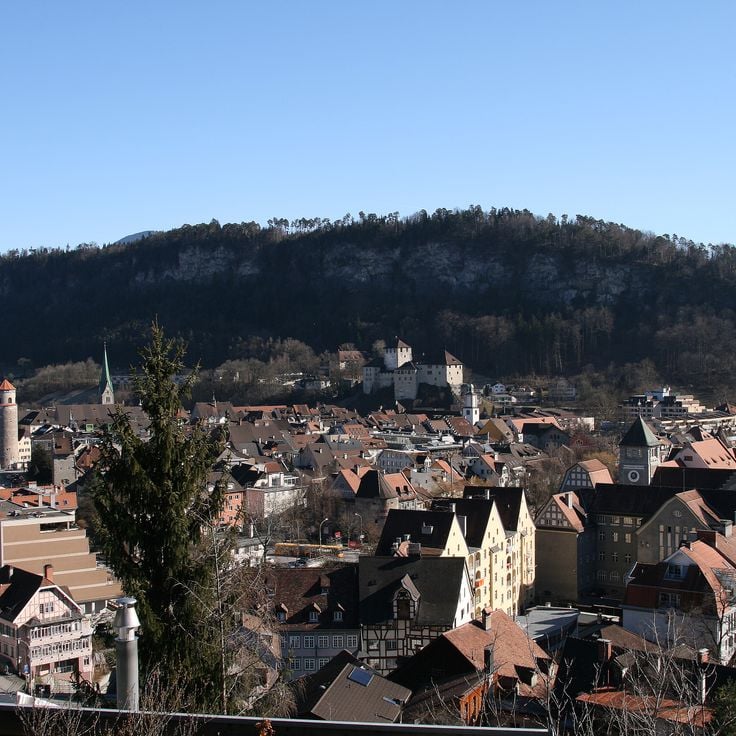
Feldkirch is a medieval town that keeps its past alive in its streets. The historic center has narrow alleys, old buildings, and walls that once protected the city. A castle sits above the rooftops, telling stories of the region's history. Walking through the streets, you see houses from different times, small squares, and details that show skilled craftsmanship. The town lies in western Austria, positioned between the Alps and the plains, and shows how people lived here in earlier centuries.
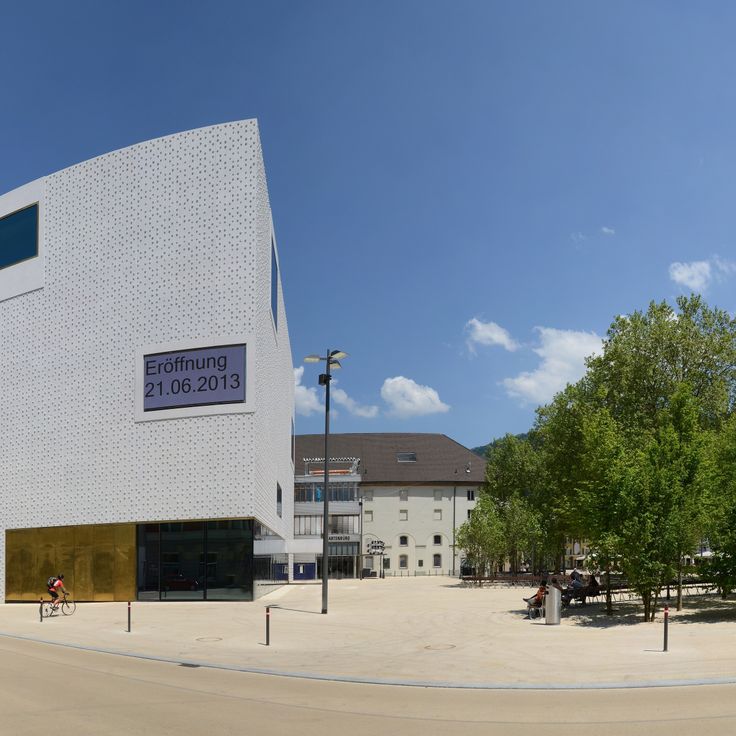
The Vorarlberg Museum in Bregenz presents the history, culture, and heritage of this western Austrian region. The museum displays objects and exhibits that tell the story of people living in Vorarlberg across centuries. Visitors can learn about the alpine villages, medieval cities like Feldkirch, and the connection between the mountains and Lake Constance. The collections offer insight into local craftsmanship, architecture, and everyday life in this border region between Switzerland, Germany, and Austria.
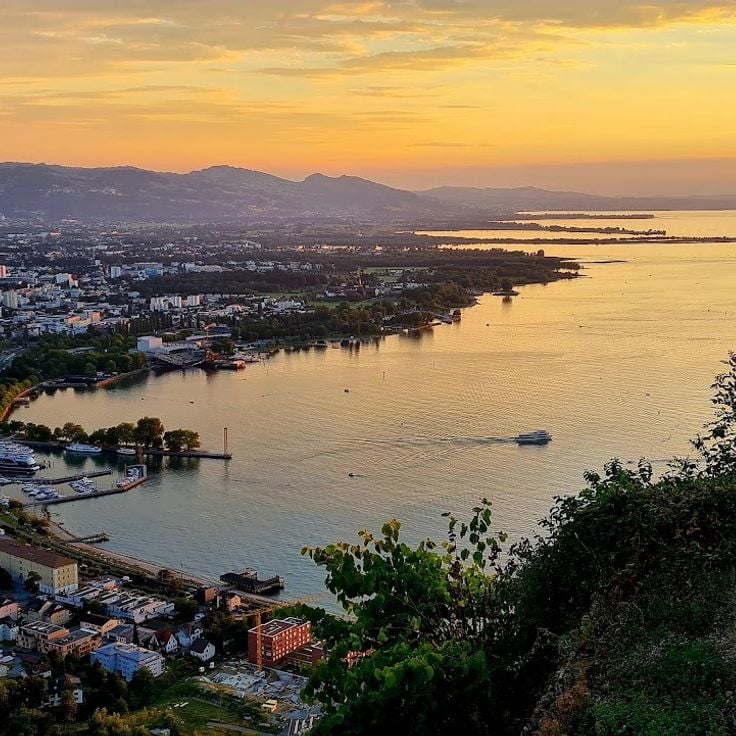
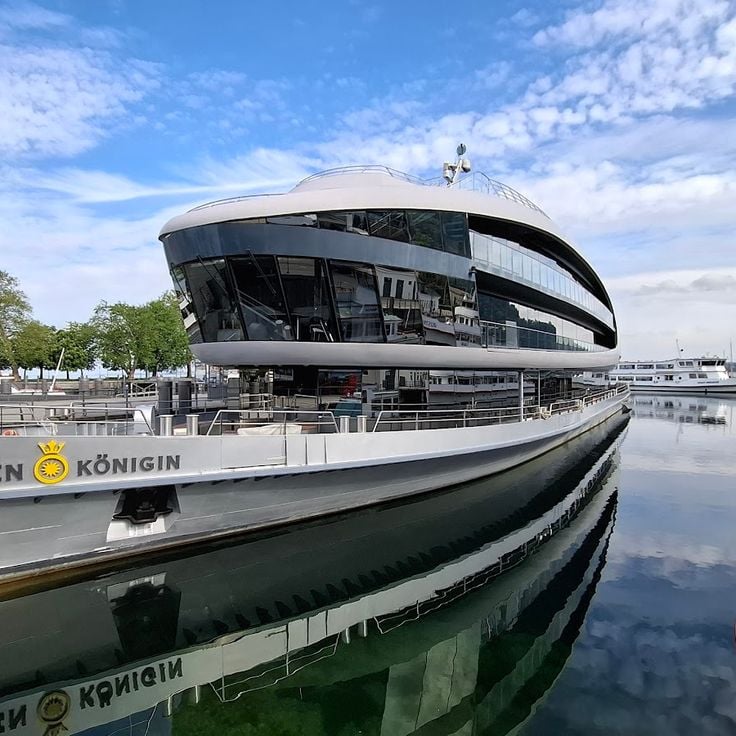
The Seepromenade of Bregenz runs along the shore of Lake Constance and opens onto views of the water and distant shorelines. People walk here daily, rest on benches, and on warm days swimmers gather at the beach. The promenade connects different parts of the town and allows visitors to experience the water and the rhythm of lakeside life through the seasons.
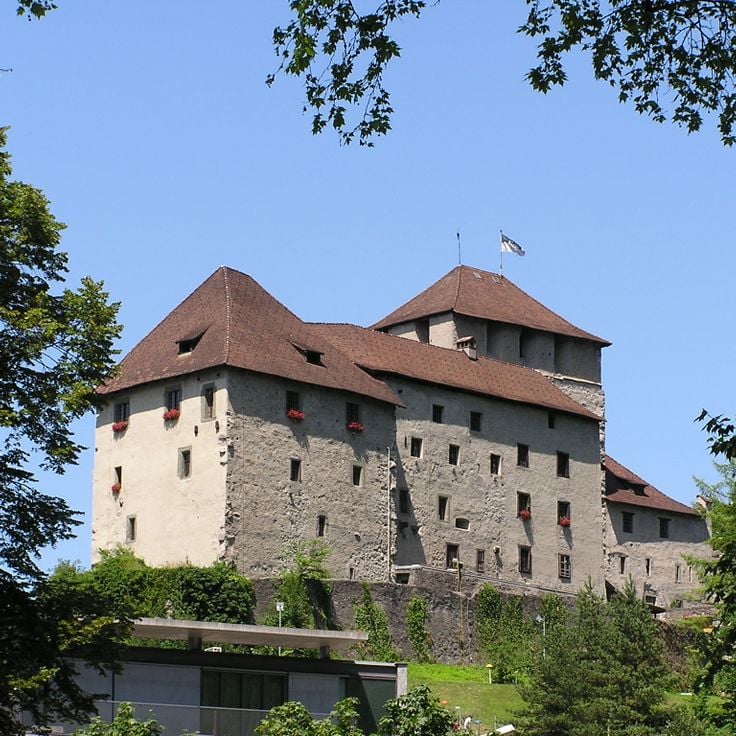
Schattenburg is a fortress that rises above Feldkirch and has shaped the city's identity for centuries. Today it houses a museum that tells the story of the region. From its walls you can see the red-tiled roofs of the old town, the medieval streets, and beyond to the surrounding landscape with its forests and mountains. The castle is easy to reach on foot and offers a place to understand the past of this location while enjoying the views.
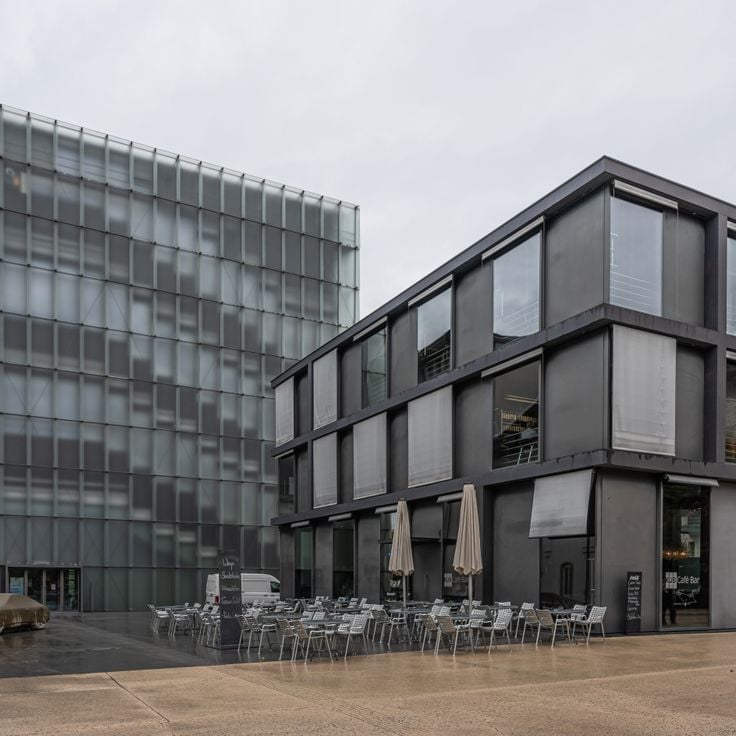
Kunsthaus Bregenz is a contemporary art museum in Vorarlberg, Austria's westernmost region, situated on the shores of Lake Constance. The building itself is a work of modern architecture with clean lines and a distinctive glass facade. Inside, rotating exhibitions showcase current artistic works from around the world. The museum reflects how this alpine region combines traditional heritage with a vibrant contemporary art scene.
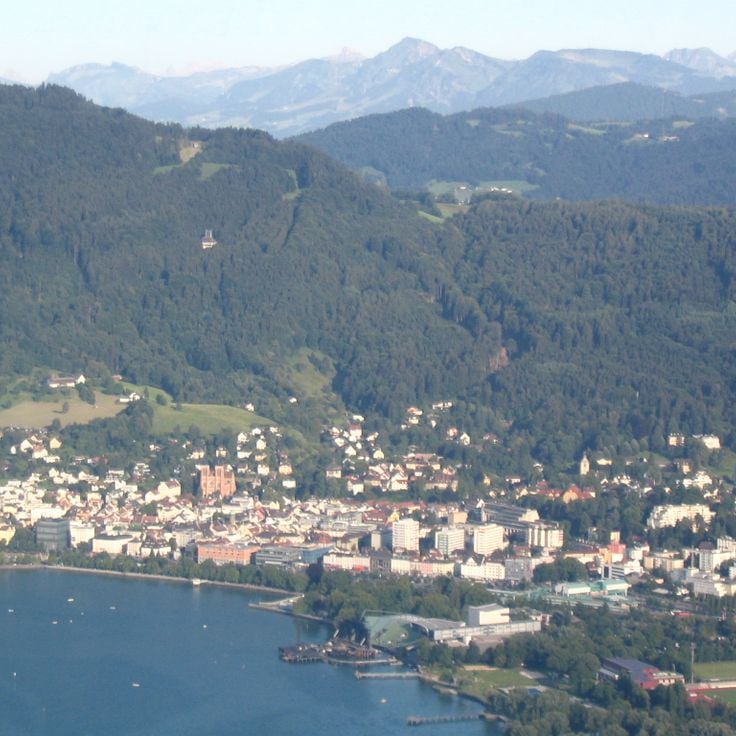
The center of Bregenz sits on the shores of Lake Constance with a lakeside promenade where people stroll and enjoy the water. From here, you can reach the attractions and sites spread across the Vorarlberg region. This is where the landscape transitions from the Alps to the lake, and where history and daily life come together.
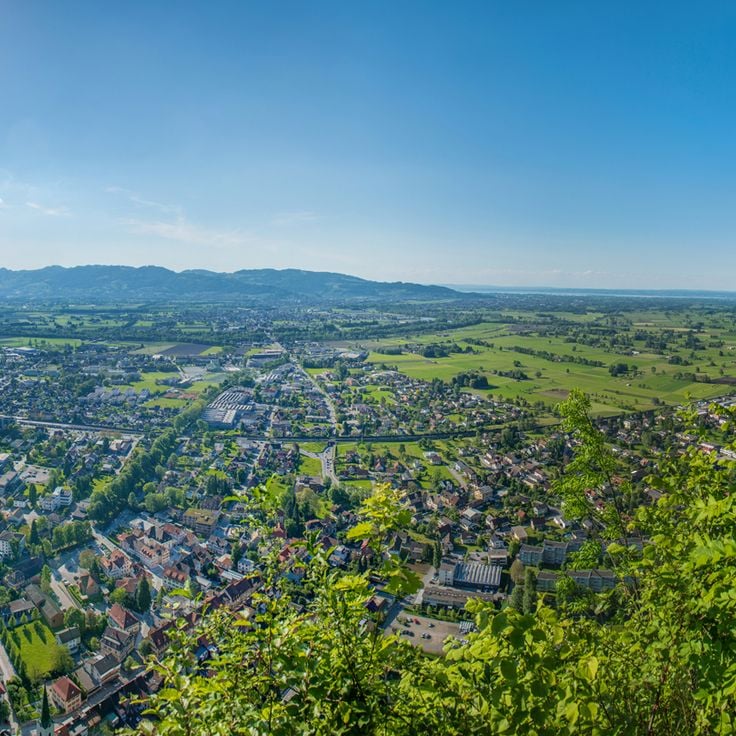
Dornbirn is the second city of Vorarlberg and offers urban life with contemporary culture. It sits near the natural gorges of the region and connects city living with the alpine landscape. Here you find museums, galleries, and places to walk around, while proximity to nature makes trips into the mountains easy.
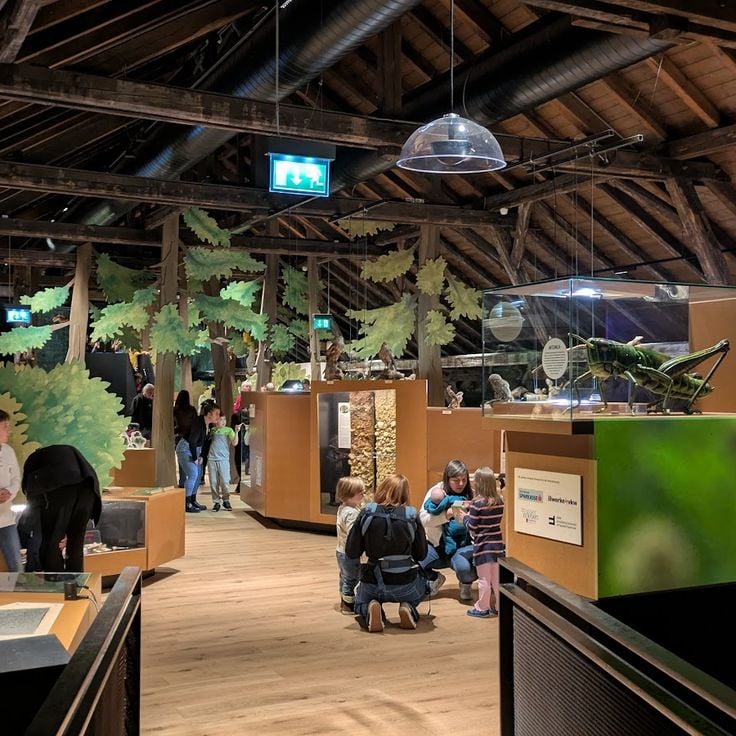
The inatura Erlebnis Naturschau in Dornbirn showcases the nature and wildlife of Vorarlberg. The museum invites visitors to discover the local animals and plants in detail. Different sections explore the region's habitats - from rivers to mountains. Interactive stations allow hands-on exploration and learning. The museum reveals how the natural systems of Vorarlberg work and how people and animals coexist in this Alpine region.
Mellau is a mountain village in the heart of Bregenzerwald that serves as a starting point for hiking into the Alps. The village is characterized by its cable car, which takes visitors to higher walking areas. With its wooden houses and location between meadows and mountains, Mellau shows the traditional way of life in this region, where the mountains shape people's daily existence.
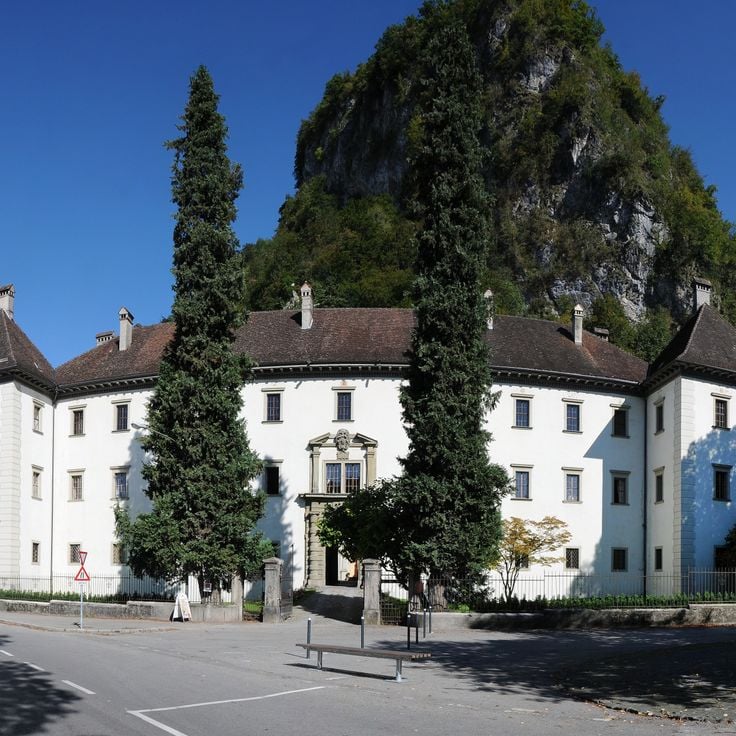
Hohenems is a historic center with a remarkable Renaissance palace that reflects the rich past of this town. The place shows the evolution of the region through its old buildings, streets, and the stories preserved in its walls. The castle and the surrounding city tell of a time when Hohenems was an important location in Vorarlberg. Visitors find here the typical architecture of a town that has lived through multiple periods, with buildings from different eras and a calm center that invites walking. This mix of old and new makes Hohenems a place where the development of the region becomes visible.
This 16th century palace in Hohenems displays Renaissance architecture with its rooms, gardens, and collections. The building was once home to a powerful family and reflects the region's past between the Alps and Lake Constance. Visitors can walk through grand halls and see objects that tell stories about life during that period.
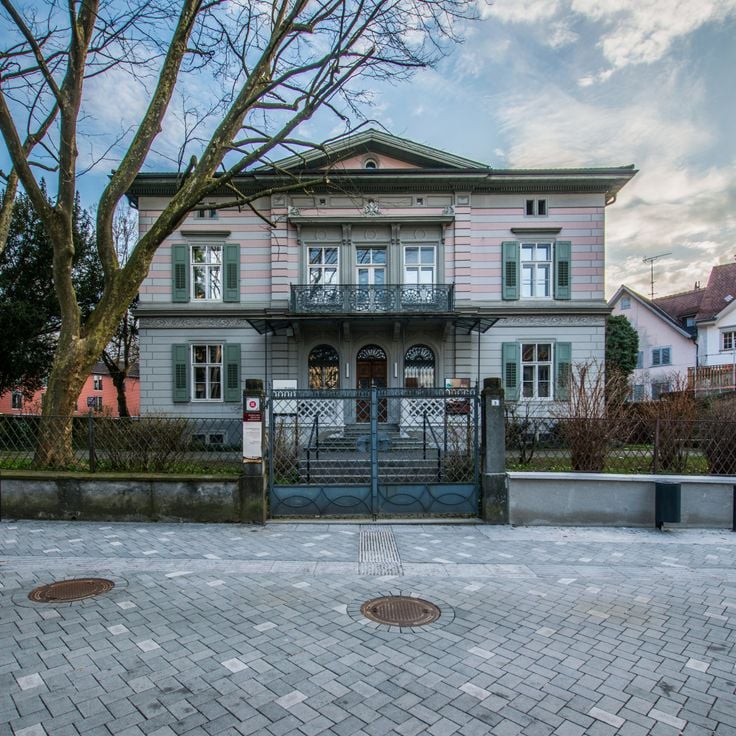
The Jewish Museum in Hohenems documents the history and culture of the Jewish community of Vorarlberg. It shows how the Jewish population lived for centuries in this western region of Austria. The museum tells stories about traditions, people, and important moments from their past. Visitors gain insight into the life of this community and its relationship with the rest of the region.
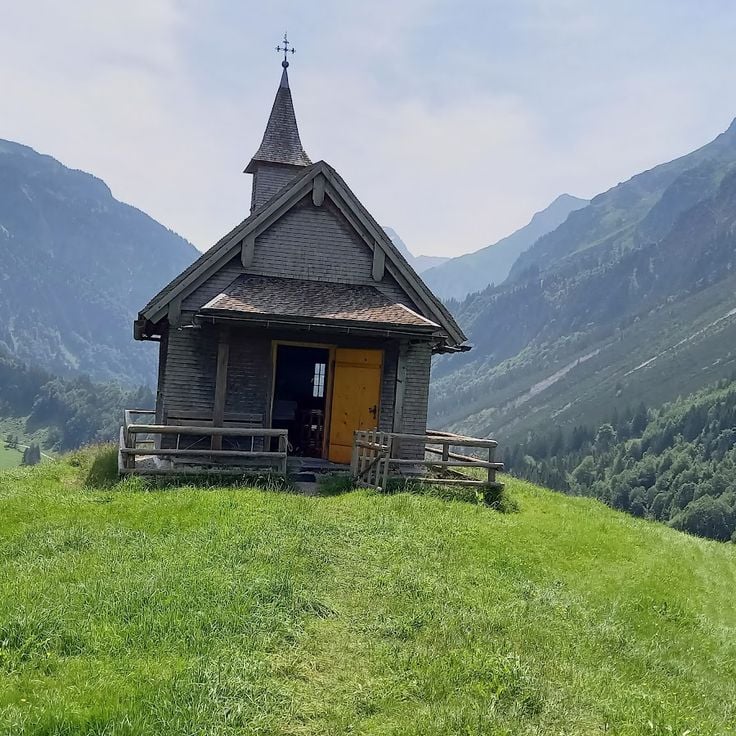
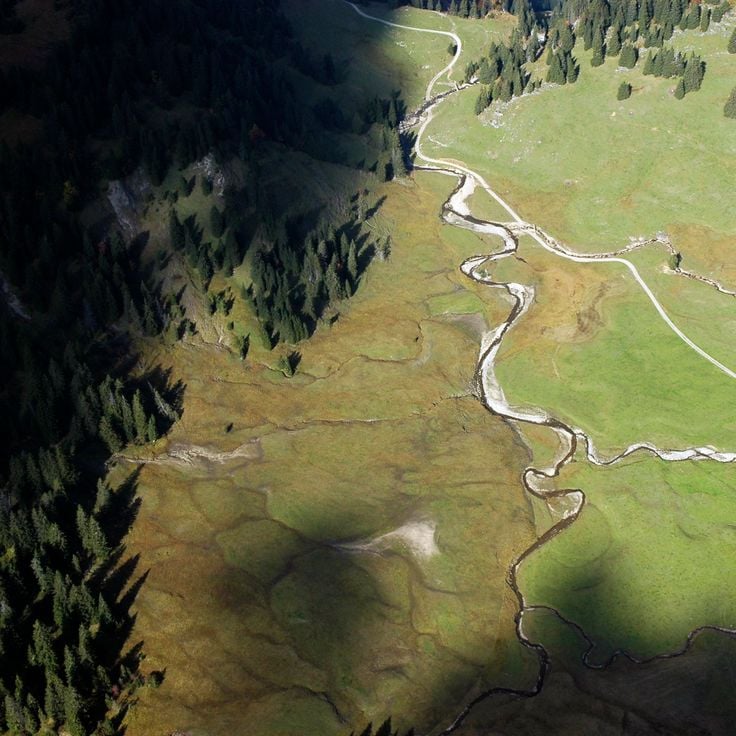
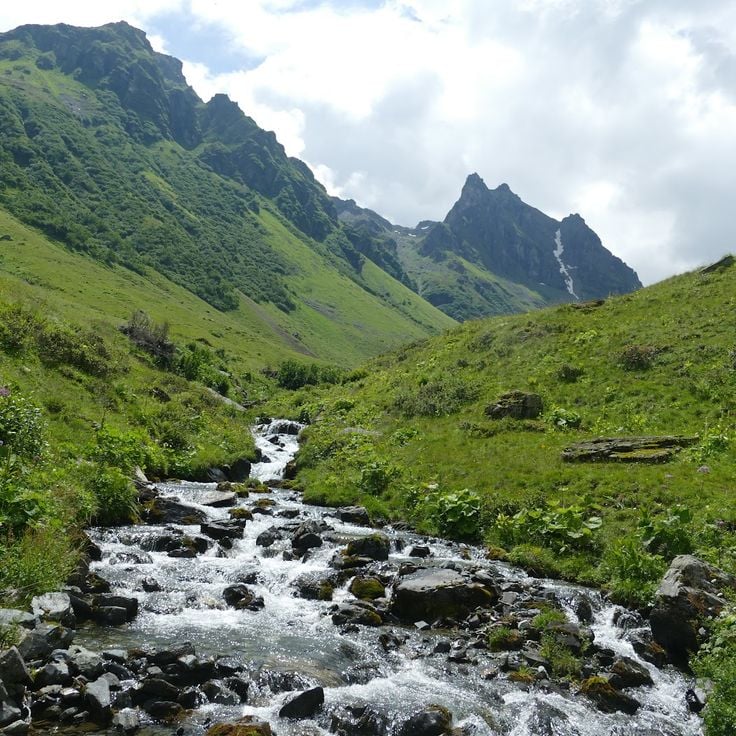
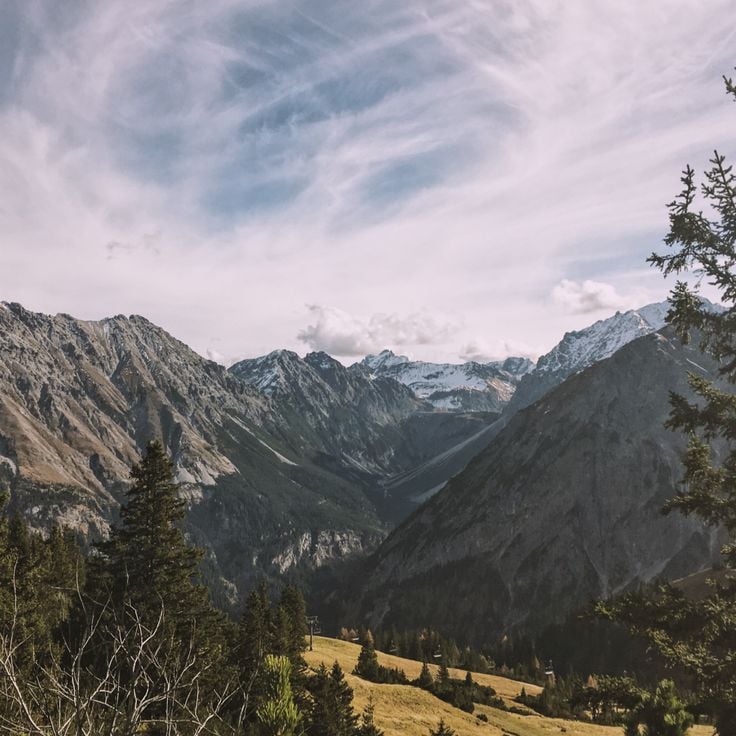
Bregenzerwald is an alpine valley in western Austria, nestled between mountain peaks and forested slopes. Traditional villages with wooden houses dot the landscape, surrounded by meadows and forests that invite walking and exploration throughout the year. The region shows how mountain communities live and work, with old craft traditions and local products still made by hand. Mountain roads climb toward mountain passes, and everywhere there are paths for discovering the landscape on foot. Bregenzerwald represents the alpine character that defines this part of Austria.
The Karrenbahn is a cogwheel railway that climbs from Dornbirn to the Karren viewpoint. From the top, you see across the valleys to the Appenzell Alps. The ride itself shows you the landscape that would take hours to reach on foot. Once up there, you find walking paths and places to stop and look out.
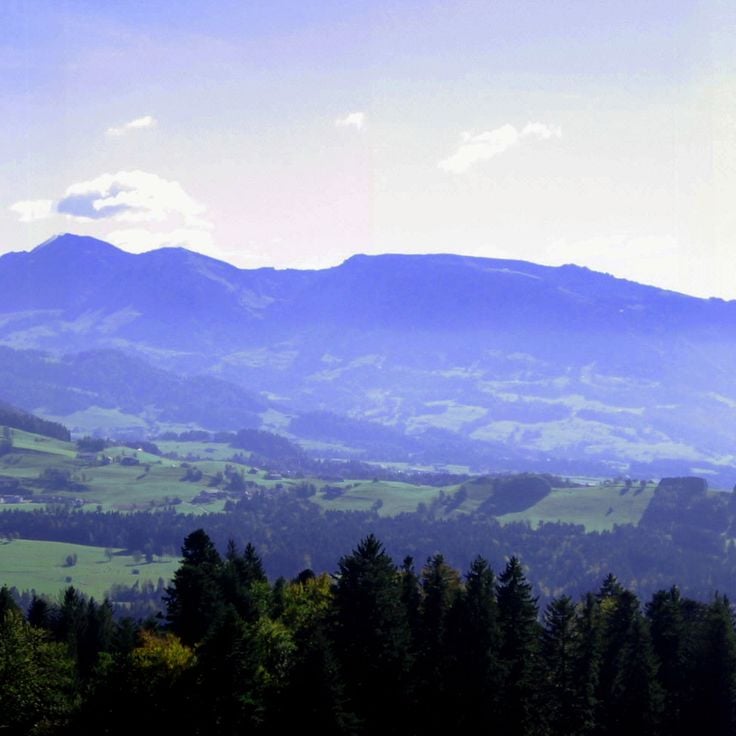
Kanisfluh is a striking mountain massif in the Bregenzerwald that offers hiking routes through alpine landscapes. The mountain provides expansive views across the region and surrounding valleys. Visitors can set out on foot from various trailheads and gain elevation through meadows and rocky sections. On clear days, the views extend far into the distance. Kanisfluh demonstrates the geological character of this western Austrian region situated between the Alps and Lake Constance.
Bezau is an alpine village at the gateway to the Bregenzerwald. Located in this part of Vorarlberg between the Alps and Lake Constance, the town serves as a starting point for many hiking routes. The village has tourist facilities and combines the character of a traditional mountain settlement with practical services for visitors. From Bezau, walkers can reach the surrounding valleys and mountain trails.
Schruns is an alpine village in the Montafon valley and serves as a base for hiking and mountain sports. The village sits in this westernmost region of Vorarlberg, positioned between the Alps and Lake Constance. From here, visitors can explore the mountain landscapes of Silvretta, where forest paths wind through valleys and roads climb toward mountain passes. The village itself displays the typical architecture of these alpine areas with wooden buildings. Schruns connects visitors to nature while reflecting the culture of this border region between Switzerland, Germany, and the rest of Austria.
The Seilbahn Mellau Damuls cable car links two villages in the Bregenzerwald and gives visitors quick access to the higher elevations of the region. During the ride, views open up across surrounding mountain peaks and the green valleys below. The cable car serves both hikers and skiers depending on the season and lets you experience the Alpine landscape of Vorarlberg from a different vantage point.
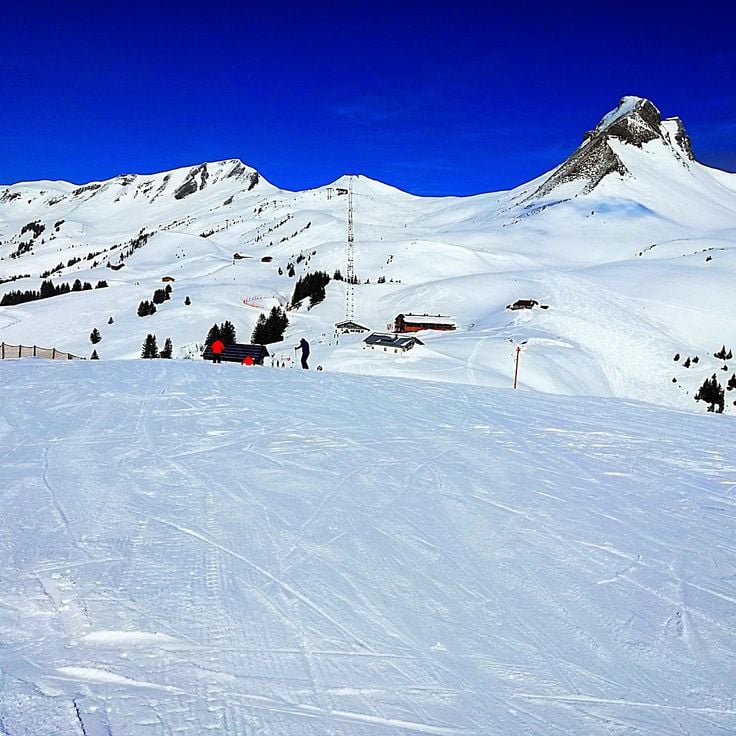
Damüls is a mountain station in this region, offering hiking trails and views of the surrounding peaks. Located in the Bregenzerwald, it shows how people live and work in the Alps. The elevation shapes life here, with forests and meadows that change with the seasons. From here, visitors can explore the mountains on foot or simply enjoy the quiet and the views.
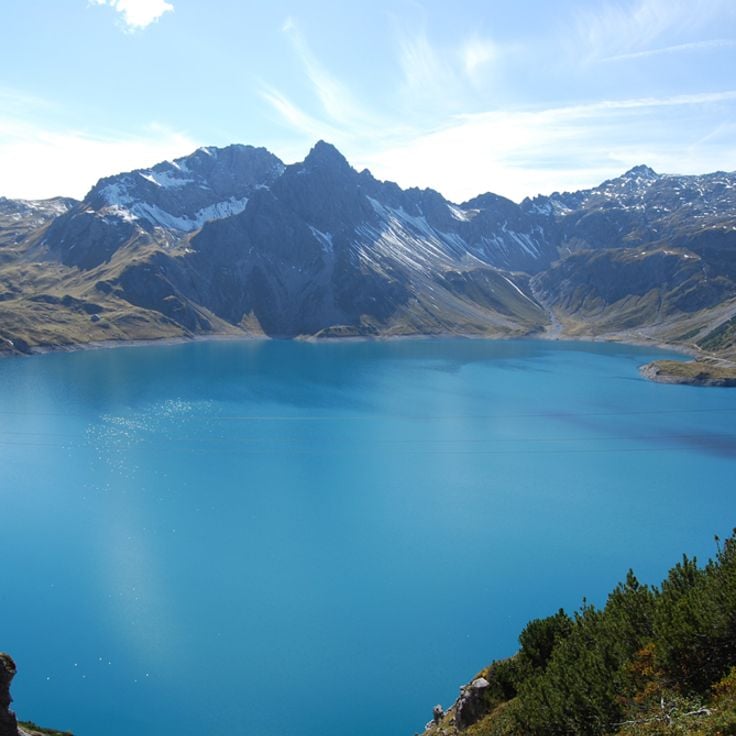
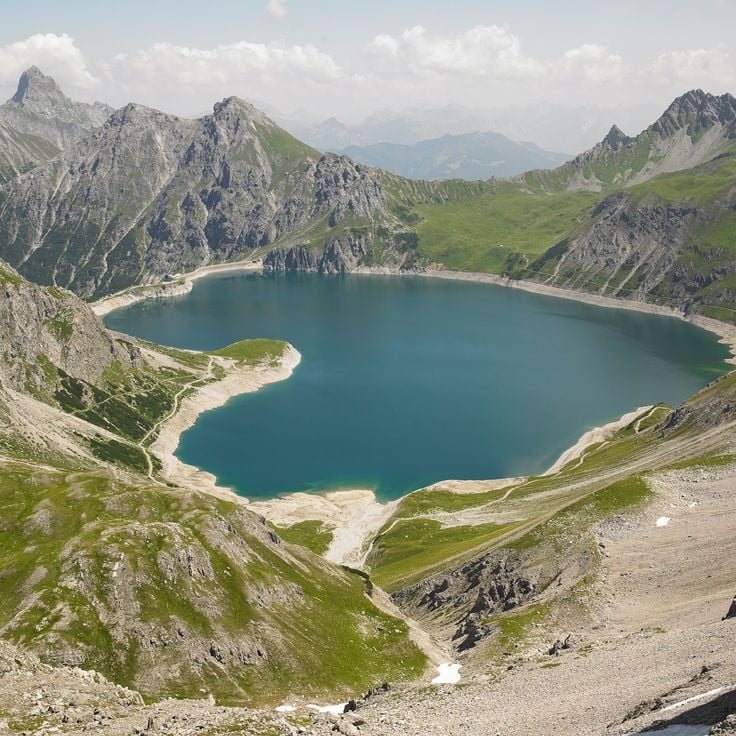
Lünersee is a mountain lake with turquoise water at high altitude, ringed by hiking trails. Located in the Silvretta region of Vorarlberg, this lake offers a destination for walking and exploring the alpine landscape. The water gets its distinctive color from fine mineral particles that flow down from the glaciers.
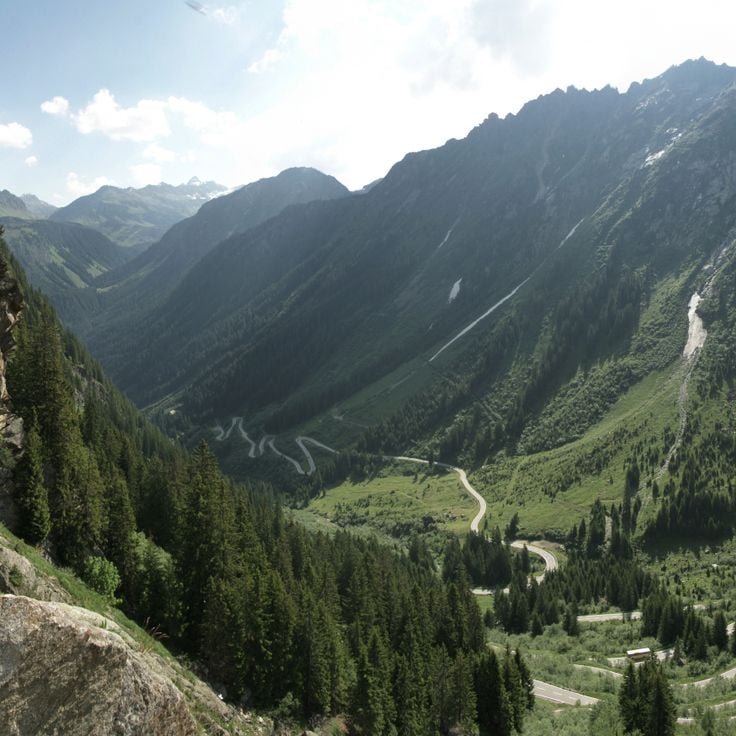
The Silvretta Hochalpenstrasse is an alpine road that crosses through the high mountains of the Silvretta range. It winds through valleys and over passes, revealing steep slopes, rocky peaks, and deep gorges at nearly every turn. The road climbs significantly and connects different valleys on either side. Along the way you can see alpine plants adapted to harsh conditions and, depending on the season, patches of snow even in summer. This route shows the raw character of the Alps and gives travelers a sense of being far above the world below.
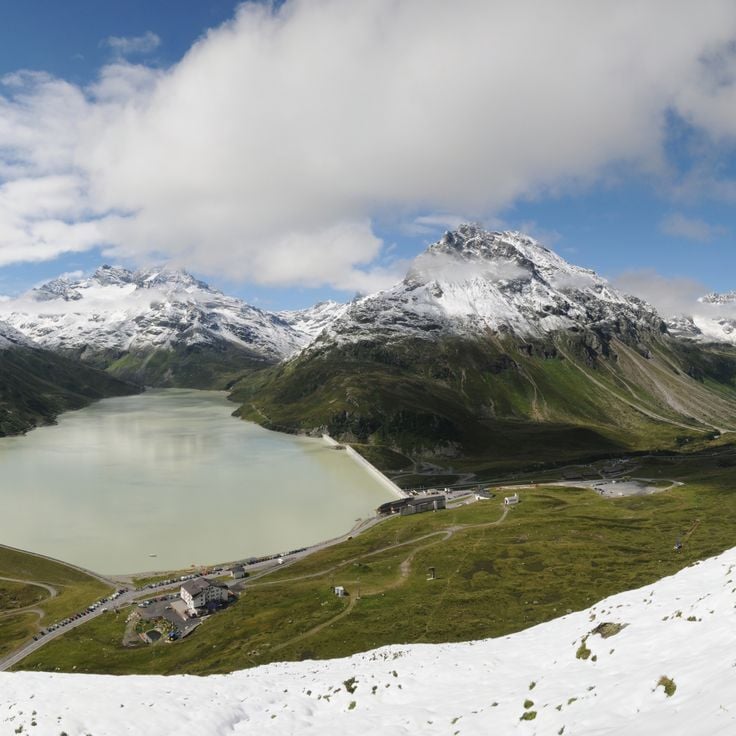
Bielerhöhe is a mountain pass along the Silvretta Alpine Road, a route that winds at high altitude through dramatic terrain. Here you encounter sweeping views that extend across the surrounding landscape and a mountain lake nestled in the valley below. The location sits at an elevation that marks the transition between green valleys and rocky peaks. It is a point you reach while driving through Vorarlberg and exploring the Silvretta region.
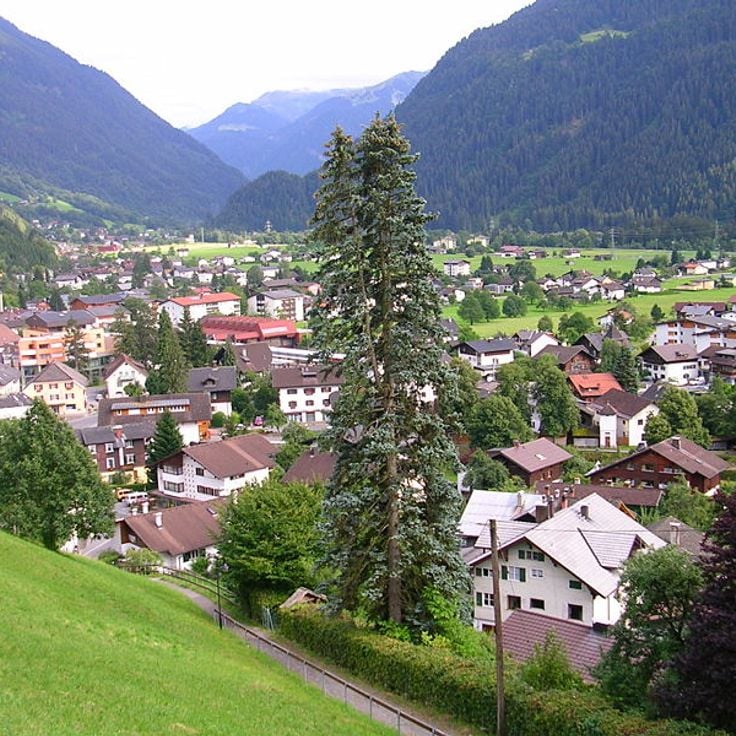
Montafon is one of the major alpine valleys in Vorarlberg, offering a blend of mountain landscape and tourism infrastructure. The valley extends from the Silvretta and is crisscrossed by hiking trails suited to different skill levels. In winter, the valley draws skiers, while summer attracts mountaineers and hikers. The villages in Montafon maintain their traditional architecture and provide accommodation and dining options for visitors. Rivers and mountain streams shape the landscape and supply water to the region.
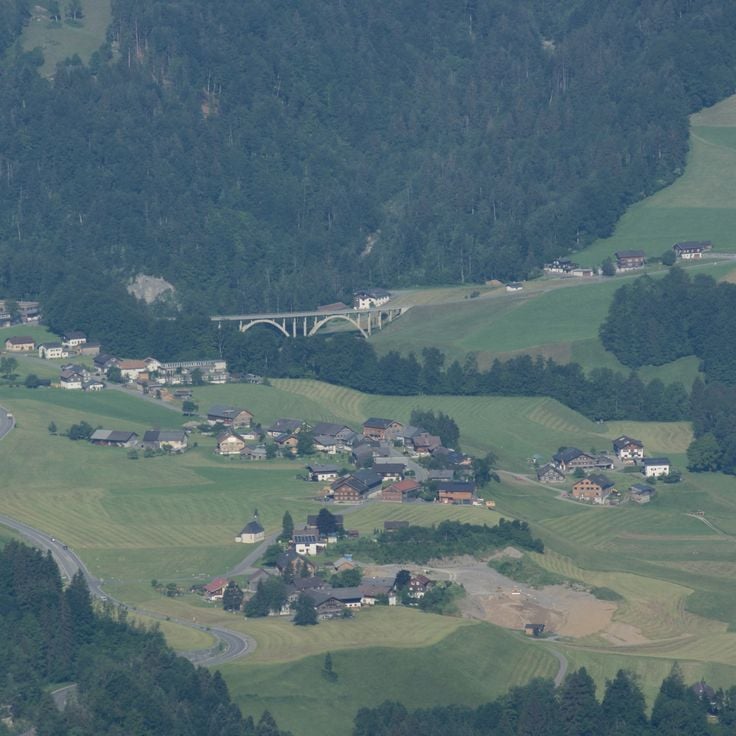
Andelsbuch is a village in the Bregenzerwald known for its traditional craftsmanship and wooden architecture. The village displays typical Alpine buildings with dark wood and traditional facades that reflect the region's construction heritage. Here you can experience local artisan traditions and see how residents have maintained historical building techniques. The village sits in a green valley setting with walking paths through the surrounding landscape.
Gaschurn is an alpine village in the Montafon valley that provides access to mountain hiking and outdoor activities. The village sits in a valley surrounded by high peaks and serves as a starting point for mountain excursions. From here, visitors can reach hiking trails of varying difficulty, climbing routes, and ski slopes in winter. The village itself has the character of a traditional mountain settlement with simple buildings and a quiet pace of life.
Lüner Krone is a mountain peak in Brandnertal where hikers can walk scenic trails and enjoy wide views of the Alps and the valleys below. From this summit, you can see the full extent of Vorarlberg's mountain landscape. The peak is reached by hiking trails that pass through alpine terrain with varying difficulty levels.
Partenen is a village at the entrance to the Silvretta Valley in Vorarlberg, where Austria meets Switzerland and Liechtenstein. The village serves as the starting point for the famous Silvretta High Alpine Road, a winding route that climbs through serpentine turns over numerous passes deep into the mountains. From here, visitors can reach alpine lakes, mountain huts, and hiking trails that lead further into the high country. Partenen shows the typical character of an Alpine village with old wooden houses and direct access to the high mountain world of Vorarlberg.
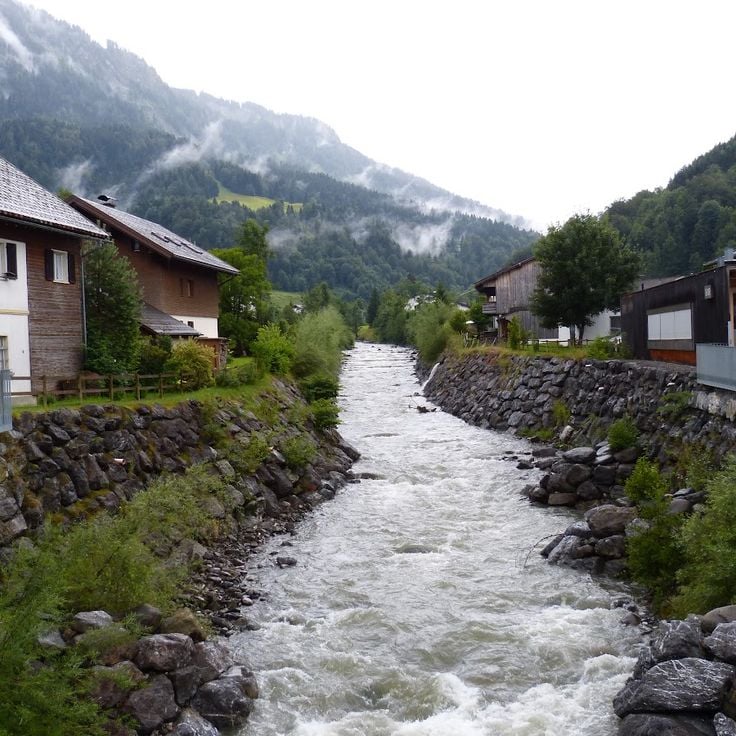
The Rappenlochschlucht near Dornbirn is a gorge carved by the Dornbirner Ach river over thousands of years. Narrow paths and wooden walkways lead through the tight canyon, passing high walls of red sandstone. Water rushes below while you walk between stone and sky. In some places the gorge is so narrow that sunlight barely reaches the bottom. This site shows how water has shaped the landscape of Vorarlberg.
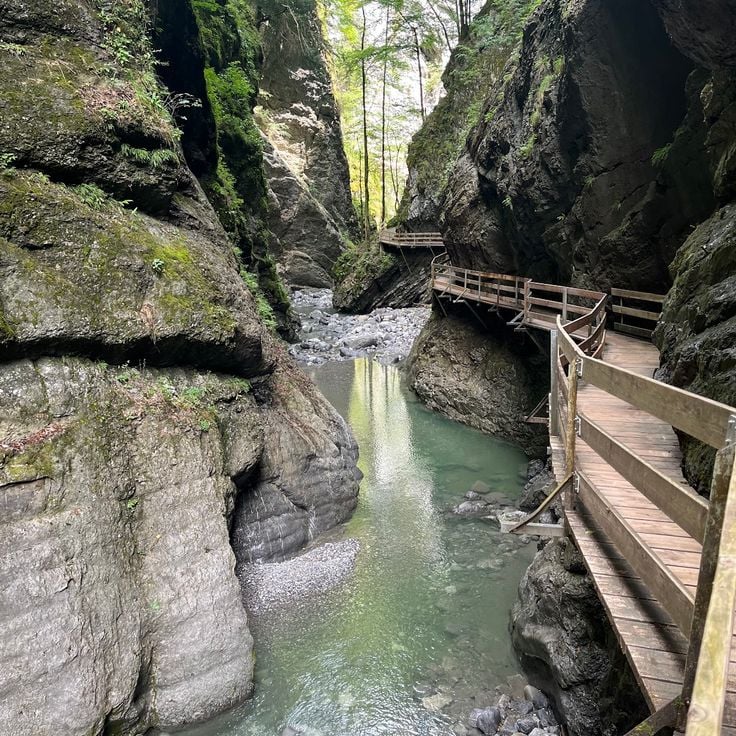
The Alplochschlucht near Dornbirn is a gorge carved by the river with walking paths and wooden bridges suspended above the water. You can walk through this narrow rocky passage and watch the water flow beneath you. The steep stone walls on either side show how the water has worked over time to shape the landscape. The walkways are secure and let you get close to the river while staying safe. This gorge demonstrates how water shapes the alpine valleys of Vorarlberg.
Brandnertal sits in this westernmost Austrian region between the Alps and Lake Constance. This valley with its mountain lakes and hiking trails shows the alpine side of Vorarlberg. Here you find the typical wooden buildings of villages, while roads lead toward the passes. The valley offers the mountain landscapes that define this region and can be explored on foot or by car.
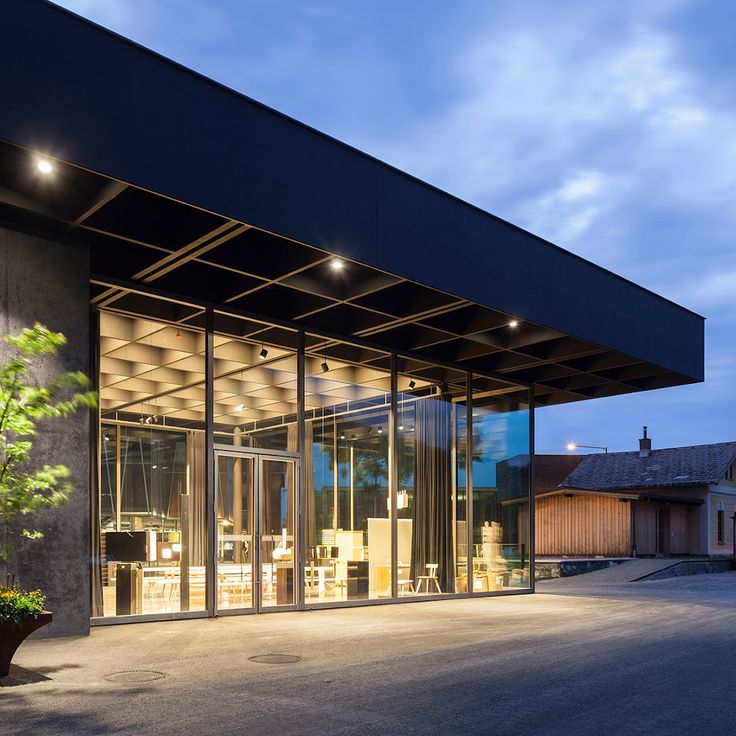
The Werkraum Bregenzerwald in Andelsbuch displays contemporary architecture alongside local craftsmanship traditions. This center showcases regional design and artisan work, offering insight into how local craftspeople create their pieces. The space brings together traditional techniques and modern design, revealing the creative culture that defines the Bregenzerwald.
Schwarzenberg is a village set high in the mountains with distinctive wooden houses that have dark facades typical of this Alpine region. The buildings follow construction methods that local craftspeople have used for generations. The village keeps a strong musical tradition alive through its community. Walking through Schwarzenberg shows you how life and architecture have developed in the Vorarlberg valleys over time.
Schoppernau is an alpine village in the Bregenzerwald that preserves traditional ways of building and the architecture typical of the region. The village is defined by its wooden houses with their characteristic facades and decorative details. Here you can see how people live and work in this valley. The surroundings feature meadows, forests, and mountains that frame the village. Schoppernau gives you a sense of daily life in the Bregenzerwald valleys.
The Bregenzer Festspiele is an annual festival in Bregenz featuring a floating stage on Lake Constance. The festival presents spectacular opera and theater performances in the open air throughout the summer season. The stage built on the water creates an unusual backdrop for performances that draw visitors from around the world. This festival represents part of the cultural richness of Vorarlberg and shows how the region celebrates its artistic traditions.
Hard am Bodensee is a village on the shore of Lake Constance in the westernmost part of Austria. The location has a beach and access to water sports activities. From here, you can explore the lake shores and enjoy time on the water. The village sits in the Vorarlberg region, positioned between the Alps and the lake.
The Pfänderbahn is a cable car in Bregenz that takes visitors to the summit of Pfänder mountain. From the viewing platform at the top, you can see four countries at once: Austria, Switzerland, Germany, and Liechtenstein. On clear days, the view stretches across Lake Constance to the Alps. The ride lasts about 6 minutes and carries you over the city.
Lochau sits on the shores of Lake Constance. From this village, visitors can walk along the water or head out on hiking trails into the surrounding mountains. The village provides direct access to one of the main features of Vorarlberg - the lake itself. Lochau works well as a starting point for those wanting to explore the natural landscape of Austria's westernmost region.
Feldkirch is a medieval town that keeps its past alive in its streets. The historic center has narrow alleys, old buildings, and walls that once protected the city. A castle sits above the rooftops, telling stories of the region's history. Walking through the streets, you see houses from different times, small squares, and details that show skilled craftsmanship. The town lies in western Austria, positioned between the Alps and the plains, and shows how people lived here in earlier centuries.
The Vorarlberg Museum in Bregenz presents the history, culture, and heritage of this western Austrian region. The museum displays objects and exhibits that tell the story of people living in Vorarlberg across centuries. Visitors can learn about the alpine villages, medieval cities like Feldkirch, and the connection between the mountains and Lake Constance. The collections offer insight into local craftsmanship, architecture, and everyday life in this border region between Switzerland, Germany, and Austria.
The Seepromenade of Bregenz runs along the shore of Lake Constance and opens onto views of the water and distant shorelines. People walk here daily, rest on benches, and on warm days swimmers gather at the beach. The promenade connects different parts of the town and allows visitors to experience the water and the rhythm of lakeside life through the seasons.
Schattenburg is a fortress that rises above Feldkirch and has shaped the city's identity for centuries. Today it houses a museum that tells the story of the region. From its walls you can see the red-tiled roofs of the old town, the medieval streets, and beyond to the surrounding landscape with its forests and mountains. The castle is easy to reach on foot and offers a place to understand the past of this location while enjoying the views.
Kunsthaus Bregenz is a contemporary art museum in Vorarlberg, Austria's westernmost region, situated on the shores of Lake Constance. The building itself is a work of modern architecture with clean lines and a distinctive glass facade. Inside, rotating exhibitions showcase current artistic works from around the world. The museum reflects how this alpine region combines traditional heritage with a vibrant contemporary art scene.
The center of Bregenz sits on the shores of Lake Constance with a lakeside promenade where people stroll and enjoy the water. From here, you can reach the attractions and sites spread across the Vorarlberg region. This is where the landscape transitions from the Alps to the lake, and where history and daily life come together.
Dornbirn is the second city of Vorarlberg and offers urban life with contemporary culture. It sits near the natural gorges of the region and connects city living with the alpine landscape. Here you find museums, galleries, and places to walk around, while proximity to nature makes trips into the mountains easy.
The inatura Erlebnis Naturschau in Dornbirn showcases the nature and wildlife of Vorarlberg. The museum invites visitors to discover the local animals and plants in detail. Different sections explore the region's habitats - from rivers to mountains. Interactive stations allow hands-on exploration and learning. The museum reveals how the natural systems of Vorarlberg work and how people and animals coexist in this Alpine region.
Mellau is a mountain village in the heart of Bregenzerwald that serves as a starting point for hiking into the Alps. The village is characterized by its cable car, which takes visitors to higher walking areas. With its wooden houses and location between meadows and mountains, Mellau shows the traditional way of life in this region, where the mountains shape people's daily existence.
Hohenems is a historic center with a remarkable Renaissance palace that reflects the rich past of this town. The place shows the evolution of the region through its old buildings, streets, and the stories preserved in its walls. The castle and the surrounding city tell of a time when Hohenems was an important location in Vorarlberg. Visitors find here the typical architecture of a town that has lived through multiple periods, with buildings from different eras and a calm center that invites walking. This mix of old and new makes Hohenems a place where the development of the region becomes visible.
This 16th century palace in Hohenems displays Renaissance architecture with its rooms, gardens, and collections. The building was once home to a powerful family and reflects the region's past between the Alps and Lake Constance. Visitors can walk through grand halls and see objects that tell stories about life during that period.
The Jewish Museum in Hohenems documents the history and culture of the Jewish community of Vorarlberg. It shows how the Jewish population lived for centuries in this western region of Austria. The museum tells stories about traditions, people, and important moments from their past. Visitors gain insight into the life of this community and its relationship with the rest of the region.
Bregenzerwald is an alpine valley in western Austria, nestled between mountain peaks and forested slopes. Traditional villages with wooden houses dot the landscape, surrounded by meadows and forests that invite walking and exploration throughout the year. The region shows how mountain communities live and work, with old craft traditions and local products still made by hand. Mountain roads climb toward mountain passes, and everywhere there are paths for discovering the landscape on foot. Bregenzerwald represents the alpine character that defines this part of Austria.
The Karrenbahn is a cogwheel railway that climbs from Dornbirn to the Karren viewpoint. From the top, you see across the valleys to the Appenzell Alps. The ride itself shows you the landscape that would take hours to reach on foot. Once up there, you find walking paths and places to stop and look out.
Kanisfluh is a striking mountain massif in the Bregenzerwald that offers hiking routes through alpine landscapes. The mountain provides expansive views across the region and surrounding valleys. Visitors can set out on foot from various trailheads and gain elevation through meadows and rocky sections. On clear days, the views extend far into the distance. Kanisfluh demonstrates the geological character of this western Austrian region situated between the Alps and Lake Constance.
Bezau is an alpine village at the gateway to the Bregenzerwald. Located in this part of Vorarlberg between the Alps and Lake Constance, the town serves as a starting point for many hiking routes. The village has tourist facilities and combines the character of a traditional mountain settlement with practical services for visitors. From Bezau, walkers can reach the surrounding valleys and mountain trails.
Schruns is an alpine village in the Montafon valley and serves as a base for hiking and mountain sports. The village sits in this westernmost region of Vorarlberg, positioned between the Alps and Lake Constance. From here, visitors can explore the mountain landscapes of Silvretta, where forest paths wind through valleys and roads climb toward mountain passes. The village itself displays the typical architecture of these alpine areas with wooden buildings. Schruns connects visitors to nature while reflecting the culture of this border region between Switzerland, Germany, and the rest of Austria.
The Seilbahn Mellau Damuls cable car links two villages in the Bregenzerwald and gives visitors quick access to the higher elevations of the region. During the ride, views open up across surrounding mountain peaks and the green valleys below. The cable car serves both hikers and skiers depending on the season and lets you experience the Alpine landscape of Vorarlberg from a different vantage point.
Damüls is a mountain station in this region, offering hiking trails and views of the surrounding peaks. Located in the Bregenzerwald, it shows how people live and work in the Alps. The elevation shapes life here, with forests and meadows that change with the seasons. From here, visitors can explore the mountains on foot or simply enjoy the quiet and the views.
Lünersee is a mountain lake with turquoise water at high altitude, ringed by hiking trails. Located in the Silvretta region of Vorarlberg, this lake offers a destination for walking and exploring the alpine landscape. The water gets its distinctive color from fine mineral particles that flow down from the glaciers.
The Silvretta Hochalpenstrasse is an alpine road that crosses through the high mountains of the Silvretta range. It winds through valleys and over passes, revealing steep slopes, rocky peaks, and deep gorges at nearly every turn. The road climbs significantly and connects different valleys on either side. Along the way you can see alpine plants adapted to harsh conditions and, depending on the season, patches of snow even in summer. This route shows the raw character of the Alps and gives travelers a sense of being far above the world below.
Bielerhöhe is a mountain pass along the Silvretta Alpine Road, a route that winds at high altitude through dramatic terrain. Here you encounter sweeping views that extend across the surrounding landscape and a mountain lake nestled in the valley below. The location sits at an elevation that marks the transition between green valleys and rocky peaks. It is a point you reach while driving through Vorarlberg and exploring the Silvretta region.
Montafon is one of the major alpine valleys in Vorarlberg, offering a blend of mountain landscape and tourism infrastructure. The valley extends from the Silvretta and is crisscrossed by hiking trails suited to different skill levels. In winter, the valley draws skiers, while summer attracts mountaineers and hikers. The villages in Montafon maintain their traditional architecture and provide accommodation and dining options for visitors. Rivers and mountain streams shape the landscape and supply water to the region.
Andelsbuch is a village in the Bregenzerwald known for its traditional craftsmanship and wooden architecture. The village displays typical Alpine buildings with dark wood and traditional facades that reflect the region's construction heritage. Here you can experience local artisan traditions and see how residents have maintained historical building techniques. The village sits in a green valley setting with walking paths through the surrounding landscape.
Gaschurn is an alpine village in the Montafon valley that provides access to mountain hiking and outdoor activities. The village sits in a valley surrounded by high peaks and serves as a starting point for mountain excursions. From here, visitors can reach hiking trails of varying difficulty, climbing routes, and ski slopes in winter. The village itself has the character of a traditional mountain settlement with simple buildings and a quiet pace of life.
Lüner Krone is a mountain peak in Brandnertal where hikers can walk scenic trails and enjoy wide views of the Alps and the valleys below. From this summit, you can see the full extent of Vorarlberg's mountain landscape. The peak is reached by hiking trails that pass through alpine terrain with varying difficulty levels.
Partenen is a village at the entrance to the Silvretta Valley in Vorarlberg, where Austria meets Switzerland and Liechtenstein. The village serves as the starting point for the famous Silvretta High Alpine Road, a winding route that climbs through serpentine turns over numerous passes deep into the mountains. From here, visitors can reach alpine lakes, mountain huts, and hiking trails that lead further into the high country. Partenen shows the typical character of an Alpine village with old wooden houses and direct access to the high mountain world of Vorarlberg.
The Rappenlochschlucht near Dornbirn is a gorge carved by the Dornbirner Ach river over thousands of years. Narrow paths and wooden walkways lead through the tight canyon, passing high walls of red sandstone. Water rushes below while you walk between stone and sky. In some places the gorge is so narrow that sunlight barely reaches the bottom. This site shows how water has shaped the landscape of Vorarlberg.
The Alplochschlucht near Dornbirn is a gorge carved by the river with walking paths and wooden bridges suspended above the water. You can walk through this narrow rocky passage and watch the water flow beneath you. The steep stone walls on either side show how the water has worked over time to shape the landscape. The walkways are secure and let you get close to the river while staying safe. This gorge demonstrates how water shapes the alpine valleys of Vorarlberg.
Brandnertal sits in this westernmost Austrian region between the Alps and Lake Constance. This valley with its mountain lakes and hiking trails shows the alpine side of Vorarlberg. Here you find the typical wooden buildings of villages, while roads lead toward the passes. The valley offers the mountain landscapes that define this region and can be explored on foot or by car.
The Werkraum Bregenzerwald in Andelsbuch displays contemporary architecture alongside local craftsmanship traditions. This center showcases regional design and artisan work, offering insight into how local craftspeople create their pieces. The space brings together traditional techniques and modern design, revealing the creative culture that defines the Bregenzerwald.
Schwarzenberg is a village set high in the mountains with distinctive wooden houses that have dark facades typical of this Alpine region. The buildings follow construction methods that local craftspeople have used for generations. The village keeps a strong musical tradition alive through its community. Walking through Schwarzenberg shows you how life and architecture have developed in the Vorarlberg valleys over time.
Schoppernau is an alpine village in the Bregenzerwald that preserves traditional ways of building and the architecture typical of the region. The village is defined by its wooden houses with their characteristic facades and decorative details. Here you can see how people live and work in this valley. The surroundings feature meadows, forests, and mountains that frame the village. Schoppernau gives you a sense of daily life in the Bregenzerwald valleys.
The Bregenzer Festspiele is an annual festival in Bregenz featuring a floating stage on Lake Constance. The festival presents spectacular opera and theater performances in the open air throughout the summer season. The stage built on the water creates an unusual backdrop for performances that draw visitors from around the world. This festival represents part of the cultural richness of Vorarlberg and shows how the region celebrates its artistic traditions.
Hard am Bodensee is a village on the shore of Lake Constance in the westernmost part of Austria. The location has a beach and access to water sports activities. From here, you can explore the lake shores and enjoy time on the water. The village sits in the Vorarlberg region, positioned between the Alps and the lake.
The Pfänderbahn is a cable car in Bregenz that takes visitors to the summit of Pfänder mountain. From the viewing platform at the top, you can see four countries at once: Austria, Switzerland, Germany, and Liechtenstein. On clear days, the view stretches across Lake Constance to the Alps. The ride lasts about 6 minutes and carries you over the city.
Lochau sits on the shores of Lake Constance. From this village, visitors can walk along the water or head out on hiking trails into the surrounding mountains. The village provides direct access to one of the main features of Vorarlberg - the lake itself. Lochau works well as a starting point for those wanting to explore the natural landscape of Austria's westernmost region.
Feldkirch is a medieval town that keeps its past alive in its streets. The historic center has narrow alleys, old buildings, and walls that once protected the city. A castle sits above the rooftops, telling stories of the region's history. Walking through the streets, you see houses from different times, small squares, and details that show skilled craftsmanship. The town lies in western Austria, positioned between the Alps and the plains, and shows how people lived here in earlier centuries.
The Vorarlberg Museum in Bregenz presents the history, culture, and heritage of this western Austrian region. The museum displays objects and exhibits that tell the story of people living in Vorarlberg across centuries. Visitors can learn about the alpine villages, medieval cities like Feldkirch, and the connection between the mountains and Lake Constance. The collections offer insight into local craftsmanship, architecture, and everyday life in this border region between Switzerland, Germany, and Austria.
The Seepromenade of Bregenz runs along the shore of Lake Constance and opens onto views of the water and distant shorelines. People walk here daily, rest on benches, and on warm days swimmers gather at the beach. The promenade connects different parts of the town and allows visitors to experience the water and the rhythm of lakeside life through the seasons.
Schattenburg is a fortress that rises above Feldkirch and has shaped the city's identity for centuries. Today it houses a museum that tells the story of the region. From its walls you can see the red-tiled roofs of the old town, the medieval streets, and beyond to the surrounding landscape with its forests and mountains. The castle is easy to reach on foot and offers a place to understand the past of this location while enjoying the views.
Kunsthaus Bregenz is a contemporary art museum in Vorarlberg, Austria's westernmost region, situated on the shores of Lake Constance. The building itself is a work of modern architecture with clean lines and a distinctive glass facade. Inside, rotating exhibitions showcase current artistic works from around the world. The museum reflects how this alpine region combines traditional heritage with a vibrant contemporary art scene.
The center of Bregenz sits on the shores of Lake Constance with a lakeside promenade where people stroll and enjoy the water. From here, you can reach the attractions and sites spread across the Vorarlberg region. This is where the landscape transitions from the Alps to the lake, and where history and daily life come together.
Dornbirn is the second city of Vorarlberg and offers urban life with contemporary culture. It sits near the natural gorges of the region and connects city living with the alpine landscape. Here you find museums, galleries, and places to walk around, while proximity to nature makes trips into the mountains easy.
The inatura Erlebnis Naturschau in Dornbirn showcases the nature and wildlife of Vorarlberg. The museum invites visitors to discover the local animals and plants in detail. Different sections explore the region's habitats - from rivers to mountains. Interactive stations allow hands-on exploration and learning. The museum reveals how the natural systems of Vorarlberg work and how people and animals coexist in this Alpine region.
Mellau is a mountain village in the heart of Bregenzerwald that serves as a starting point for hiking into the Alps. The village is characterized by its cable car, which takes visitors to higher walking areas. With its wooden houses and location between meadows and mountains, Mellau shows the traditional way of life in this region, where the mountains shape people's daily existence.
Hohenems is a historic center with a remarkable Renaissance palace that reflects the rich past of this town. The place shows the evolution of the region through its old buildings, streets, and the stories preserved in its walls. The castle and the surrounding city tell of a time when Hohenems was an important location in Vorarlberg. Visitors find here the typical architecture of a town that has lived through multiple periods, with buildings from different eras and a calm center that invites walking. This mix of old and new makes Hohenems a place where the development of the region becomes visible.
This 16th century palace in Hohenems displays Renaissance architecture with its rooms, gardens, and collections. The building was once home to a powerful family and reflects the region's past between the Alps and Lake Constance. Visitors can walk through grand halls and see objects that tell stories about life during that period.
The Jewish Museum in Hohenems documents the history and culture of the Jewish community of Vorarlberg. It shows how the Jewish population lived for centuries in this western region of Austria. The museum tells stories about traditions, people, and important moments from their past. Visitors gain insight into the life of this community and its relationship with the rest of the region.
Bregenzerwald is an alpine valley in western Austria, nestled between mountain peaks and forested slopes. Traditional villages with wooden houses dot the landscape, surrounded by meadows and forests that invite walking and exploration throughout the year. The region shows how mountain communities live and work, with old craft traditions and local products still made by hand. Mountain roads climb toward mountain passes, and everywhere there are paths for discovering the landscape on foot. Bregenzerwald represents the alpine character that defines this part of Austria.
The Karrenbahn is a cogwheel railway that climbs from Dornbirn to the Karren viewpoint. From the top, you see across the valleys to the Appenzell Alps. The ride itself shows you the landscape that would take hours to reach on foot. Once up there, you find walking paths and places to stop and look out.
Kanisfluh is a striking mountain massif in the Bregenzerwald that offers hiking routes through alpine landscapes. The mountain provides expansive views across the region and surrounding valleys. Visitors can set out on foot from various trailheads and gain elevation through meadows and rocky sections. On clear days, the views extend far into the distance. Kanisfluh demonstrates the geological character of this western Austrian region situated between the Alps and Lake Constance.
Bezau is an alpine village at the gateway to the Bregenzerwald. Located in this part of Vorarlberg between the Alps and Lake Constance, the town serves as a starting point for many hiking routes. The village has tourist facilities and combines the character of a traditional mountain settlement with practical services for visitors. From Bezau, walkers can reach the surrounding valleys and mountain trails.
Schruns is an alpine village in the Montafon valley and serves as a base for hiking and mountain sports. The village sits in this westernmost region of Vorarlberg, positioned between the Alps and Lake Constance. From here, visitors can explore the mountain landscapes of Silvretta, where forest paths wind through valleys and roads climb toward mountain passes. The village itself displays the typical architecture of these alpine areas with wooden buildings. Schruns connects visitors to nature while reflecting the culture of this border region between Switzerland, Germany, and the rest of Austria.
The Seilbahn Mellau Damuls cable car links two villages in the Bregenzerwald and gives visitors quick access to the higher elevations of the region. During the ride, views open up across surrounding mountain peaks and the green valleys below. The cable car serves both hikers and skiers depending on the season and lets you experience the Alpine landscape of Vorarlberg from a different vantage point.
Damüls is a mountain station in this region, offering hiking trails and views of the surrounding peaks. Located in the Bregenzerwald, it shows how people live and work in the Alps. The elevation shapes life here, with forests and meadows that change with the seasons. From here, visitors can explore the mountains on foot or simply enjoy the quiet and the views.
Lünersee is a mountain lake with turquoise water at high altitude, ringed by hiking trails. Located in the Silvretta region of Vorarlberg, this lake offers a destination for walking and exploring the alpine landscape. The water gets its distinctive color from fine mineral particles that flow down from the glaciers.
The Silvretta Hochalpenstrasse is an alpine road that crosses through the high mountains of the Silvretta range. It winds through valleys and over passes, revealing steep slopes, rocky peaks, and deep gorges at nearly every turn. The road climbs significantly and connects different valleys on either side. Along the way you can see alpine plants adapted to harsh conditions and, depending on the season, patches of snow even in summer. This route shows the raw character of the Alps and gives travelers a sense of being far above the world below.
Bielerhöhe is a mountain pass along the Silvretta Alpine Road, a route that winds at high altitude through dramatic terrain. Here you encounter sweeping views that extend across the surrounding landscape and a mountain lake nestled in the valley below. The location sits at an elevation that marks the transition between green valleys and rocky peaks. It is a point you reach while driving through Vorarlberg and exploring the Silvretta region.
Montafon is one of the major alpine valleys in Vorarlberg, offering a blend of mountain landscape and tourism infrastructure. The valley extends from the Silvretta and is crisscrossed by hiking trails suited to different skill levels. In winter, the valley draws skiers, while summer attracts mountaineers and hikers. The villages in Montafon maintain their traditional architecture and provide accommodation and dining options for visitors. Rivers and mountain streams shape the landscape and supply water to the region.
Andelsbuch is a village in the Bregenzerwald known for its traditional craftsmanship and wooden architecture. The village displays typical Alpine buildings with dark wood and traditional facades that reflect the region's construction heritage. Here you can experience local artisan traditions and see how residents have maintained historical building techniques. The village sits in a green valley setting with walking paths through the surrounding landscape.
Gaschurn is an alpine village in the Montafon valley that provides access to mountain hiking and outdoor activities. The village sits in a valley surrounded by high peaks and serves as a starting point for mountain excursions. From here, visitors can reach hiking trails of varying difficulty, climbing routes, and ski slopes in winter. The village itself has the character of a traditional mountain settlement with simple buildings and a quiet pace of life.
Lüner Krone is a mountain peak in Brandnertal where hikers can walk scenic trails and enjoy wide views of the Alps and the valleys below. From this summit, you can see the full extent of Vorarlberg's mountain landscape. The peak is reached by hiking trails that pass through alpine terrain with varying difficulty levels.
Partenen is a village at the entrance to the Silvretta Valley in Vorarlberg, where Austria meets Switzerland and Liechtenstein. The village serves as the starting point for the famous Silvretta High Alpine Road, a winding route that climbs through serpentine turns over numerous passes deep into the mountains. From here, visitors can reach alpine lakes, mountain huts, and hiking trails that lead further into the high country. Partenen shows the typical character of an Alpine village with old wooden houses and direct access to the high mountain world of Vorarlberg.
The Rappenlochschlucht near Dornbirn is a gorge carved by the Dornbirner Ach river over thousands of years. Narrow paths and wooden walkways lead through the tight canyon, passing high walls of red sandstone. Water rushes below while you walk between stone and sky. In some places the gorge is so narrow that sunlight barely reaches the bottom. This site shows how water has shaped the landscape of Vorarlberg.
The Alplochschlucht near Dornbirn is a gorge carved by the river with walking paths and wooden bridges suspended above the water. You can walk through this narrow rocky passage and watch the water flow beneath you. The steep stone walls on either side show how the water has worked over time to shape the landscape. The walkways are secure and let you get close to the river while staying safe. This gorge demonstrates how water shapes the alpine valleys of Vorarlberg.
Brandnertal sits in this westernmost Austrian region between the Alps and Lake Constance. This valley with its mountain lakes and hiking trails shows the alpine side of Vorarlberg. Here you find the typical wooden buildings of villages, while roads lead toward the passes. The valley offers the mountain landscapes that define this region and can be explored on foot or by car.
The Werkraum Bregenzerwald in Andelsbuch displays contemporary architecture alongside local craftsmanship traditions. This center showcases regional design and artisan work, offering insight into how local craftspeople create their pieces. The space brings together traditional techniques and modern design, revealing the creative culture that defines the Bregenzerwald.
Schwarzenberg is a village set high in the mountains with distinctive wooden houses that have dark facades typical of this Alpine region. The buildings follow construction methods that local craftspeople have used for generations. The village keeps a strong musical tradition alive through its community. Walking through Schwarzenberg shows you how life and architecture have developed in the Vorarlberg valleys over time.