See the monuments around you in AROpen chests in the app
Around Us is built for your phone — point your camera at the streets and discover the monuments and places around you in augmented reality.Around Us is built for your phone — chests unlock when you walk, explore and capture nearby places.
Dan Brown turns the largest monuments in Europe and America into settings for adventures where Robert Langdon searches for hidden puzzles.
Here we present a selection of 30 important sites that appear in the novels of Dan Brown with Robert Langdon. These places, from the Da Vinci Code to Origin, are in Europe and the United States. They tell the stories of the author. You will see famous museums, old churches, public squares, and buildings that inspired the adventures of the professor and symbolist.
Dan Brown turns the largest monuments in Europe and America into settings for adventures where Robert Langdon searches for hidden puzzles.
Here we present a selection of 30 important sites that appear in the novels of Dan Brown with Robert Langdon. These places, from the Da Vinci Code to Origin, are in Europe and the United States. They tell the stories of the author. You will see famous museums, old churches, public squares, and buildings that inspired the adventures of the professor and symbolist.
The Louvre Museum in Paris is one of the most visited art museums in the world. Dan Brown chose it as the central setting for "The Da Vinci Code." The story opens here with a murder in the grand gallery, and Robert Langdon must follow clues hidden within the works on display. Walking through its halls, readers of the novel will recognize many scenes from the book.
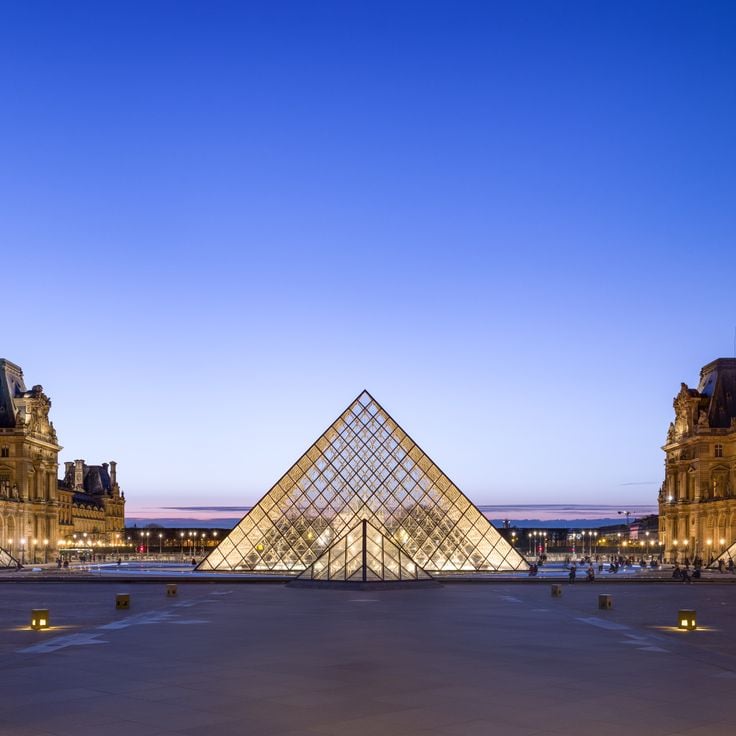
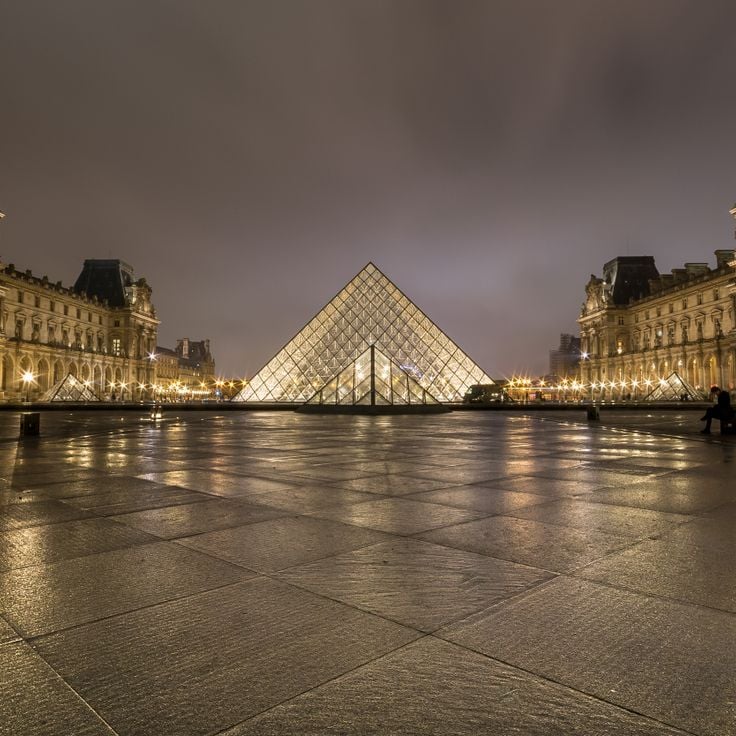
The Louvre Pyramid stands at the center of The Da Vinci Code. Dan Brown places Robert Langdon right here, on the Cour Napoléon, surrounded by the stone facades of the old palace. Built in the 1980s, this glass structure now serves as the main entrance to the museum, and it is where the story begins and ends.
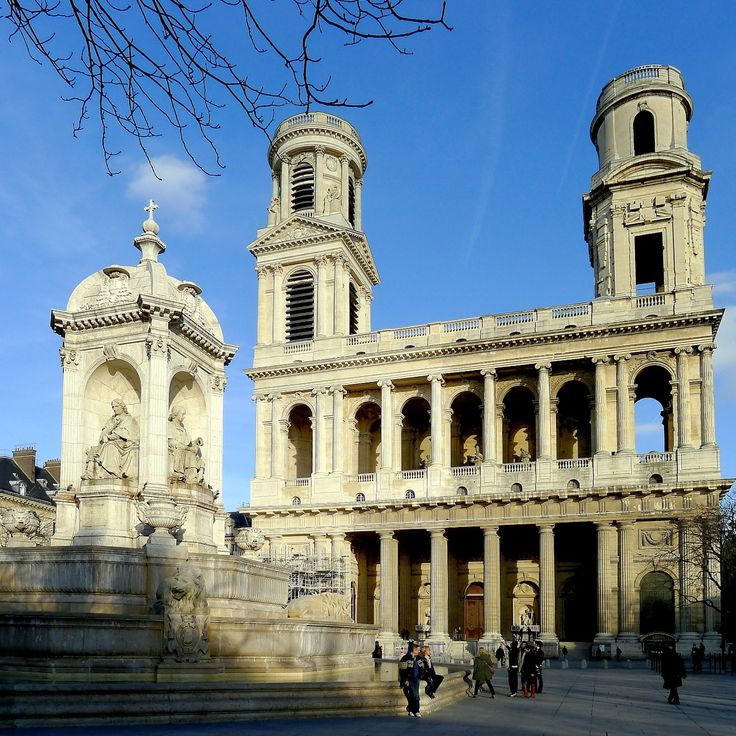
Saint-Sulpice Church sits on the Left Bank of Paris and plays a key role in Dan Brown's "The Da Vinci Code." In the novel, it holds a hidden clue that sets Robert Langdon on a dangerous path. The real church was built in the 17th century and is one of the largest in the city. Inside, a brass line runs across the floor, known as the gnomon, which Brown turns into one of the story's central objects.
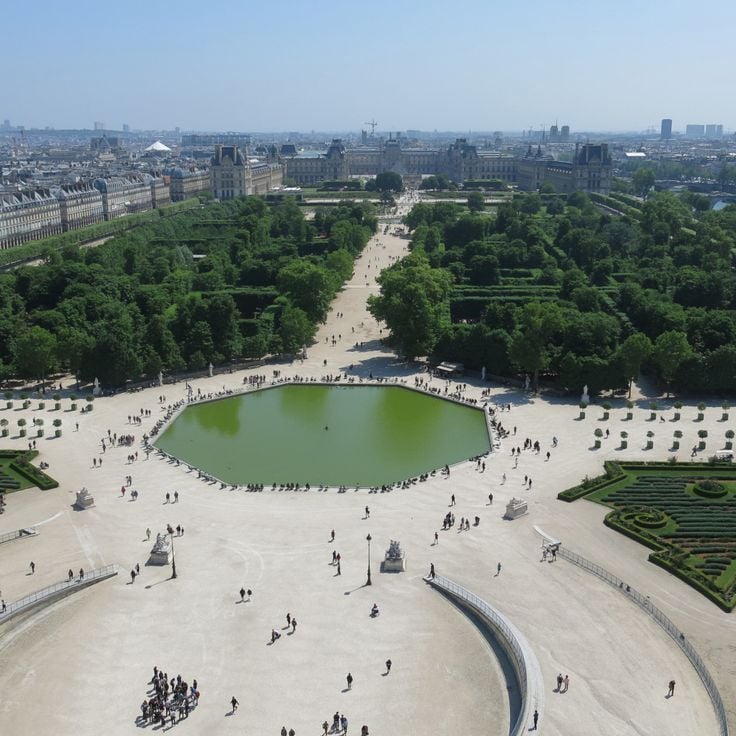
The Jardin des Tuileries in Paris stretches between the Louvre and the Place de la Concorde. In Dan Brown's The Da Vinci Code, this garden appears early in the story, when a body is discovered and the plot begins to unfold. Walking its wide gravel paths today, you pass sculptures, fountains, and old trees that have stood here for centuries.
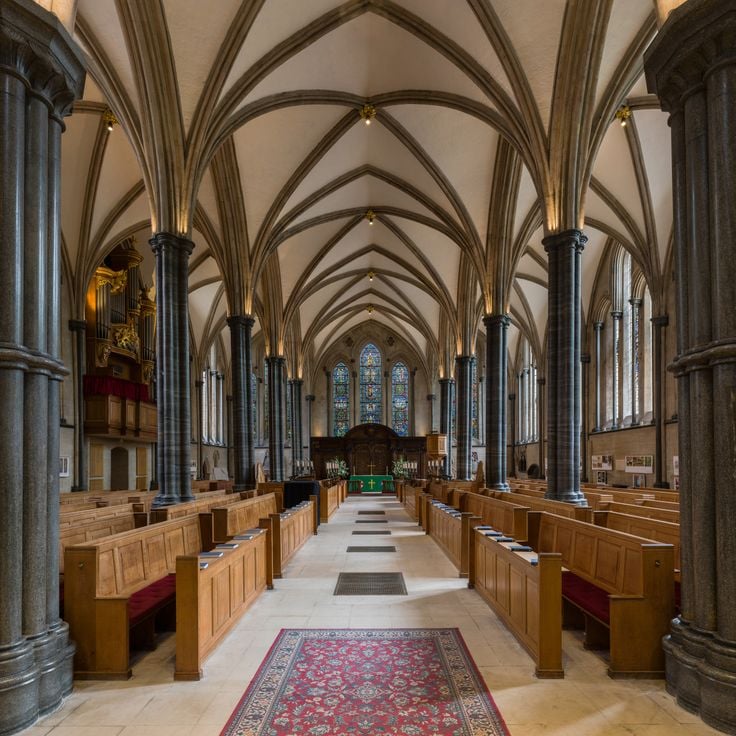
Temple Church in London was built in the 12th century by the Knights Templar. In Dan Brown's The Da Vinci Code, Robert Langdon and Sophie Neveu come here searching for a tomb that holds a key clue. The round nave, rare in England, and the stone effigies of knights lying on the floor give the place a very particular feel that fits the novel's story well.
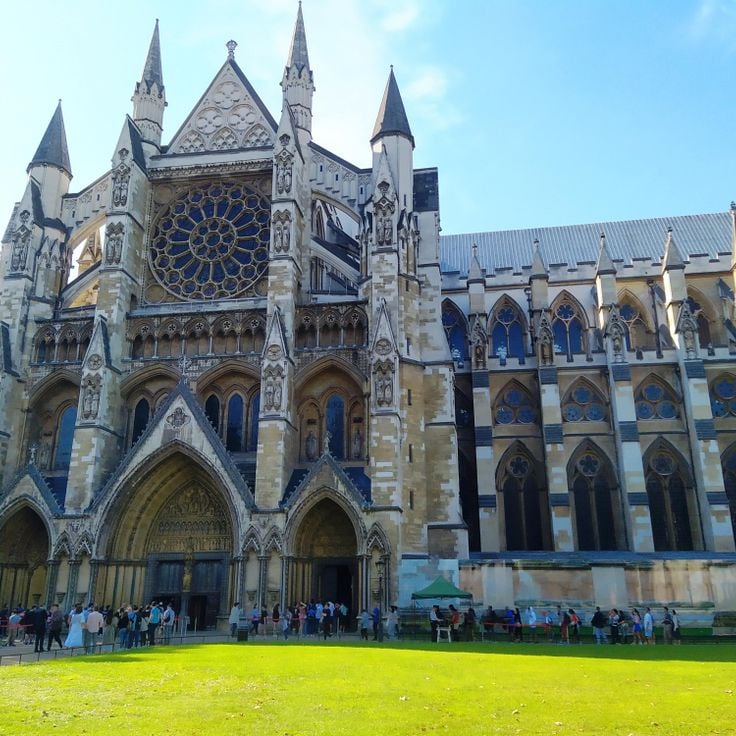
Westminster Abbey is one of London's most storied churches. In Dan Brown's The Da Vinci Code, Robert Langdon and Sophie Neveu come here searching for clues tied to the mystery they are chasing. The building dates back to the 11th century and holds the tombs of English kings, queens, and many celebrated figures. Walking through it, you notice the tall Gothic arches and the worn stone floors beneath your feet. The place carries a sense of deep history that feels very present as you move through each section.
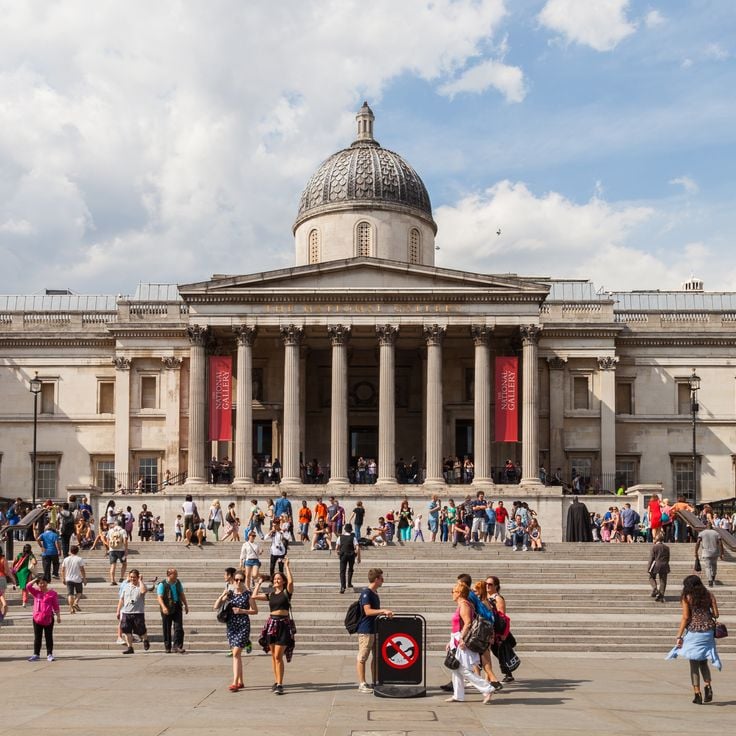
The National Gallery sits at the edge of Trafalgar Square in central London and holds one of the largest collections of paintings in the world. Dan Brown references it in his novels because it is exactly the kind of place that draws his characters: vast, full of old masters, and easy to get lost in. Walking through its rooms, past works by da Vinci, Rembrandt, and Van Gogh, you get the feeling that every canvas hides something worth finding.
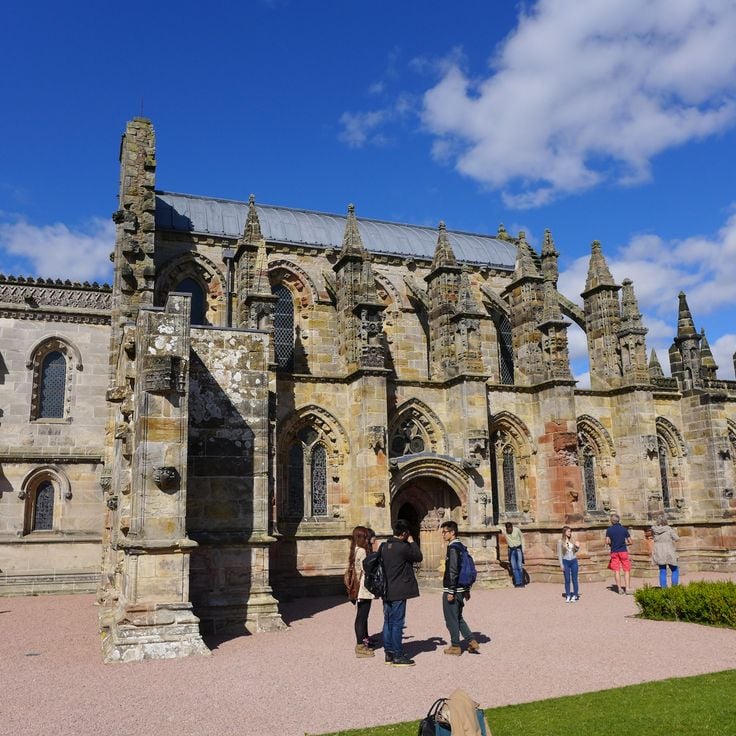
Rosslyn Chapel stands in the village of Roslin, a short drive south of Edinburgh. Built in the 15th century, it is covered in carved stone details that have fueled centuries of speculation. In Dan Brown's The Da Vinci Code, the chapel is where the story reaches its conclusion, drawing Robert Langdon to its walls in search of answers.
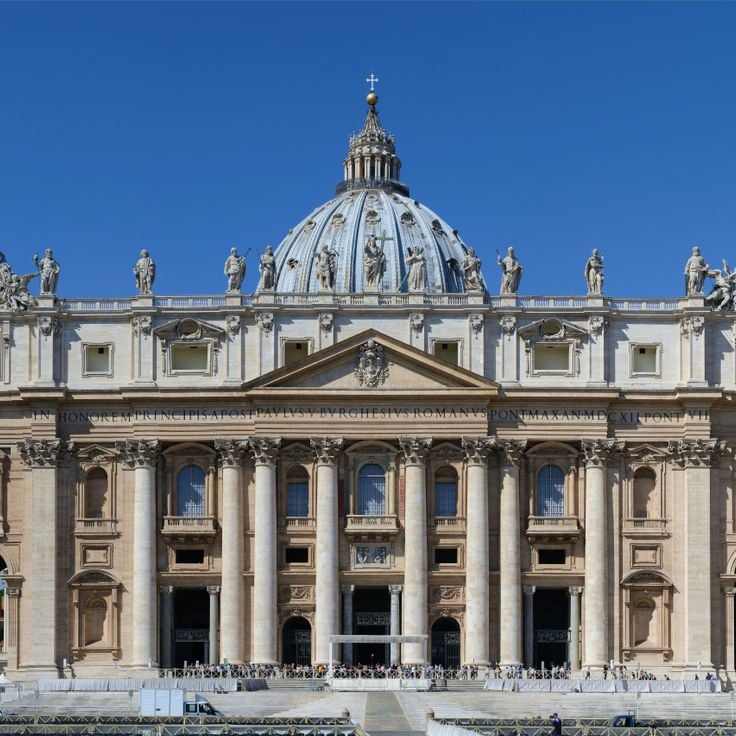
St. Peter's Basilica is at the heart of Dan Brown's "Angels and Demons." Robert Langdon races through this vast church in the Vatican as he follows the trail of the Illuminati. The dome, the colonnades, and the square around it are all part of the story in a very direct way.
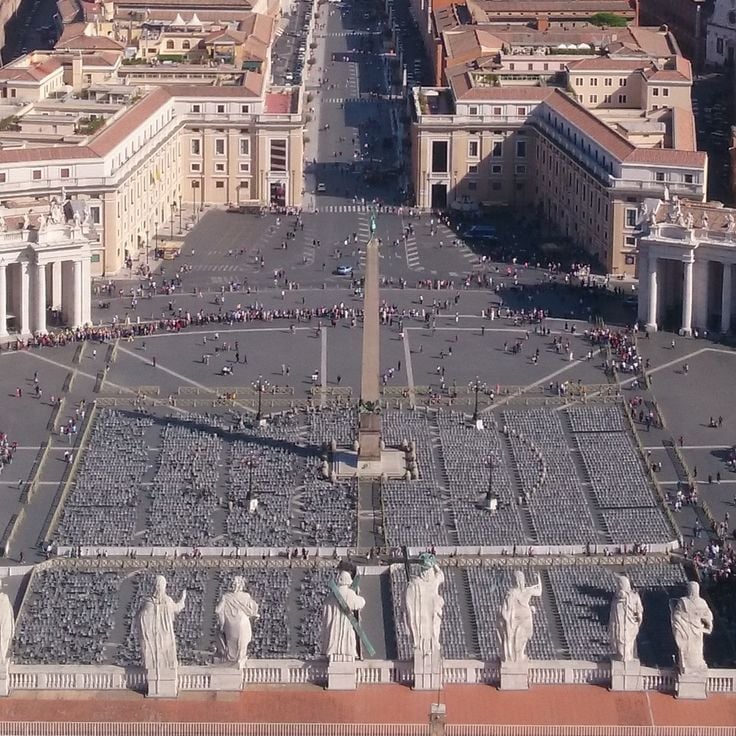
St. Peter's Square in Vatican City plays a central role in Dan Brown's novel "Angels and Demons." Key scenes unfold here, as Robert Langdon races through the open space framed by the great colonnade. The square is vast and open, with the basilica rising straight ahead and crowds gathering at all hours of the day.
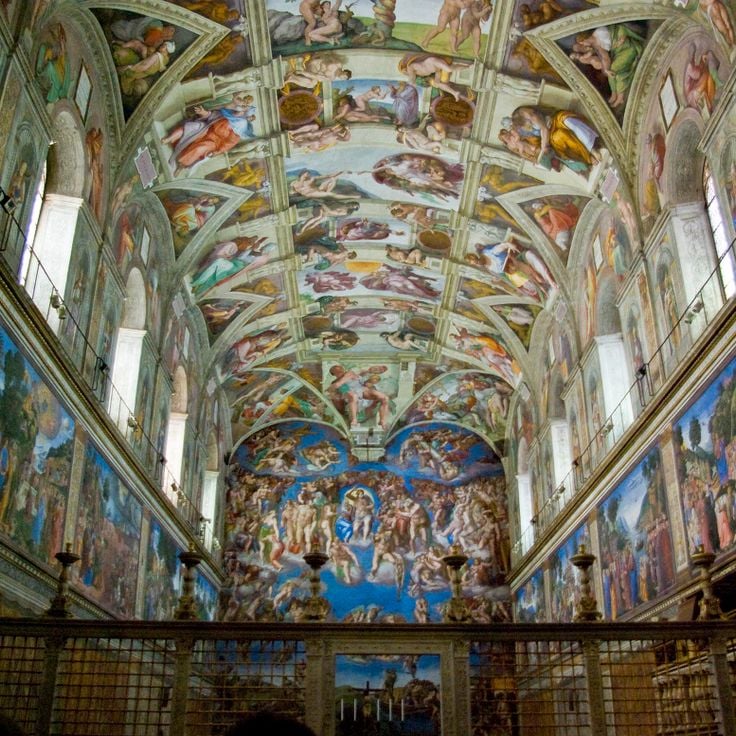
The Sistine Chapel stands at the heart of the Vatican and is one of the most visited sacred spaces in the world. In Dan Brown's Angels and Demons, it serves as the gathering place for the conclave of cardinals electing a new pope, while Robert Langdon races to stop a deadly threat. The ceiling, painted by Michelangelo between 1508 and 1512, draws every visitor's gaze upward the moment they step inside.
The Pantheon in Rome is one of the best preserved buildings from ancient times. In Dan Brown's Angels and Demons, Robert Langdon races through the city to solve a series of murders, and this temple plays a key part in the story. Inside, the round dome opens to the sky through a hole called the oculus, letting daylight fall directly onto the floor. The building has been used as a church for centuries.
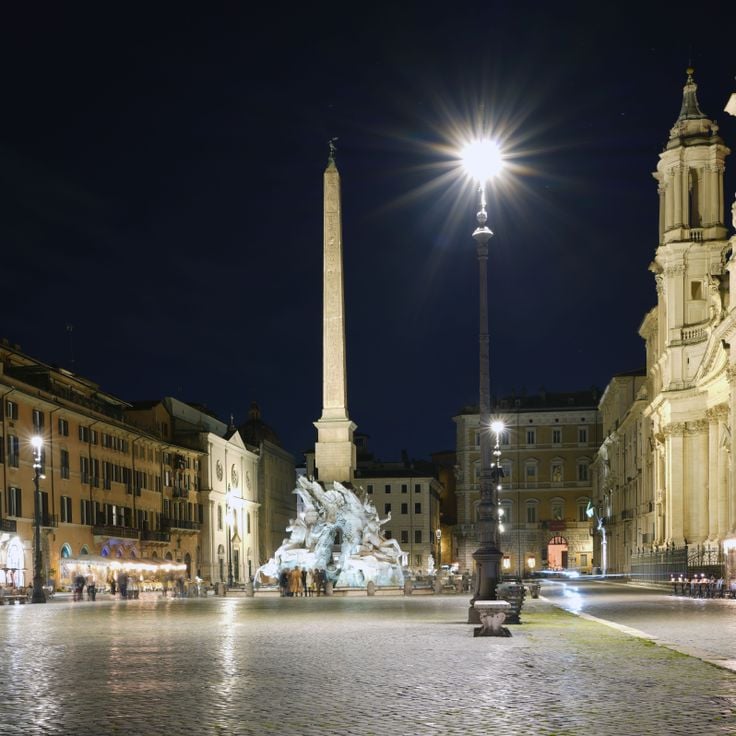
Piazza Navona is one of Rome's most recognizable open spaces. At its center stands the Fountain of the Four Rivers, carved by Gian Lorenzo Bernini in the 17th century. In Dan Brown's Angels and Demons, Robert Langdon passes through this square as part of a trail of clues scattered across the city. The elongated shape of the piazza reflects the ancient stadium that once stood on this spot.
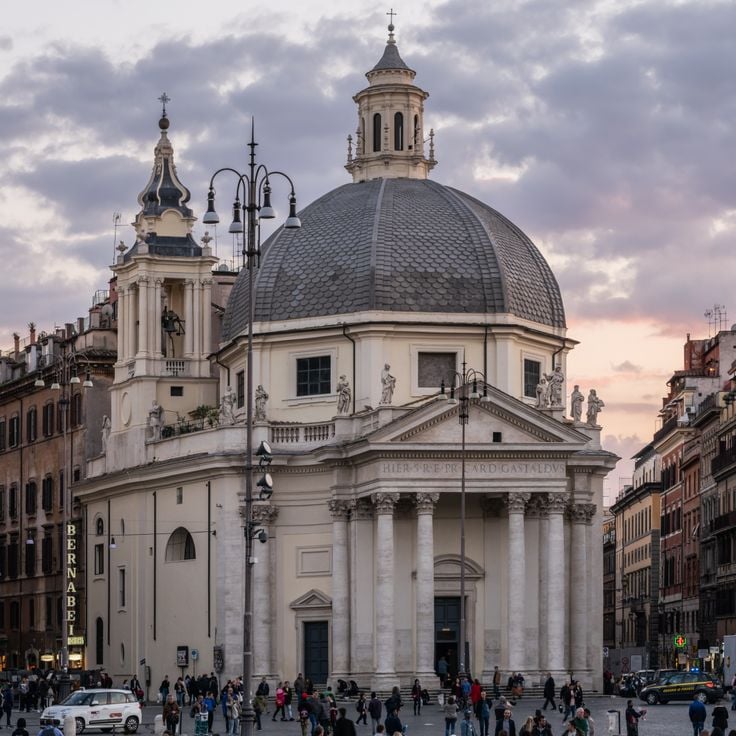
The church of Santa Maria del Popolo in Rome plays a central role in Dan Brown's Angels and Demons. Robert Langdon comes here searching for one of the Altars of Science left by the Illuminati. Inside, you find the Chigi Chapel, designed by Raphael, and two paintings by Caravaggio. Fans of the novel will recognize the setting immediately when they step through the door.
Castel Sant'Angelo in Rome is a circular ancient mausoleum that became a papal fortress and prison over the centuries. In Dan Brown's Angels and Demons, Robert Langdon races through its corridors and hidden rooms as he tries to stop a deadly plot against the Vatican.
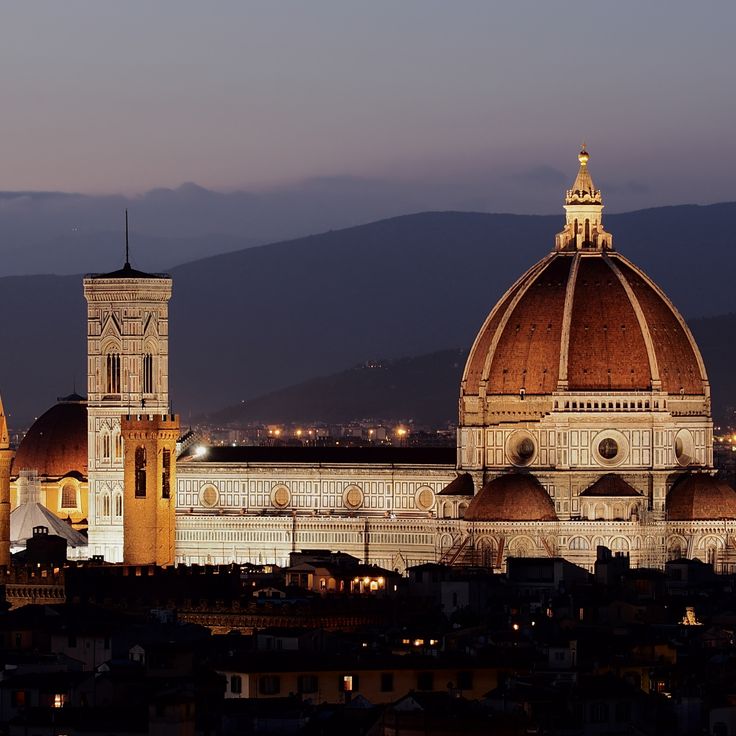
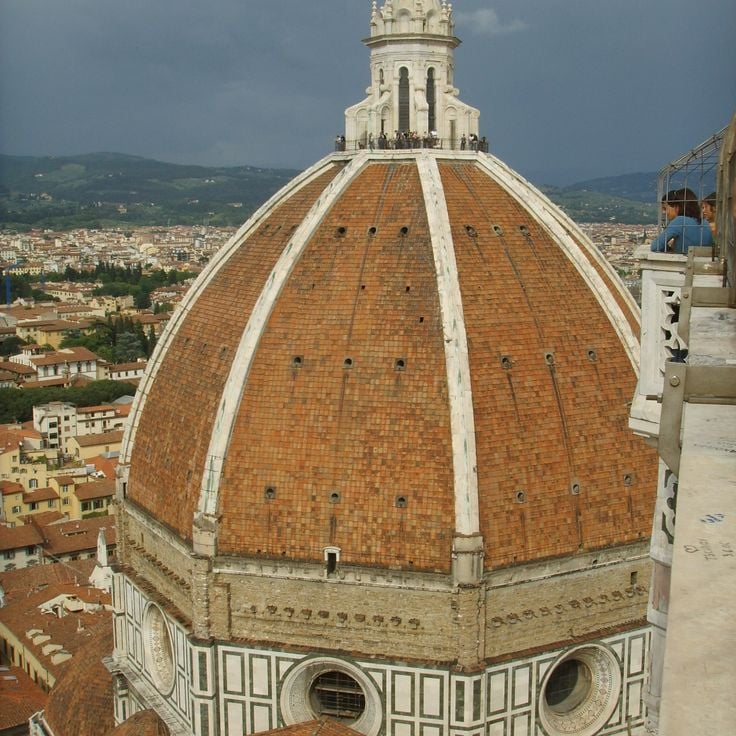
The Cathedral of Santa Maria del Fiore stands at the heart of Florence, topped by a vast red dome designed by Filippo Brunelleschi in the 15th century. In Dan Brown's novel Inferno, Robert Langdon moves through Florence and finds himself drawn to this cathedral as he follows a trail of hidden symbols. Walking around it, you feel the weight of centuries of art and faith concentrated in one place.
The Brunelleschi Dome crowns the Florence Cathedral and dominates the city skyline. In Dan Brown's novel Inferno, Robert Langdon moves through Florence with this dome always in sight, serving as a landmark that guides him through the city's streets and plazas. Built in the 15th century, it was an engineering achievement that had never been attempted at that scale before, and walking around it today still gives a strong sense of its size and presence.
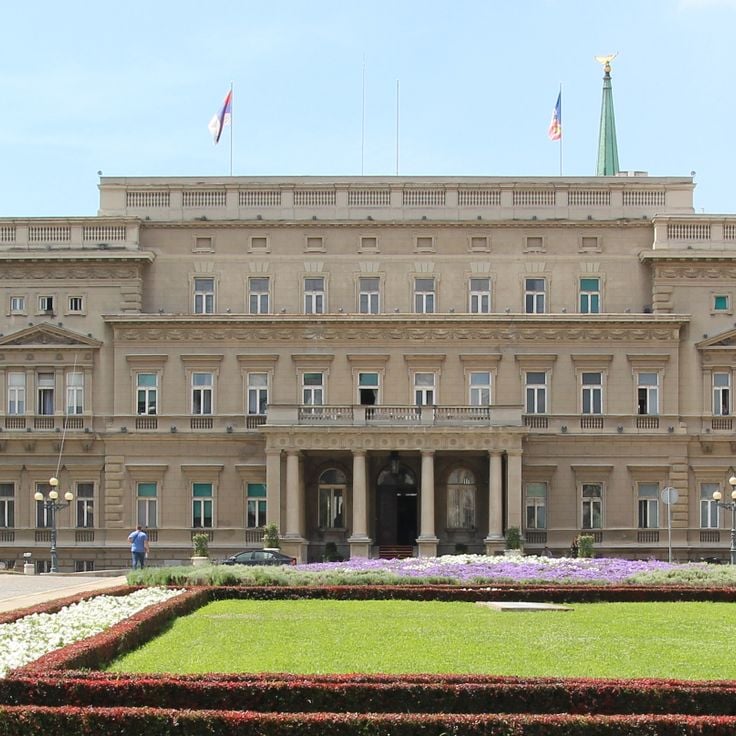
The Palazzo Vecchio is the old city hall of Florence and one of the most recognizable buildings on the Piazza della Signoria. In Dan Brown's novel Inferno, Robert Langdon moves through its halls and hidden passages, following clues connected to Dante's work. The building has been at the center of Florentine public life for centuries, and its tower can be seen from many parts of the city.
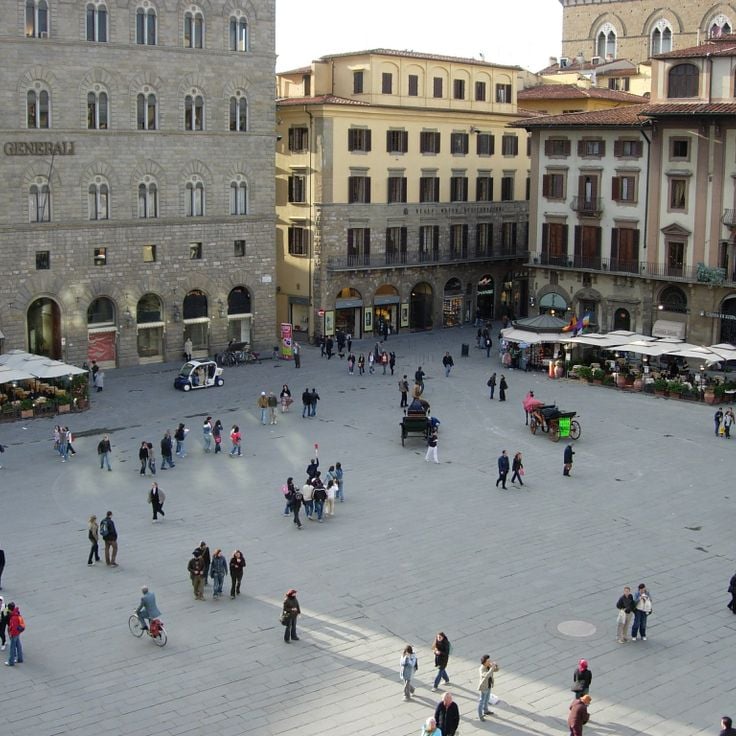
The Piazza della Signoria is the heart of Florence and a key setting in Dan Brown's novel Inferno. The square is surrounded by statues, the Palazzo Vecchio, and open-air cafés where locals and visitors gather throughout the day. Robert Langdon walks through this space following a trail of clues tied to Dante's world.
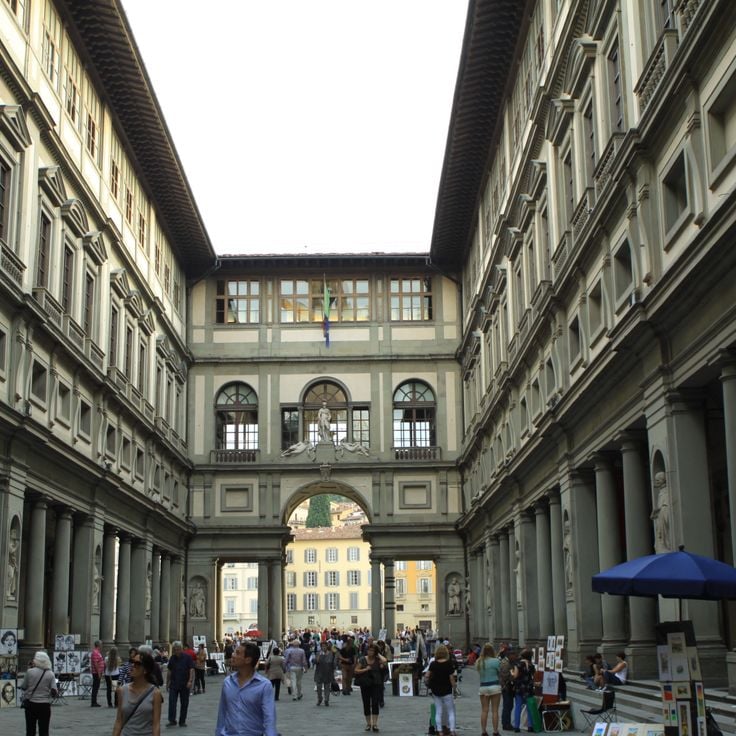
The Uffizi Gallery in Florence is one of the most visited art museums in Europe. In Dan Brown's novel Inferno, Robert Langdon walks through its halls following a trail of symbols connected to Dante's work. The paintings by Botticelli, including The Birth of Venus and Primavera, are central to the plot. The building dates back to the 16th century and sits along the Arno river, just steps from the Piazza della Signoria.
The Basilica of San Marco stands at the heart of Venice, facing the grand square that bears its name. Its golden mosaics, rounded domes and ornate facade make it one of the most recognized churches in the world. In Dan Brown's novel Inferno, the basilica appears as a key location in Robert Langdon's race through Venice. Walking inside, you move through centuries of history, surrounded by shimmering gold and candlelight.
The Grand Canal is the main waterway of Venice. In Dan Brown's novel Inferno, Robert Langdon travels along this canal, past old palaces and busy docks. Gondolas and vaporetti cross its waters as part of daily life, while the building facades lining the banks tell centuries of Venetian history.
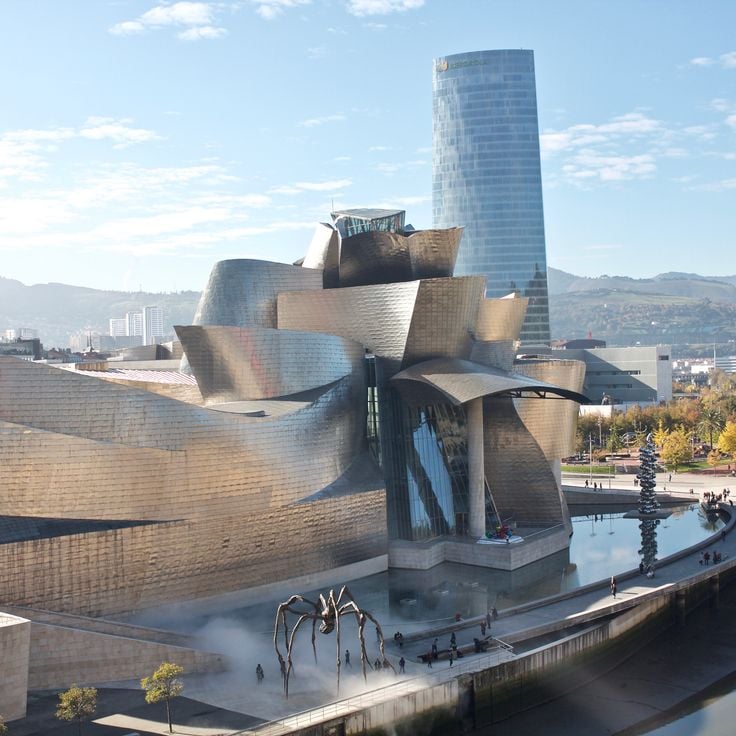
The Guggenheim Museum Bilbao sits on the bank of the Nervión River and is one of the most recognizable buildings in Spain. Its curved shell of titanium panels and glass catches the light differently at every hour of the day. In Dan Brown's novel Origin, this museum is where the story begins: Robert Langdon attends a dramatic presentation here that pulls him into a dangerous investigation. Inside, the galleries hold major works of contemporary art, while the building itself, completed in 1997, draws visitors from around the world who come just to see its shape.
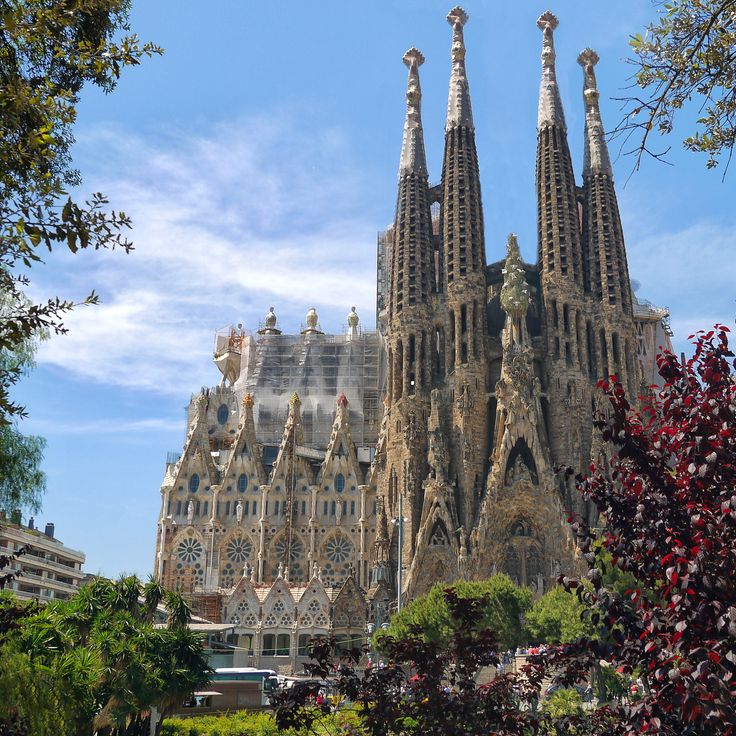
The Sagrada Família is the great unfinished basilica of Barcelona, designed by Antoni Gaudí. In Dan Brown's novel Origin, it plays a central role: Robert Langdon visits this church, whose stone facades and tall towers rise above the city. Construction has been going on for over a century, and the basilica draws visitors from around the world every day.
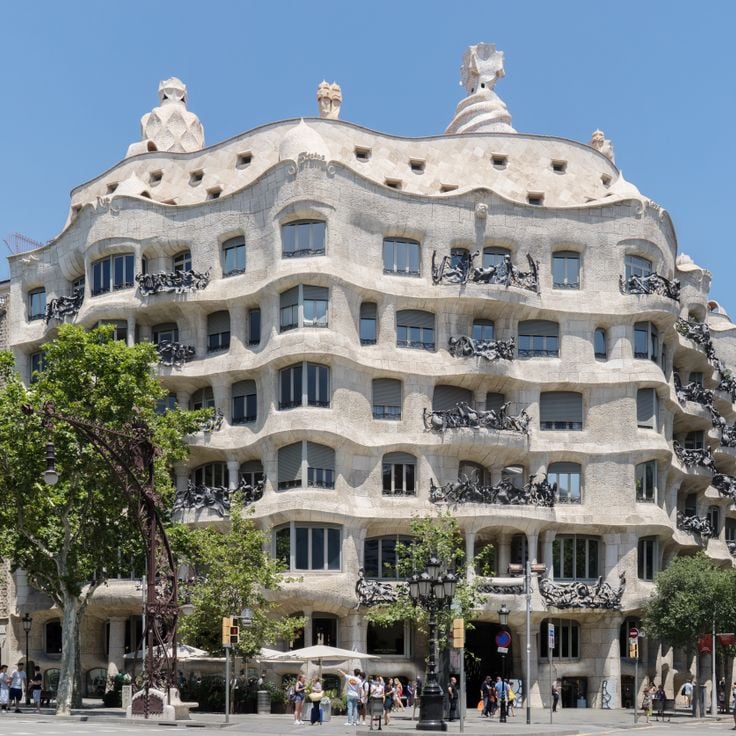
Casa Milà, known locally as La Pedrera, is one of Antoni Gaudí's most recognized buildings in Barcelona. In Dan Brown's novel Origin, this building plays a central role in the story. The stone facade looks almost hand-sculpted, with no straight lines anywhere. On the rooftop, strange chimneys rise like armored figures standing guard. Visitors walk through the rooms and across the roof, often stopping to look out over the city below.
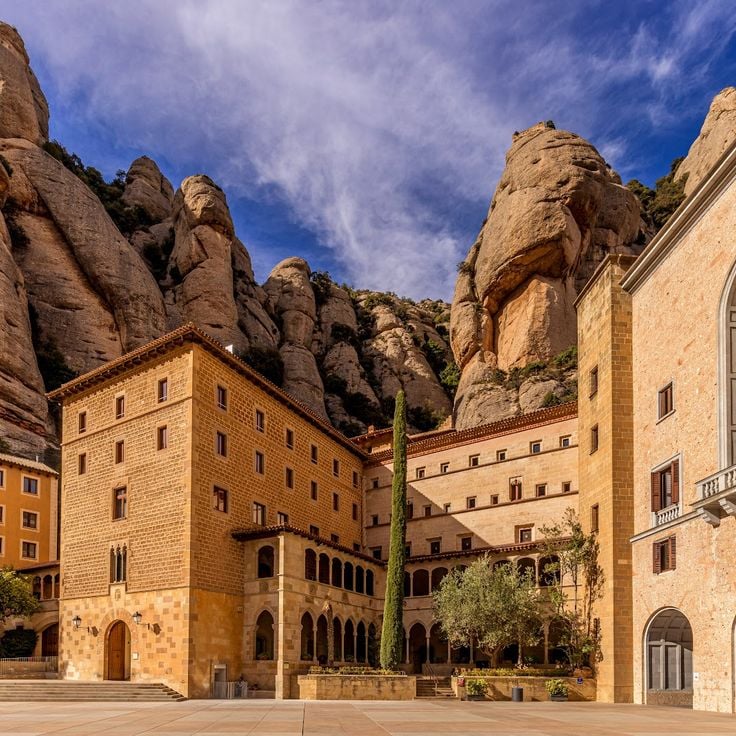
Montserrat is a rocky massif in Catalonia where jagged peaks rise above the surrounding land. A Benedictine monastery has stood there since the Middle Ages, drawing pilgrims and visitors year after year. In Dan Brown's novel Origin, this place plays a role in the story, adding a spiritual and symbolic layer to the plot.
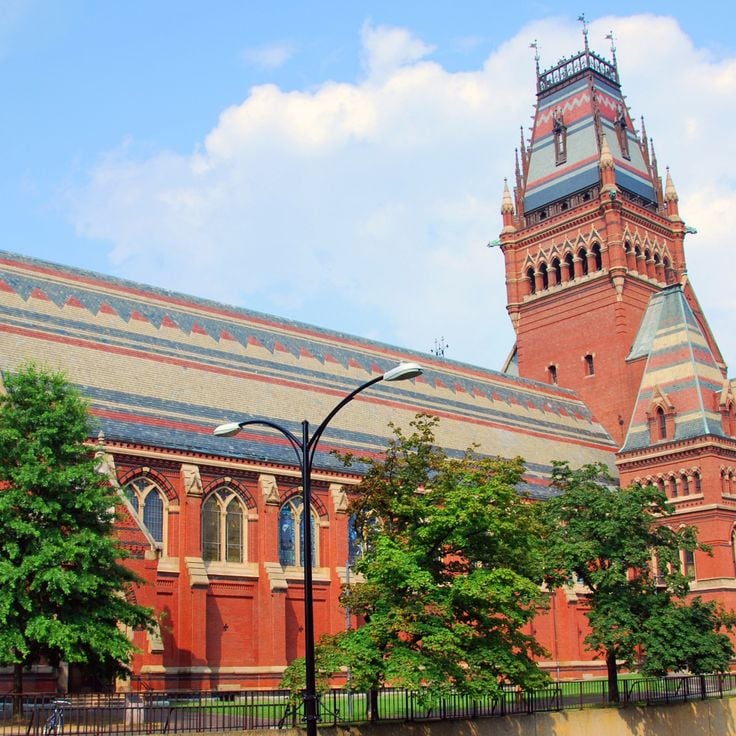
Harvard University in Cambridge, Massachusetts, is where Robert Langdon teaches symbology and art history. The campus, with its red brick buildings and wide courtyards, sets the tone for the character Dan Brown created. Each time Langdon returns between his adventures across Europe and the United States, Harvard feels like a home base that grounds the whole story.
The Capitol sits at the heart of Washington D.C. and serves as the seat of the US Congress. Dan Brown references this building in his novels to anchor his stories in the world of American political power. The white dome is visible from many parts of the city, and the grand steps and columns give the building a strong presence that visitors notice immediately upon arrival.
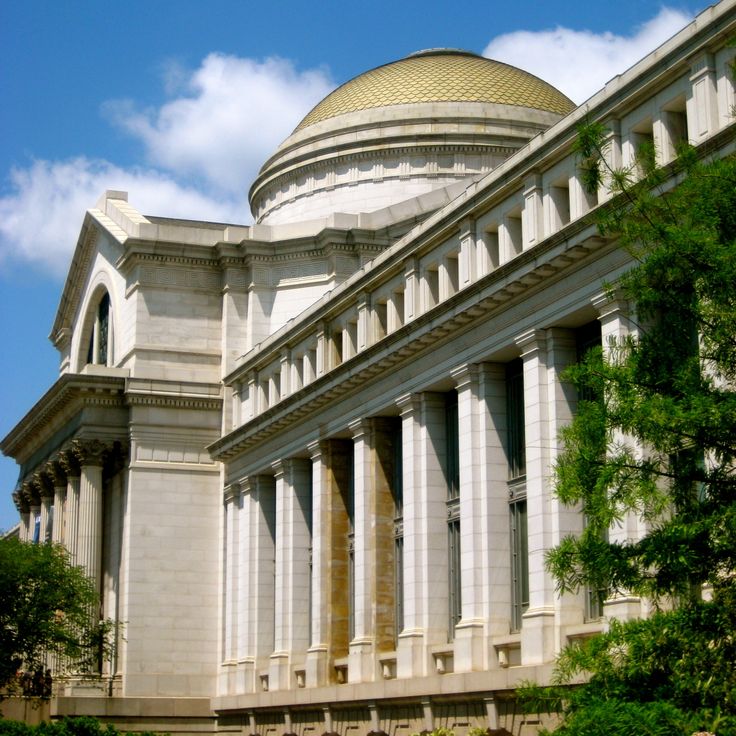
The Smithsonian Institution is a vast museum complex in Washington D.C. that appears in Dan Brown's novels as a backdrop for Robert Langdon's adventures. Its many buildings and collections, spread across the National Mall, give the place a sense of history that fits naturally into Brown's stories. Walking through it feels like stepping into one of his plots.
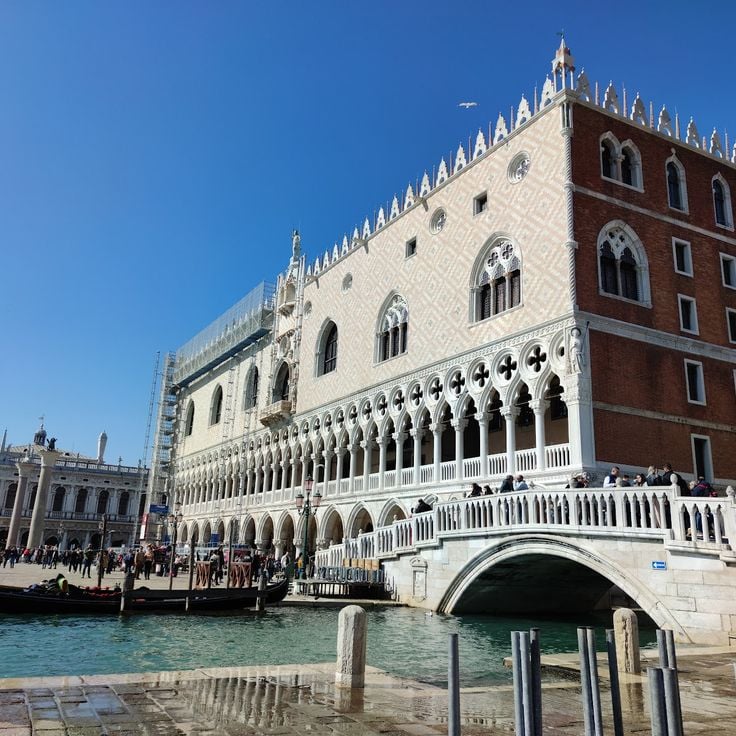
The Doge's Palace in Venice is a Gothic building on St. Mark's Square that served for centuries as the seat of the Venetian government. In Dan Brown's novel Inferno, Robert Langdon races through its halls and secret passages in search of a life-threatening secret. Visitors today can explore the old prison cells, council chambers, and the Bridge of Sighs.
The Louvre Museum in Paris is one of the most visited art museums in the world. Dan Brown chose it as the central setting for "The Da Vinci Code." The story opens here with a murder in the grand gallery, and Robert Langdon must follow clues hidden within the works on display. Walking through its halls, readers of the novel will recognize many scenes from the book.
The Louvre Pyramid stands at the center of The Da Vinci Code. Dan Brown places Robert Langdon right here, on the Cour Napoléon, surrounded by the stone facades of the old palace. Built in the 1980s, this glass structure now serves as the main entrance to the museum, and it is where the story begins and ends.
Saint-Sulpice Church sits on the Left Bank of Paris and plays a key role in Dan Brown's "The Da Vinci Code." In the novel, it holds a hidden clue that sets Robert Langdon on a dangerous path. The real church was built in the 17th century and is one of the largest in the city. Inside, a brass line runs across the floor, known as the gnomon, which Brown turns into one of the story's central objects.
The Jardin des Tuileries in Paris stretches between the Louvre and the Place de la Concorde. In Dan Brown's The Da Vinci Code, this garden appears early in the story, when a body is discovered and the plot begins to unfold. Walking its wide gravel paths today, you pass sculptures, fountains, and old trees that have stood here for centuries.
Temple Church in London was built in the 12th century by the Knights Templar. In Dan Brown's The Da Vinci Code, Robert Langdon and Sophie Neveu come here searching for a tomb that holds a key clue. The round nave, rare in England, and the stone effigies of knights lying on the floor give the place a very particular feel that fits the novel's story well.
Westminster Abbey is one of London's most storied churches. In Dan Brown's The Da Vinci Code, Robert Langdon and Sophie Neveu come here searching for clues tied to the mystery they are chasing. The building dates back to the 11th century and holds the tombs of English kings, queens, and many celebrated figures. Walking through it, you notice the tall Gothic arches and the worn stone floors beneath your feet. The place carries a sense of deep history that feels very present as you move through each section.
The National Gallery sits at the edge of Trafalgar Square in central London and holds one of the largest collections of paintings in the world. Dan Brown references it in his novels because it is exactly the kind of place that draws his characters: vast, full of old masters, and easy to get lost in. Walking through its rooms, past works by da Vinci, Rembrandt, and Van Gogh, you get the feeling that every canvas hides something worth finding.
Rosslyn Chapel stands in the village of Roslin, a short drive south of Edinburgh. Built in the 15th century, it is covered in carved stone details that have fueled centuries of speculation. In Dan Brown's The Da Vinci Code, the chapel is where the story reaches its conclusion, drawing Robert Langdon to its walls in search of answers.
St. Peter's Basilica is at the heart of Dan Brown's "Angels and Demons." Robert Langdon races through this vast church in the Vatican as he follows the trail of the Illuminati. The dome, the colonnades, and the square around it are all part of the story in a very direct way.
St. Peter's Square in Vatican City plays a central role in Dan Brown's novel "Angels and Demons." Key scenes unfold here, as Robert Langdon races through the open space framed by the great colonnade. The square is vast and open, with the basilica rising straight ahead and crowds gathering at all hours of the day.
The Sistine Chapel stands at the heart of the Vatican and is one of the most visited sacred spaces in the world. In Dan Brown's Angels and Demons, it serves as the gathering place for the conclave of cardinals electing a new pope, while Robert Langdon races to stop a deadly threat. The ceiling, painted by Michelangelo between 1508 and 1512, draws every visitor's gaze upward the moment they step inside.
The Pantheon in Rome is one of the best preserved buildings from ancient times. In Dan Brown's Angels and Demons, Robert Langdon races through the city to solve a series of murders, and this temple plays a key part in the story. Inside, the round dome opens to the sky through a hole called the oculus, letting daylight fall directly onto the floor. The building has been used as a church for centuries.
Piazza Navona is one of Rome's most recognizable open spaces. At its center stands the Fountain of the Four Rivers, carved by Gian Lorenzo Bernini in the 17th century. In Dan Brown's Angels and Demons, Robert Langdon passes through this square as part of a trail of clues scattered across the city. The elongated shape of the piazza reflects the ancient stadium that once stood on this spot.
The church of Santa Maria del Popolo in Rome plays a central role in Dan Brown's Angels and Demons. Robert Langdon comes here searching for one of the Altars of Science left by the Illuminati. Inside, you find the Chigi Chapel, designed by Raphael, and two paintings by Caravaggio. Fans of the novel will recognize the setting immediately when they step through the door.
Castel Sant'Angelo in Rome is a circular ancient mausoleum that became a papal fortress and prison over the centuries. In Dan Brown's Angels and Demons, Robert Langdon races through its corridors and hidden rooms as he tries to stop a deadly plot against the Vatican.
The Cathedral of Santa Maria del Fiore stands at the heart of Florence, topped by a vast red dome designed by Filippo Brunelleschi in the 15th century. In Dan Brown's novel Inferno, Robert Langdon moves through Florence and finds himself drawn to this cathedral as he follows a trail of hidden symbols. Walking around it, you feel the weight of centuries of art and faith concentrated in one place.
The Brunelleschi Dome crowns the Florence Cathedral and dominates the city skyline. In Dan Brown's novel Inferno, Robert Langdon moves through Florence with this dome always in sight, serving as a landmark that guides him through the city's streets and plazas. Built in the 15th century, it was an engineering achievement that had never been attempted at that scale before, and walking around it today still gives a strong sense of its size and presence.
The Palazzo Vecchio is the old city hall of Florence and one of the most recognizable buildings on the Piazza della Signoria. In Dan Brown's novel Inferno, Robert Langdon moves through its halls and hidden passages, following clues connected to Dante's work. The building has been at the center of Florentine public life for centuries, and its tower can be seen from many parts of the city.
The Piazza della Signoria is the heart of Florence and a key setting in Dan Brown's novel Inferno. The square is surrounded by statues, the Palazzo Vecchio, and open-air cafés where locals and visitors gather throughout the day. Robert Langdon walks through this space following a trail of clues tied to Dante's world.
The Uffizi Gallery in Florence is one of the most visited art museums in Europe. In Dan Brown's novel Inferno, Robert Langdon walks through its halls following a trail of symbols connected to Dante's work. The paintings by Botticelli, including The Birth of Venus and Primavera, are central to the plot. The building dates back to the 16th century and sits along the Arno river, just steps from the Piazza della Signoria.
The Basilica of San Marco stands at the heart of Venice, facing the grand square that bears its name. Its golden mosaics, rounded domes and ornate facade make it one of the most recognized churches in the world. In Dan Brown's novel Inferno, the basilica appears as a key location in Robert Langdon's race through Venice. Walking inside, you move through centuries of history, surrounded by shimmering gold and candlelight.
The Grand Canal is the main waterway of Venice. In Dan Brown's novel Inferno, Robert Langdon travels along this canal, past old palaces and busy docks. Gondolas and vaporetti cross its waters as part of daily life, while the building facades lining the banks tell centuries of Venetian history.
The Guggenheim Museum Bilbao sits on the bank of the Nervión River and is one of the most recognizable buildings in Spain. Its curved shell of titanium panels and glass catches the light differently at every hour of the day. In Dan Brown's novel Origin, this museum is where the story begins: Robert Langdon attends a dramatic presentation here that pulls him into a dangerous investigation. Inside, the galleries hold major works of contemporary art, while the building itself, completed in 1997, draws visitors from around the world who come just to see its shape.
The Sagrada Família is the great unfinished basilica of Barcelona, designed by Antoni Gaudí. In Dan Brown's novel Origin, it plays a central role: Robert Langdon visits this church, whose stone facades and tall towers rise above the city. Construction has been going on for over a century, and the basilica draws visitors from around the world every day.
Casa Milà, known locally as La Pedrera, is one of Antoni Gaudí's most recognized buildings in Barcelona. In Dan Brown's novel Origin, this building plays a central role in the story. The stone facade looks almost hand-sculpted, with no straight lines anywhere. On the rooftop, strange chimneys rise like armored figures standing guard. Visitors walk through the rooms and across the roof, often stopping to look out over the city below.
Montserrat is a rocky massif in Catalonia where jagged peaks rise above the surrounding land. A Benedictine monastery has stood there since the Middle Ages, drawing pilgrims and visitors year after year. In Dan Brown's novel Origin, this place plays a role in the story, adding a spiritual and symbolic layer to the plot.
Harvard University in Cambridge, Massachusetts, is where Robert Langdon teaches symbology and art history. The campus, with its red brick buildings and wide courtyards, sets the tone for the character Dan Brown created. Each time Langdon returns between his adventures across Europe and the United States, Harvard feels like a home base that grounds the whole story.
The Capitol sits at the heart of Washington D.C. and serves as the seat of the US Congress. Dan Brown references this building in his novels to anchor his stories in the world of American political power. The white dome is visible from many parts of the city, and the grand steps and columns give the building a strong presence that visitors notice immediately upon arrival.
The Smithsonian Institution is a vast museum complex in Washington D.C. that appears in Dan Brown's novels as a backdrop for Robert Langdon's adventures. Its many buildings and collections, spread across the National Mall, give the place a sense of history that fits naturally into Brown's stories. Walking through it feels like stepping into one of his plots.
The Doge's Palace in Venice is a Gothic building on St. Mark's Square that served for centuries as the seat of the Venetian government. In Dan Brown's novel Inferno, Robert Langdon races through its halls and secret passages in search of a life-threatening secret. Visitors today can explore the old prison cells, council chambers, and the Bridge of Sighs.
The Louvre Museum in Paris is one of the most visited art museums in the world. Dan Brown chose it as the central setting for "The Da Vinci Code." The story opens here with a murder in the grand gallery, and Robert Langdon must follow clues hidden within the works on display. Walking through its halls, readers of the novel will recognize many scenes from the book.
The Louvre Pyramid stands at the center of The Da Vinci Code. Dan Brown places Robert Langdon right here, on the Cour Napoléon, surrounded by the stone facades of the old palace. Built in the 1980s, this glass structure now serves as the main entrance to the museum, and it is where the story begins and ends.
Saint-Sulpice Church sits on the Left Bank of Paris and plays a key role in Dan Brown's "The Da Vinci Code." In the novel, it holds a hidden clue that sets Robert Langdon on a dangerous path. The real church was built in the 17th century and is one of the largest in the city. Inside, a brass line runs across the floor, known as the gnomon, which Brown turns into one of the story's central objects.
The Jardin des Tuileries in Paris stretches between the Louvre and the Place de la Concorde. In Dan Brown's The Da Vinci Code, this garden appears early in the story, when a body is discovered and the plot begins to unfold. Walking its wide gravel paths today, you pass sculptures, fountains, and old trees that have stood here for centuries.
Temple Church in London was built in the 12th century by the Knights Templar. In Dan Brown's The Da Vinci Code, Robert Langdon and Sophie Neveu come here searching for a tomb that holds a key clue. The round nave, rare in England, and the stone effigies of knights lying on the floor give the place a very particular feel that fits the novel's story well.
Westminster Abbey is one of London's most storied churches. In Dan Brown's The Da Vinci Code, Robert Langdon and Sophie Neveu come here searching for clues tied to the mystery they are chasing. The building dates back to the 11th century and holds the tombs of English kings, queens, and many celebrated figures. Walking through it, you notice the tall Gothic arches and the worn stone floors beneath your feet. The place carries a sense of deep history that feels very present as you move through each section.
The National Gallery sits at the edge of Trafalgar Square in central London and holds one of the largest collections of paintings in the world. Dan Brown references it in his novels because it is exactly the kind of place that draws his characters: vast, full of old masters, and easy to get lost in. Walking through its rooms, past works by da Vinci, Rembrandt, and Van Gogh, you get the feeling that every canvas hides something worth finding.
Rosslyn Chapel stands in the village of Roslin, a short drive south of Edinburgh. Built in the 15th century, it is covered in carved stone details that have fueled centuries of speculation. In Dan Brown's The Da Vinci Code, the chapel is where the story reaches its conclusion, drawing Robert Langdon to its walls in search of answers.
St. Peter's Basilica is at the heart of Dan Brown's "Angels and Demons." Robert Langdon races through this vast church in the Vatican as he follows the trail of the Illuminati. The dome, the colonnades, and the square around it are all part of the story in a very direct way.
St. Peter's Square in Vatican City plays a central role in Dan Brown's novel "Angels and Demons." Key scenes unfold here, as Robert Langdon races through the open space framed by the great colonnade. The square is vast and open, with the basilica rising straight ahead and crowds gathering at all hours of the day.
The Sistine Chapel stands at the heart of the Vatican and is one of the most visited sacred spaces in the world. In Dan Brown's Angels and Demons, it serves as the gathering place for the conclave of cardinals electing a new pope, while Robert Langdon races to stop a deadly threat. The ceiling, painted by Michelangelo between 1508 and 1512, draws every visitor's gaze upward the moment they step inside.
The Pantheon in Rome is one of the best preserved buildings from ancient times. In Dan Brown's Angels and Demons, Robert Langdon races through the city to solve a series of murders, and this temple plays a key part in the story. Inside, the round dome opens to the sky through a hole called the oculus, letting daylight fall directly onto the floor. The building has been used as a church for centuries.
Piazza Navona is one of Rome's most recognizable open spaces. At its center stands the Fountain of the Four Rivers, carved by Gian Lorenzo Bernini in the 17th century. In Dan Brown's Angels and Demons, Robert Langdon passes through this square as part of a trail of clues scattered across the city. The elongated shape of the piazza reflects the ancient stadium that once stood on this spot.
The church of Santa Maria del Popolo in Rome plays a central role in Dan Brown's Angels and Demons. Robert Langdon comes here searching for one of the Altars of Science left by the Illuminati. Inside, you find the Chigi Chapel, designed by Raphael, and two paintings by Caravaggio. Fans of the novel will recognize the setting immediately when they step through the door.
Castel Sant'Angelo in Rome is a circular ancient mausoleum that became a papal fortress and prison over the centuries. In Dan Brown's Angels and Demons, Robert Langdon races through its corridors and hidden rooms as he tries to stop a deadly plot against the Vatican.
The Cathedral of Santa Maria del Fiore stands at the heart of Florence, topped by a vast red dome designed by Filippo Brunelleschi in the 15th century. In Dan Brown's novel Inferno, Robert Langdon moves through Florence and finds himself drawn to this cathedral as he follows a trail of hidden symbols. Walking around it, you feel the weight of centuries of art and faith concentrated in one place.
The Brunelleschi Dome crowns the Florence Cathedral and dominates the city skyline. In Dan Brown's novel Inferno, Robert Langdon moves through Florence with this dome always in sight, serving as a landmark that guides him through the city's streets and plazas. Built in the 15th century, it was an engineering achievement that had never been attempted at that scale before, and walking around it today still gives a strong sense of its size and presence.
The Palazzo Vecchio is the old city hall of Florence and one of the most recognizable buildings on the Piazza della Signoria. In Dan Brown's novel Inferno, Robert Langdon moves through its halls and hidden passages, following clues connected to Dante's work. The building has been at the center of Florentine public life for centuries, and its tower can be seen from many parts of the city.
The Piazza della Signoria is the heart of Florence and a key setting in Dan Brown's novel Inferno. The square is surrounded by statues, the Palazzo Vecchio, and open-air cafés where locals and visitors gather throughout the day. Robert Langdon walks through this space following a trail of clues tied to Dante's world.
The Uffizi Gallery in Florence is one of the most visited art museums in Europe. In Dan Brown's novel Inferno, Robert Langdon walks through its halls following a trail of symbols connected to Dante's work. The paintings by Botticelli, including The Birth of Venus and Primavera, are central to the plot. The building dates back to the 16th century and sits along the Arno river, just steps from the Piazza della Signoria.
The Basilica of San Marco stands at the heart of Venice, facing the grand square that bears its name. Its golden mosaics, rounded domes and ornate facade make it one of the most recognized churches in the world. In Dan Brown's novel Inferno, the basilica appears as a key location in Robert Langdon's race through Venice. Walking inside, you move through centuries of history, surrounded by shimmering gold and candlelight.
The Grand Canal is the main waterway of Venice. In Dan Brown's novel Inferno, Robert Langdon travels along this canal, past old palaces and busy docks. Gondolas and vaporetti cross its waters as part of daily life, while the building facades lining the banks tell centuries of Venetian history.
The Guggenheim Museum Bilbao sits on the bank of the Nervión River and is one of the most recognizable buildings in Spain. Its curved shell of titanium panels and glass catches the light differently at every hour of the day. In Dan Brown's novel Origin, this museum is where the story begins: Robert Langdon attends a dramatic presentation here that pulls him into a dangerous investigation. Inside, the galleries hold major works of contemporary art, while the building itself, completed in 1997, draws visitors from around the world who come just to see its shape.
The Sagrada Família is the great unfinished basilica of Barcelona, designed by Antoni Gaudí. In Dan Brown's novel Origin, it plays a central role: Robert Langdon visits this church, whose stone facades and tall towers rise above the city. Construction has been going on for over a century, and the basilica draws visitors from around the world every day.
Casa Milà, known locally as La Pedrera, is one of Antoni Gaudí's most recognized buildings in Barcelona. In Dan Brown's novel Origin, this building plays a central role in the story. The stone facade looks almost hand-sculpted, with no straight lines anywhere. On the rooftop, strange chimneys rise like armored figures standing guard. Visitors walk through the rooms and across the roof, often stopping to look out over the city below.
Montserrat is a rocky massif in Catalonia where jagged peaks rise above the surrounding land. A Benedictine monastery has stood there since the Middle Ages, drawing pilgrims and visitors year after year. In Dan Brown's novel Origin, this place plays a role in the story, adding a spiritual and symbolic layer to the plot.
Harvard University in Cambridge, Massachusetts, is where Robert Langdon teaches symbology and art history. The campus, with its red brick buildings and wide courtyards, sets the tone for the character Dan Brown created. Each time Langdon returns between his adventures across Europe and the United States, Harvard feels like a home base that grounds the whole story.
The Capitol sits at the heart of Washington D.C. and serves as the seat of the US Congress. Dan Brown references this building in his novels to anchor his stories in the world of American political power. The white dome is visible from many parts of the city, and the grand steps and columns give the building a strong presence that visitors notice immediately upon arrival.
The Smithsonian Institution is a vast museum complex in Washington D.C. that appears in Dan Brown's novels as a backdrop for Robert Langdon's adventures. Its many buildings and collections, spread across the National Mall, give the place a sense of history that fits naturally into Brown's stories. Walking through it feels like stepping into one of his plots.
The Doge's Palace in Venice is a Gothic building on St. Mark's Square that served for centuries as the seat of the Venetian government. In Dan Brown's novel Inferno, Robert Langdon races through its halls and secret passages in search of a life-threatening secret. Visitors today can explore the old prison cells, council chambers, and the Bridge of Sighs.
If you follow Robert Langdon's steps through these sites, remember that the buildings are mainly places where people live and worship. Visit them respectfully, observe their opening hours, and follow quiet rules. Some places, like the Sistine Chapel, do not allow photography. Get ready by reading the passages from the book that relate to each site. You will enjoy the details that Dan Brown chose to tell much more.