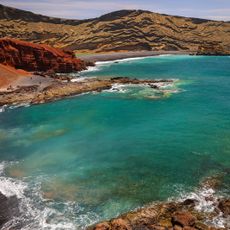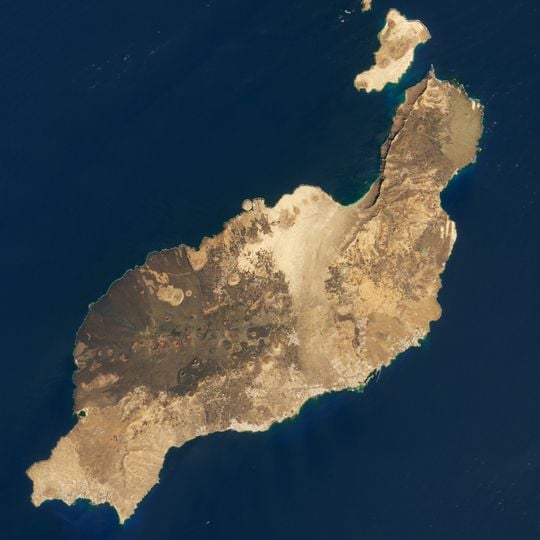
Lanzarote, Volcanic island in the Canary Islands, Spain
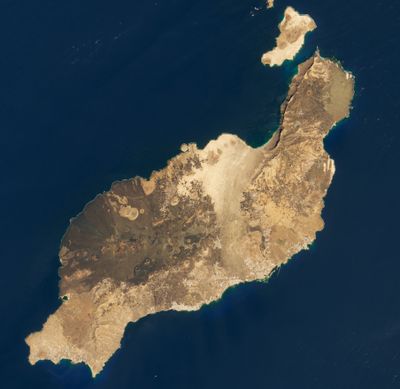
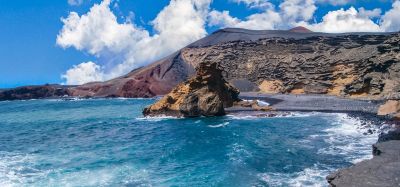
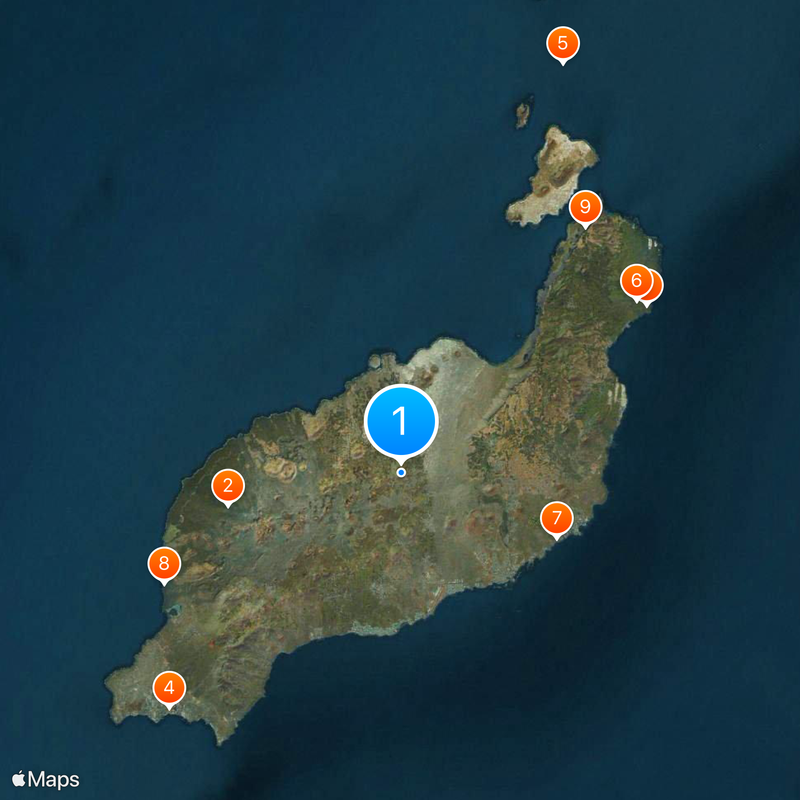
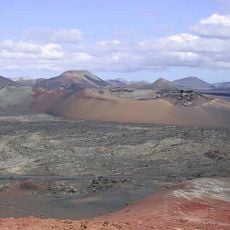
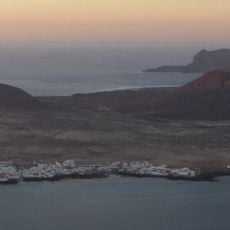
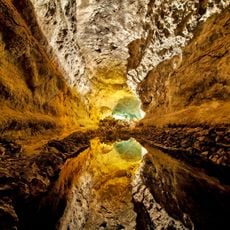
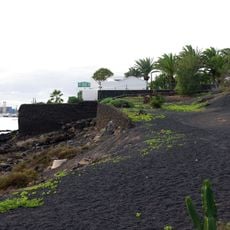
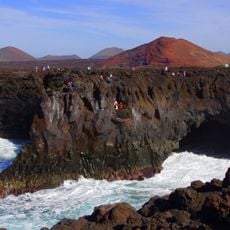
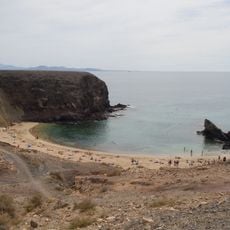
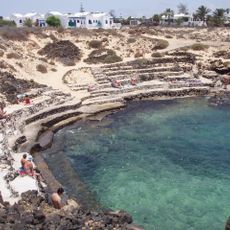
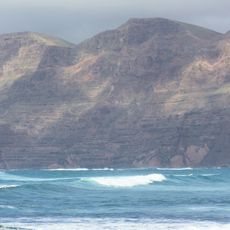
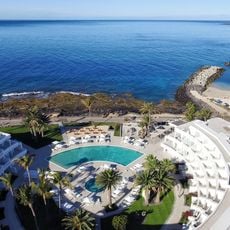
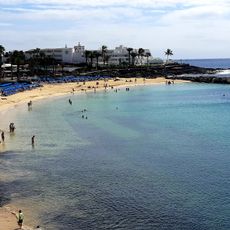
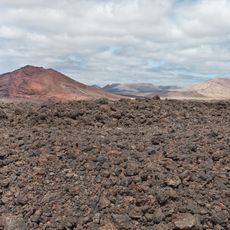
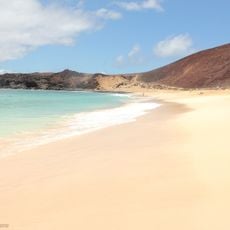
Lanzarote is a volcanic island in the Atlantic that belongs to the Spanish province of Las Palmas and features black lava fields alongside more than a hundred volcanic cones. The landscape ranges from barren stone deserts to coastal stretches with white sand, while the highest elevations sit in the north and the southern areas remain flatter.
A Genoese navigator reached the coast in the early 14th century and gave the island its name, before it was later claimed by Castilian forces. The volcanic eruptions between 1730 and 1736 buried several villages under lava and changed the western part of the surface permanently.
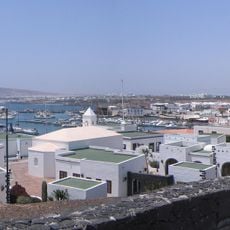
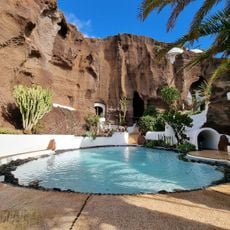
White houses with green or blue wooden windows shape the villages across the island, an architectural approach rooted in local design guidelines. Open fish markets and small bodegas show how residents still use volcanic land for wine cultivation and farming, often in ways passed down through generations.
The climate stays mild throughout the year, with warm days and little rain, so swimwear and light clothing are usually enough. The international airport sits centrally and buses connect the larger towns, while renting a car makes exploring remote coves and volcanic areas easier.
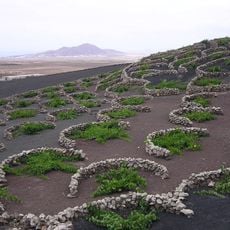
In the La Geria wine region, thousands of individual vines sit in dug pits of volcanic ash, each surrounded by semicircular stone walls. These walls protect the plants from constant wind and help trap overnight moisture in the soil, a cultivation method rarely used anywhere else.
The community of curious travelers
AroundUs brings together thousands of curated places, local tips, and hidden gems, enriched daily by 60,000 contributors worldwide.