Province of Navarra, Historical province in northern Spain
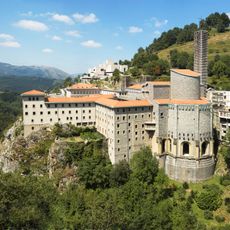
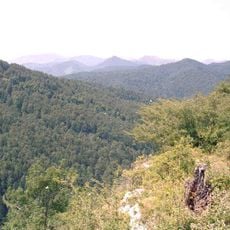
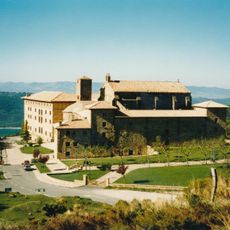
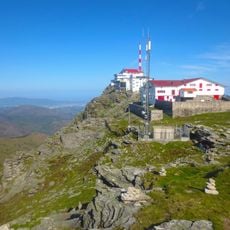
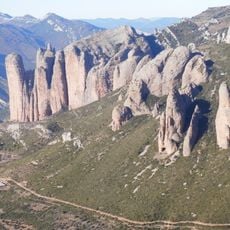
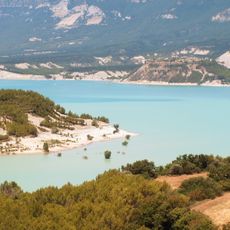
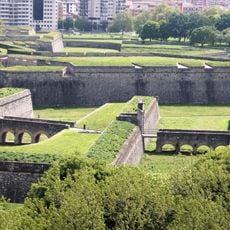
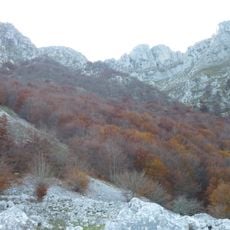
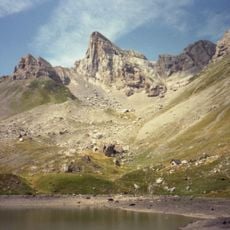
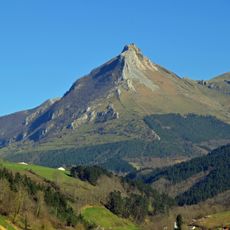
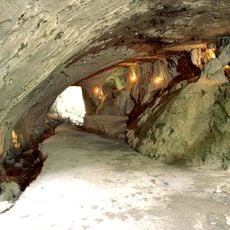
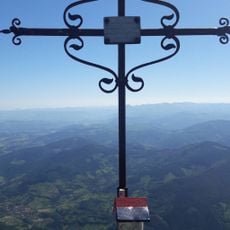
The province of Navarra stretches from the Pyrenees in the north to Mediterranean landscapes in the south. The territory contains varied landforms, rivers, forests, and farmland organized through roughly 272 municipalities, with Pamplona as its main hub.
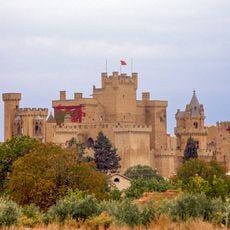
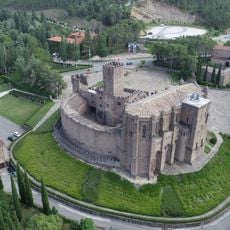
In the 12th century, Navarra was an independent kingdom before coming under Spanish rule through dynastic ties. After the First Carlist War, it became formally a Spanish province in 1841, though it retained certain legal distinctions from the rest of Spain.
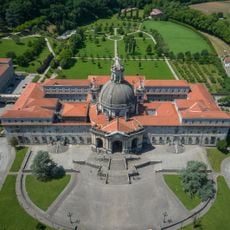
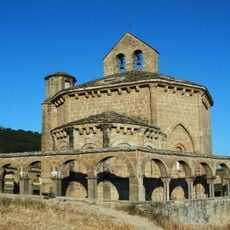
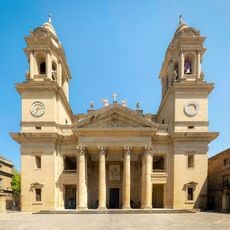
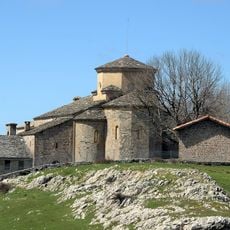
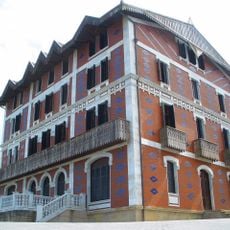
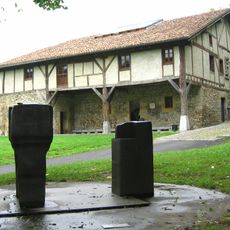
The region reflects a blend of Spanish and Basque traditions visible in local customs, celebrations, and how communities organize their public life. Walking through towns and villages, you notice this cultural mixture in architecture, local practices, and the way people mark their seasons and gatherings.
The territory is connected by an extensive road network that makes travel between different areas straightforward. You can find accommodation and dining options ranging from small village inns to larger towns with fuller services.
The territory manages its own tax system separately from the rest of Spain through an agreement called the Economic Agreement. This special arrangement allows it to handle its own finances independently, a distinction that has lasted for many decades.
The community of curious travelers
AroundUs brings together thousands of curated places, local tips, and hidden gems, enriched daily by 90,881 contributors worldwide.