Sultan Ghari, Islamic mausoleum in South Delhi, India
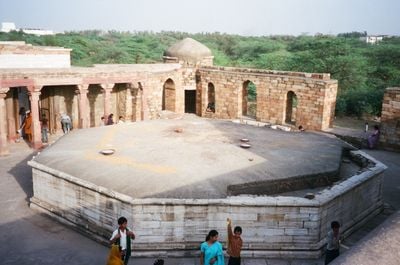
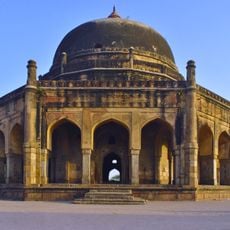
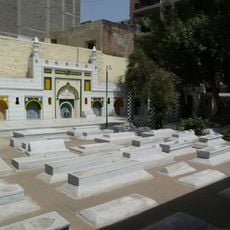
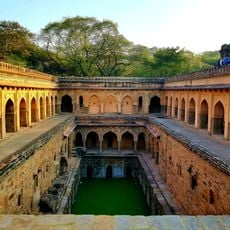
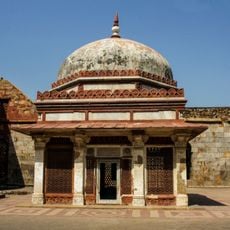
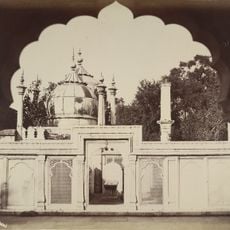
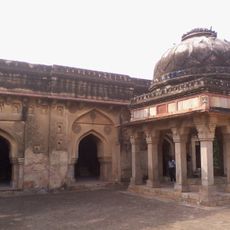
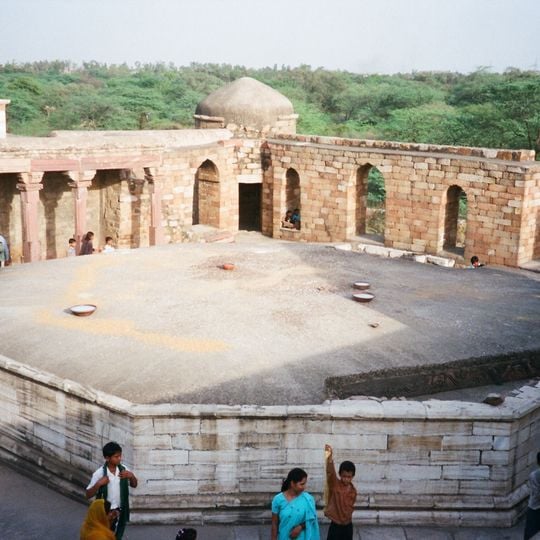
Sultan Ghari is a mausoleum built in 1233 for Prince Nasiruddin Mahmud, with a sunken rectangular courtyard of sandy floor and small round stone markers. Red-brown stone walls with arched openings and carved columns enclose it, and a dome on a short base rises behind the rear wall. An open doorway leads into the dark crypt chamber.
Iltumish built Sultan Ghari in 1233 for his eldest son Nasiruddin Mahmud, governor of Lakhnauti and holder of the title Malik-us-Sharq, who was killed after 18 months of rule. Feroz Shah Tughlaq repaired the damaged tomb between 1351 and 1388. The site had earlier held a Hindu temple from the Gurjara-Pratihara era.
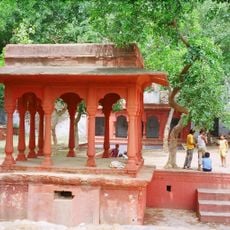
The monument draws visitors from Hindu and Muslim communities who come regularly to pray and make ritual offerings. It holds religious significance for both groups that continues to this day.
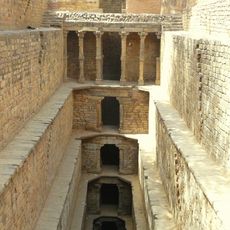
The monument sits west of the Qutb Minar Complex and is reached through its own park entrance. Wear sturdy shoes since visiting involves descending narrow stone stairs to reach the underground burial chamber.
The octagonal grave chamber rests on four columns, each raised on two pillars, and both the columns and floor carry relics from an earlier Hindu temple. The marble mihrab on the western qibla wall bears Quranic inscriptions and a facade dated to Feroz Shah's rule (1351–88).
The community of curious travelers
AroundUs brings together thousands of curated places, local tips, and hidden gems, enriched daily by 93,473 contributors worldwide.