Shizisi Temple, Buddhist temple ruins in Fangshan District, China
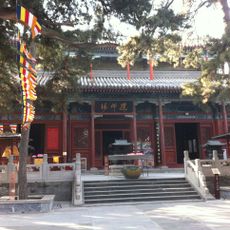
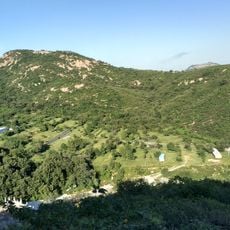
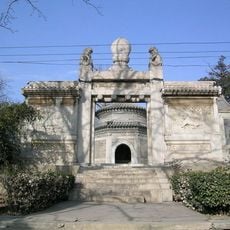
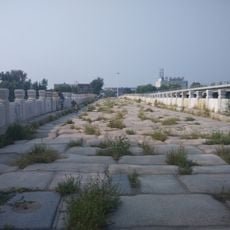
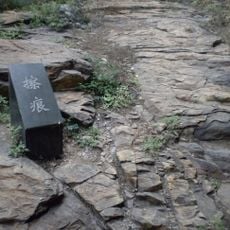
Shizisi Temple is a Buddhist temple ruin in Fangshan District, a largely rural area southwest of Beijing, made up of stone foundations, toppled columns, and scattered architectural fragments across an open plot of land. The foundation lines and individual stone elements that remain on site still suggest the general layout of the original religious complex.
A Buddhist monk named Huijing founded the temple on Sanpen Mountain in 317, and Yiduan rebuilt it in 638. Under the Liao it was restored as the Buddhist Chongsheng yuan, and in the Yuan it passed to the Jingjiao (Nestorian) church before monk Jingshan recovered it; a major Ming restoration in 1535 made "Shizisi" its formal name. The monks sold the temple around 1911, and it fell into ruin.
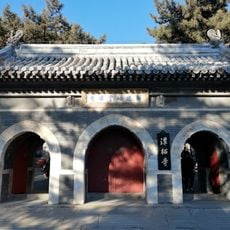
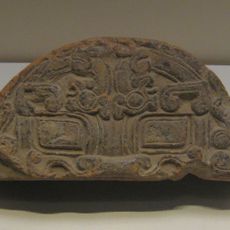
The name Shizisi means "Temple of the Cross", not "Stone Lion Temple": it became the temple's official name after the 1535 Ming restoration, and a stone plaque reading "Guchai Shizi Chanlin" once hung over the gate. The name reflects the site's Jingjiao (Nestorian Christian) phase, when a cross-topped stele and cross-carved marble pieces were kept here.
The site is best visited on foot, as the open layout allows you to move freely among the remains without a fixed route. Sturdy shoes are a good idea since the ground is uneven and stone fragments are scattered throughout.
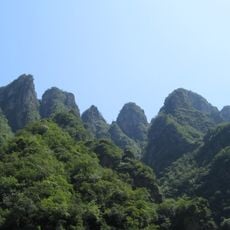
Fangshan District holds an unusual concentration of Buddhist sites, including the nearby Yunju complex known for its sutras carved into stone slabs. This makes the Shizisi ruins part of a much wider religious network that once covered the area.
The community of curious travelers
AroundUs brings together thousands of curated places, local tips, and hidden gems, enriched daily by 94,501 contributors worldwide.