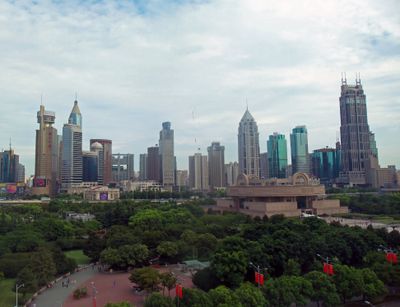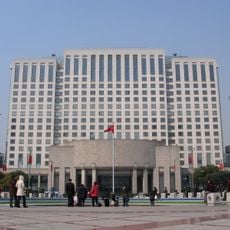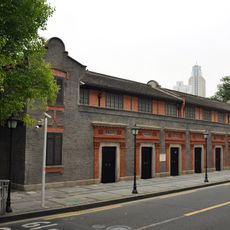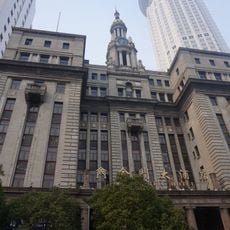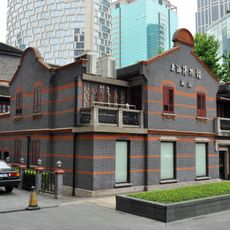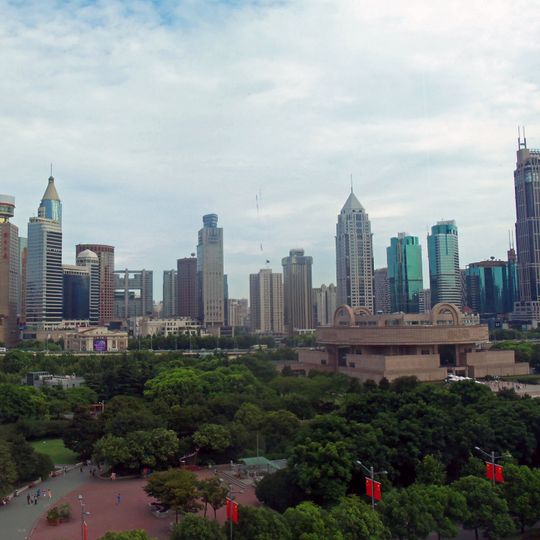
People's Park, Urban park in Huangpu District, Shanghai, China.
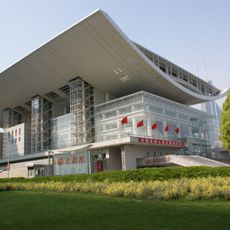
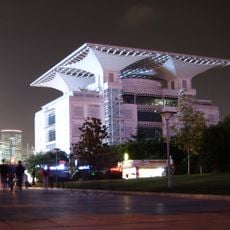
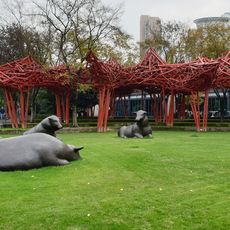
The grounds cover 247 acres (98,200 square meters) divided into three sections, with tree-lined paths connecting lawns, pavilions and open plazas where visitors can relax. A lotus pond anchors the landscape, while museums and an outdoor theater occupy prominent positions throughout the space. The central axis runs through the main attractions, and quieter zones provide areas for meditation and leisure activities. Water features and landscaping create distinct environments across the terrain.
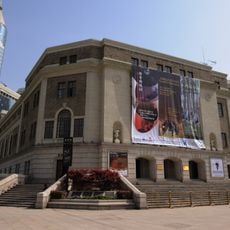
Established in 1952, the grounds occupy the former Shanghai Race Club site, which operated as East Asia's leading horse racing track from 1862 until racing ceased in 1951. City authorities transformed the colonial-era facility into a public recreation area after the founding of the People's Republic of China. Over subsequent decades, officials added cultural institutions including art galleries and performance venues. The conversion marked a shift from colonial leisure facilities to community urban resources.
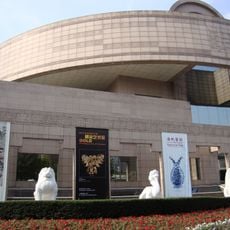
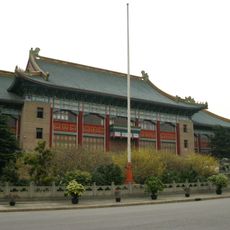
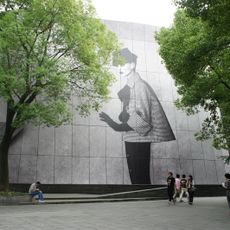
Locals gather here daily to practice tai chi, play cards and participate in social activities that define neighborhood life. The Shanghai Museum of Contemporary Art along the central axis presents major exhibitions as China's first gallery dedicated to modern artworks. Weekend gatherings showcase traditional customs, with residents using the grounds for community events and cultural exchanges that reflect Shanghai's evolving urban identity.
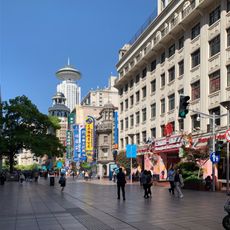
Open daily from 6:00 AM to 6:00 PM, with direct access from People's Square Station via metro lines 1, 2 and 8. Visitors will find public restrooms, seating areas and vendor stalls throughout the grounds. Early morning offers the best time to observe tai chi demonstrations, while late mornings on weekends provide opportunities to experience cultural activities. The surrounding People's Square area provides shopping and dining options within walking distance.
Every weekend, the Marriage Market draws hundreds of parents who post personal information about their unmarried children on notes and umbrellas, listing age, education, income and preferences to attract potential matches. The phenomenon began in the late 1990s and now attracts observers from around the world who come to witness this modern interpretation of traditional matchmaking. Families negotiate directly, creating a scene that blends centuries-old customs with contemporary Chinese social dynamics.
The community of curious travelers
AroundUs brings together thousands of curated places, local tips, and hidden gems, enriched daily by 91,637 contributors worldwide.