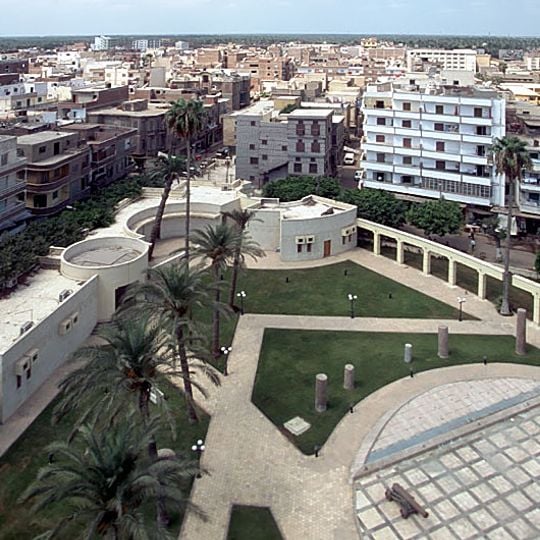
Rosetta, Historic port in Nile Delta, Egypt
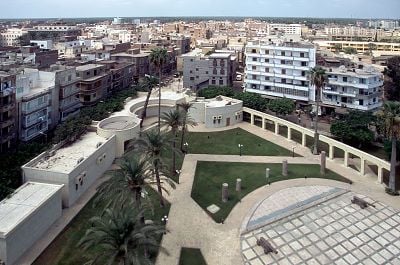
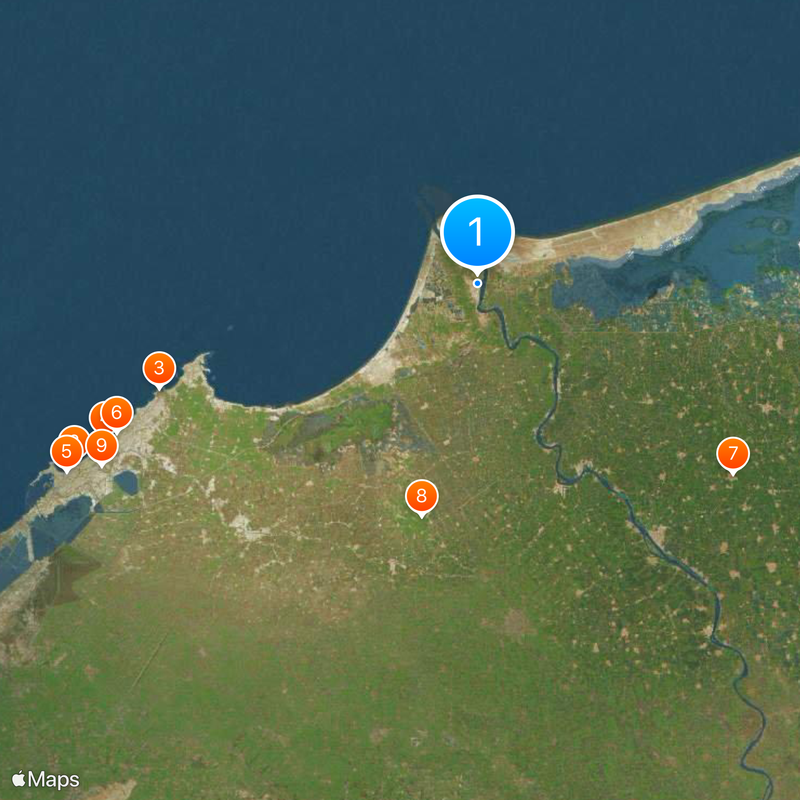
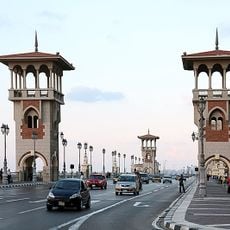
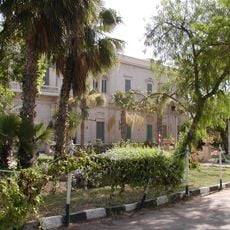
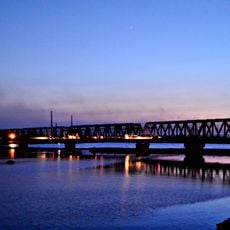
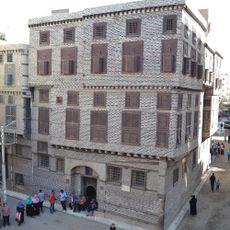
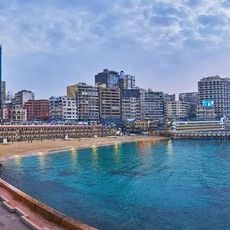
Rosetta is a historic port city on the western branch of the Nile River in the Nile Delta, surrounded by date palm groves. The narrow streets are lined with Ottoman-period buildings featuring intricate wooden balconies and decorative details.
The city was an important trading port during ancient times and flourished later under French and Ottoman rule. In 1799, the Rosetta Stone was discovered near Fort Saint Julien, becoming the key to understanding Egyptian hieroglyphs.
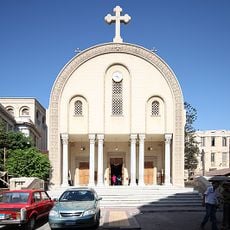
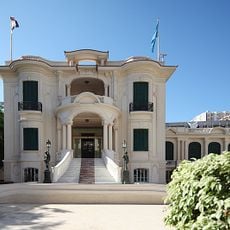
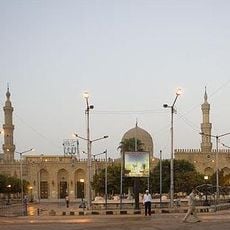
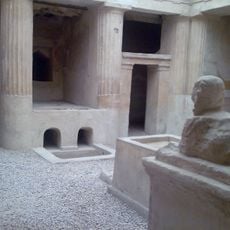
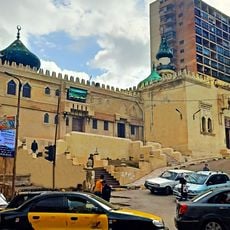
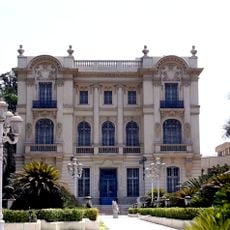
The city displays old mosques, Coptic churches, and mansions with carved wooden decorations and marble floors that reflect how different communities lived side by side. Walking through the narrow streets, you see these buildings still in use today, maintained by families over generations.
The best time to explore is early morning when the streets are quieter and light falls nicely on the buildings. Wear comfortable shoes for the uneven walkways and look for signs marking the main historic structures throughout town.
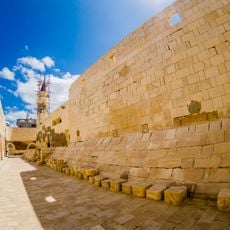
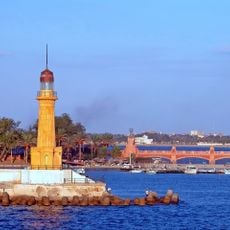
Fort Qaitbay, built in 1470, actually reused ancient Egyptian stone blocks with hieroglyphs as building material in its walls. This mixing of different eras shows how later rulers recycled older structures and integrated them into their new fortifications.
The community of curious travelers
AroundUs brings together thousands of curated places, local tips, and hidden gems, enriched daily by 90,770 contributors worldwide.