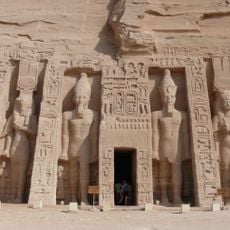
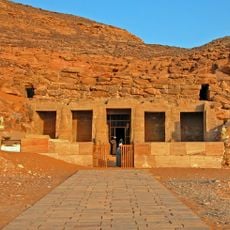
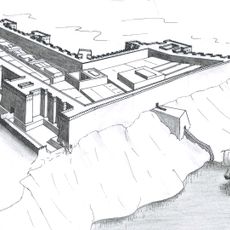
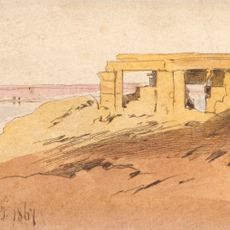
Bir Kiseiba, Archaeological site in Lower Nubia, Egypt.
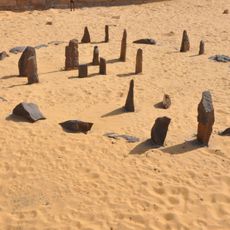
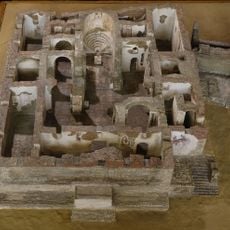
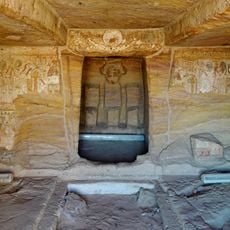
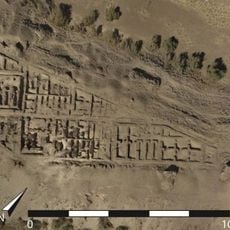
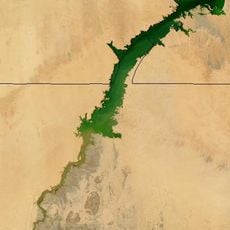
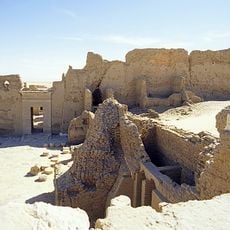
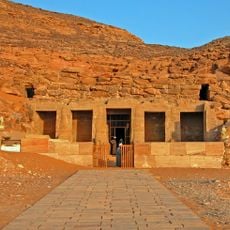
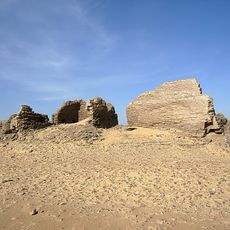
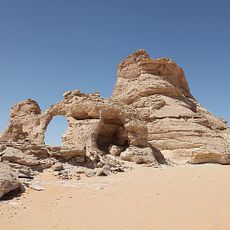
Bir Kiseiba is an archaeological site in the Egyptian desert spanning multiple dry lake beds with remains from ancient settlements and early economic activities. The location lies roughly 250 kilometers west of the Nile River and preserves traces of where people once lived and worked.
Excavations in 1979 and 1980 uncovered thirteen distinct locations showing human occupation spanning from about 11,000 to 5,000 years ago. The discoveries demonstrate that people adapted to life in this arid landscape across a long time span.
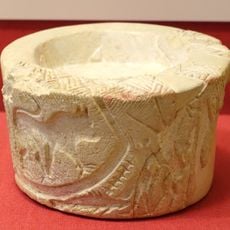
The site reveals pottery decorated with patterns imitating woven mats, created by pressing tools repeatedly into the clay surface. These designs tell us about early craft techniques that people developed while living in this region.
The site is remote and accessible only with specialized vehicles and equipment, so careful planning is essential before visiting. Preparation for extreme desert conditions including limited water and shade is necessary for safe exploration.
Researchers found bones of elephants, gazelles, and cattle among the remains, suggesting early animal domestication efforts. These discoveries raise questions about how people and animals coexisted in this desert environment.
The community of curious travelers
AroundUs brings together thousands of curated places, local tips, and hidden gems, enriched daily by 90,828 contributors worldwide.