Lower Valley of the Awash, UNESCO World Heritage paleontological site in Afar Region, Ethiopia
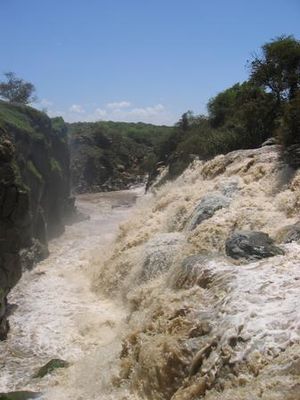
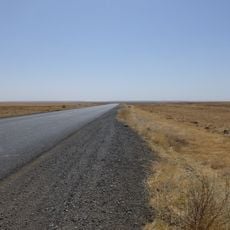
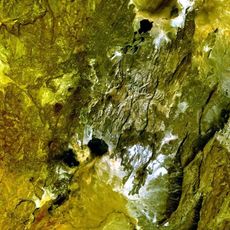
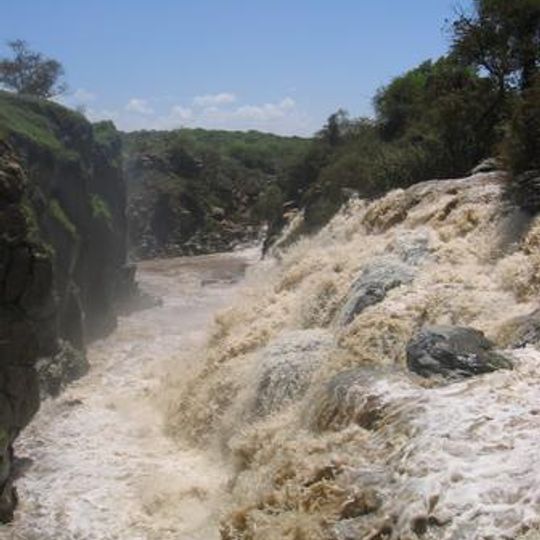
The Lower Valley of the Awash is an arid region featuring volcanic rock formations, natural hot springs, and varied geological layers across a wide area. The landscape consists of sandy and rocky plains intersected by erosion patterns that expose millions of years of Earth's history.
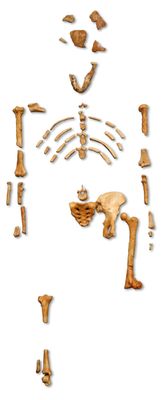
The area became a center of paleontological research in the mid-20th century when scientists began excavating major fossil remains of human ancestors. These discoveries fundamentally changed how researchers understand human development across several million years.
The Afar people maintain pastoralist ways across this landscape, managing livestock through seasonal movements that follow water and grazing patterns. Their settlements blend into the arid terrain, reflecting centuries of adaptation to life in one of Earth's harshest regions.
Visiting requires permits and local guides to safely reach and explore the excavation sites. Temperatures regularly exceed 30 degrees Celsius (86 degrees Fahrenheit), so prepare for extreme heat, limited shade, and extended travel time from nearby towns.
The valley holds stacked layers of sediment that preserve fossils from different time periods like pages in an open history book. This natural sequence allows researchers to trace millions of years of evolution in one location, a rarity in paleontological study.
The community of curious travelers
AroundUs brings together thousands of curated places, local tips, and hidden gems, enriched daily by 90,824 contributors worldwide.