Yatsuyama-kofun, Ancient keyhole-shaped burial mound in Shizuoka Prefecture, Japan
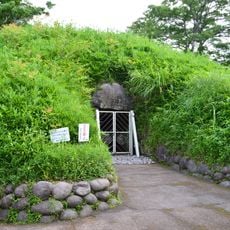
The Yatsuyama-kofun is a keyhole-shaped burial mound featuring a rounded section at the back and a rectangular section at the front, integrated into the surrounding landscape. The entire structure spans a considerable area, displaying the distinctive form typical of such tombs from this period.
The mound was built between the 3rd and 7th centuries, a period when Japan's aristocracy demonstrated power through monumental construction. This era marked a turning point in early Japanese history when such burial mounds were the most significant monuments of society.
The site reflects an ancient Japanese burial tradition where high-ranking individuals were interred with valuable possessions and ceremonial goods. Visitors can observe the distinctive form and sense how important such burial sites were to the social order of that time.
Access to the site is restricted because it is protected as an imperial tomb, and visitors can only view from designated observation points. It is best to check ahead for which areas are accessible, as viewing must be done from outside the immediate grounds.
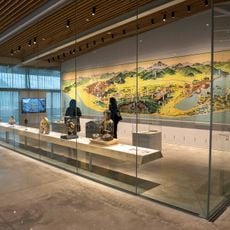
The mound was originally covered with white stones and clay figurines called haniwa, which served as protective objects for the deceased. These sculptural elements are no longer present on the site, but visitors can see similar artifacts in museums that illustrate how the burial ground originally looked.
The community of curious travelers
AroundUs brings together thousands of curated places, local tips, and hidden gems, enriched daily by 91,461 contributors worldwide.