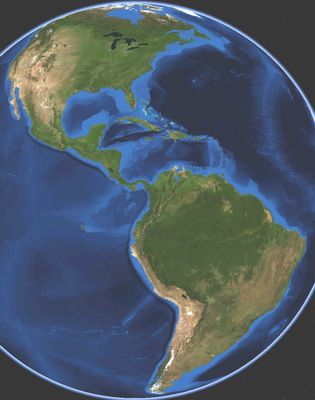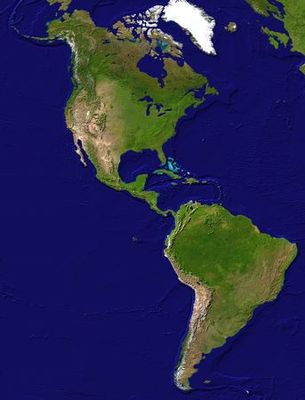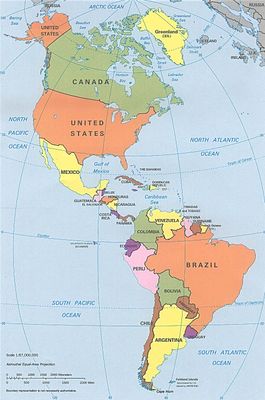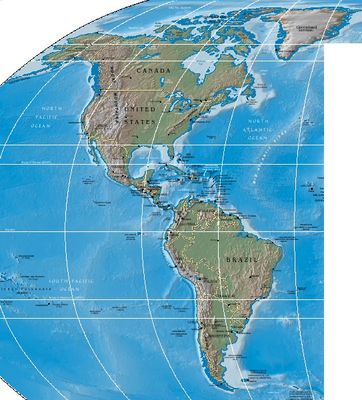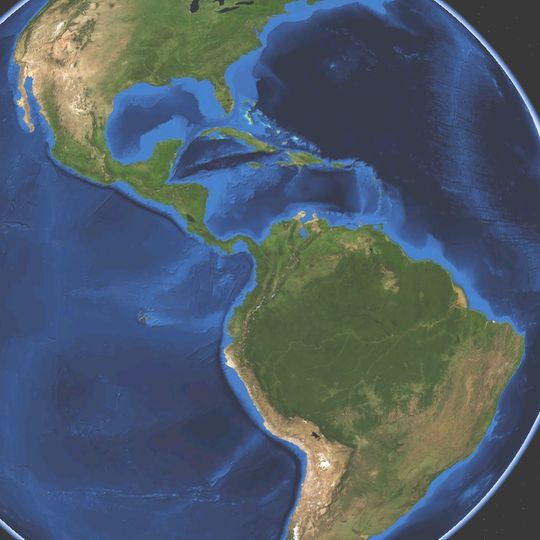
Americas, Continental landmass in Western Hemisphere
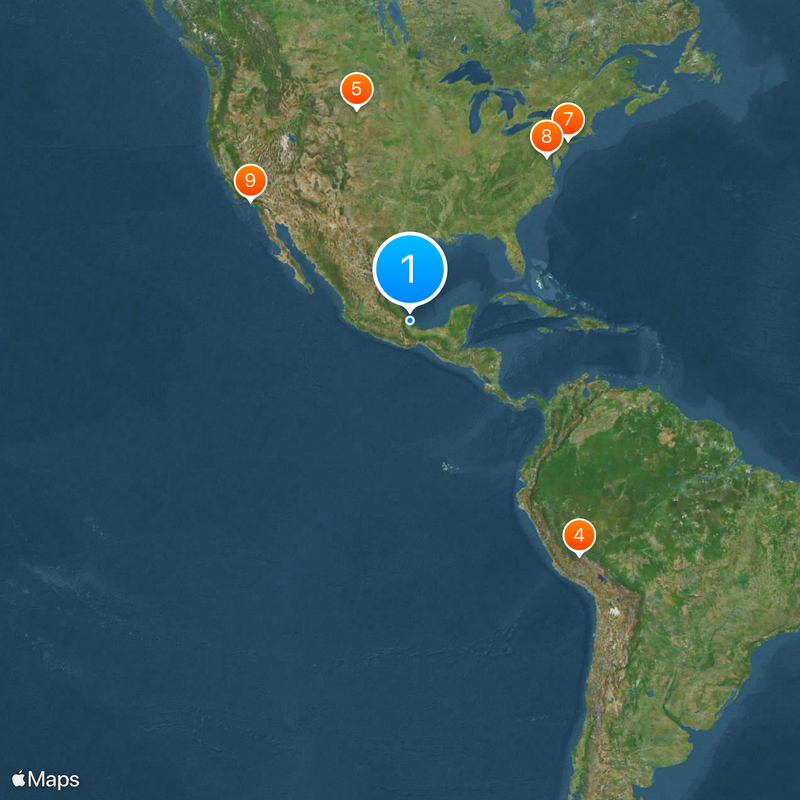
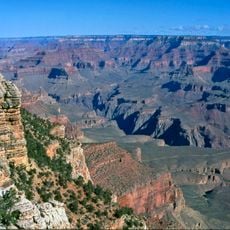
This landmass stretches from the polar circle to the southern tip of Tierra del Fuego, encompassing two large continents connected by a narrow bridge. Along this axis lie high mountain ranges, tropical rainforests, expansive grasslands and icy tundras that shape climate and vegetation in very different ways.
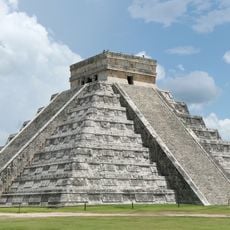
People migrated from Asia thousands of years ago across a land bridge and settled on both continents. Later, after European seafarers arrived from the late 15th century onward, societies and landscapes changed deeply through new contacts and exchanges.
As you travel, you encounter people speaking English, Spanish, Portuguese or French depending on where you are. Local festivals, markets and religious celebrations show how communities maintain their traditions and shape daily life.
Time zones shift dramatically depending on whether you are on the east coast, the central plains or the Pacific side. Travelers should remember that seasons on the northern and southern hemispheres run opposite to each other, which affects planning.
About three million years ago, the formation of the land bridge allowed animals to migrate between the two continents, changing biological diversity. Today, you find species that were originally native to just one continent now living on the other.
The community of curious travelers
AroundUs brings together thousands of curated places, local tips, and hidden gems, enriched daily by 92,475 contributors worldwide.