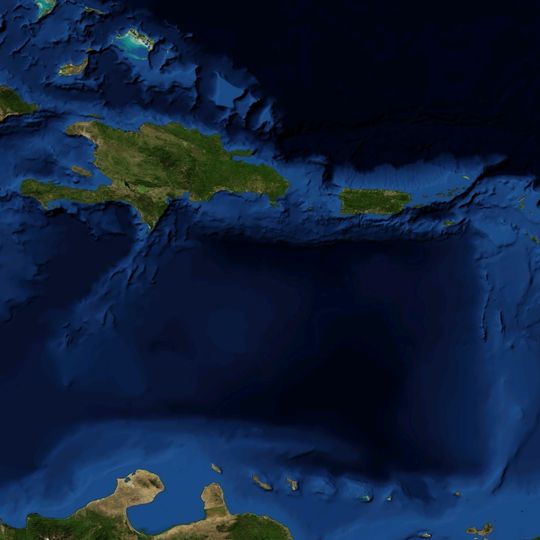
Antilles, Archipelago in Caribbean Sea
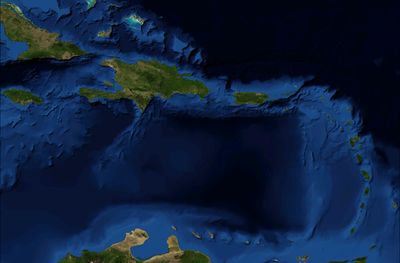
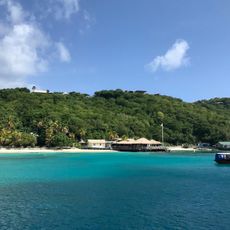
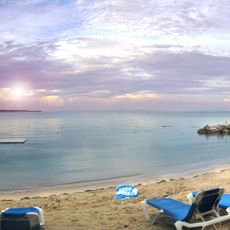
The Antilles are an island group in the Caribbean Sea divided into two parts: the Greater Antilles with Cuba and Jamaica, and the Lesser Antilles with many smaller islands. The Greater Antilles lie to the north and form a wide arc, while the Lesser Antilles stretch in a long chain eastward.
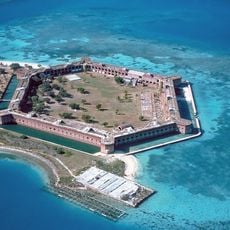
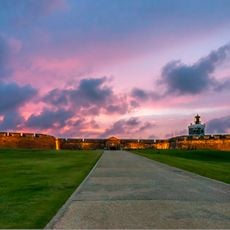
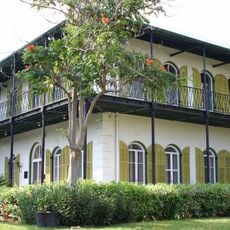
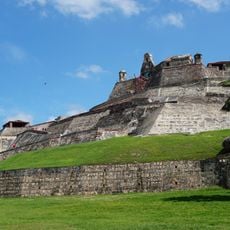
Christopher Columbus reached the islands in 1492 on his first voyage across the Atlantic, bringing European powers into the region. Over the following centuries, Spain, France, England, and the Netherlands divided the territories among themselves, leaving marks in language and architecture that remain today.
The name comes from the Latin word for islands that appear before the mainland. Today visitors hear a mix of languages at open-air markets, where vendors speak Creole while others use Spanish or French, depending on the territory.
The weather stays warm and humid year-round, so pack light clothing and protection from sun and rain. Some islands are easier to reach than others, and smaller islands may have simpler infrastructure.
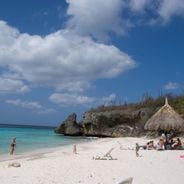
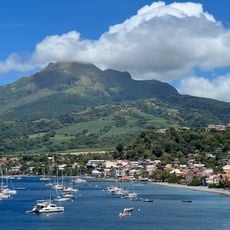
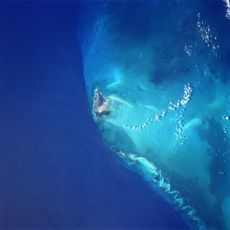
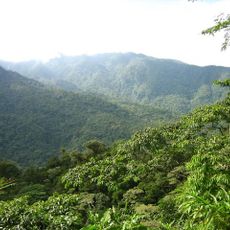
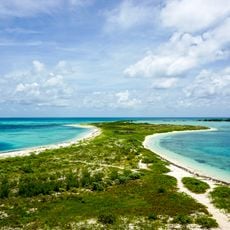
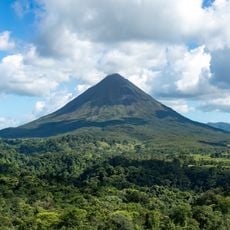
Some islands in the east still have active volcanoes that occasionally release smoke and shape the landscape. In other spots, coral reefs grow just off the shore and provide habitat for colorful fish and sea life.
The community of curious travelers
AroundUs brings together thousands of curated places, local tips, and hidden gems, enriched daily by 60,000 contributors worldwide.