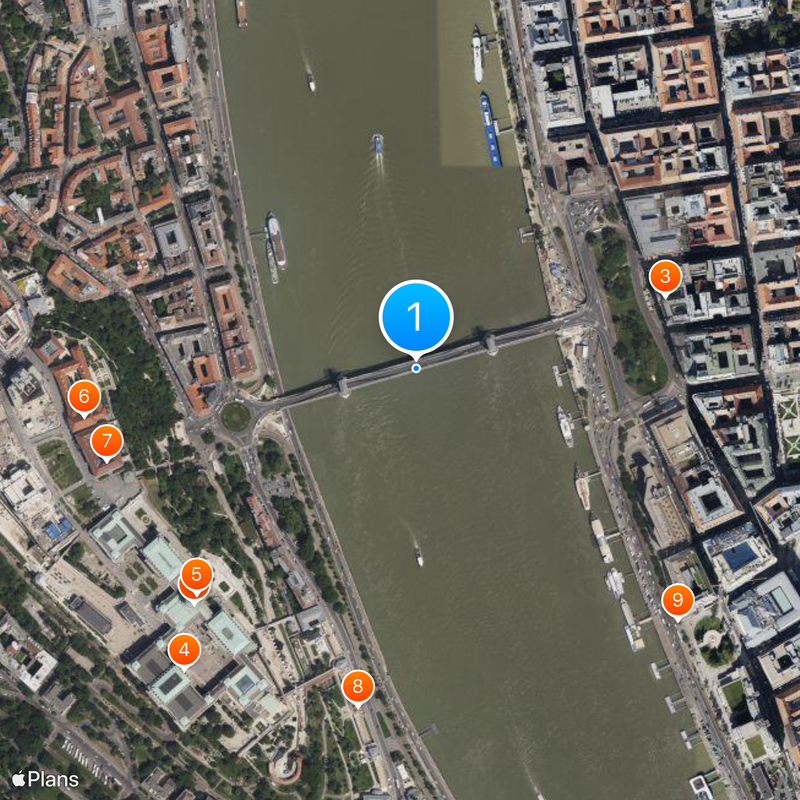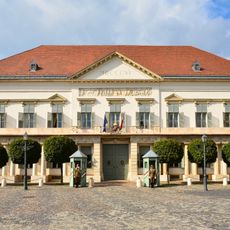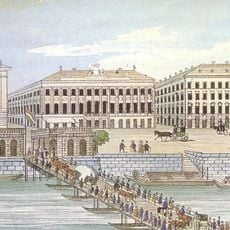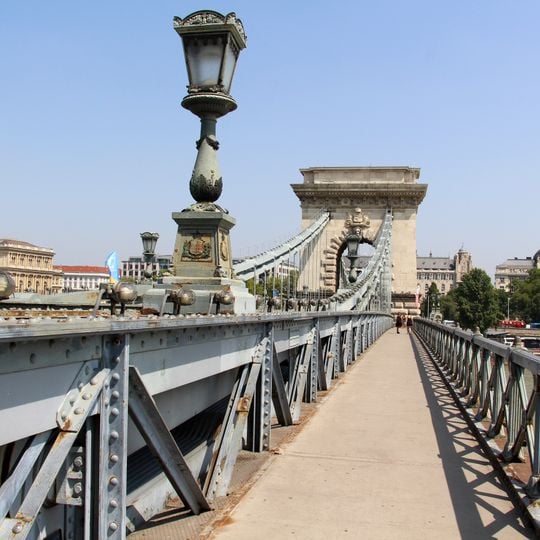
Széchenyi Chain Bridge, Road bridge over Danube River in Budapest, Hungary.
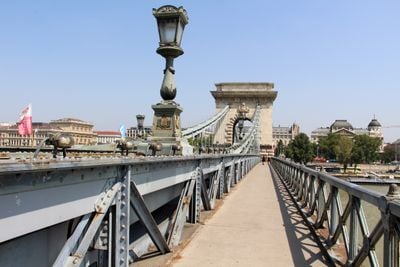
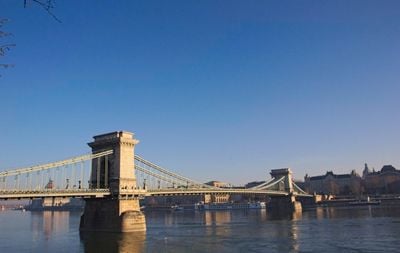
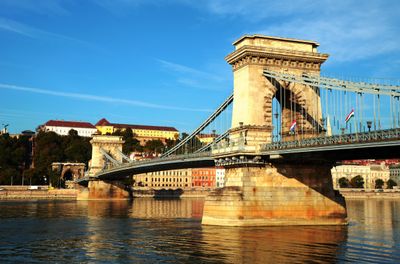
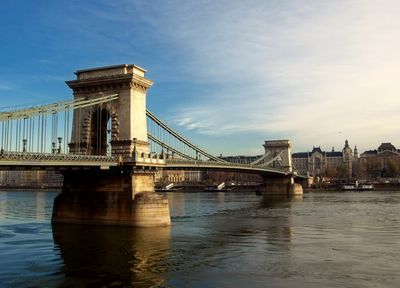
Széchenyi Chain Bridge connects Buda and Pest across the Danube through a system of stone towers and iron chains that support a central span of 202 meters (663 feet). The roadway measures 12.5 meters (41 feet) wide and includes pedestrian walkways on both sides alongside the vehicle lanes.
William Tierney Clark designed this first permanent crossing over the Danube in Hungary, which opened in 1849 and connected Buda with Pest. After heavy damage during World War II, the structure was fully rebuilt in the late 1940s.
Named after Count István Széchenyi, who championed a permanent crossing to replace the ferries that once shuttled between the banks, this structure ended centuries of seasonal interruption. The lion statues guarding both approaches have become one of the city's most recognizable symbols and a popular meeting point for residents.
Pedestrian walkways on both sides allow visitors to cross the full length of 375 meters (1230 feet) on foot and take in views of both banks. In the evening, the structure is illuminated and offers a distinct sight along the river.
The design replicates the Marlow Bridge over the River Thames in England but at a larger scale adapted to the wider waters of the Danube. János Marschalkó created the lion statues at the abutments in 1852, though legend claims he forgot to give them tongues.
The community of curious travelers
AroundUs brings together thousands of curated places, local tips, and hidden gems, enriched daily by 60,000 contributors worldwide.