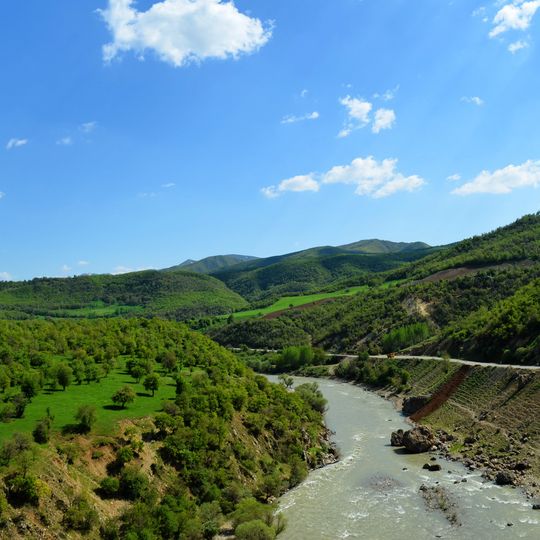
Little Zab, Major tributary river in Kurdistan Region, Iraq
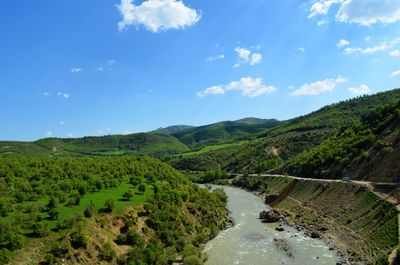
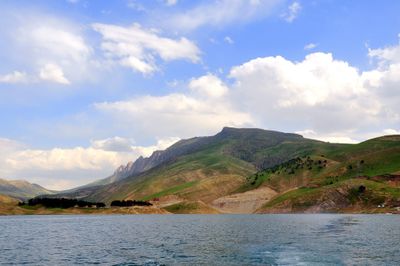
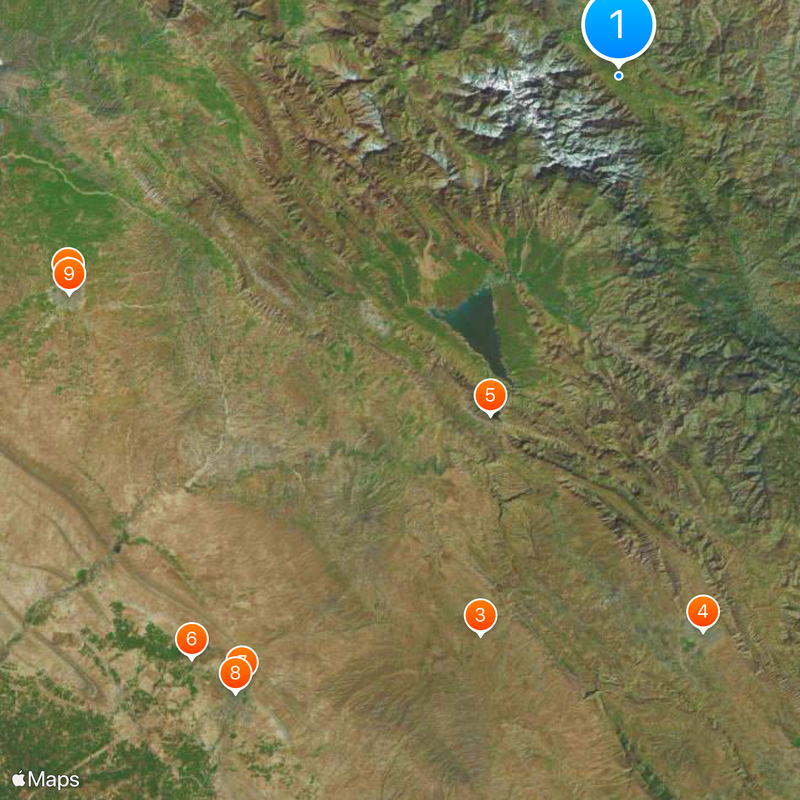
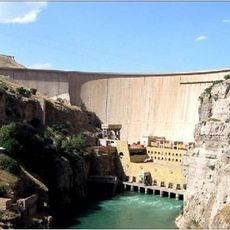
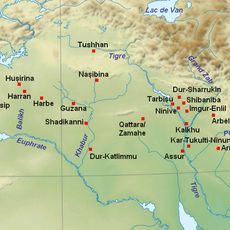
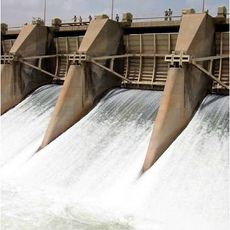
The Little Zab is a major river flowing over 400 kilometers from Iran through northern Iraq before joining the Tigris River south of the Al Zab area. Two large dams, Dukan and Dibis, manage its flow to supply water for farming and produce electricity for the region.
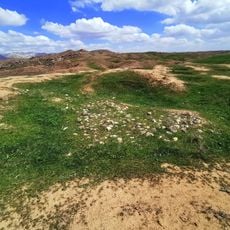
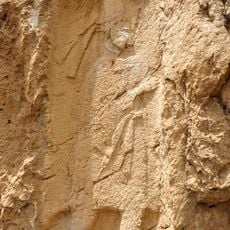
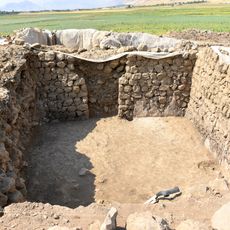
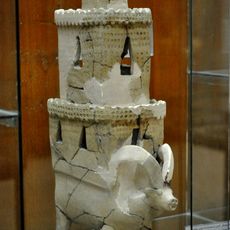
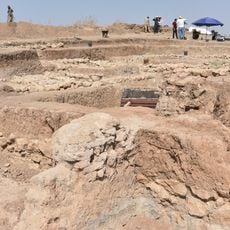
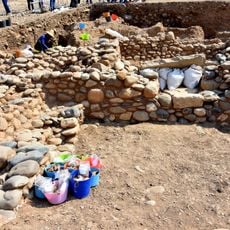
The river has been a center of human settlement since ancient times, with archaeological sites like Barda Balka showing signs of habitation from the Middle Palaeolithic period. These discoveries reveal that people have continuously lived in the river basin for thousands of years.
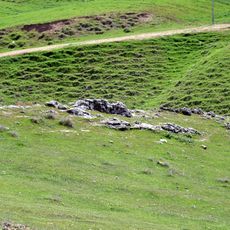
The river has shaped communities across the region for generations, with local people depending on it for irrigation and livestock herding. Water from its flow supports farming methods that have remained largely unchanged for centuries.
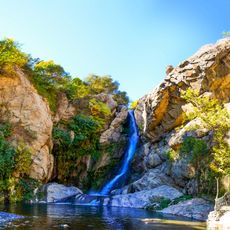
The river is best viewed during periods of good water flow following melting snow or rainy seasons when the waterway is most active. Access typically comes through the dam areas or small settlements along the valley, from which visitors can see the water and surrounding landscape.
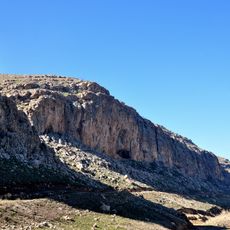
The river's basin spans a vast area with the majority of water resources on the Iraqi side, while its upper reaches lie in mountainous Iranian territory. What often goes unnoticed is how this cross-border water system quietly influences regional cooperation and daily life on both sides of the border.
The community of curious travelers
AroundUs brings together thousands of curated places, local tips, and hidden gems, enriched daily by 60,000 contributors worldwide.