Southeast Asia, Geographic region in Asia.
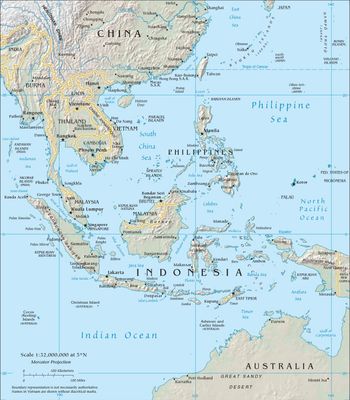
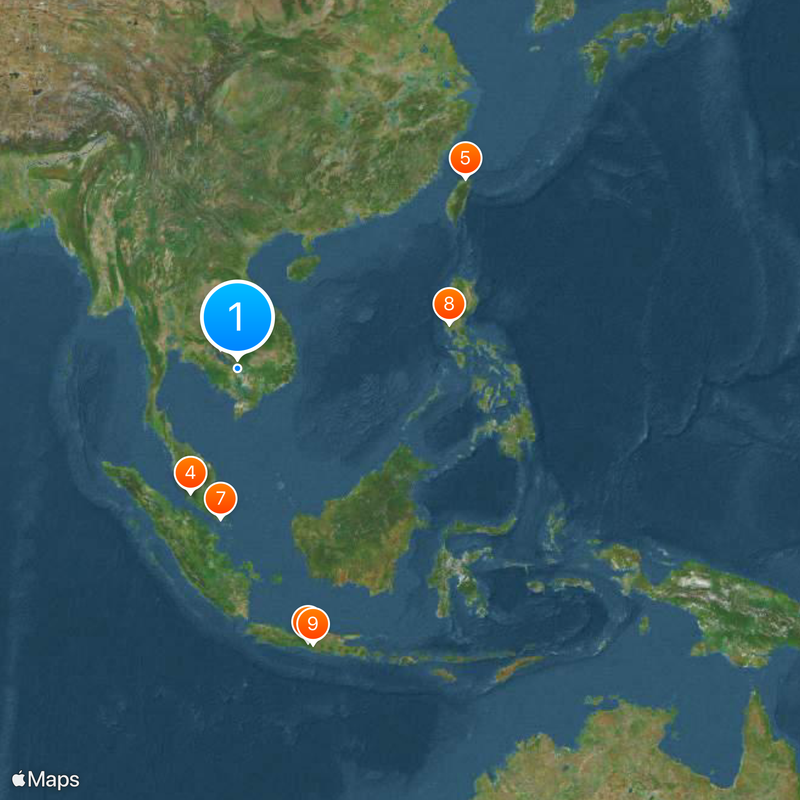
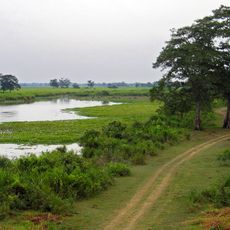
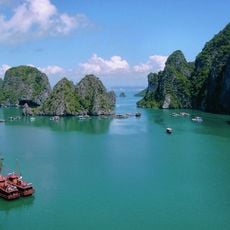
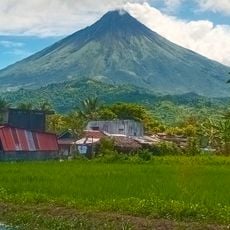
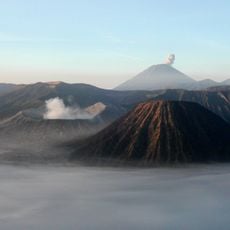
The territory stretches from the Bay of Bengal to the South China Sea, encompassing mainland areas and over 25,000 islands. Tropical rainforests cover much of the mountainous interior regions while extensive river deltas form fertile lowlands along the coastlines where most population centers developed.
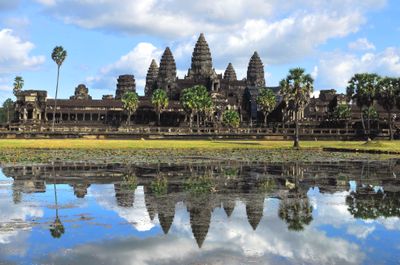
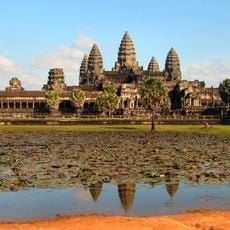
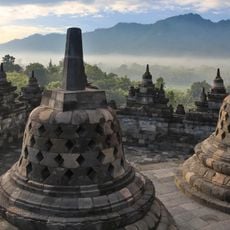
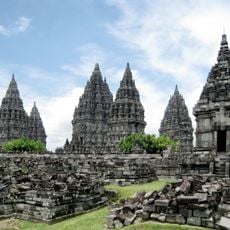
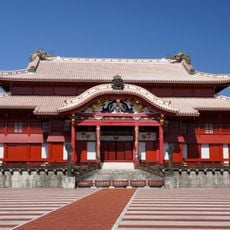
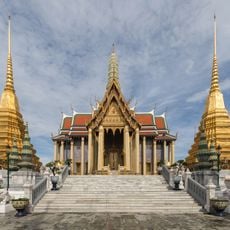
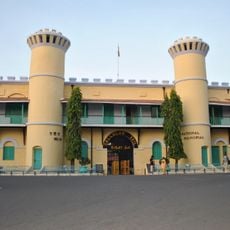
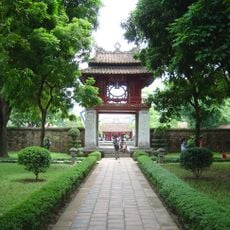
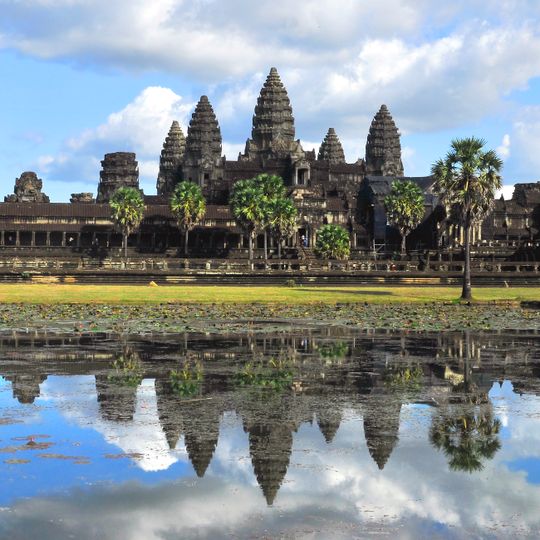
Hindu and Buddhist kingdoms emerged between the 2nd and 13th centuries, constructing temple complexes and establishing maritime trading networks. European colonial powers controlled most territories from the 16th century through the mid-20th century, followed by independence movements that reshaped political boundaries after World War II.
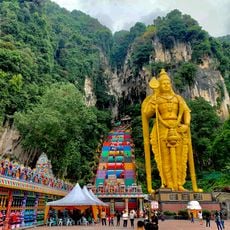
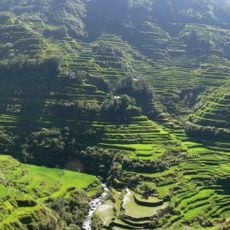
The territory is home to over 1,000 ethnic groups whose cultural practices manifest in architecture, cuisine and traditional ceremonies that merge Hindu, Chinese and Islamic influences. Rice cultivation has shaped community life and festival calendars for millennia across the lowlands and coastal plains.
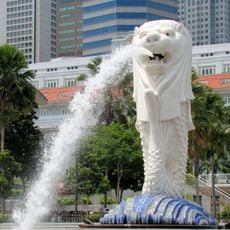
November through March offers the most favorable conditions outside monsoon periods for most areas. International airports in Bangkok, Singapore and Ho Chi Minh City provide connections throughout the territory. Visa requirements vary by nationality and destination country, requiring advance research before departure.
The Wallace Line runs between Borneo and Sulawesi, marking a biological boundary where Asian fauna meets Australian species. This invisible division, identified by naturalist Alfred Russel Wallace in 1859, demonstrates distinct differences in animal species across distances of just a few miles.
The community of curious travelers
AroundUs brings together thousands of curated places, local tips, and hidden gems, enriched daily by 92,192 contributors worldwide.