Salar de Pajonales, Salt flat in Antofagasta Region, Chile
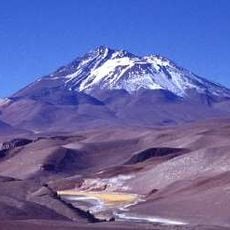
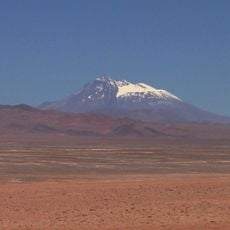
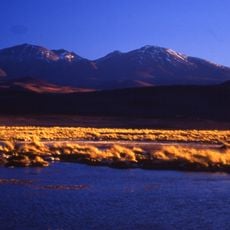
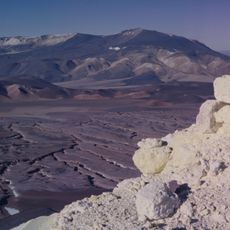
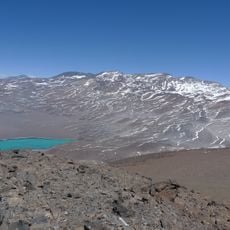
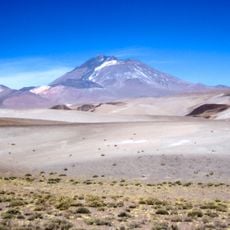
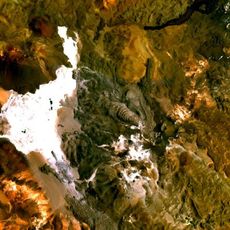
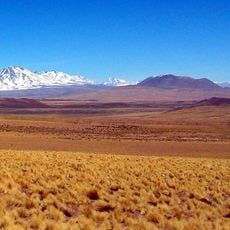
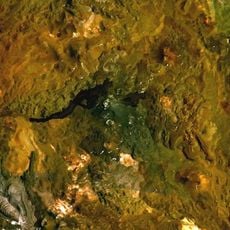
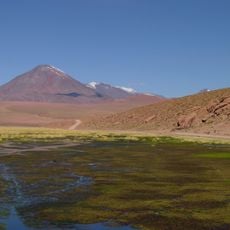
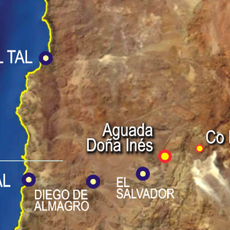
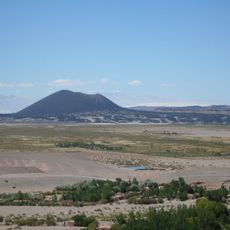
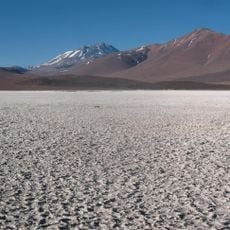
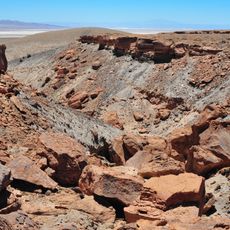
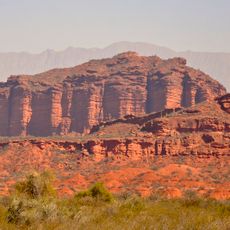
Salar de Pajonales is a vast salt flat stretching across the landscape in the Antofagasta Region at high elevation. Its white surface is marked by geological patterns including cracks and mounds formed where salt and minerals interact.
During the late Ice Age this location held a substantial lake that gradually dried up, leaving behind the salt flat seen today. The ancient shorelines remain visible across the landscape as evidence of that water-filled past.
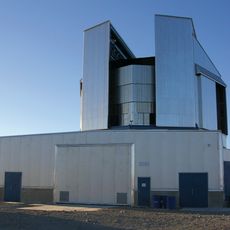
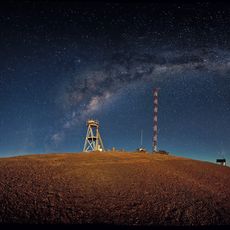
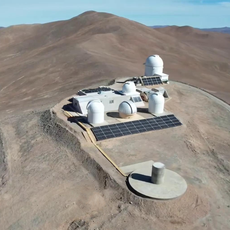
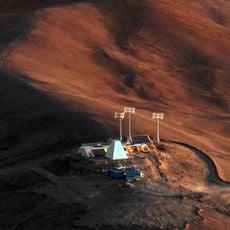
The salar lies in Llullaillaco National Park, where prehistoric shelters called pircas stand in the area. The European Large Southern Array project placed instruments here in 1997, then moved them to Llano de Chajnantor the next year. The name Pajonales refers to the paja grasses of the high plateau.
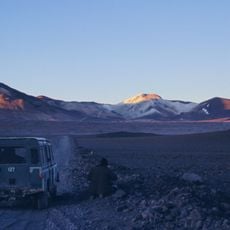
The area is harsh and exposed to strong wind, so bring warm clothing and sun protection when visiting. Access requires a capable vehicle as the remote location and lack of road infrastructure demand careful preparation.
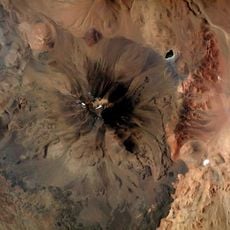
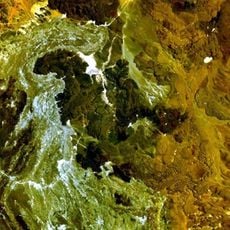
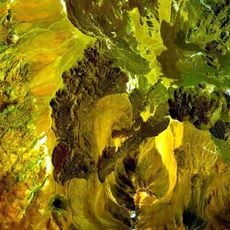
In 1997 the European Large Southern Array project placed instruments at Salar de Pajonales before moving them to Llano de Chajnantor the following year. The salar's low atmospheric pressure, extreme salinity, aridity, wide day-night temperature swings and high UV radiation have made it an analogue for Martian environments, and models of how life-bearing environments appear from remote imaging were developed from its appearance.
The community of curious travelers
AroundUs brings together thousands of curated places, local tips, and hidden gems, enriched daily by 94,672 contributors worldwide.