Emirate of Afghanistan, Historical emirate in Central Asia
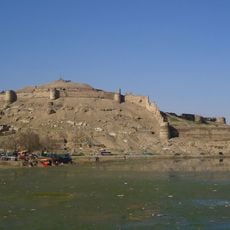
The Emirate of Afghanistan extended across present-day Afghanistan and parts of modern Pakistan, with Kabul as its central administrative hub. The territory controlled key mountain passes such as the Khyber Pass, which served as trade routes connecting South Asia and Central Asia.
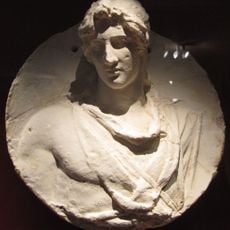
The Emirate arose in 1823 from the Durrani Empire when Dost Mohammad Khan founded the Barakzai dynasty in Kabul. Under this dynasty, the region experienced periods of stability and conflict until its transformation into a modern state form in 1926.
Persian was the language of administration and court life, while Pashto, Uzbek, Turkmen, and Balochi were spoken by different ethnic groups across the territory. This linguistic diversity shaped daily communication and cultural practices throughout the region.
The mountainous terrain of the territory required uneven paths and made travel time-consuming, which concentrated the population in local communities. Trade still moved through well-established routes that travelers used according to seasonal patterns.
The Emirate's transformation into a Kingdom occurred in 1926 when Amanullah Khan adopted the modern title of King as its first ruler. This step marked a radical break with traditional governance structures and signaled a new national identity on the international stage.
The community of curious travelers
AroundUs brings together thousands of curated places, local tips, and hidden gems, enriched daily by 91,837 contributors worldwide.