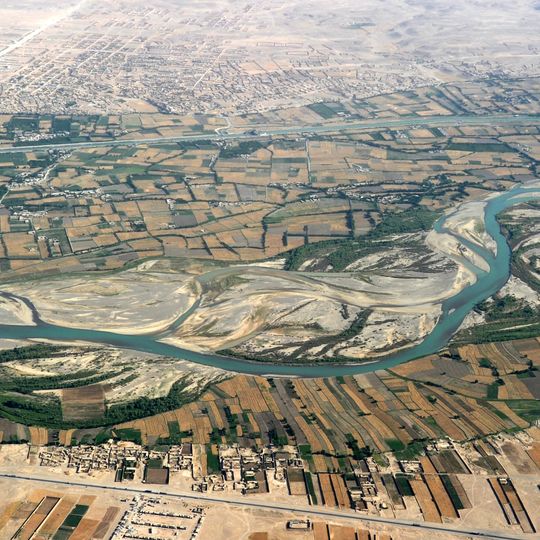
Helmand River, Major river system in southwestern Afghanistan
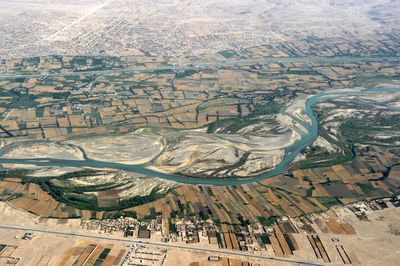
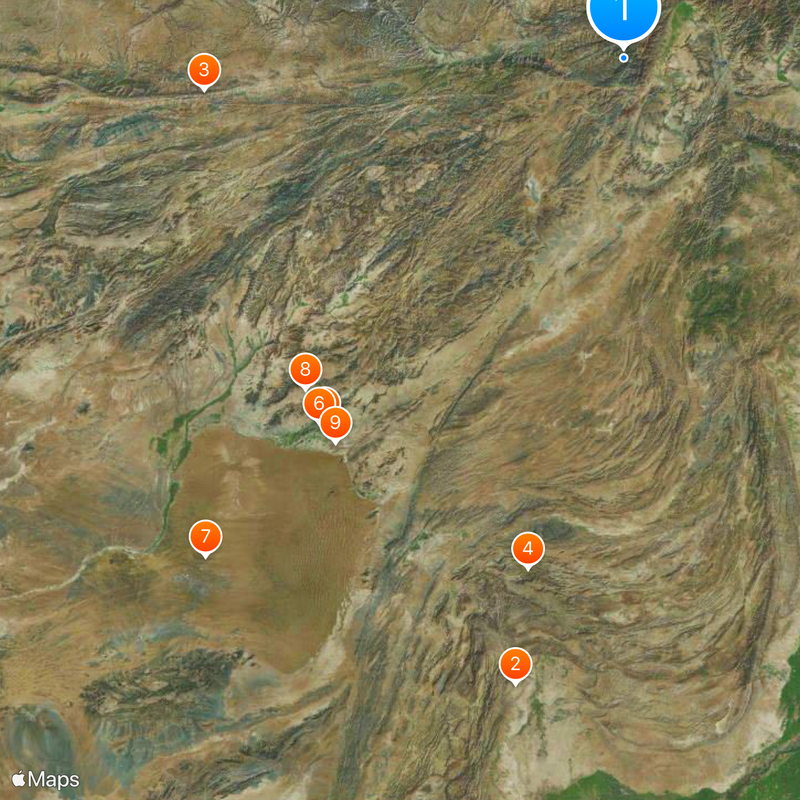
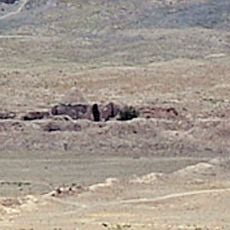
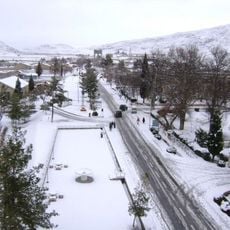
The Helmand River is a major river system in southwestern Afghanistan that flows approximately 1,150 kilometers from the Hindu Kush mountains to Hamun Lake near the Iranian border. It passes through multiple provinces and supports agricultural areas along its course.
The river appears in early Zoroastrian texts as Haetumant, indicating its significance in the region since ancient times. This early documentation shows how central the waterway was to regional life and development for centuries.
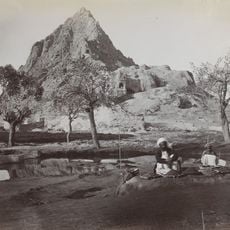
People have gathered along the riverbanks for thousands of years, making it a vital corridor for settlements and exchange across the region. The water and fertile lands nearby shaped how communities developed and organized their daily lives here.
The Kajaki Dam controls water flow and generates electricity while supporting irrigation across several provinces. Access to the river varies depending on the location and time of year, so planning ahead is important for any visit.
Salt accumulation occurs in certain sections of the river, which changes how land can be used for farming and creates distinct ecological zones along its course. This natural salt buildup shows how water systems shape their surroundings in unexpected ways.
The community of curious travelers
AroundUs brings together thousands of curated places, local tips, and hidden gems, enriched daily by 60,000 contributors worldwide.