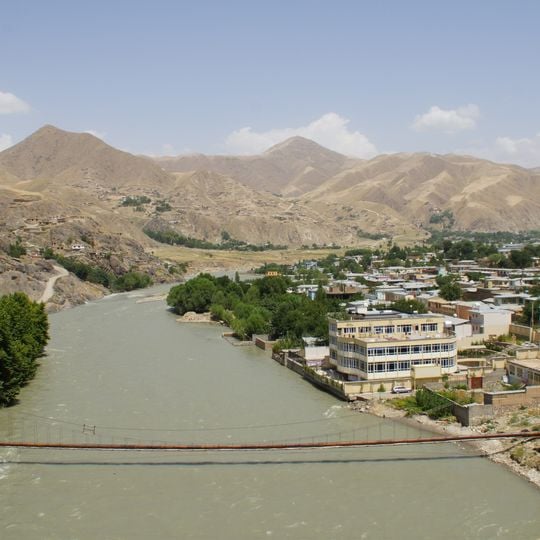
Fayzabad, capital of Badakhshan, Afghanistan
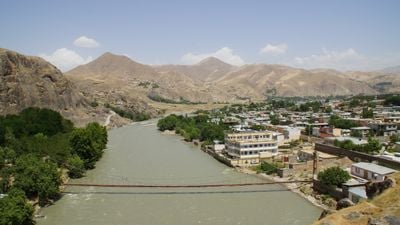
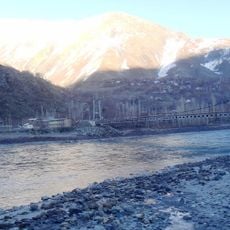
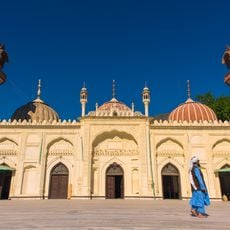
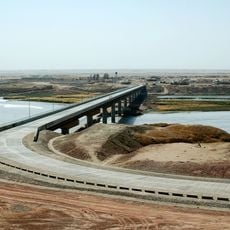
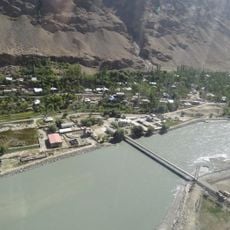
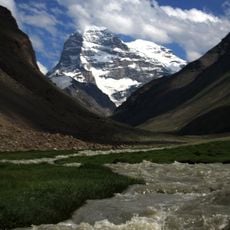
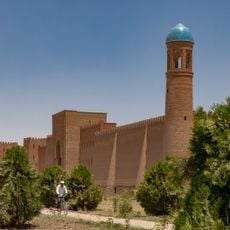
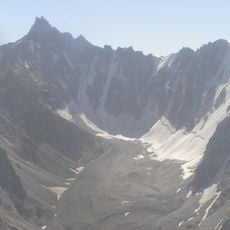
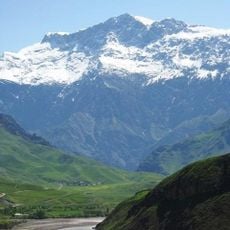
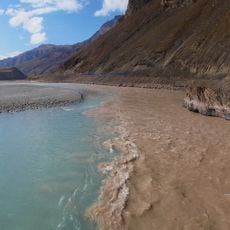
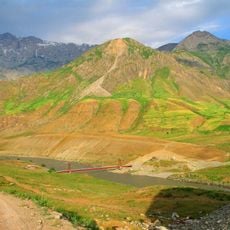
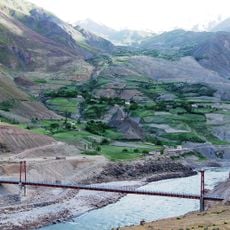
Fayzabad is a city in northeastern Afghanistan situated at about 1,254 meters (4,114 feet) in elevation where the Kokcha River flows through a gorge before opening onto a plain. The settlement features narrow streets with brick buildings, busy bazaars selling goods like cotton and salt, mosques, and public spaces that form the core of daily urban activity.
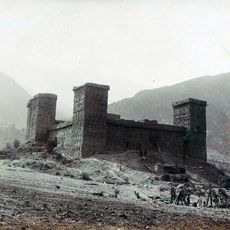
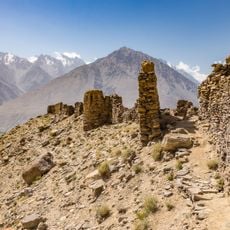
The city was originally called Jauz Gun because of its walnut farms and later renamed Fayzabad after a robe of Prophet Muhammad was brought here as a blessing. It became a regional capital in the late 1700s and developed into a major trade hub under leaders like Abdur Rahman Khan, with ruins of old forts throughout the area telling of past defensive conflicts.
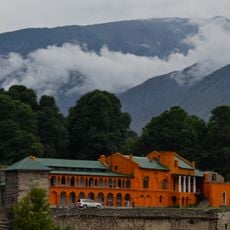
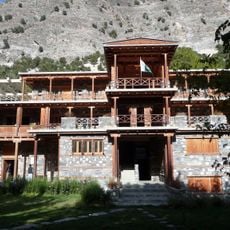
Fayzabad is home to multiple ethnic groups including Tajiks, Uzbeks, and Pamiris who maintain their heritage through traditional music, dance, and colorful embroidered clothing during celebrations. Mosques and shrines serve as community gathering places where visitors can witness local customs and experience the warmth of residents who share their cultural practices.
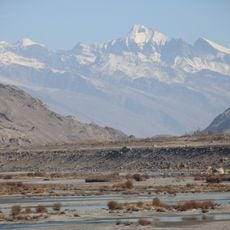
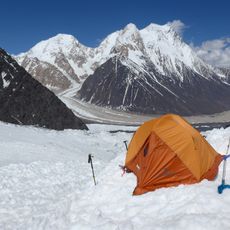
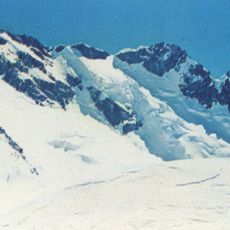
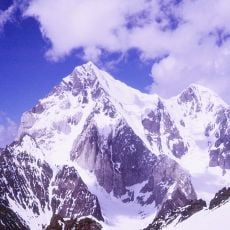
Visitors should expect narrow mountain streets that require sturdy footwear and slow movement through the city and surrounding areas. Winter conditions bring snow and cold that can block roads and limit access to remote parts of the region, so spring through autumn offers the most practical visiting periods.
The city was once renowned as a center of walnut production and this historical connection remains in local agriculture and names that older residents use for different areas of the city. Today the local community is also known for extracting gemstones such as beryl from nearby rivers, representing a lesser-known economic activity visitors often overlook.
The community of curious travelers
AroundUs brings together thousands of curated places, local tips, and hidden gems, enriched daily by 90,791 contributors worldwide.