Chiloé Island, Pacific island in Los Lagos Region, Chile
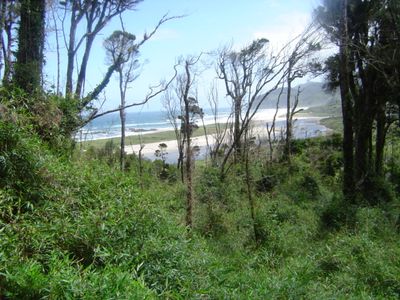
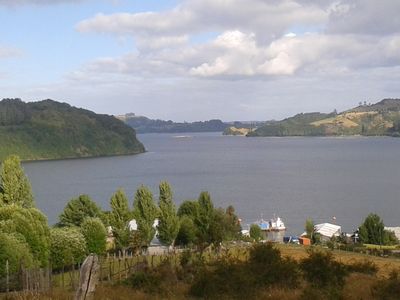
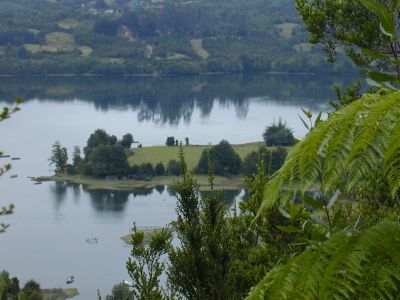
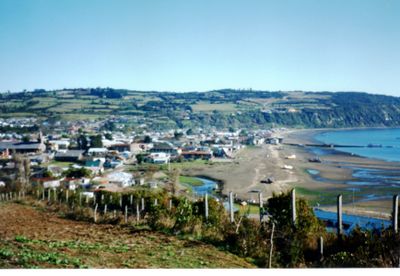
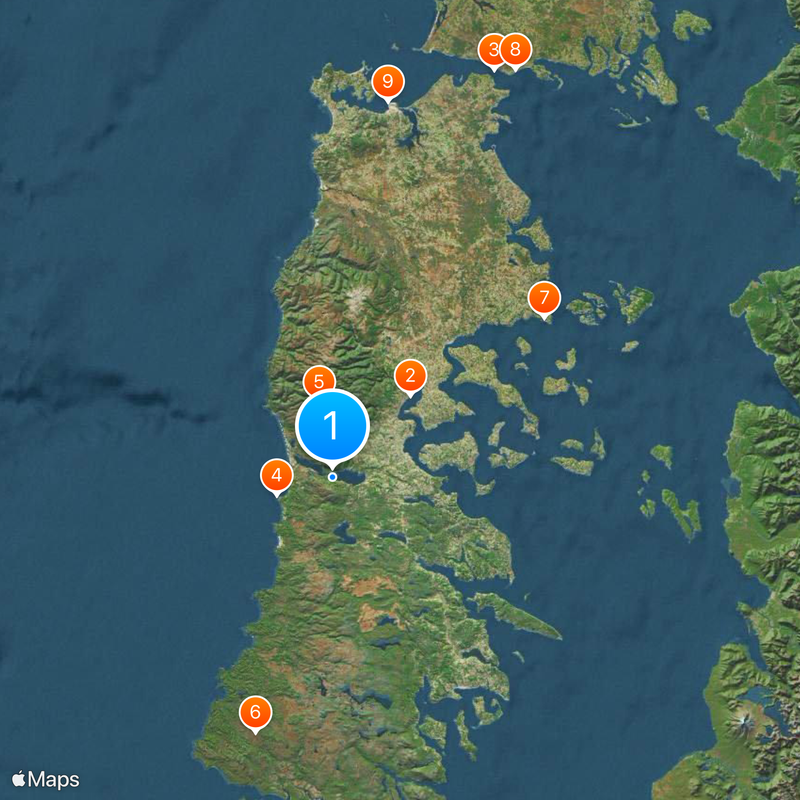
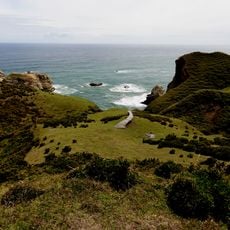
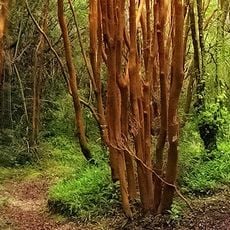
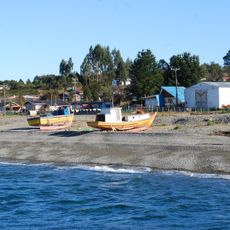
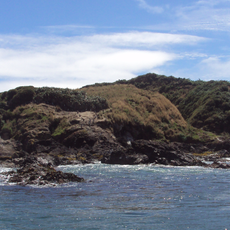
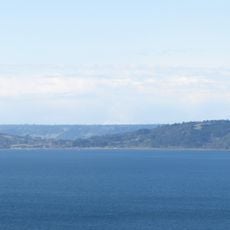
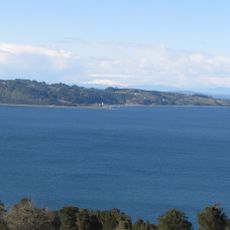
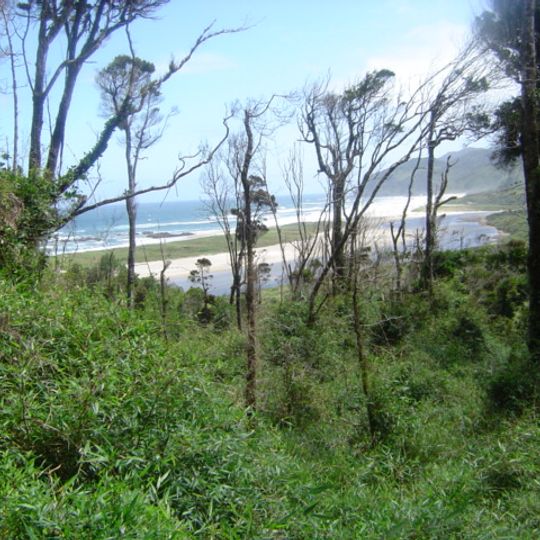
Chiloé stretches 190 kilometers along Chile's southern coast and offers dense forests, mountains, and broad coastal stretches with numerous marine species. The landscape shifts between forested hills inland and rocky coves washed by cold Pacific currents.
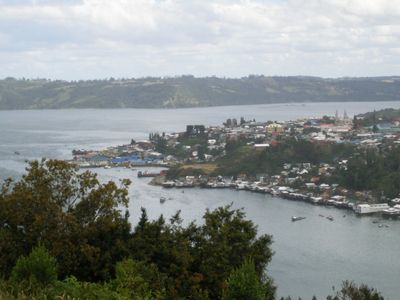
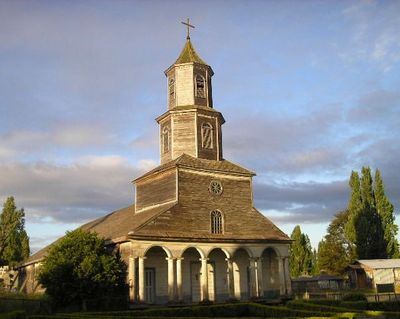
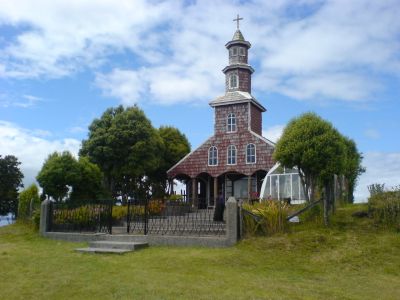
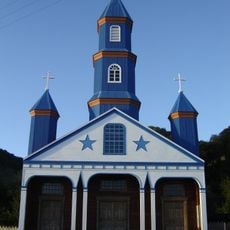
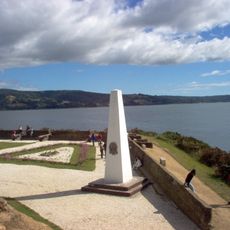
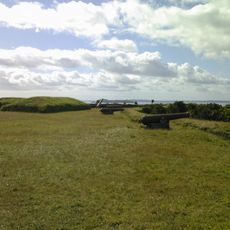
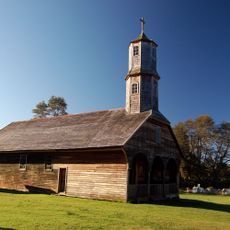
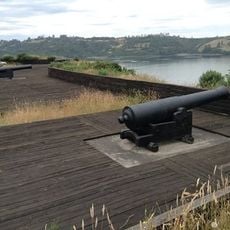
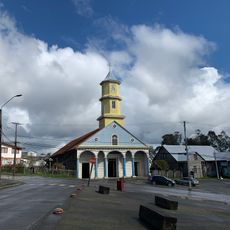
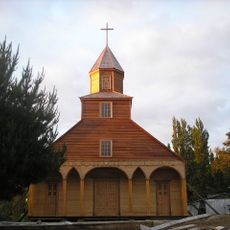
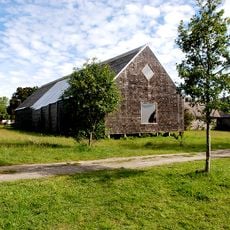
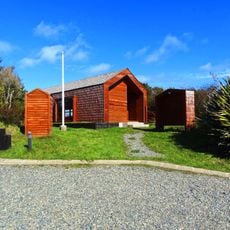
Spanish colonizers took control in 1567 and founded the city of Castro, maintaining their presence until Chilean independence in 1826. During this period, the distinctive wooden architecture emerged that still shapes the appearance of the place today and differs from building styles on the mainland.
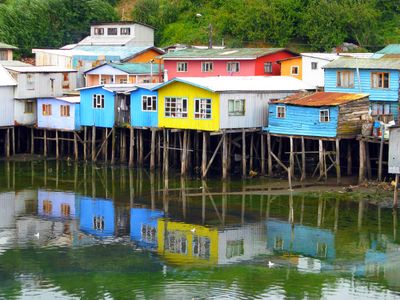
Residents built their homes on wooden stilts along the shore, creating neighborhoods that rise and fall with the daily tides. This architectural style, called palafitos, still shapes many waterfront settlements today and shows how people here have lived with the sea for generations.
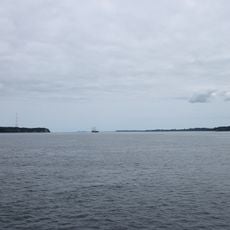
Regular ferry services connect the place to mainland Chile across the Chacao Channel, with crossings available throughout the day from multiple terminals. The crossing takes around 30 minutes, and boats run even in changing weather, so travelers usually do not need to plan for long waits.
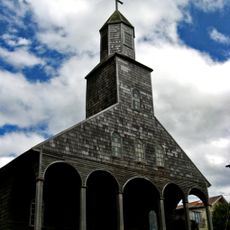
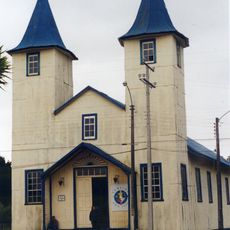
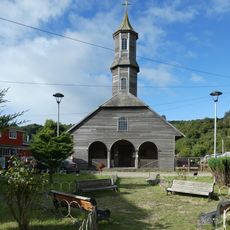
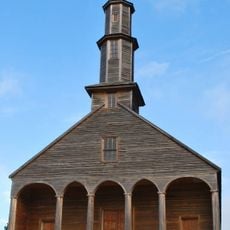
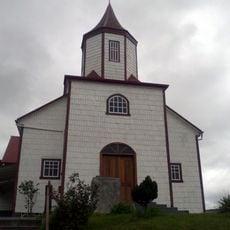
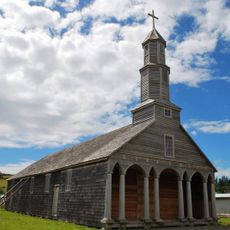
Over 150 traditional wooden churches from the colonial era now stand as UNESCO World Heritage sites and form one of the largest concentrations of religious timber architecture in South America. Many of these structures combine European forms with local building techniques that use no nails.
The community of curious travelers
AroundUs brings together thousands of curated places, local tips, and hidden gems, enriched daily by 92,395 contributors worldwide.