Parc provincial Copahue, Protected natural area near Caviahue, Argentina
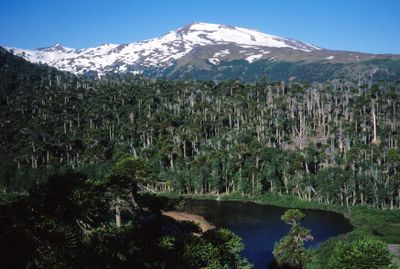
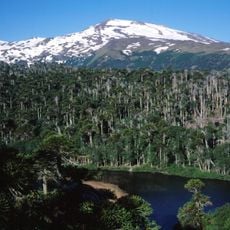
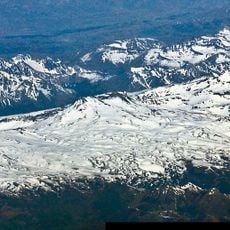
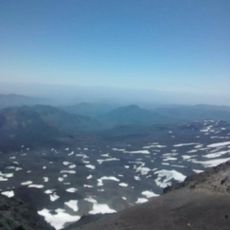
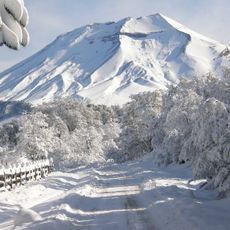
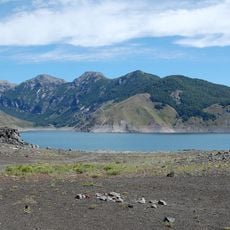
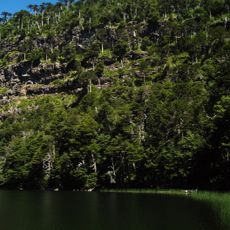
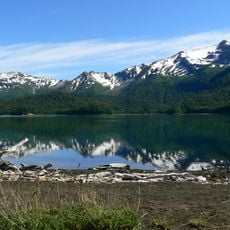
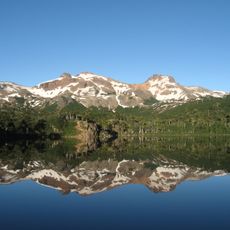
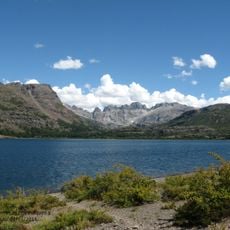
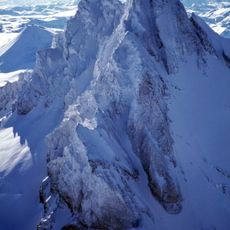
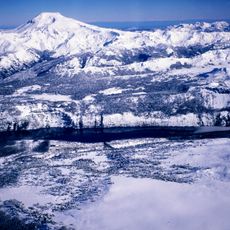
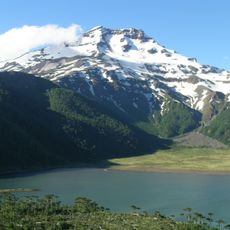
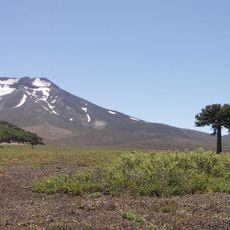
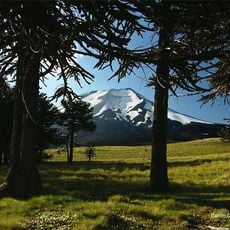
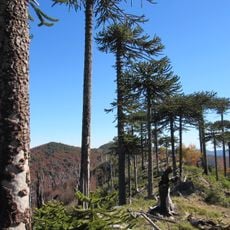
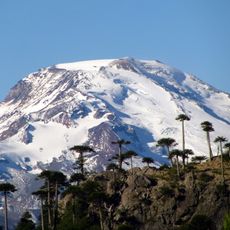
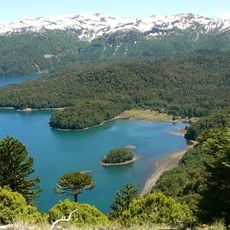
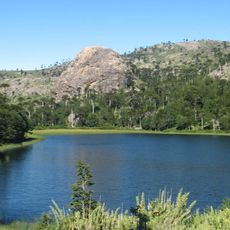
Parque Provincial Copahue protects 28,300 hectares on the eastern slopes of the Copahue volcano, the largest provincial protected area in Neuquén. It covers the headwaters of the Río Agrio, which rises in the volcano's crater and drops through four waterfalls, and the northernmost Araucaria forests in Argentina. The Pino Hachado and Copahue passes lie within it.
The area was home to Pehuenche communities before 1937, when the Reserva Nacional Los Copahues was created. The reserve was later ceded to Neuquén province, and on 28 February 1963 Decree Law 387/63 established the Área Protegida Provincial Copahue. Its land is 70% provincial fiscal land and 30% private property.
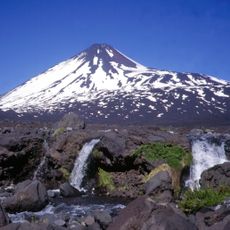
The name Copahue combines the Mapudungun words "co" (water) and "pahue" (sulphur), meaning sulphurous waters, a quality visible in the Agrio River. The area was inhabited by Pehuenches before the park's creation. The Río Agrio trail, marked and organised, passes four waterfalls named, from bottom to top, Cascada del Basalto, Cascada de la Culebra, La Caballera Cascada de la Virgen and Cascada del Gigante, among araucaria, lenga and ñire trees.
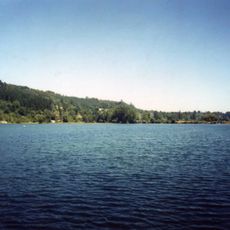
The Río Agrio trail is a marked route that starts in Caviahue and climbs to the river's source in the Copahue crater, returning by another path. The crater can also be reached on horseback in about six hours, roughly a full day. The nearest base is Caviahue, on the western shore of Lake Agrio (Caviahue).
The crater lake of the Copahue volcano, about three hectares in size, is heated to roughly 30–40 °C by gases rising through the volcanic conduit, which also add sulfuric and hydrochloric acids plus magnesium, sulfur, calcium and ammonia. The Agrio River rises from this crater and flows east toward Lake Agrio.
The community of curious travelers
AroundUs brings together thousands of curated places, local tips, and hidden gems, enriched daily by 94,243 contributors worldwide.