Hanga Roa, Administrative center of Easter Island, Chile
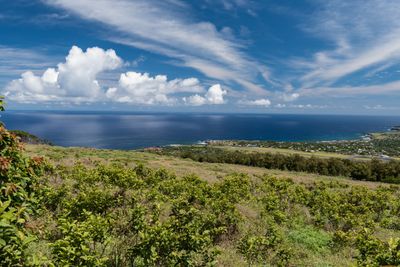
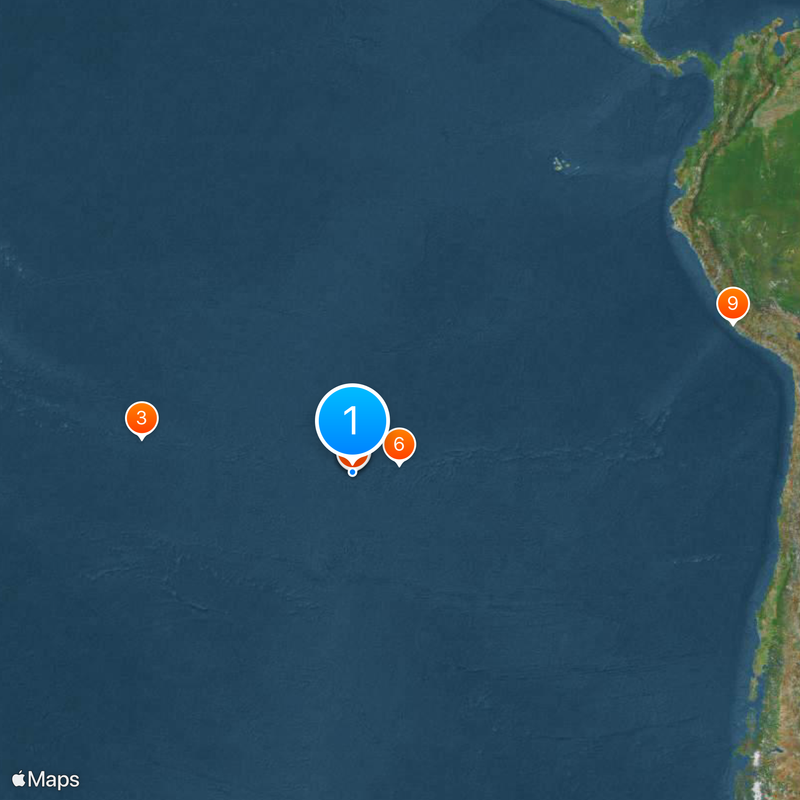
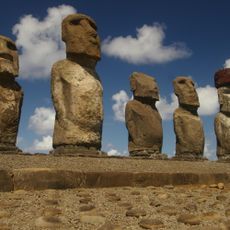
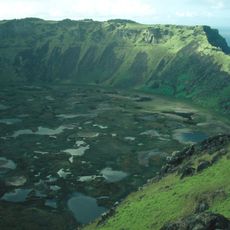
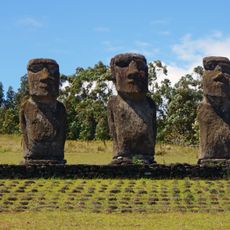
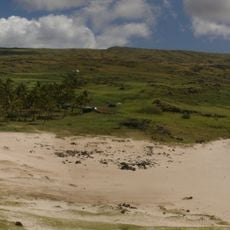
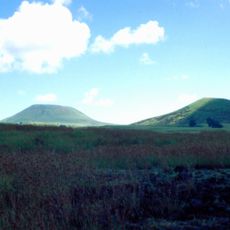
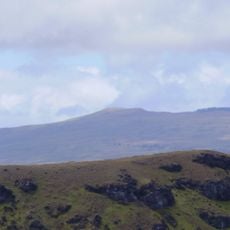
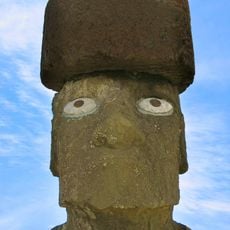
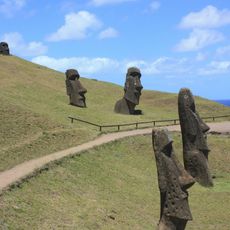
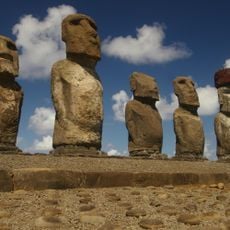
Hanga Roa is the main settlement on Easter Island, sitting along the western shore between two extinct volcanic peaks at around 40 meters elevation. The town spreads along the coastline with narrow streets running inland from the harbor toward residential neighborhoods, while some moai statues stand within the inhabited areas.
Chile annexed the island in 1888 and established this settlement as the only place where the Rapanui population was allowed to live. Residents gained Chilean citizenship and broader freedom to move around the island only in 1966.
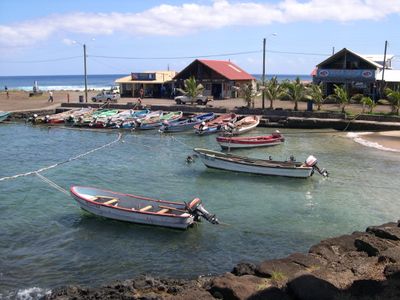
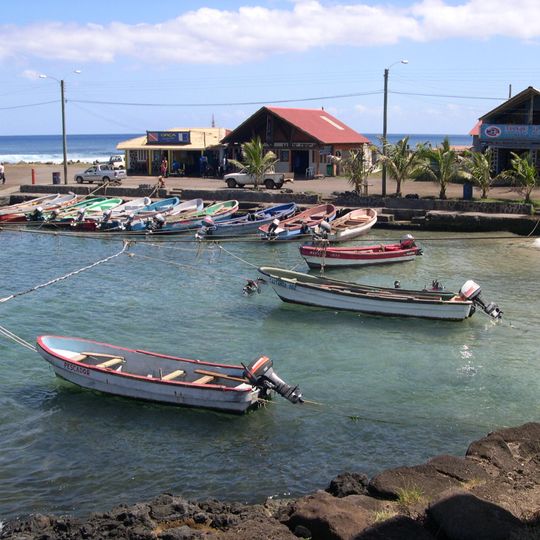
The name comes from the Rapanui language and means 'bay', referring to the protected harbor where early settlers landed their canoes. Today locals gather at the waterfront in the evenings, where fishing boats return with fresh catch and families stroll along the coastal path.
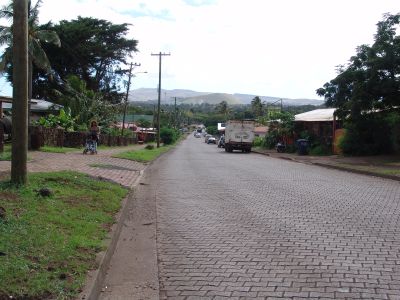
Streets are mostly unpaved or partially paved, and evening lighting is limited to a few streetlamps along the coast and through residential areas. Walking from the harbor to the northern residential streets takes about 30 minutes on foot.
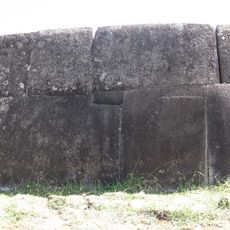
Nearly all of the island's inhabitants live here in a narrow coastal strip, leaving the rest of the island almost entirely uninhabited. Some houses stand directly next to archaeological sites, so residents walk past ancient moai every day.
The community of curious travelers
AroundUs brings together thousands of curated places, local tips, and hidden gems, enriched daily by 90,753 contributors worldwide.