Maranga, Archaeological site in San Miguel district, Lima, Peru
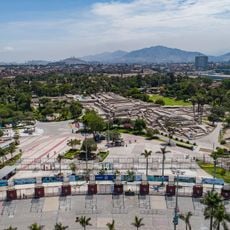
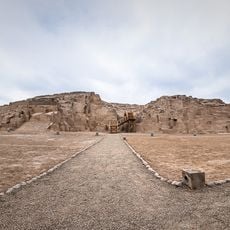
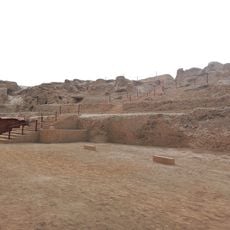
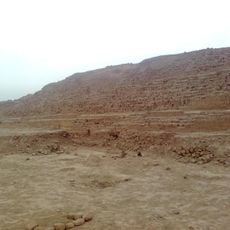
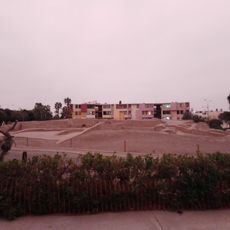
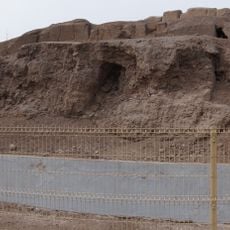
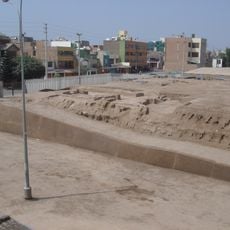
Maranga is an archaeological site with numerous adobe pyramids of varying sizes arranged across a large area in several distinct groups. The pyramids display characteristic brick patterns built vertically and contain multiple construction layers showing different building phases.
The site developed in the early centuries after Christ when the Lima culture established their main settlement here. Its importance ended when Spanish colonizers founded Lima in 1535, shifting focus away from this location.
The site reflects how the Lima culture built and organized their religious structures across the valley. The way the pyramids align with the Rimac River shows how this community connected their sacred spaces to the natural landscape.
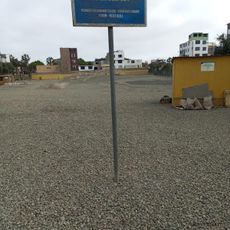
The area is large and can be explored on foot, so wear comfortable shoes and be prepared for uneven ground with scattered rubble. Plan to visit in the morning when it is cooler and the individual structures are easier to see and study.
Some pyramids contain internal passages and rooms that reveal building techniques of the Lima culture, yet many structures remain buried underground and have never been fully excavated. These unexplored sections may hold important clues about how people lived in this ancient community.
The community of curious travelers
AroundUs brings together thousands of curated places, local tips, and hidden gems, enriched daily by 91,263 contributors worldwide.