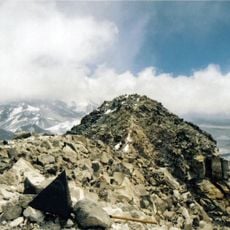
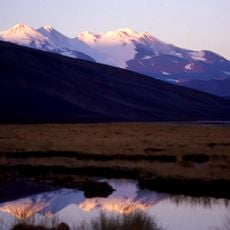
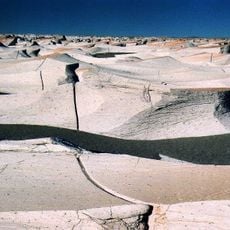
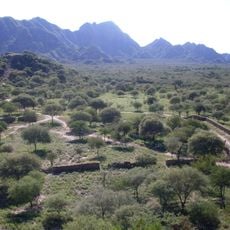
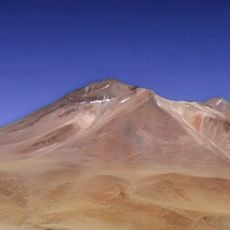
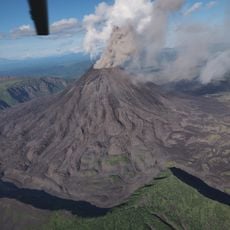
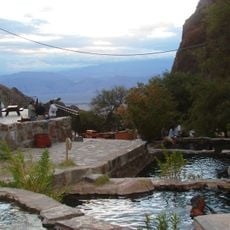
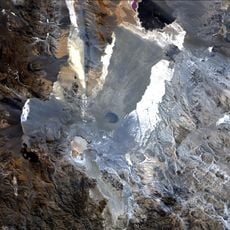
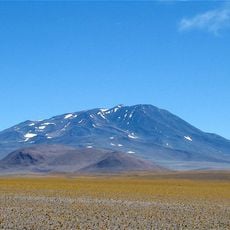
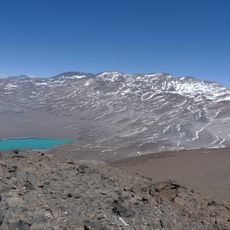
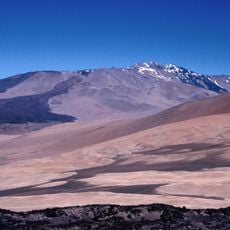
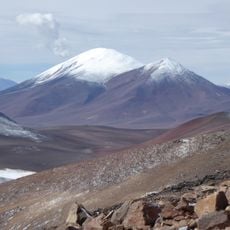
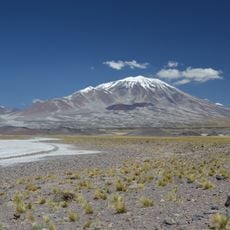
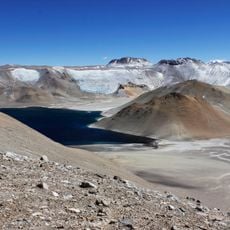
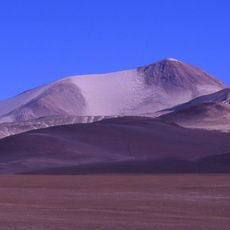
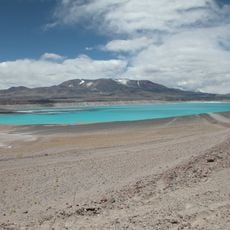
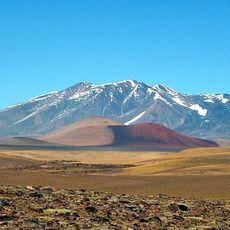
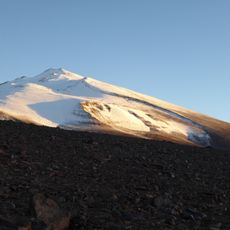
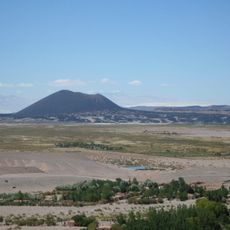
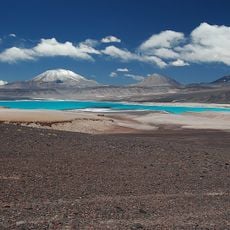
Laguna Amarga, Caldera in Catamarca Province, Argentina.
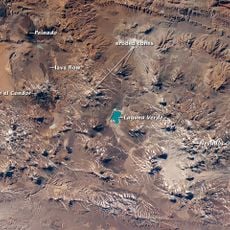
Laguna Amarga is a caldera spanning about 33 kilometers across in the southern part of the Central Volcanic Zone within the Andes Mountains of northwestern Argentina. The formation features a large basin structure created by massive volcanic activity and shaped by subsequent lava flows across its floor.
The caldera formed around 3 to 4 million years ago when a massive eruption released enormous volumes of volcanic material across the region. Following this event, smaller volcanic centers developed on the caldera floor, leaving traces of later geological activity.
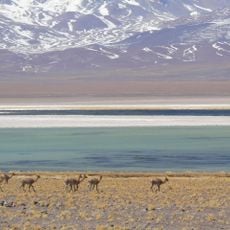
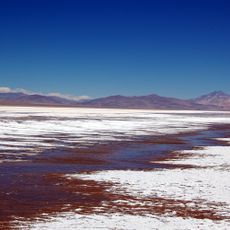
The name Laguna Amarga, meaning "Bitter Lake," reflects the saline waters that collected here, and today visible salt deposits mark the mineral-rich landscape of the caldera floor. The harsh environment shaped how people and wildlife have historically adapted to this high-altitude terrain.
The site is highly remote, so plan ahead for transportation and lodging in nearby towns before arriving at the caldera. Travel is best during the dry season when mountain roads are more passable and conditions are generally safer for exploration.
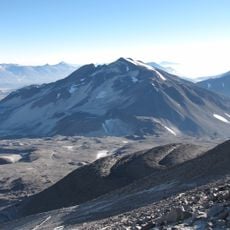
The caldera floor reveals traces of smaller volcanic cones that formed long after the initial eruption, building up on the solidified lava layer below. These secondary volcanic centers offer a window into how this volcanic system remained active over extended periods of geologic time.
The community of curious travelers
AroundUs brings together thousands of curated places, local tips, and hidden gems, enriched daily by 60,000 contributors worldwide.