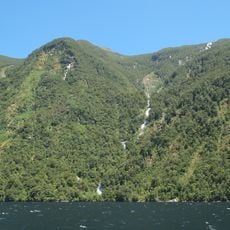
Te Wahipounamu, Nature reserve in South Island, New Zealand.
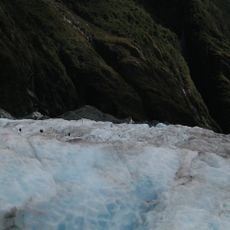
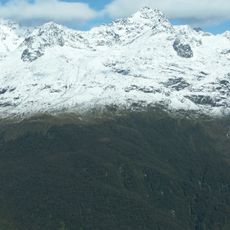
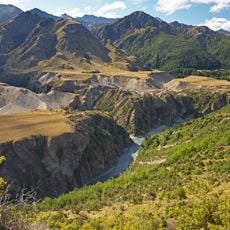
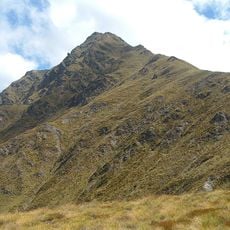
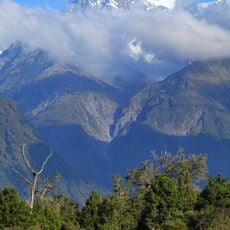
Te Wāhipounamu is a vast protected area along the western coastline of the South Island, covering around 2.6 million hectares with glaciers, fiords, lakes, and snow-capped mountains. The reserve consists of four national parks that showcase the country's most dramatic alpine landscape.
The area was first protected in 1904 as a Fiordland reserve and gained UNESCO World Heritage status in 1990. This expansion brought together four national parks under a unified protection framework.
The Ngāi Tahu people have deep roots in this land, where their ancestors gathered pounamu, green jade stones that hold great importance in Māori traditions. The name itself reflects this enduring connection to the valued stone.
The Department of Conservation manages extensive trail networks and facilities for nature-based activities throughout the area. Visitors should prepare for changeable weather, steep terrain, and the need for careful planning when hiking.
The area is home to plants and animals from ancient Gondwana, including the kea, a high-altitude parrot, and several rare flightless kiwi species. These species represent an isolated evolutionary history spanning millions of years.
The community of curious travelers
AroundUs brings together thousands of curated places, local tips, and hidden gems, enriched daily by 92,681 contributors worldwide.