Aoraki / Mount Cook National Park, National park in South Island, New Zealand
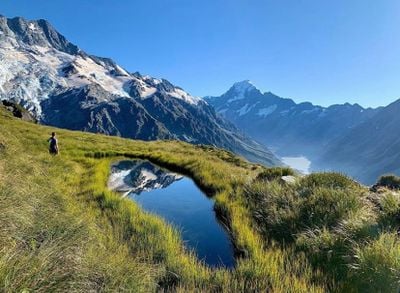
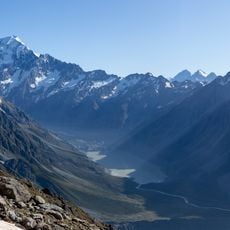
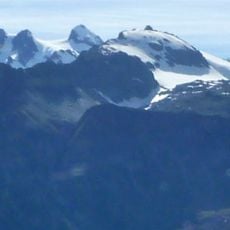
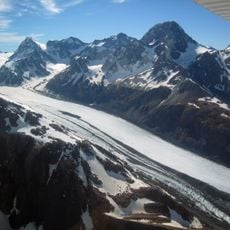
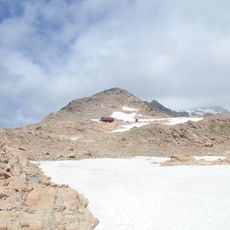
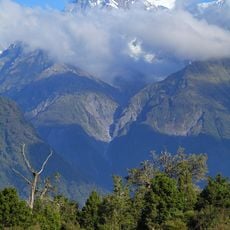
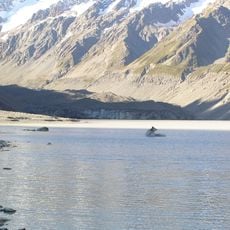
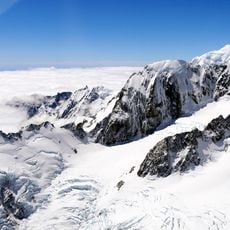
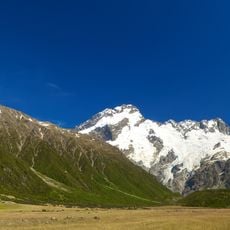
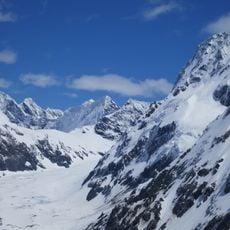
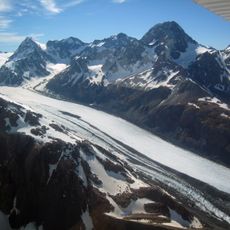
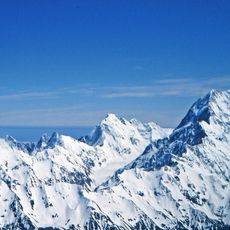
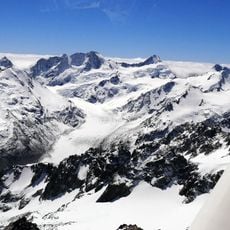
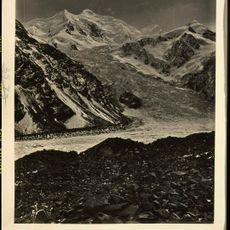
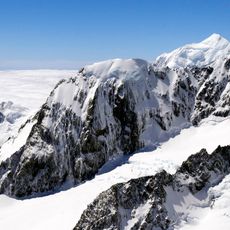
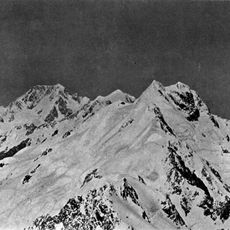
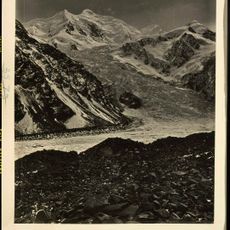
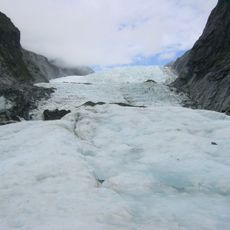
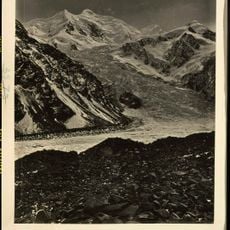
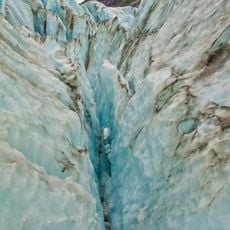
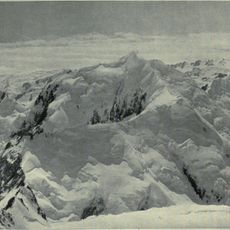
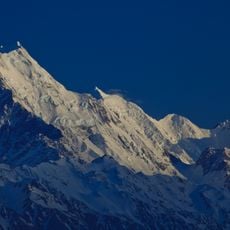
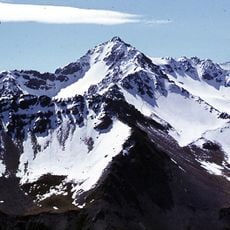
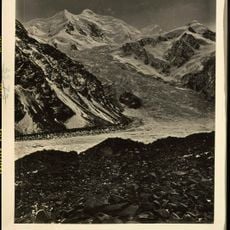
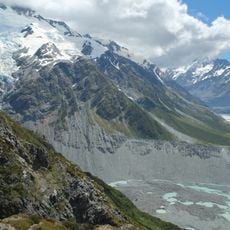
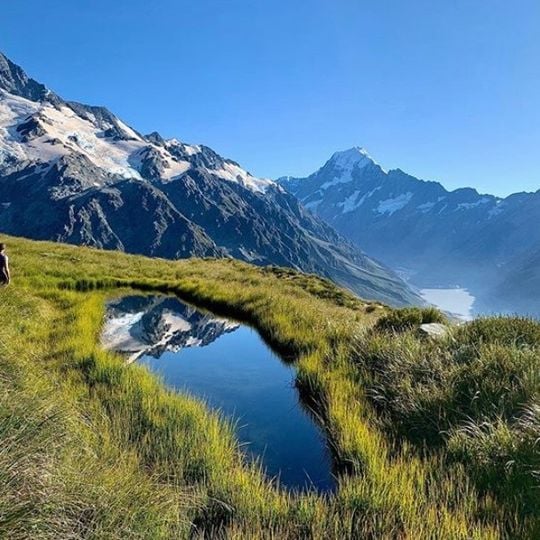
Aoraki / Mount Cook National Park is a large protected area in the Southern Alps on the South Island, featuring high peaks, glaciers, and deep valleys. The landscape rises sharply from lowlands to alpine terrain, with lakes, rivers, and ice fields spread across the region.
The park was established in October 1953, building on reserves created from 1885 to protect the landscape and vegetation. In 1990 it became part of the Te Wāhipounamu World Heritage Site, and the Ngāi Tahu Claims Settlement Act of 1998 recognised original Māori names such as Aoraki and Haupapa / Tasman Glacier.
In Māori tradition Aoraki was one of Raki's sons; his overturned canoe became the Southern Alps and he and his brothers the peaks. The iwi are Ngāi Tahu, mana whenua here, who co-manage the park with the Department of Conservation. The 1998 Ngāi Tahu Claims Settlement Act restored original names, giving dual forms such as Aoraki / Mount Cook and Haupapa / Tasman Glacier.
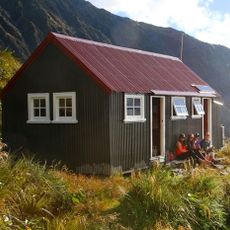
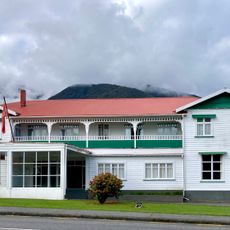
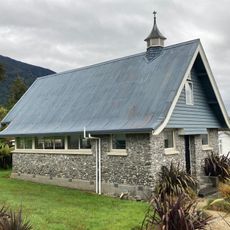
Mount Cook Village is the main hub for lodging and serves as the starting point for walks into valleys and to glaciers. The park is open year-round, though snow closes higher-altitude trails in winter, and the region experiences changeable weather.
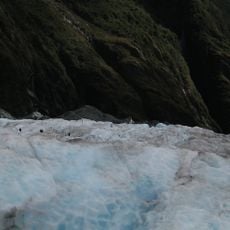
Glaciers cover about 40% of the park's 707 km², and Haupapa / Tasman Glacier is the country's largest. The park also lies within the Aoraki Mackenzie International Dark Sky Reserve, designated in June 2012, so astrophotographers come for the low light pollution.
The community of curious travelers
AroundUs brings together thousands of curated places, local tips, and hidden gems, enriched daily by 93,403 contributors worldwide.