Tweed River, Principal river in North Coast district, New South Wales, Australia
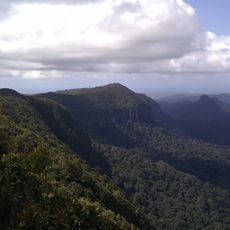
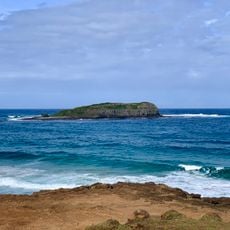
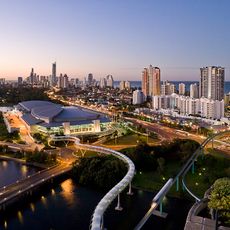
The Tweed River is a major waterway on the North Coast of New South Wales that flows from mountains to the coast while feeding several tributaries. It passes through varied terrain with reservoirs and urban areas that depend on its waters.
The river was first documented by Europeans in 1823, leading to settlements along its banks that shaped the region's development. This early contact established connections that would define the area's growth over time.
Local communities connect with the river through fishing, boating, and riverside gatherings that shape daily life along its banks. Indigenous groups maintain deep ties to these waters, reflected in their ongoing relationship with the land and their presence in the region.
The river is accessible at multiple points and offers different areas to explore, especially near Tweed Heads where facilities are available. Visitors should be mindful of tides and weather conditions as these affect water activities and how the landscape changes.
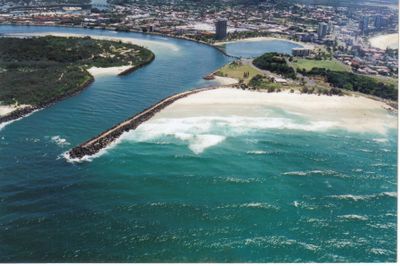
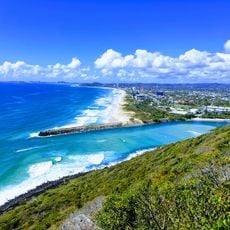
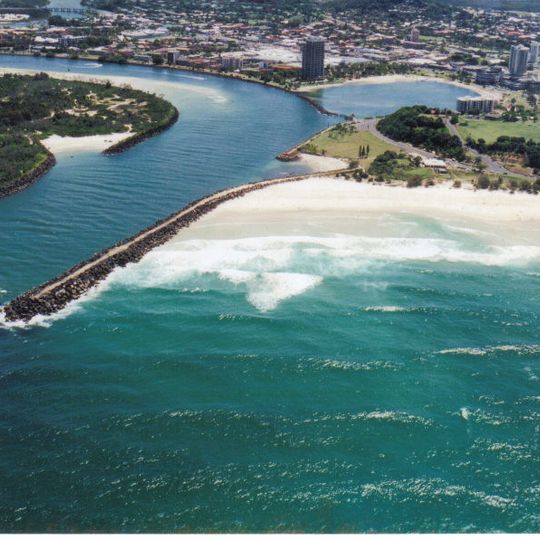
Training walls were built in 1891 at the river mouth to help ships navigate safely and manage sand movement in the area. These structures still influence how sand moves between the river and nearby beaches today.
The community of curious travelers
AroundUs brings together thousands of curated places, local tips, and hidden gems, enriched daily by 92,681 contributors worldwide.