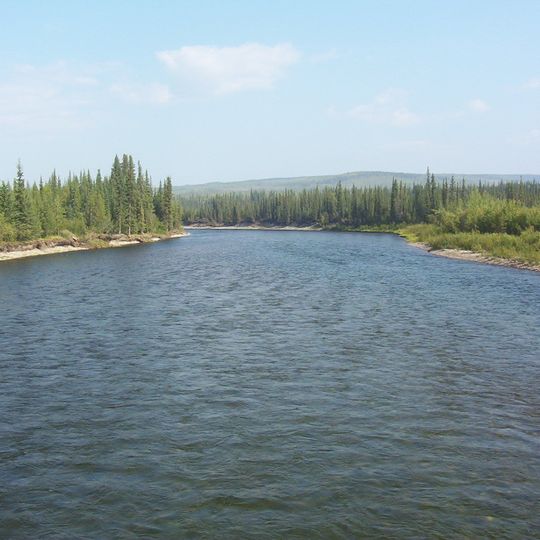
Klondike River, Historic river system in Yukon, Canada
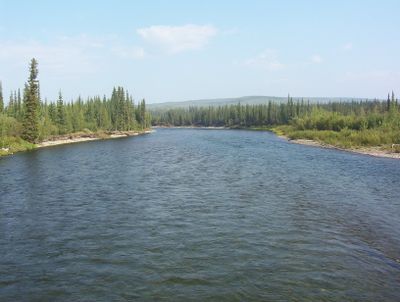
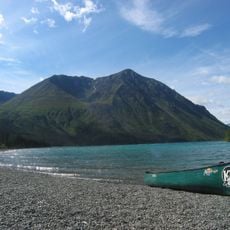
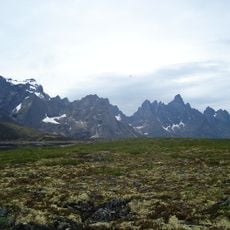
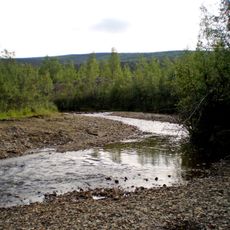
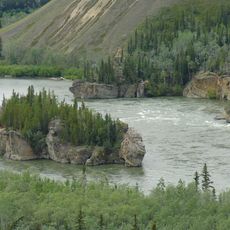
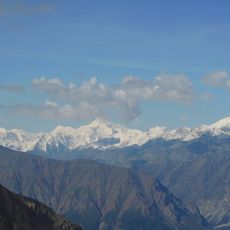
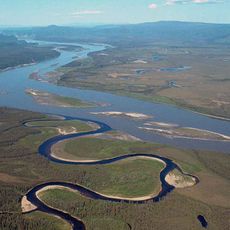
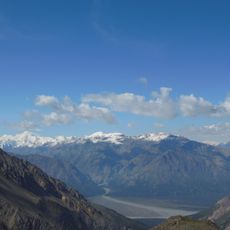
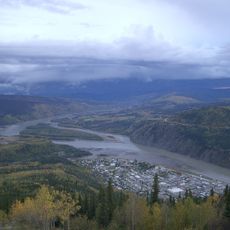
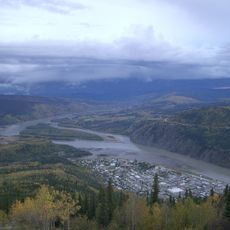
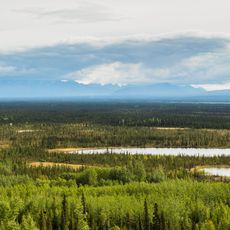
The Klondike River is a waterway system in Yukon that flows for 160 kilometers through the Ogilvie Mountains before joining the Yukon River at Dawson City. The water travels through mountainous terrain and eventually reaches flatter areas where it connects with the larger river.
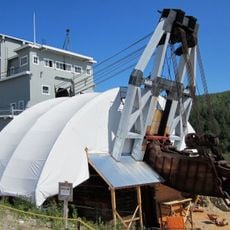
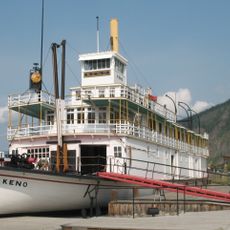
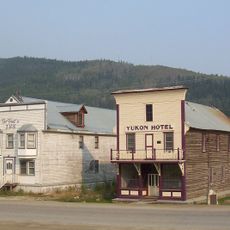
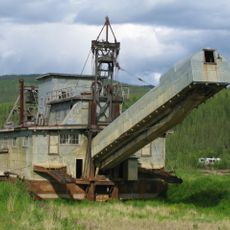
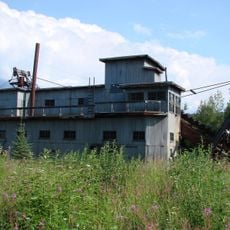
Gold was discovered in the river's tributaries in 1896, triggering a massive rush of prospectors seeking fortune. This discovery transformed the region and drew thousands of people to the wilderness.
The river's name comes from the Hän word Tr'ondëk, which describes a tool that indigenous people used for salmon fishing. This word reflects the deep connection between the river and the people who lived along its banks.
Visitors can find camping spots along the river with access to drinking water and designated fishing areas. Several well-maintained hiking trails connect these spots and allow exploration along the banks.
The river maintains clear blue waters throughout its course and supports large salmon populations. This water clarity and abundance of fish make it an important habitat for local wildlife.
The community of curious travelers
AroundUs brings together thousands of curated places, local tips, and hidden gems, enriched daily by 92,756 contributors worldwide.