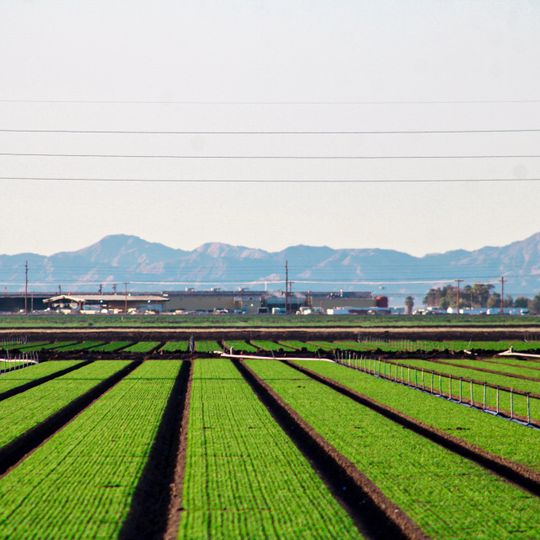
Imperial Valley, Agricultural valley in Southern California, United States
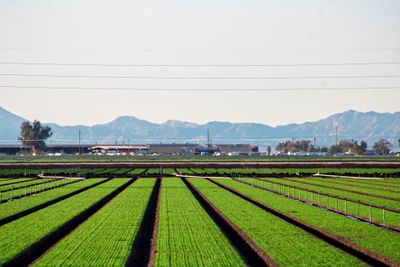
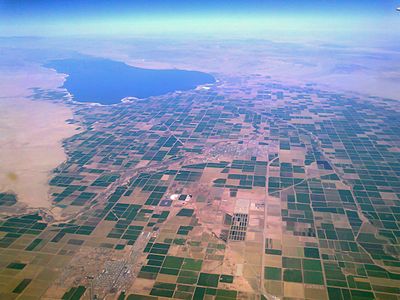
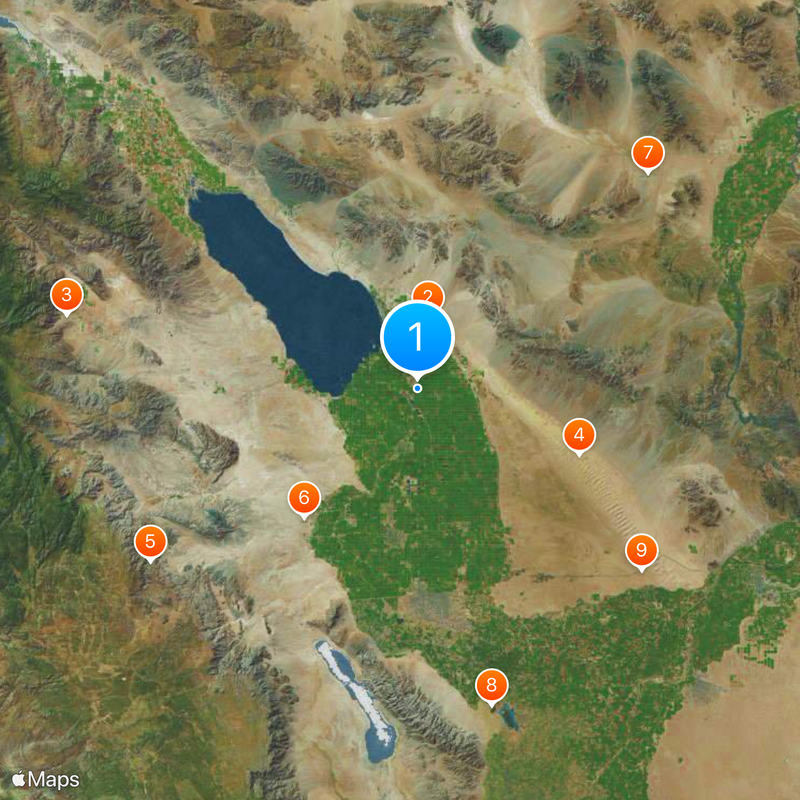
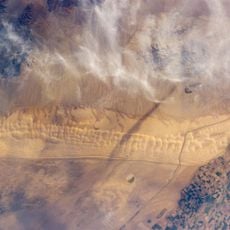
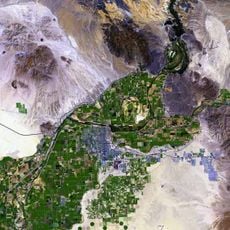
The Imperial Valley is an agricultural lowland in Southern California extending from the Salton Sea southward into Mexico, crossed by a dense network of irrigation channels. The valley contains extensive fields of alfalfa, cotton, and sugar beets that depend entirely on water drawn from the Colorado River system.
The area was desert until an irrigation canal brought Colorado River water in 1901, enabling rapid development. This engineering breakthrough turned empty land into productive farmland within a few decades and established the region's agricultural foundation.
The region's identity revolves around farming and water management, which shapes how communities organize their daily lives. The agricultural cycle influences local gatherings, celebrations, and the way people in different towns interact with each other and across the border.
The valley is large and best explored by car to see different farming areas and understand how water flows through the land. Winter is the most comfortable season for visiting, as summer heat can be intense.
The valley sits below sea level, with sections dropping more than 200 feet (60 meters) below ocean elevation. This unusual geography means water naturally flows downward and outward, creating an inverted landscape that requires careful management.
The community of curious travelers
AroundUs brings together thousands of curated places, local tips, and hidden gems, enriched daily by 91,973 contributors worldwide.