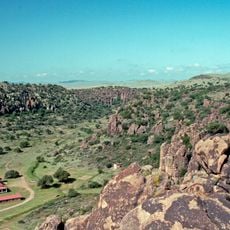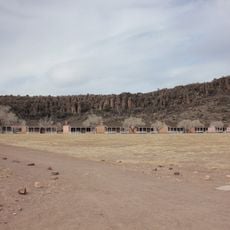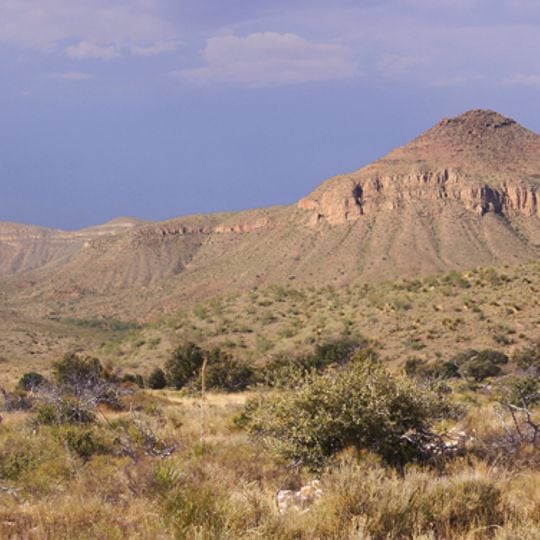
Chihuahuan Desert, Desert region in Nuevo León, Mexico
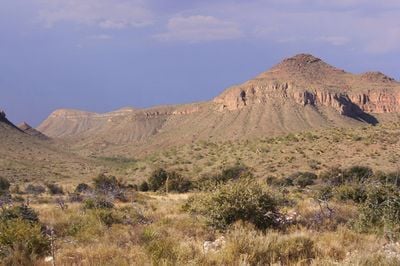
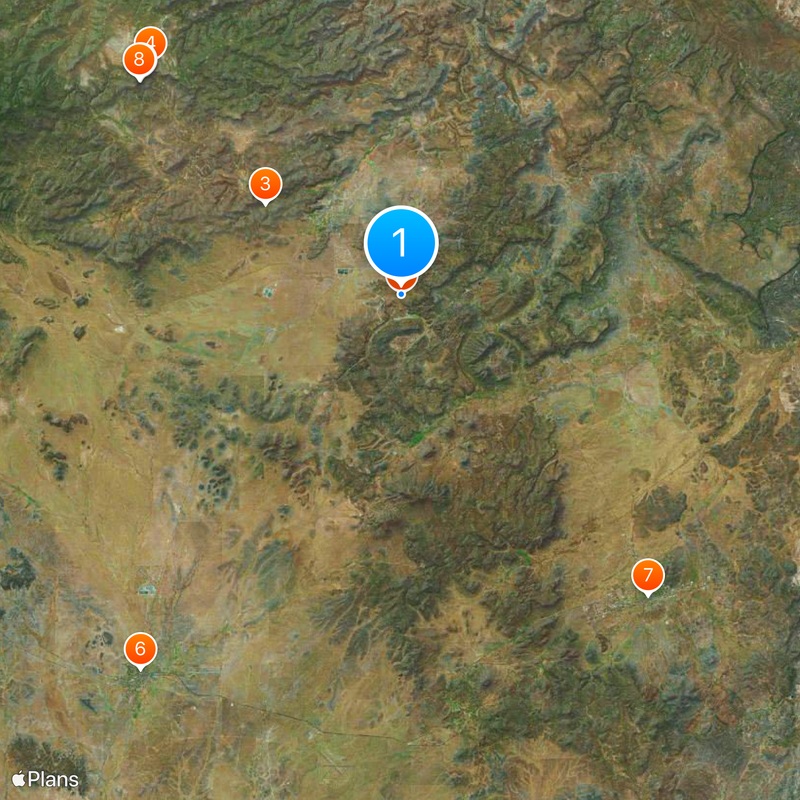
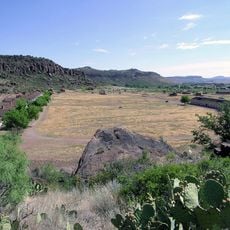
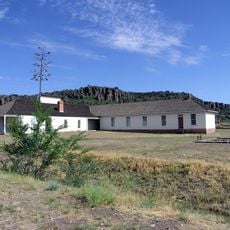
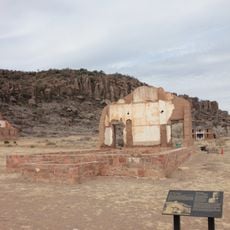
The Chihuahuan Desert spreads across parts of the United States and Mexico, forming the largest desert in North America with dry plains, mountain ranges, and a variety of hardy plant species. The landscape alternates between flat basins, steep canyons, and plateaus where cacti, yucca, and low shrubs grow.
The region took its current desert form about 10,000 years ago as the climate warmed after the last ice age and the area became drier. Spanish explorers passed through these lands in the 16th century and shaped many of the place names still used today.
Local communities in the Monterrey Desert region maintain traditional practices of harvesting desert plants and adapting agricultural methods to the arid environment.
Visitors should explore the desert during spring or fall when temperatures are milder and days remain longer. Those crossing the area often find access points along the overland roads and should prepare for changing weather conditions.
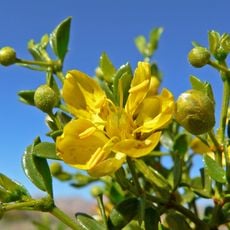
The desert holds more cactus species than any other desert in the world and provides habitat for dozens of endemic plants. In some areas, short-lived wildflowers bloom after summer or early fall rains and transform the brown landscape for a few weeks.
The community of curious travelers
AroundUs brings together thousands of curated places, local tips, and hidden gems, enriched daily by 91,638 contributors worldwide.