Manizales - Mariquita Cableway, Historic aerial cableway between Manizales and Mariquita, Colombia
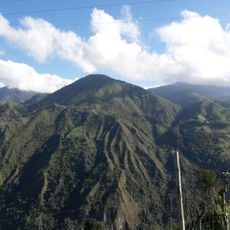
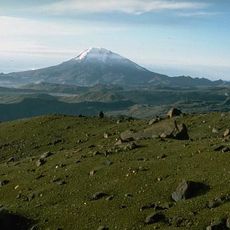
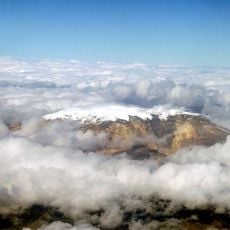
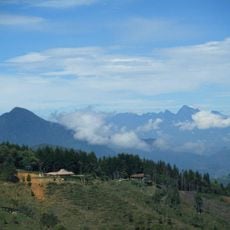
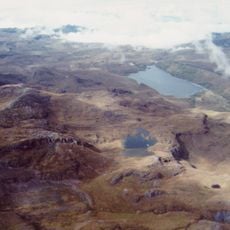
The Manizales-Mariquita Cableway was an aerial transport system that stretched across mountainous terrain, linking settlements at different elevations in central Colombia. The route passed through numerous stations and support towers designed to navigate the steep landscape.
Exploration for the line began around 1912 under New Zealand-born engineer James F. Lindsay, and construction started in 1914, the year the First World War broke out. The Mariquita–Soledad (today Herveo) section opened in March 1914, but work was almost entirely suspended during the war and resumed in 1916. The full route reached the Camelia station in Manizales on 22 January 1922, and the cableway ran until 20 October 1967.
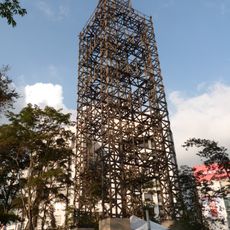
The cableway linked the coffee-growing axis around Manizales to the Magdalena River port of Honda, cutting a journey that oxen took ten days to about ten hours. In 1920 Caldas had 40 million coffee trees; by 1932 the number had reached 95 million. The Torre de Herveo, a wooden tower built after the steel original was lost at sea, was declared a national monument and moved to Manizales.
The system was equipped with multiple motors that enabled it to transport both goods and passengers through the mountainous region. The installation remained operational until the mid-twentieth century and is no longer in active use today.
Tower 20, the Torre de Herveo, stood in a depression between two hills and required a specially designed tall tower from England. The ship carrying it was sunk by a German submarine, so local engineers built a copy entirely in wood. It was later declared a national monument, restored and moved to Manizales.
The community of curious travelers
AroundUs brings together thousands of curated places, local tips, and hidden gems, enriched daily by 93,819 contributors worldwide.