Trans-Mexican Volcanic Belt, Volcanic belt in central Mexico
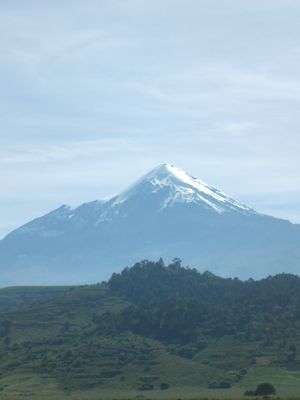
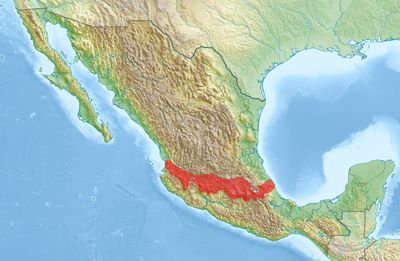
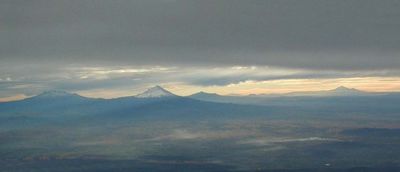
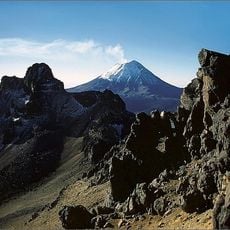
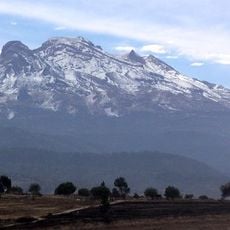
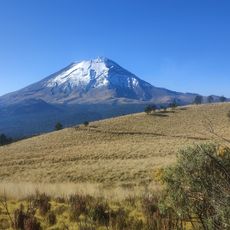
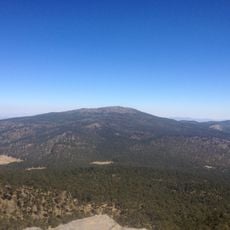
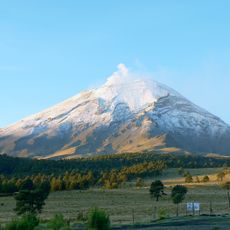
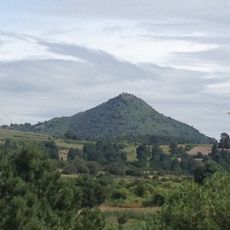
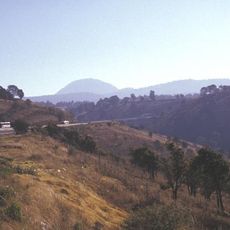
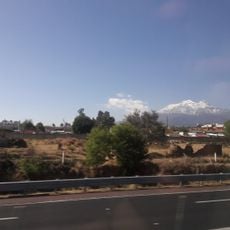
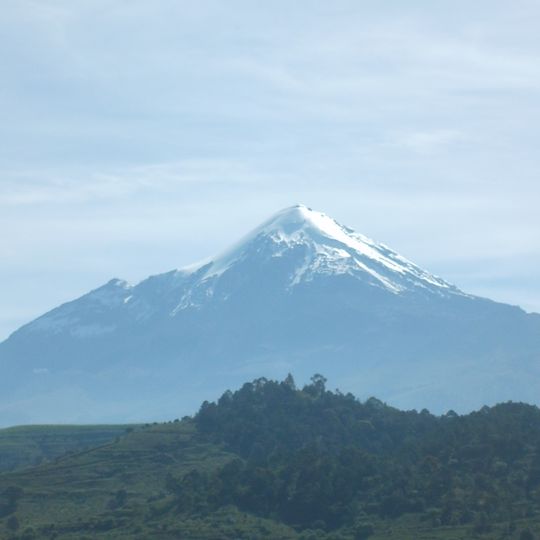
The Trans-Mexican Volcanic Belt is a mountain range of volcanic origin stretching across central Mexico, with craters, lava fields and smoking summits scattered along its length. This zone runs east to west through several states, forming a natural barrier between the northern highlands and the southern lowlands.
This chain began forming around 23 million years ago when oceanic plates slid beneath the North American continental plate, pushing magma upward through fractures in the crust. Recent eruptions have occurred within modern times, with several peaks remaining seismically active and releasing steam columns occasionally.
Local farmers grow maize and beans on terraced slopes carved into the fertile volcanic soil between the peaks. These fields follow traditional patterns passed down through generations, with stone walls that prevent erosion and channel rainwater during the wet season.
Walking trails lead to different viewpoints along the range, with conditions varying greatly depending on elevation and season. Visitors should prepare for sudden weather changes and check current volcanic activity updates before exploring higher elevations.
Unlike most volcanic chains in the Western Hemisphere, this range runs perpendicular to the typical north-south alignment found elsewhere in the Americas. This unusual orientation resulted from the particular geometry of the tectonic plates meeting at different angles beneath the region, creating sideways stress patterns.
The community of curious travelers
AroundUs brings together thousands of curated places, local tips, and hidden gems, enriched daily by 91,013 contributors worldwide.