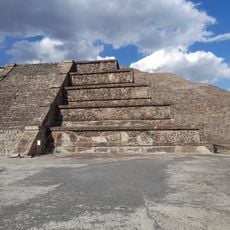
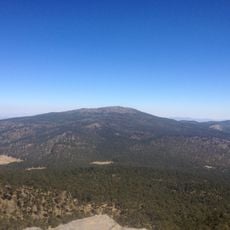
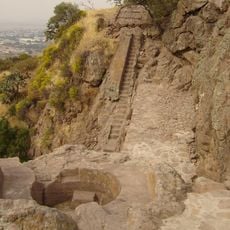
Tepetlaoztoc, Archaeological site in Central Mexico plateau, Mexico.
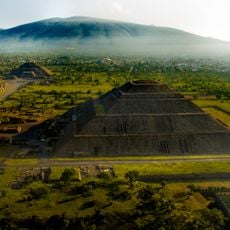
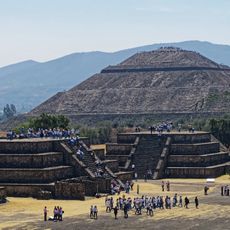
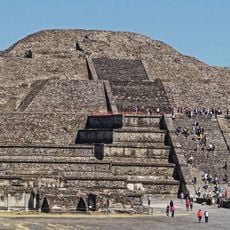
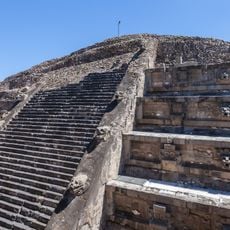
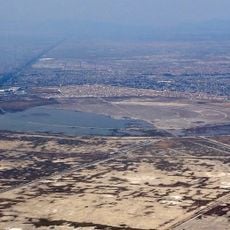
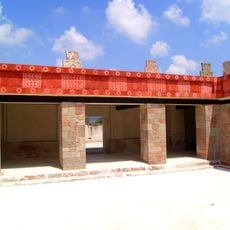
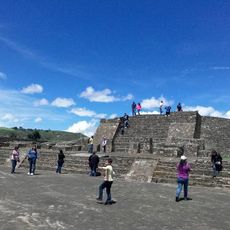
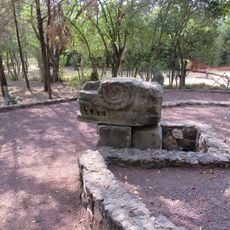
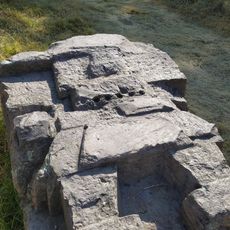
Tepetlaoztoc is an archaeological site northeast of Texcoco in the Valley of Mexico, showing remains of pre-Columbian settlements and irrigation systems from the Late Postclassic period. The terrain displays ancient field lines and settlement patterns that were documented through aerial photography.
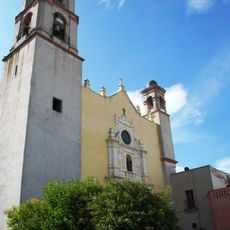
The region gained importance during the Aztec period and remained active through colonial times, as documented in the Codex of Santa Maria Asuncion. This continuity shows how the population lived in the area across both historical periods.
The name comes from Nahuatl and means tepetate-cave place, reflecting the indigenous language and culture of the Acolhua people. Visitors can still see this linguistic connection to the pre-Spanish past in local place names today.
The site today is less developed, but visibility of ancient structures can be affected by vegetation growth, especially in the wetter season. A visit in the dry season offers better conditions for exploring and understanding the field patterns from an overview perspective.
A special document, the Codex Kingsborough, was created here and contains detailed records of Spanish colonial administration and indigenous population interactions from the 16th century. This rare manuscript provides insight into life and governance during a transformative time.
The community of curious travelers
AroundUs brings together thousands of curated places, local tips, and hidden gems, enriched daily by 92,535 contributors worldwide.