Tehuacán-Cuicatlán Biosphere Reserve, Biosphere reserve and UNESCO World Heritage Site between Puebla and Oaxaca, Mexico.
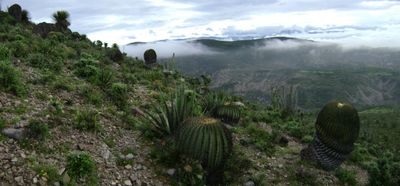
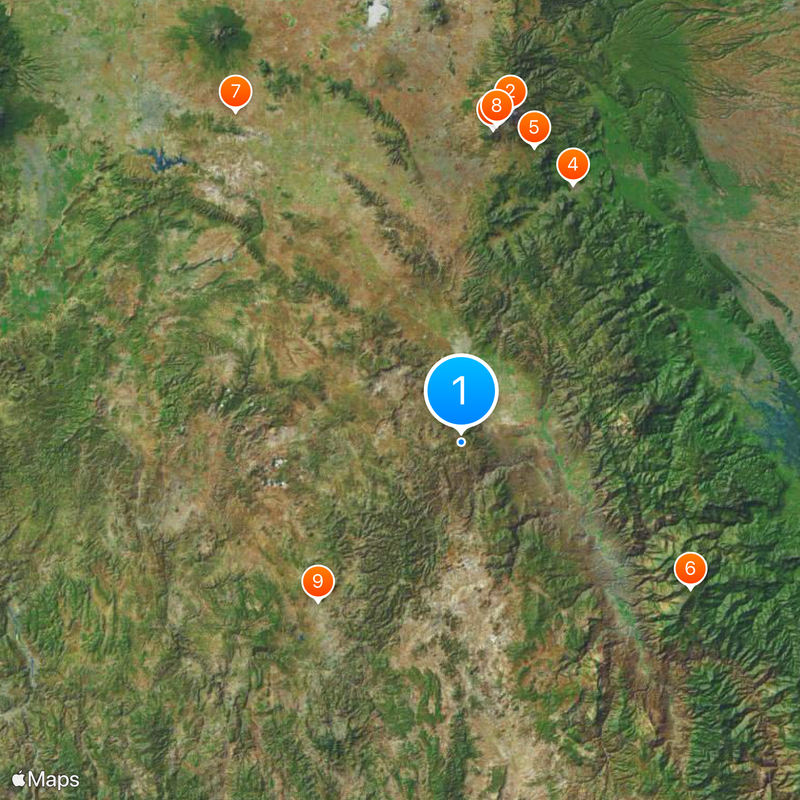
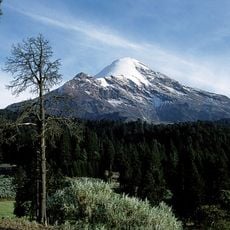
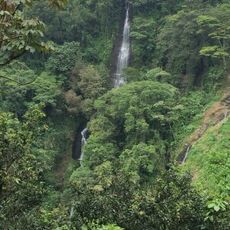
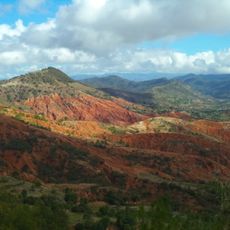
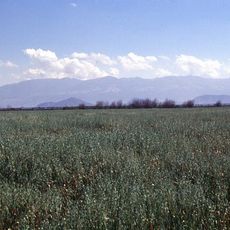
The Tehuacán-Cuicatlán Biosphere Reserve spreads across roughly 490,000 hectares in mountain ranges that straddle two states and holds forests, dry landscapes, and considerable plant variety. Several natural waterways run through the region, connecting different elevations and enabling diverse habitats to thrive.
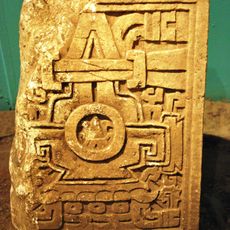
People have lived in the valley for at least 12,000 years, and it became a place where early plants like corn and avocados were first domesticated. These early farming successes contributed to the rise of civilizations across the larger region.
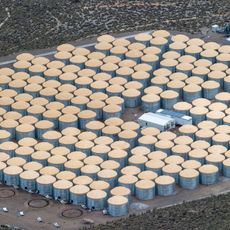
Local communities practice salt harvesting at Zapotitlán Salinas, a way of life that has shaped the landscape and remains central to their identity. The work follows methods that villagers have refined over many generations and can be observed in the salt fields.
The Helia Bravo Hollis Botanical Garden serves as the main entry point, from which visitors can explore the surrounding area. Guided tours from nearby cities are available and help visitors learn about the different zones and walking routes.
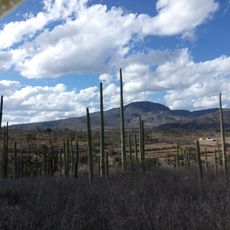
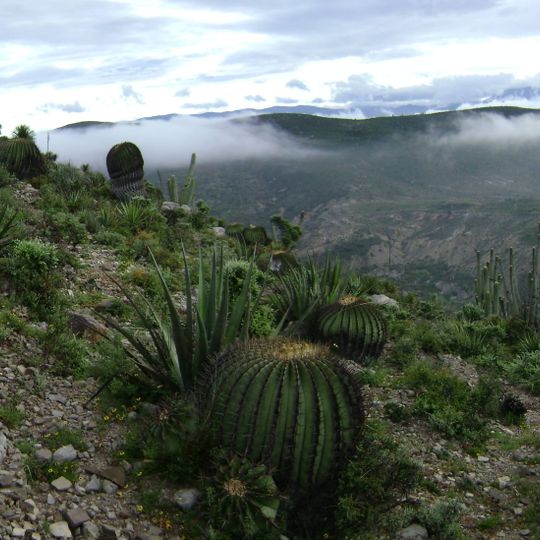
The world's largest concentration of columnar cacti grows here, with roughly 2,686 species found nowhere else in such density. These plants have adapted to extreme conditions and today stand out as one of the reserve's most distinctive features.
The community of curious travelers
AroundUs brings together thousands of curated places, local tips, and hidden gems, enriched daily by 92,005 contributors worldwide.