Las Bocas, Archaeological site in Puebla, Mexico
Las Bocas is an archaeological site in the Balsas River basin with layers from the early period between 1250 and 1000 BCE. The location displays multiple excavation areas where ceramics and human remains have been uncovered.
David Grove cancelled his 1967 excavations at Las Bocas because Román Piña Chan was digging at Caballo Pintado, the local name for the site in the Matamoros Valley; Piña Chan's results are unrecorded. María de la Cruz Paillés Hernández ran three seasons from 1997 to 2000, the last funded by FAMSI and delayed by INAH until the rains. Her pits found ceramics from the Ayotla (1250–1000 BCE) to Manantial (1000–800 BCE) phases and a second adult burial with a cajete and a dog figurine.
The community's real name is San José Las Bocas, about 7 km from Izúcar de Matamoros. Residents tell of foreigners who came to buy clay pieces at very low prices, and jade, obsidian and ceramic fragments can still be found in the area. The "baby-face" figurines are linked by some specialists to Olmec jaguar-man imagery.
Las Bocas is not open to the public; it is a ploughed agricultural plot on the lower slope of Cerro Teponaztle, east of Izúcar de Matamoros. The community's real name is San José Las Bocas, about 7 km from the town, in the municipality of Izúcar de Matamoros. Access is by land only, and the surface was stripped with heavy machinery in 1994, so there is no visitor infrastructure.
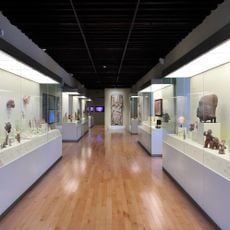
Figurines in the style of early cultures were found here, but many objects sold under this name actually come from elsewhere. This confusion makes it hard to tell genuine artifacts from fakes.
The community of curious travelers
AroundUs brings together thousands of curated places, local tips, and hidden gems, enriched daily by 95,348 contributors worldwide.