Chunchucmil, Ancient Maya archaeological site in western Yucatán, Mexico.
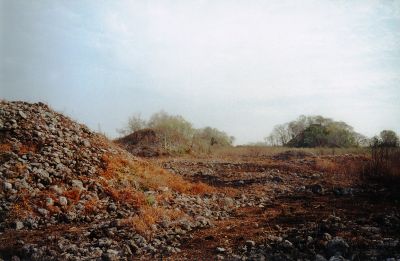
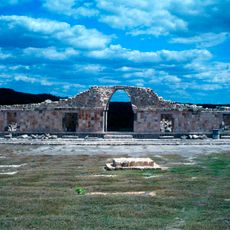
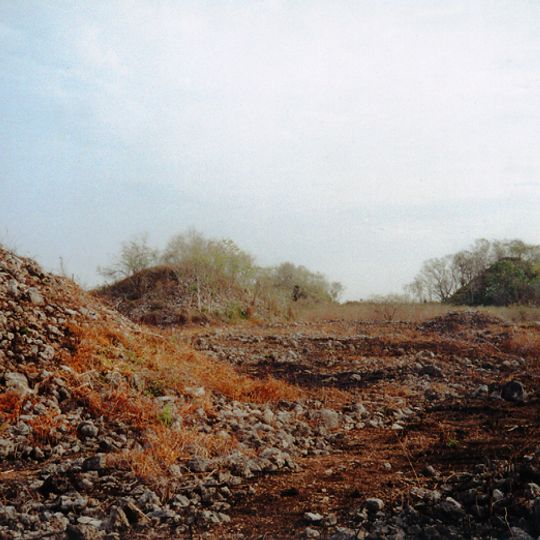
Chunchucmil is a Maya archaeological site in western Yucatán, Mexico, built on flat limestone terrain and made up of pyramids of different sizes, open plazas, and large residential areas. Stone causeways, known as sacbeob, link the different sections of the settlement and cross the surrounding landscape.
Chunchucmil reached its height between roughly the 4th and 7th centuries, when it grew into one of the most populated places in the entire Maya region. After that period, the population gradually declined and the site was eventually abandoned.
The name Chunchucmil comes from Maya and refers to the reddish color of the local stone and soil, which is still visible across the terrain today. The site was organized around open plazas where people gathered, traded goods, and conducted daily life in a way that was more urban than rural.
The site sits in a dry, open area with little shade, so carrying water and sun protection is a good idea before heading in. Visiting in the early morning or during the cooler months makes the walk through the ruins much more comfortable.
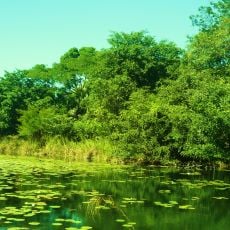
The people of Chunchucmil did not rely mainly on farming maize, as most Maya communities did, but instead built their economy around long-distance trade and the resources of nearby wetlands. This allowed the city to grow large on land that, by itself, could not have fed so many people through agriculture alone.
The community of curious travelers
AroundUs brings together thousands of curated places, local tips, and hidden gems, enriched daily by 60,000 contributors worldwide.