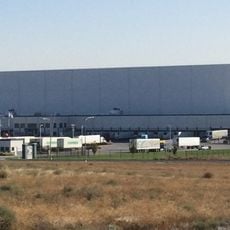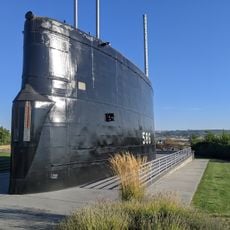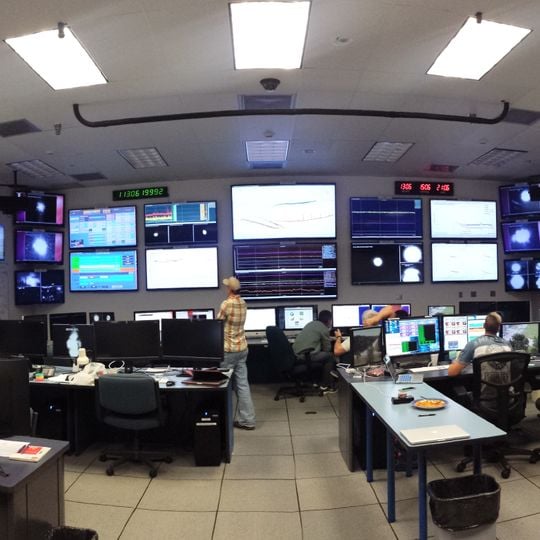
Laser Interferometer Gravitational Wave Observatory, Astronomical interferometer at Hanford Site, Washington, US
This installation uses two perpendicular arms, each about 4 kilometers (2.5 miles) long, shaped in an L, where a laser beam bounces back and forth. Each arm consists of a long tube cleared of all air so the light can travel without disturbance and tiny changes in length can be measured.
The site took shape in 1999 when the tunnels were built in the barren landscape near the Hanford Nuclear Reservation. In September 2015, researchers achieved the first direct detection of gravitational waves caused by two black holes merging long ago.
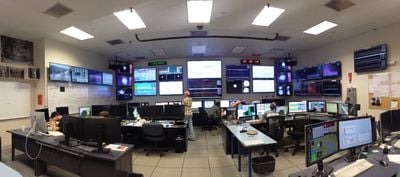
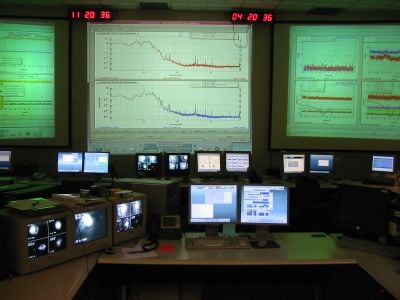
The name refers to a scientific method that sends laser light through two perpendicular tunnels to measure tiny changes in space itself. Researchers and technicians spend many months checking every detail of the installation so that even the smallest disturbances, like a passing truck, can be detected and filtered out.
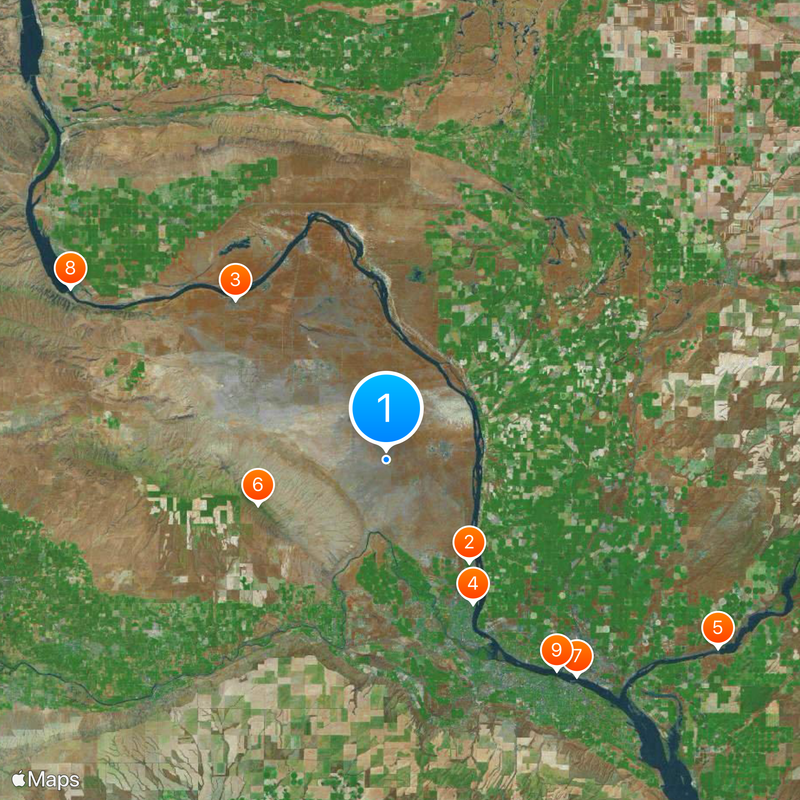
The facility sits in the dry southeast corner of Washington State, surrounded by sagebrush and farmland. Visitors can often access the site only by arrangement in advance, as the work is sensitive to any vibration.
The two long tubes can shift by tiny fractions of their length due to earthquakes, train traffic, or even waves in the distant ocean. Researchers have learned to separate these local movements from the much weaker signals coming from deep in the universe.
The community of curious travelers
AroundUs brings together thousands of curated places, local tips, and hidden gems, enriched daily by 60,000 contributors worldwide.