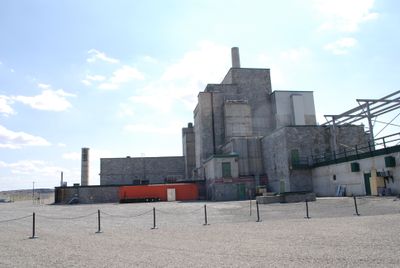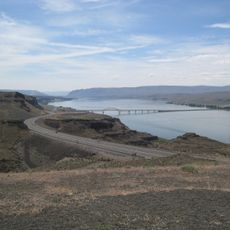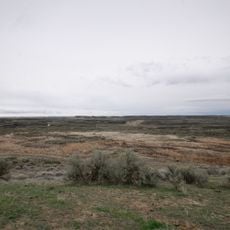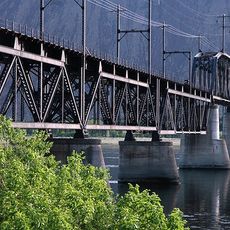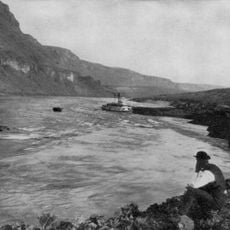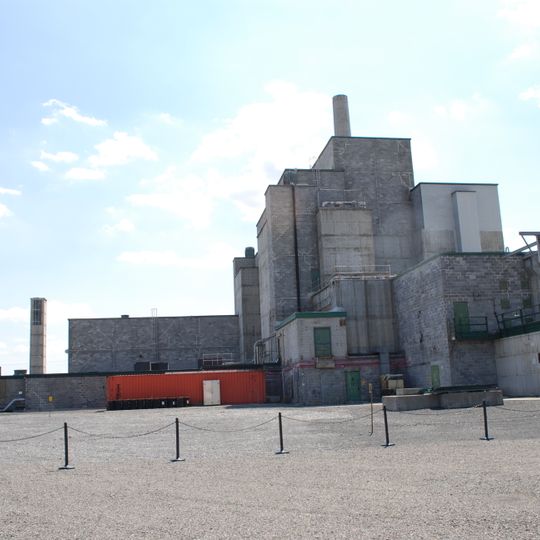
B Reactor, Nuclear reactor at Hanford Site, Washington, US
The B Reactor is a nuclear facility at Hanford Site in Washington with a core made of thousands of aluminum tubes containing uranium fuel, surrounded by graphite blocks. The structure demonstrates the engineering approach of its time, designed to generate and manage the intense heat produced by nuclear fission.
This reactor was built in 1944 during World War II as part of the Manhattan Project to produce plutonium for atomic weapons. Its operations were crucial to the development of the bomb dropped on Nagasaki in August 1945.
This facility represents how nuclear technology became central to American defense thinking and shaped public perception of science as a tool for national power. Walking through it today, you encounter the values and anxieties of an era when technological advancement seemed limitless.
Tours of the facility run from spring through fall and require advance registration for all visitors. Plan for several hours to explore the interior and understand the full scope of what you see, and be prepared for changing weather conditions.
This was the largest building of its kind in the world when completed, and engineers created a water cooling system unlike anything before it to prevent fuel rods from overheating. The solution they designed proved so effective that similar cooling methods became standard in nuclear technology.
The community of curious travelers
AroundUs brings together thousands of curated places, local tips, and hidden gems, enriched daily by 91,886 contributors worldwide.