Harrietta Plantation, human settlement in South Carolina, United States of America
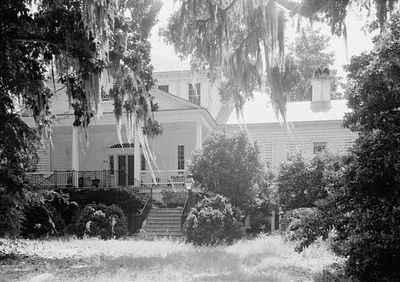
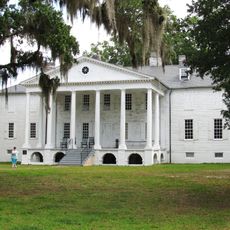
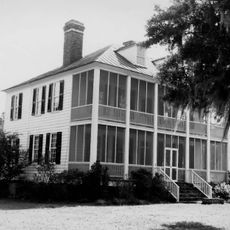
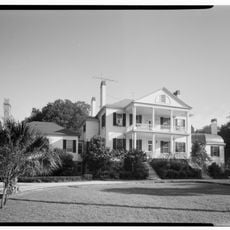
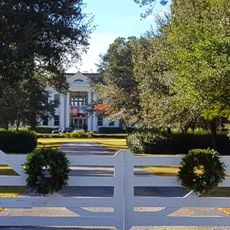
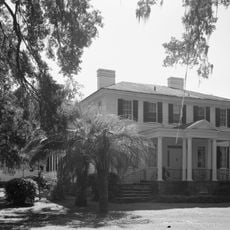
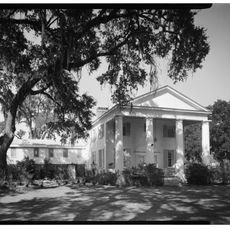
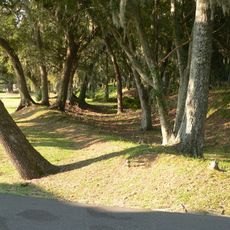
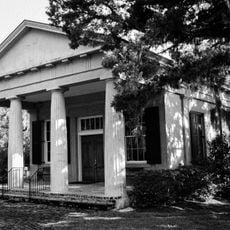
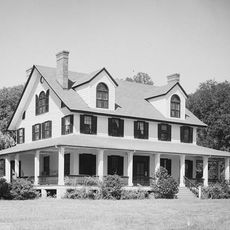
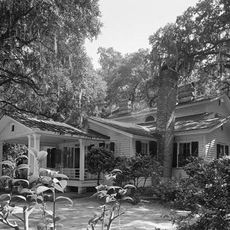
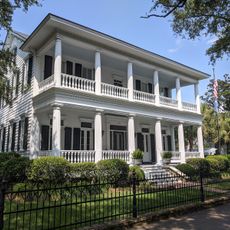
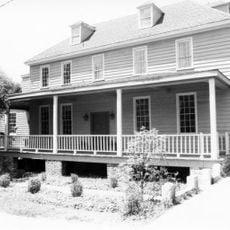
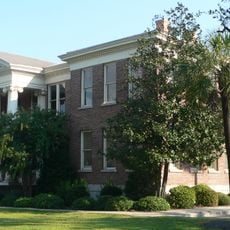
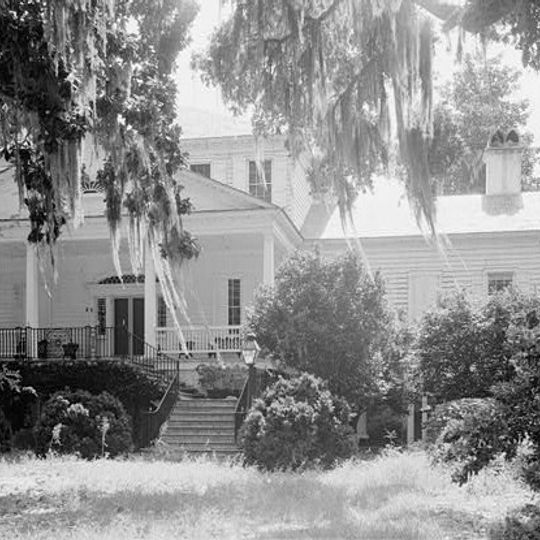
Harrietta Plantation is a historic house in South Carolina built around 1807 in Georgian style with a raised basement and columned porch. The structure features two main rooms on the ground floor with side wings added later, formal gardens extending to Collins Creek, and remnants of a rice mill and slave cabin on the property.
Built around 1807 by Mrs. Harriot Horry for her daughter Harriott and son-in-law Frederick Rutledge, the house was expanded in the 1930s with Greek Revival wings. Rice farming continued on the estate until the early 1900s, and the property was listed on the National Register of Historic Places in 1975.
The name honors Harriott Rutledge, daughter of the original builder. The estate reflects how wealthy planters in coastal South Carolina lived, with formal gardens and architectural choices that revealed their status and shaped daily routines around the main house.
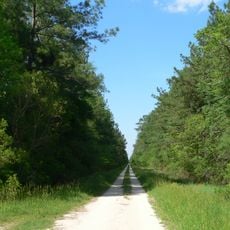
The property sits about 5 miles east of McClellanville and is accessible by local roads. The raised basement design provides natural protection from the wet climate and flooding that once threatened the region during heavy rains.
The house includes a false door between the two main rooms on its front facade that was added purely for symmetrical appearance and never functioned as an actual entrance. This architectural trick was a fashionable detail of Georgian design meant to create visual balance on the building's face.
The community of curious travelers
AroundUs brings together thousands of curated places, local tips, and hidden gems, enriched daily by 60,000 contributors worldwide.