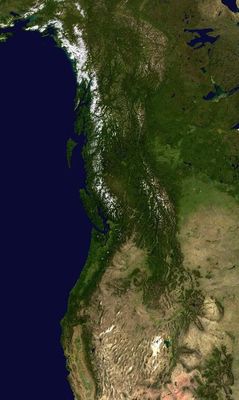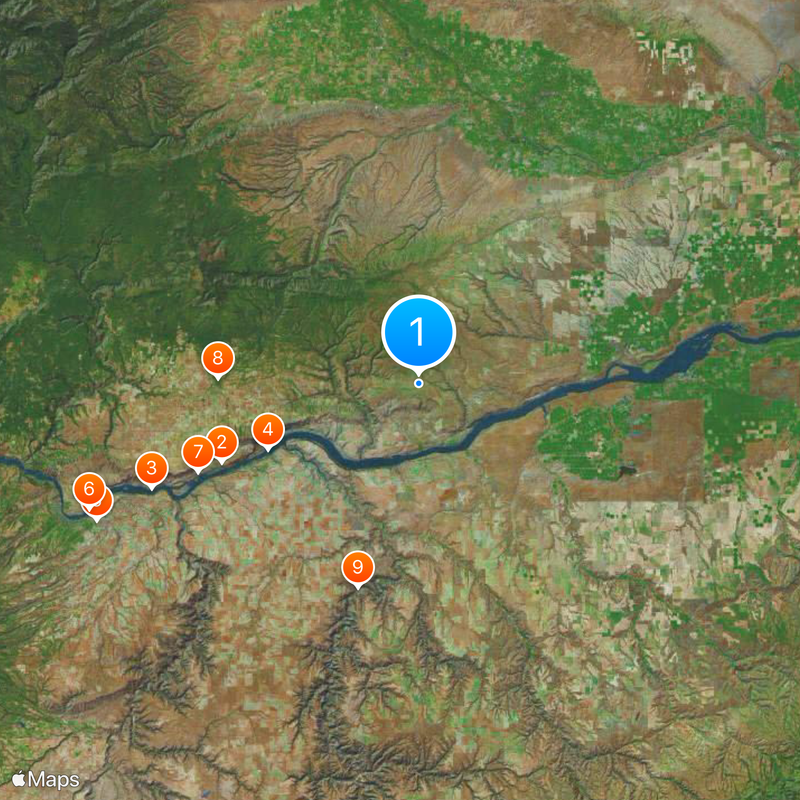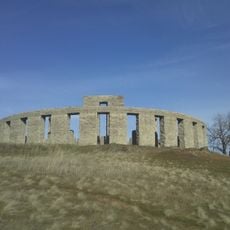
Pacific Northwest, Geographic region between Pacific Ocean and Rocky Mountains, United States and Canada.
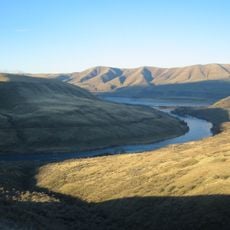
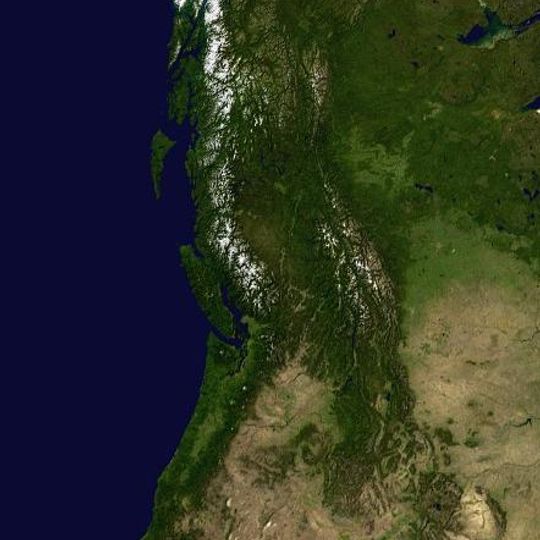
This area stretches from British Columbia through Washington and Oregon to Idaho, combining rainforests, volcanic peaks of the Cascade Range, and Pacific coastlines with rivers like the Columbia and Fraser. The terrain shifts between low ocean shores, forested hills, and snow-covered summits above 4000 meters (over 13000 feet), cut by fjords and lakes in the valleys.
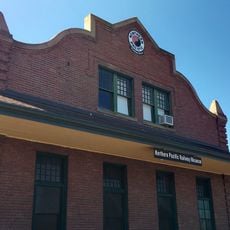
Fur trade routes connected the coast to the interior starting in the late 1700s, leading to early European settlements at river mouths and bays. The rail lines built in the 1880s opened mountainous areas and changed land use and population patterns across the territory.
Logging heritage and maritime culture shape everyday life in many coastal towns, where fish markets and sawmills have been part of the local scene for generations. Coffeehouse culture and independent breweries define city rhythms, while hiking and outdoor sports organize how many residents spend their weekends.
Elevation strongly affects temperature and rainfall, with coastal zones experiencing mild, wet winters and higher areas receiving snow from autumn through spring. Visitors should bring clothes for changing weather and note that major east-west corridors connect the larger cities and national parks.
Temperate rainforests hold some of the oldest trees on the continent, with several exceeding a thousand years and measuring many meters across. Tidal shifts along the coast can exceed three meters, exposing tide pools filled with marine life at low water.
The community of curious travelers
AroundUs brings together thousands of curated places, local tips, and hidden gems, enriched daily by 91,837 contributors worldwide.