Fort McDermit, Military fort in northeastern Nevada, United States
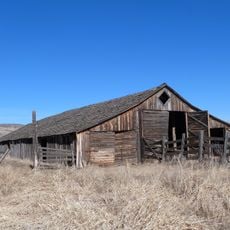
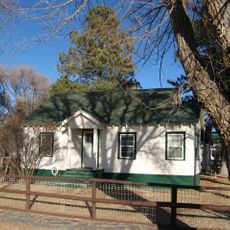
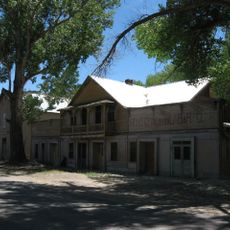
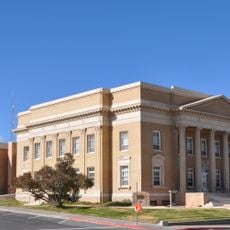
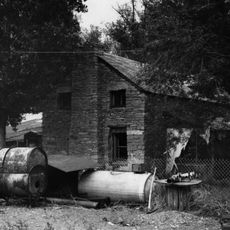
Fort McDermit was built around a rectangular parade ground measuring 600 by 285 feet (183 by 87 m). Its permanent structures, erected in 1866 and 1867, included three officers' buildings, a large barracks, a three-room hospital, storehouses and stables. All were one-story buildings with shingle roofs, made of adobe, stone or frame construction.
Fort McDermit was founded on August 14, 1865, by Captain J. C. Doughty's Company I of the 2nd California Volunteer Cavalry as Quinn River Camp No. 33, on orders of Lt. Col. Charles McDermit. After McDermit was killed in an ambush along the Quinn River on August 7, 1865, the post was renamed in his honor. Its troops fought in the Snake, Modoc and Bannock Wars; on July 24, 1889, after 24 years, it passed to the Indian Service and became a school on the Fort McDermitt reservation.
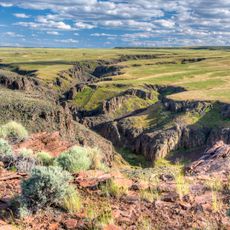
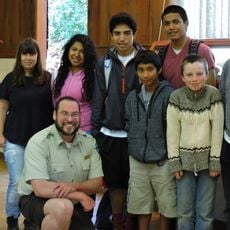
The fort's Northern Paiute name, wayadiaga, means "rye grass canyon". On 24 July 1889 the post was handed to the Indian Service and adapted as an Indian school on the Fort McDermitt Indian Reservation, where the military site became a place of schooling for local Native children.
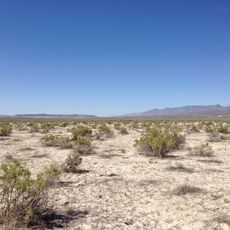
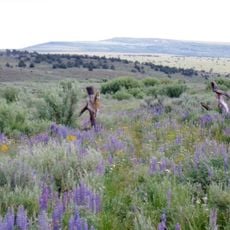
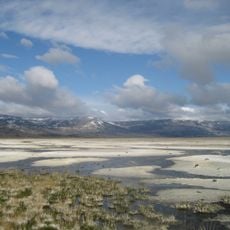
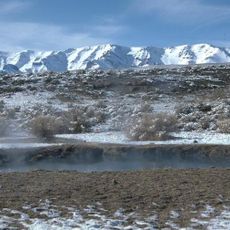
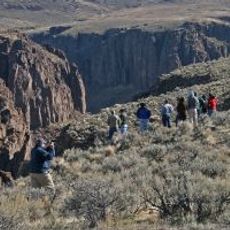
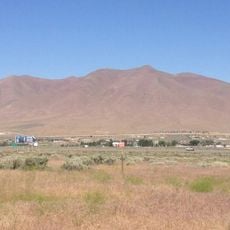
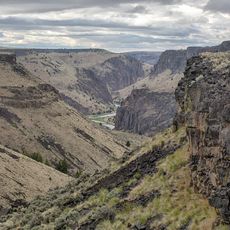
The fort stood on the East Fork of the Quinn River beside the old Quinn River stagecoach station, on the route from Winnemucca, Nevada, toward Silver City, Idaho. The post covered two square miles from 1867, with a hay reserve along the river later enlarged to 10,374 acres. Expect a remote desert setting; the site lies within the Fort McDermitt Indian Reservation.
The fort's Northern Paiute name, wayadiaga, means "rye grass canyon". Its 1867 reservation covered two square miles, and a hay reserve along both banks of the Quinn River was extended in 1870 to 10,374 acres, land kept to feed the garrison's horses.
The community of curious travelers
AroundUs brings together thousands of curated places, local tips, and hidden gems, enriched daily by 94,565 contributors worldwide.