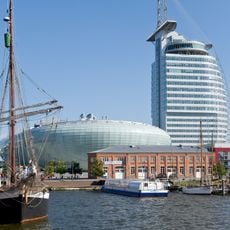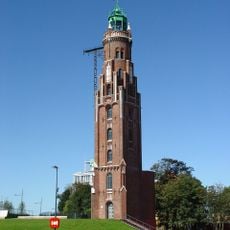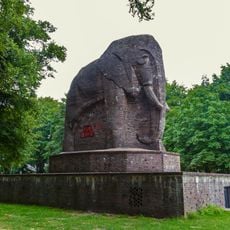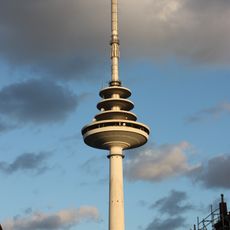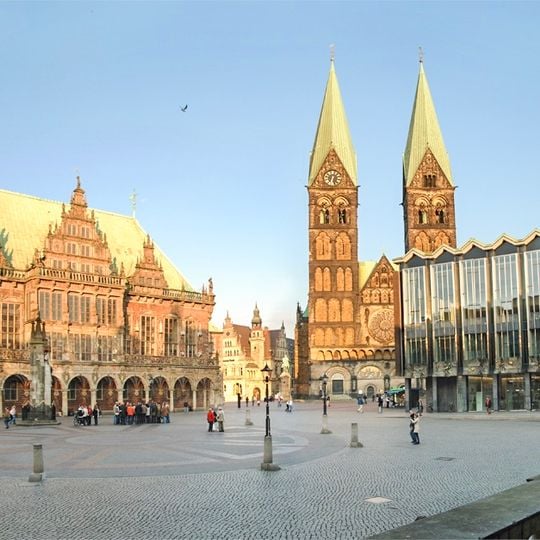
Bremen, Hanseatic port city in northern Germany.
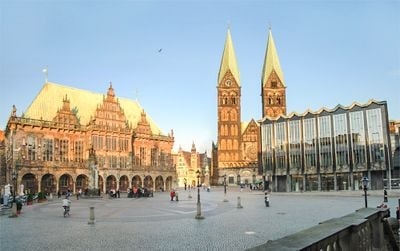
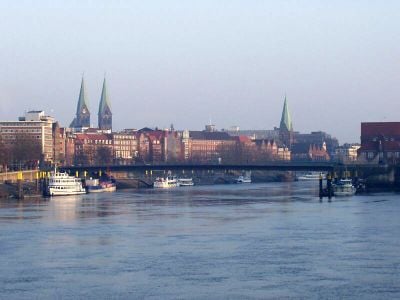
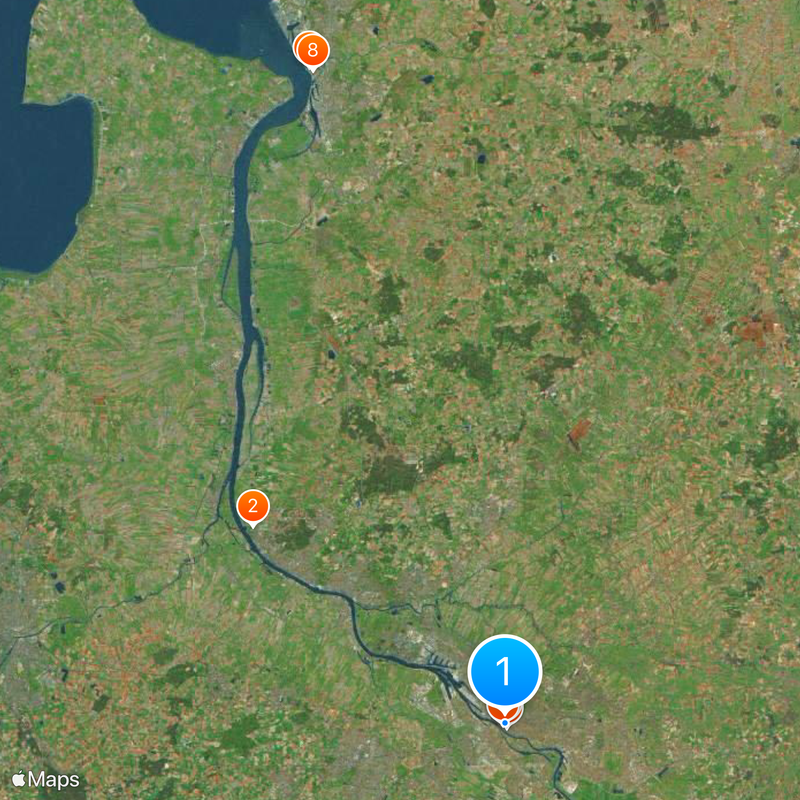
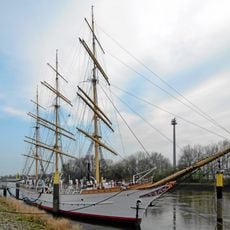
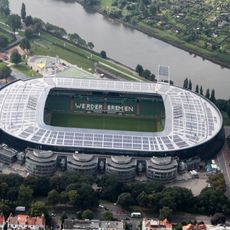
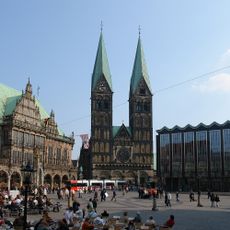
Bremen is a port city in northwest Germany, where the Weser River flows through the old town and stretches north toward the North Sea. The center sits on both riverbanks, with the medieval market square on the eastern side and residential neighborhoods plus industrial areas further downstream.
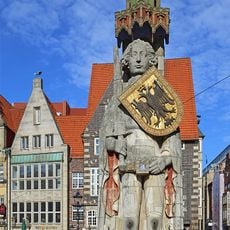
The city received market rights from Emperor Frederick Barbarossa in 1186 and joined the Hanseatic League in the 13th century. Its independence as a free imperial city lasted until the 19th century, when Bremen became part of the German Confederation.
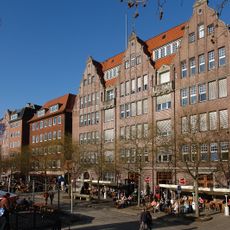
Every February, locals dress in costumes for the Samba Carnival, and the streets fill with music and dancing. In the cafés along the Schlachte, people from Bremen drink Astra or Beck's beer right by the river after work.
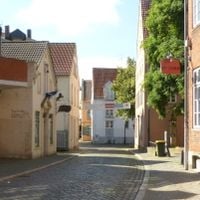
The Schnoor district consists of narrow lanes with houses from the 15th and 16th centuries, now home to restaurants, art galleries and craft shops. The market square is about a 10-minute walk from the main train station and can be reached on foot or by tram.
On Böttcherstrasse, expressionist buildings from between 1922 and 1931 combine red brick Gothic with Art Nouveau elements. At the entrance to the lane, a porcelain carillon chimes three times daily with changing melodies.
The community of curious travelers
AroundUs brings together thousands of curated places, local tips, and hidden gems, enriched daily by 91,265 contributors worldwide.