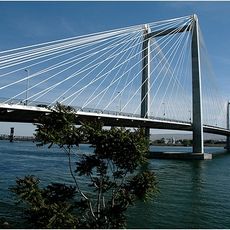
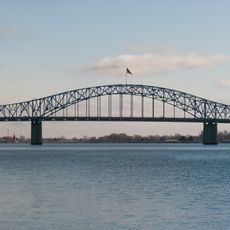
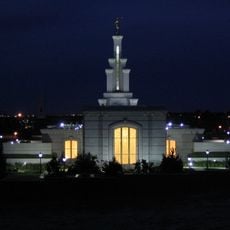
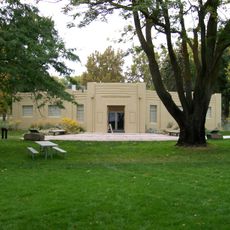
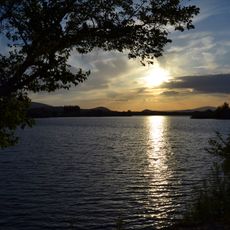
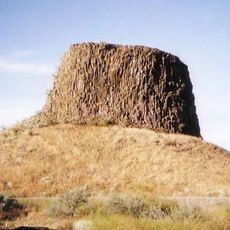
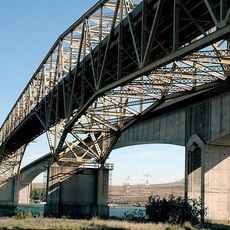
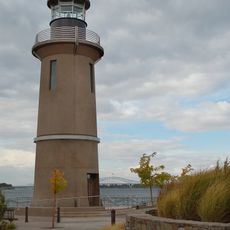
Lake Wallula, Reservoir on the Columbia River in Washington and Oregon, United States
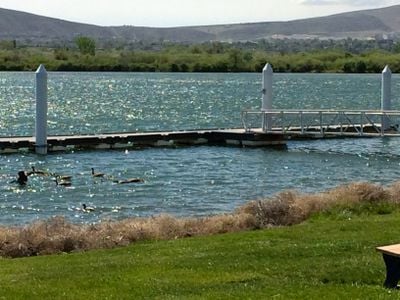
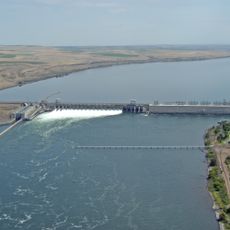
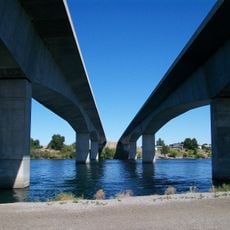
Lake Wallula is a 158 km² reservoir on the Columbia River between Oregon and Washington, formed in 1954 when McNary Dam was built. It runs from the dam near Umatilla, Oregon, to the Tri-Cities of Washington, and its shoreline passes Wallula Gap, a canyon cut through basalt that the National Park Service lists as a National Natural Landmark.
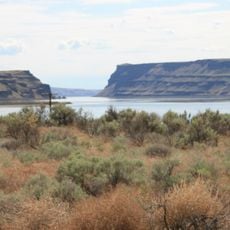
The area was shaped by the Great Missoula Floods during the Ice Age, when massive amounts of water rushed through the landscape. These ancient flood events carved the rocky cliffs and canyons that remain visible today and define the terrain.
Wallula takes its name from the Wallula Gap, the canyon the reservoir now fills; the name is recorded in local Native toponymy rather than in the sources' Yakama etymology. Today the reservoir is known for angling: salmon, bass, sturgeon and walleye are caught along its length, and the Tri-Cities end is the busiest stretch for boaters.
The reservoir runs from McNary Dam near Umatilla, Oregon, to the Tri-Cities in Washington, so access points sit on both the Oregon and Washington banks. Anglers fish the lake for salmon, bass, sturgeon and walleye. Wallula Gap, a National Natural Landmark, is the landmark to aim for on the water.
Wallula Gap, the canyon the reservoir fills, is a National Natural Landmark designated by the National Park Service for illustrating the geological history of the United States. The gap is where the Ice Age Missoula Floods, the currents the old text mentions, were forced through a narrow opening.
The community of curious travelers
AroundUs brings together thousands of curated places, local tips, and hidden gems, enriched daily by 93,862 contributors worldwide.