Tweedsmuir South Provincial Park, Provincial park in British Columbia, Canada.
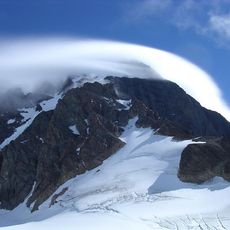
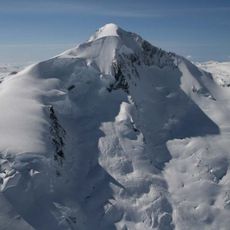
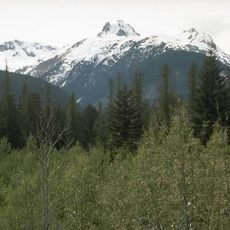
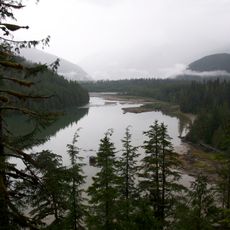
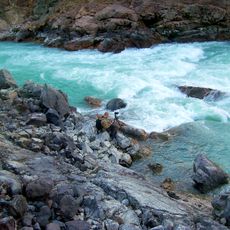
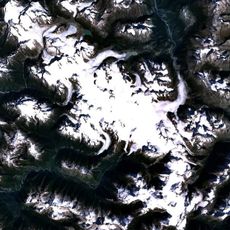
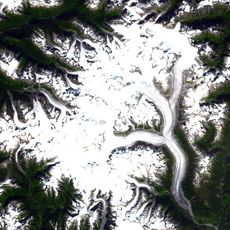
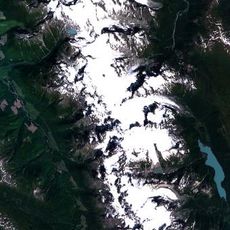
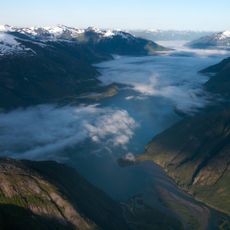
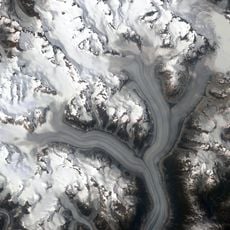
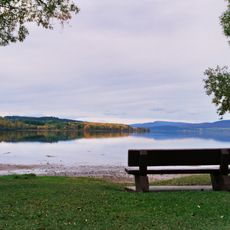
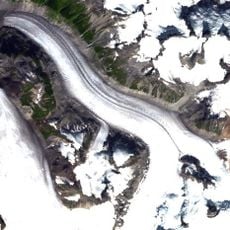
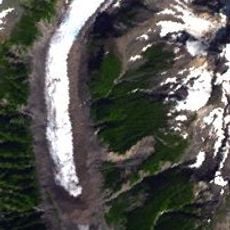
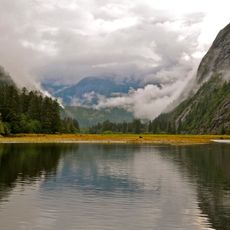
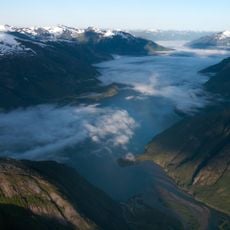
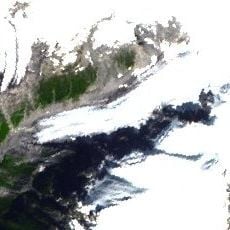
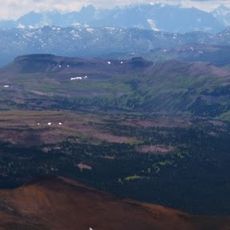
Tweedsmuir South Provincial Park spreads across the eastern Kitimat Ranges, northern Pacific Ranges, and Rainbow Range with massive glaciers and countless lakes. Rivers carve through the landscape, creating waterways that shape the terrain and offer routes through the wilderness.
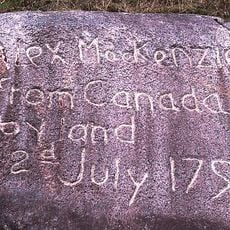
Alexander Mackenzie traveled through this area in 1793 and became the first European to reach the Pacific Coast of North America by land. This journey opened the region to wider knowledge and became an important moment in the exploration of the continent.
For the Nuxalk Nation, whose unceded territory the park lies on, salmon from South Tweedsmuir's waterways has long been a reliable food source and a cultural and economic anchor. Sockeye spawners in the Atnarko River fell from about 30,000 to 2,500 between 2005 and 2015, prompting a Nuxalk Nation recovery plan with three strategies: better knowledge of sockeye ecology, water-quality analysis of the river, and synthesis of earlier conservation data.
Access to the park is via Highway 20, with fuel and supplies available in nearby Anahim Lake or Nimpo Lake. Visitors should prepare well since the location is remote and resources are limited once you enter the wilderness.
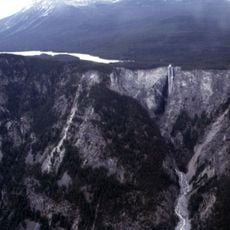
Hunlen Falls, protected within the park, drops 260 metres (850 ft) in one unbroken plunge, among the highest single drops in Canada. The park also holds the whole Rainbow Range, volcanic peaks whose mineral-rich soil shows bands of colour.
The community of curious travelers
AroundUs brings together thousands of curated places, local tips, and hidden gems, enriched daily by 92,748 contributors worldwide.