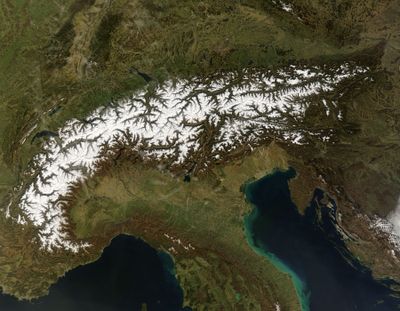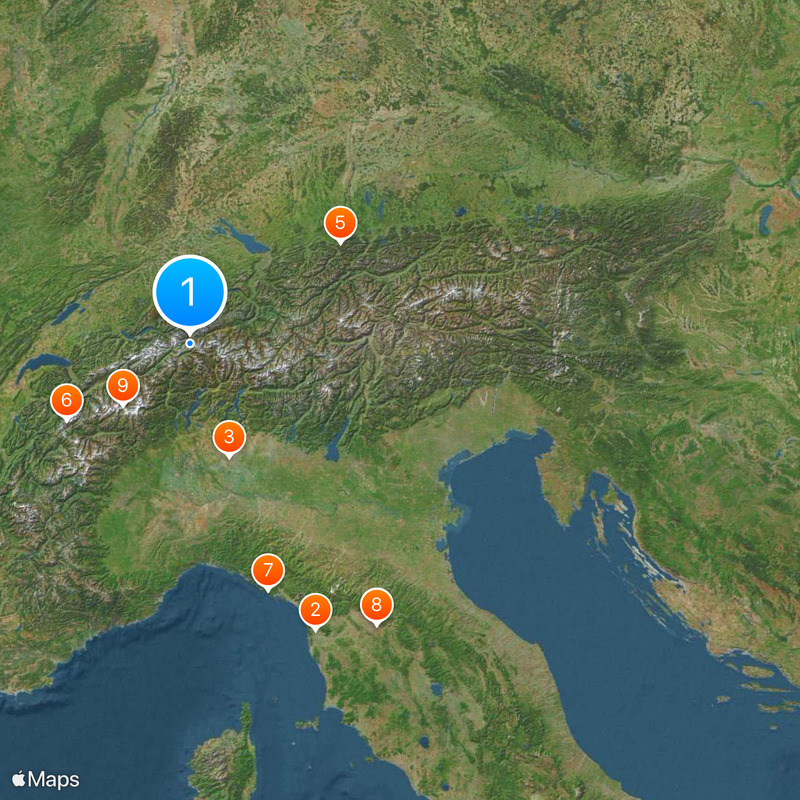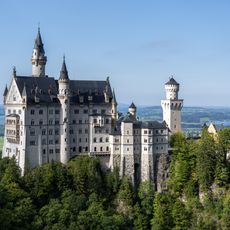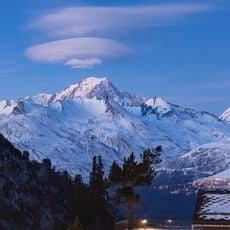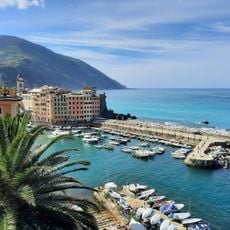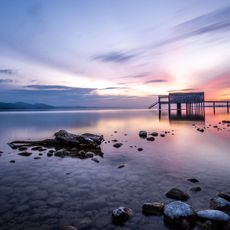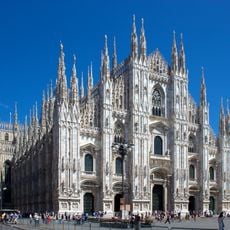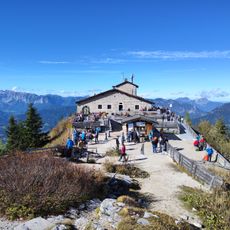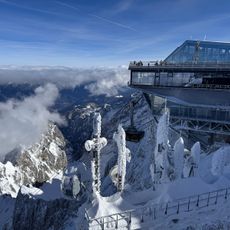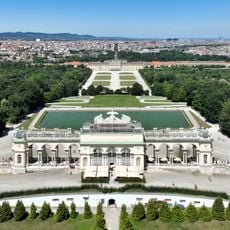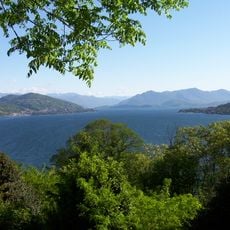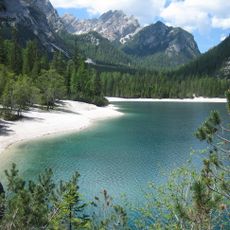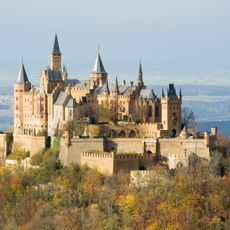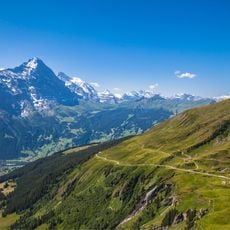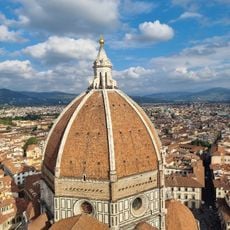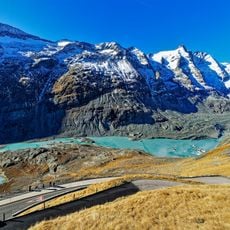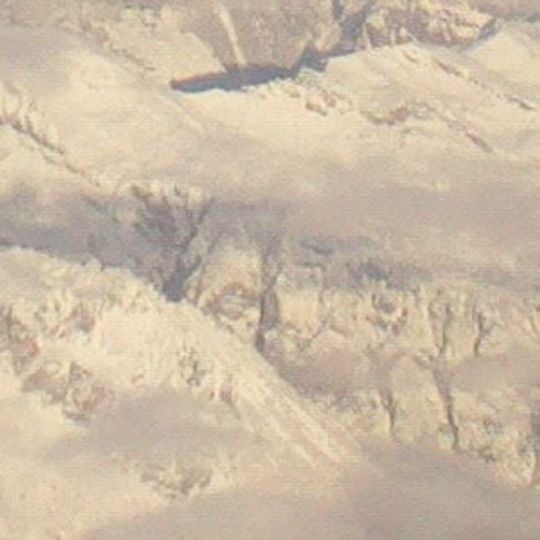
Alps, Mountain range in Central Europe, spanning France, Switzerland, Italy, Austria, Germany, Slovenia, and Liechtenstein.
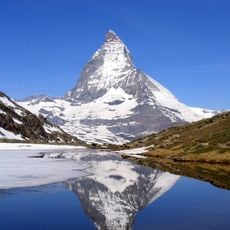
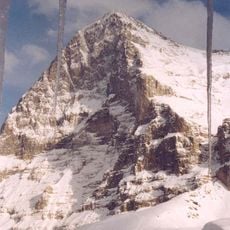
The Alps extend across eight countries and form an arc from the Ligurian coast to Austria and Slovenia, with peaks reaching just under five thousand meters (over fifteen thousand feet). This mountain range consists of limestone, granite and schist, crossed by glaciers, valleys and plateaus that spread across several climate zones.
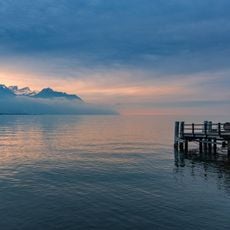
This mountain range formed through the collision of two tectonic plates millions of years ago, which triggered the folding and uplift of rock layers. During the ice ages, glaciers carved out the valleys and lakes visible today, while humans only later opened the passes and established trade routes across them.
Mountain villages preserve old crafts like woodcarving and weaving, while alpine festivals and cattle drives mark the rhythm of the seasons. In the valleys you will see dairies everywhere, where locals work with recipes passed down through generations.
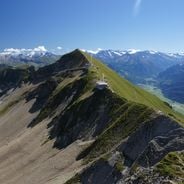
The best time for hiking runs from June to September, when snow clears from higher trails and mountain huts open for the season. In winter the focus shifts to ski resorts, where lifts usually start running in December and continue through April.
The glaciers feed four major river systems that flow into different seas and supply large parts of Europe with water. On the heights grow over four thousand plant species, many of which occur nowhere else and survive only in these elevations.
The community of curious travelers
AroundUs brings together thousands of curated places, local tips, and hidden gems, enriched daily by 92,781 contributors worldwide.