Ganges, Sacred river through northern India
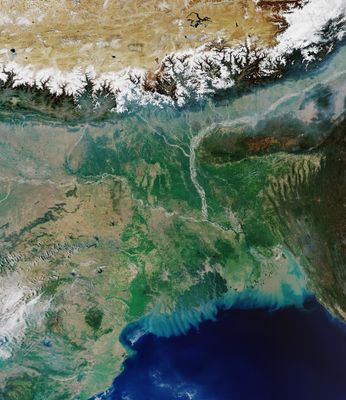
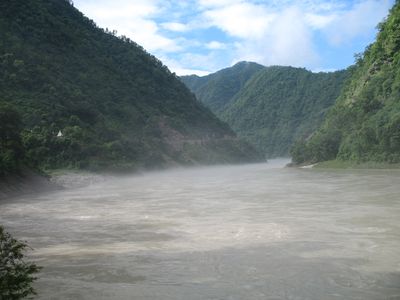
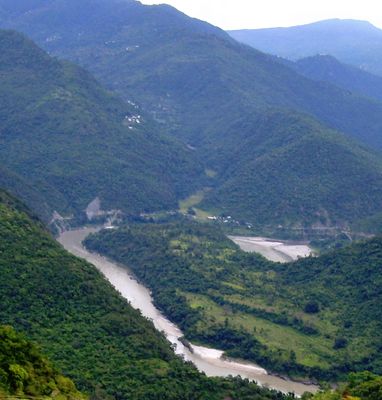
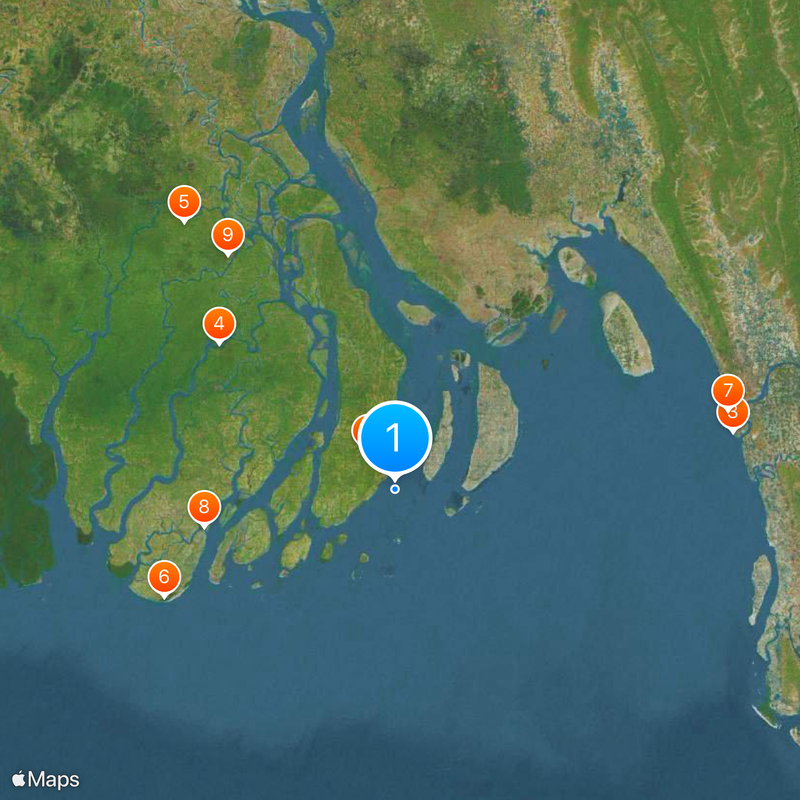
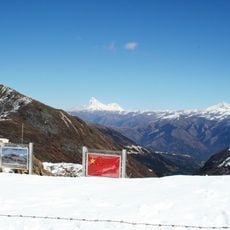
The Ganges stretches over 2,500 kilometers from the Gangotri Glacier in Uttarakhand through northern India and Bangladesh before emptying into the Bay of Bengal. Its course passes through plains, cities, and wide fields where canals and waterways branch out in all directions to irrigate the surrounding land.
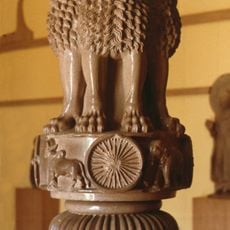
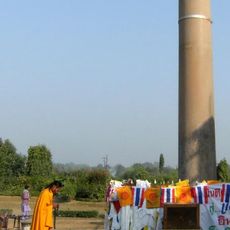
Communities settled along the river more than 3,000 years ago, later sustaining the Maurya Empire and other territories. Over time, cities grew on the banks, linking religion, trade, and agriculture in ways that continue to shape the region today.
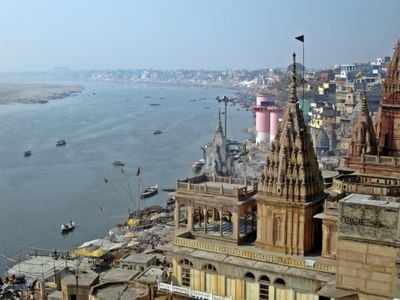
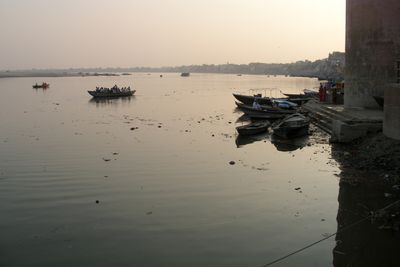
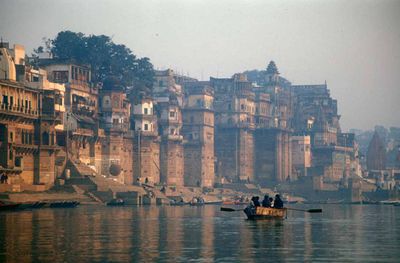
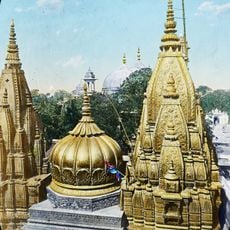
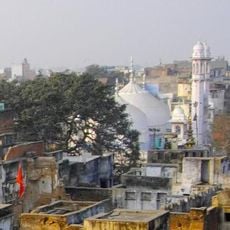
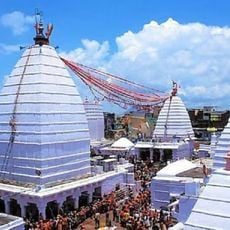
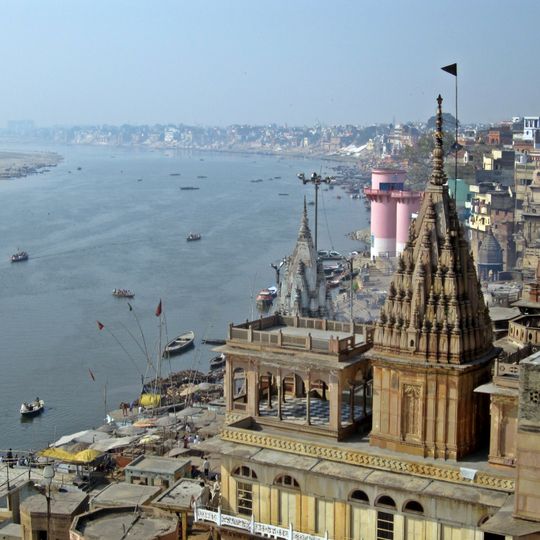
Along the banks, people gather daily to bathe, pray, and perform rituals that are part of ordinary life in the riverside towns. In Varanasi and elsewhere, pilgrims step into the water from dawn until evening, scatter flowers, and float small oil lamps on the current.
At many spots you can walk down to the banks and watch the river up close, often through stone steps and ghats that lead straight to the water. The current and water level change with the seasons; during monsoon it swells and after the rains it drops again.
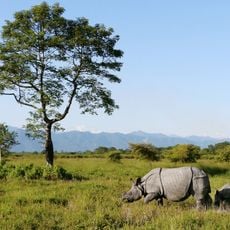
The water is home to over 140 species of fish and rare animals like the Ganges river dolphin, one of the few freshwater dolphins in the world. Some stretches also shelter gharials, crocodiles with long, narrow snouts that are rarely seen in the wild anymore.
The community of curious travelers
AroundUs brings together thousands of curated places, local tips, and hidden gems, enriched daily by 60,000 contributors worldwide.